Do fitness genes or sports genes really exist? Is there something as a champion DNA? Is it nature or nurture or both? Why can't we all run like Usain Bolt or swim like Michael Phelps? is it just because we don't train like them or do they have fitness genes that are best suited for their sport? It turns out that there is a lot more to human physical performance then just dedicated training, which though absolutely essential, is not the only determining factor.
Here are a few incredible facts about physical fitness genes influencing human performance:
Fitness genes fact 1: 32 members of the Kalenjin tribe in Kenya ran a marathon faster than 2 hours and 10 minutes in October 2011, compared to 17 men who achieved the same feat in the whole of American history!
Fitness genes fact 2: The more the proportion of fast-twitch fibers a person has, the lower their capacity to burn fat – one possible reason sprint and power athletes tend to be bulkier than endurance runners. Among the 6 DNA variants that influence heft, the most critical is the FTO gene.
Fitness genes fact 3: Michael Phelps' lower body is proportionate with that of someone 5'5" while his upper body is proportionate with that of a 6'5" individual. Great swimmers have disproportionate arms length and wingspan compared to the average person. You cannot train for that!
Fitness genes fact 4: Croatian Water Polo players’ arm's length increase more than an inch, 5 times more than that of the Croatian general population.
Fitness genes fact 5: Less than one in 20,000 women in the general population have a Y chromosome but are insensitive to testosterone and thus develop as females. Over the course of testing at five Olympics, however, an average of 1 in every 421 female competitors had a Y chromosome. This is not just fitness genes but a whole chromosome!
Fitness genes fact 6: Heat dissipation is critical for endurance running as the Central Nervous System forces a shutdown or stop of effort as body’s core temperature passes 104∘ F. Marathoner Paula Radcliffe typically fails during summer marathons (2004, 2008 Olympics) because her smaller skin area (relative to her volume) means her body cannot dissipate heat as efficiently as shorter runners.
Fitness genes fact 7: Only two players in the NBA in 2010-11 didn't have unusually large wingspans. Humans typically have a height to wingspan ratio of 1:1, it's 1:1.063 among NBA players.
Fitness genes fact 8: 17% of men in America who are taller than seven feet and between 20 and 40 years of age are playing in the NBA.
Fitness genes fact 9: The guys with a lot of fast-twitch fibers that can contract their muscles very fast have much more risk of a hamstring injury than those with a lot more slow-twitch fibers. The former get injured far more often. The most popular of all fitness genes, ACTN3 influences your muscle fiber type.
Fitness genes fact 10: Redheads have a higher tolerance for certain types of pain. The same gene mutation is responsible for both phenomena. In the extreme scenario, there are individuals who are completely insensitive to pain, even when they fracture their bones, they don't feel any pain!
Fitness genes fact 11: A discussion of sports genetics is incomplete without the mention of Myostatin- the double muscle gene– Carriers of this gene mutation do not produce myostatin which is present in majority of us. Myostatin breaks down muscle in the human body, hence, absence of myostatin leads to net accumulation of muscles over time. People (and animals) with myostatin mutations are highly muscular.
Fitness genes fact 12: Slow kids cannot be fast adults. Speed is partially determined by the proportion of slow- and fast-twitch muscle fibers in the body. Fast-twitch muscles give you more speed while slow-twitch muscles give you more endurance. It's possible to train fast-twitch muscles to have more endurance, but you can't get slow-twitch muscles to act like fast-twitch muscles.
Fitness genes fact 13: The serving arms of tennis players have forearm bones a quarter of an inch longer than the forearm bones of the other arm. This is true of non-athletes as well. We tend to have more bone in the arm we write with, simply because we use it more, so the bone becomes stronger and capable of supporting more muscle. This is an example of body adapting to routine. But we are all not made the same, the adaptive response of some individuals is much better than others, thanks to their fitness genes.
Fitness genes fact 14: Finnish skier Eero Mäntyranta became the “greatest endurance athlete” of his generation in part because of a mutation in his erythropoietin receptor (EPOR) gene which helps produce excessive amounts of red blood cells. His family was found to carry this gene. People whose ancestors have lived in higher altitude environment under less oxygen have developed adaptions such as larger lung size, greater RBC count to compensate for lower oxygen in the environment.
Fitness genes fact 15: Donald Thomas had barely 8 months of training when he won a gold at the Osaka World Championships in ’07 beating Stefan Holm, despite Holm’s extensive training. Later on, scientists identified one of the key reasons for his dramatic success – a 10.5” uncharacteristically long Achilles tendon. The longer and stiffer the tendon, the more elastic energy it can store, and when stretched, rocket its owner into air.
Fitness genes fact 16: 10% of people with European ancestry have a gene mutation that allows them to inject testosterone and not test positive in a dope test!!
Hand-Picked article for you: Worrier Or Warrior? Analyze Your DNA Raw Data For COMT – The Warrior Gene
In the realm of sports doping, genetics is expected to play a dominant role as more gene modification techniques are introduced. Gene doping is now officially listed on the world antidoping authority website.
Watch this space for more facts. We will update this list regularly!
Also read about the Top 5 Fitness Genetic Testing companies here
Update on July 6th, 2021
Xcode Life’s Gene Health report profiles genes that are shown to influence the risk of certain health conditions. This report is aimed at helping you understand your risk for diseases based on your genes so that you can modify your lifestyle accordingly.
Certain diseases, like diabetes, run in families. This means, if a person in your family has diabetes, you may be at an increased risk for it as well. A family history of certain health conditions can predispose you to it. For many health conditions, however, you can break the chain by taking a few measures.
When you learn about your predispositions, you have an opportunity to take preventive action by changing your lifestyle. Research shows that lifestyle intervention reduces the risk of health conditions like heart diseases and diabetes considerably.
According to a New England Journal of Medicine study, even with a high genetic risk for heart disease, people can significantly lower their risk by leading a healthy lifestyle.
The Gene Health Report aims to help you understand your body better, align your lifestyle to your genetics, reduce your risk for diseases, and improve your chances for a disease-free life.
The Outcome Table in the report indicates your outcome for each trait.
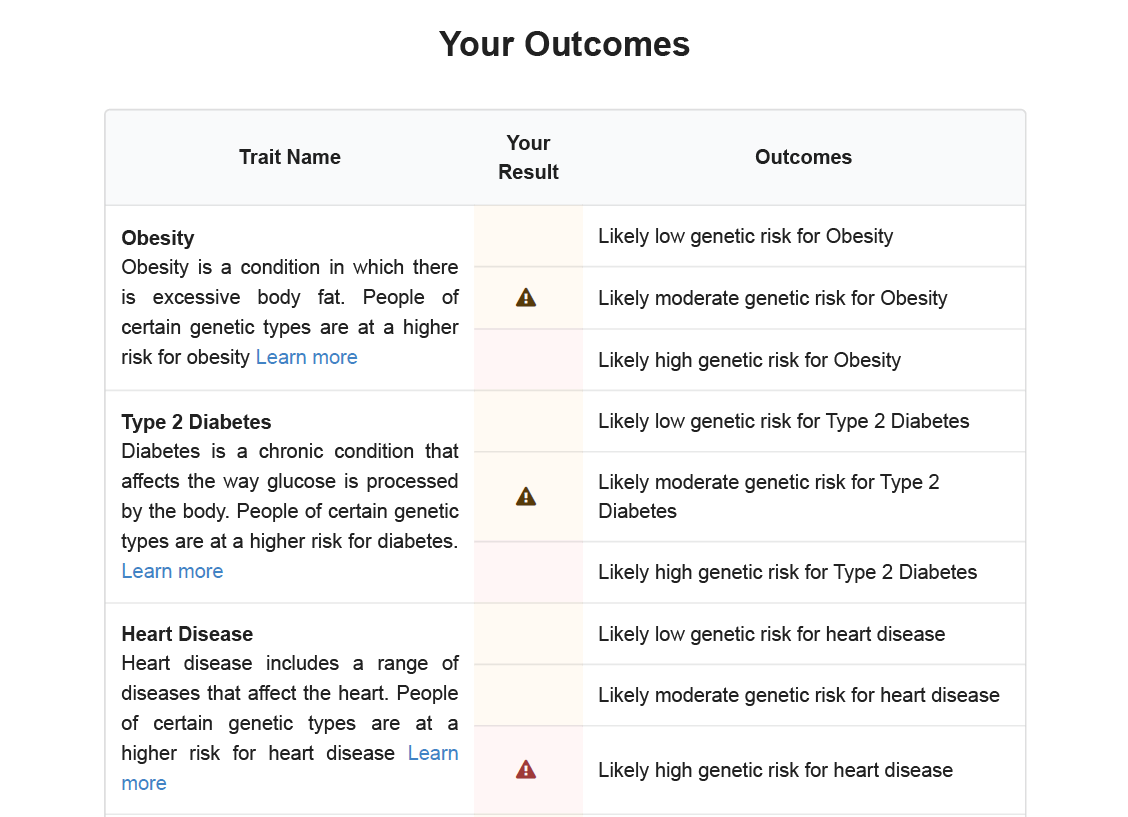
Based on your genetic makeup, your risk for over 45 health conditions is indicated in the report. Each health condition comes with the following information
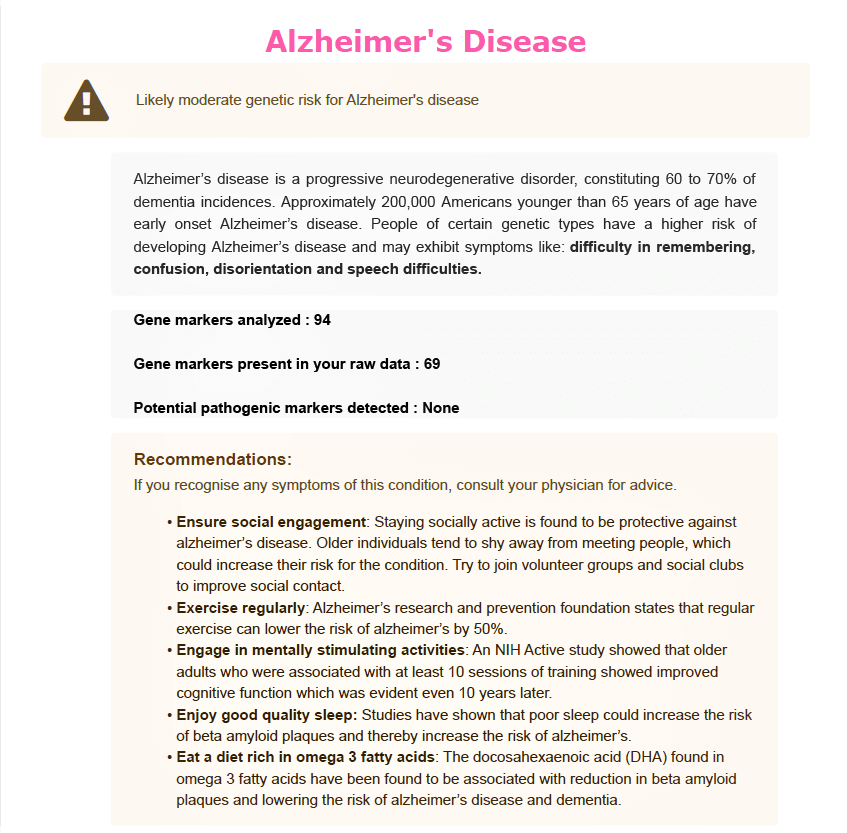
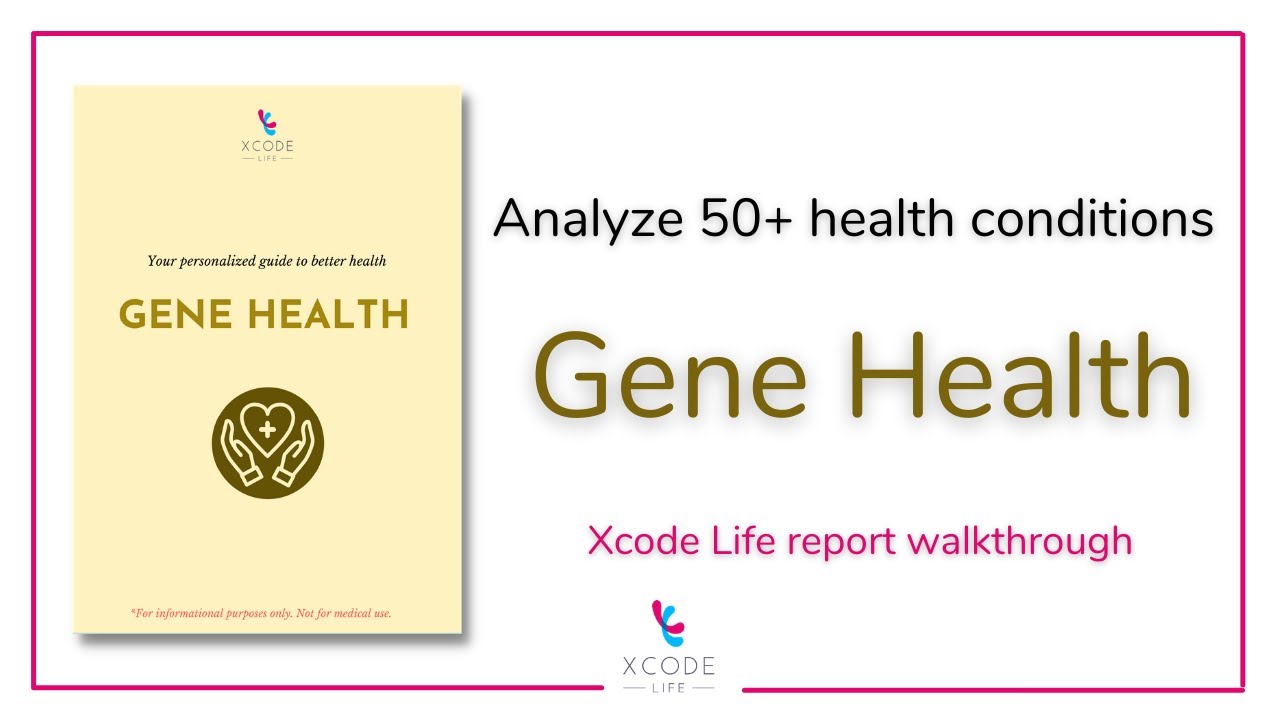
The report analyzes your genetic risk for more than 45 health conditions, including obesity, type 2 diabetes, heart disease, cardiomyopathy, migraine, and glaucoma. For a comprehensive list of the traits covered, click here.
For a sample health report/ preview of the report, click here.
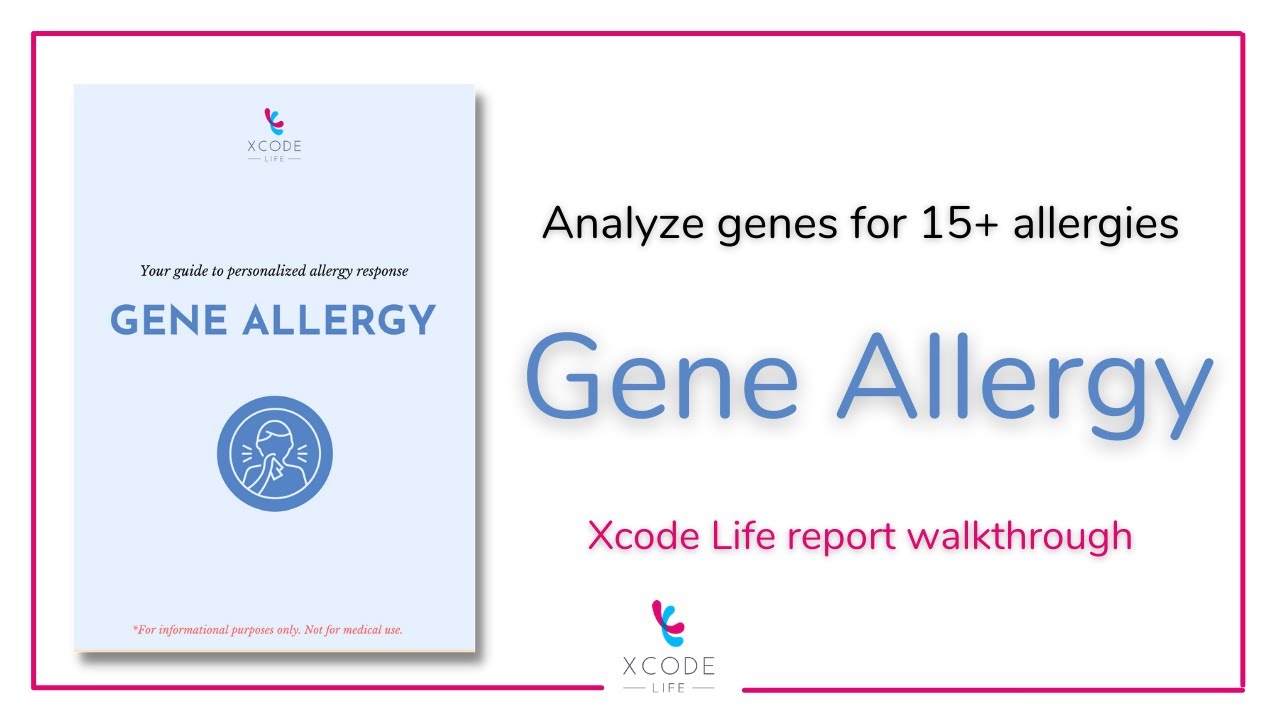
Xcode Life’s Allergy and Drug Sensitivity report profiles genes associated with various food, seasonal, environmental, animal, and insect allergies. This report will help you understand your body better and safeguard yourself from allergens.
NEW REPORT UPDATE: The report now comes with information on your genetic risk for drug sensitivities.
Allergies provided an alarm to our ancestors that kept them away from toxic chemicals, either from venomous animals or plants.
However, with modernization and the increased use of synthetic chemicals, we seemed to be trapped around various allergens.
Nearly 50 million Americans suffer from some form of allergy. Allergies have a genetic component to them. Many of the genes involved in allergic reactions have been associated with immune system regulation.
The Gene Allergy Report aims to help you understand your body better and provide information that you can use to protect yourself from allergies and lead a healthier life.
The Summary Table in the report indicates your outcome for each trait.
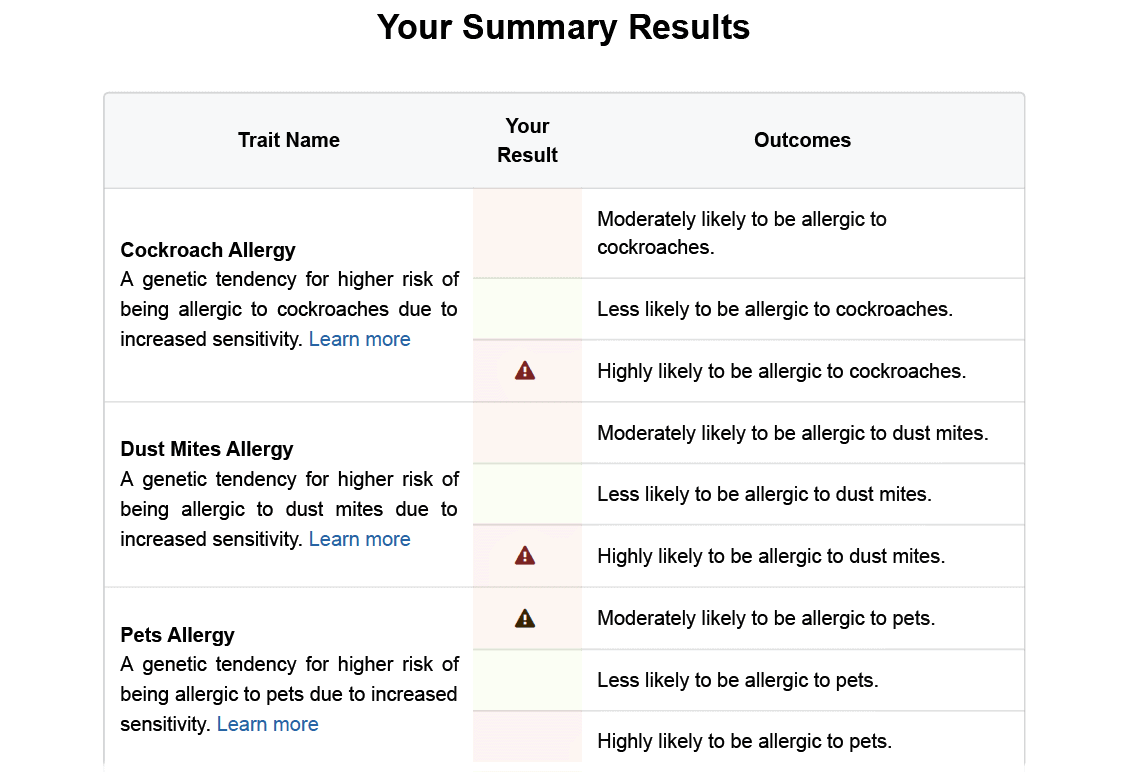
The report contains genetic information about 15 allergies, including cockroach allergy, dust mites allergy, egg allergy, grass allergy, and histamine intolerance. Along with your outcome, the details of the genes analyzed for each allergy are also provided. The report comes with personalized recommendations based on your results. These recommendations include tips to avoid and manage your allergies. They are to be followed only after consulting a trained medical professional. You can click on “Learn More” for more information on each trait.
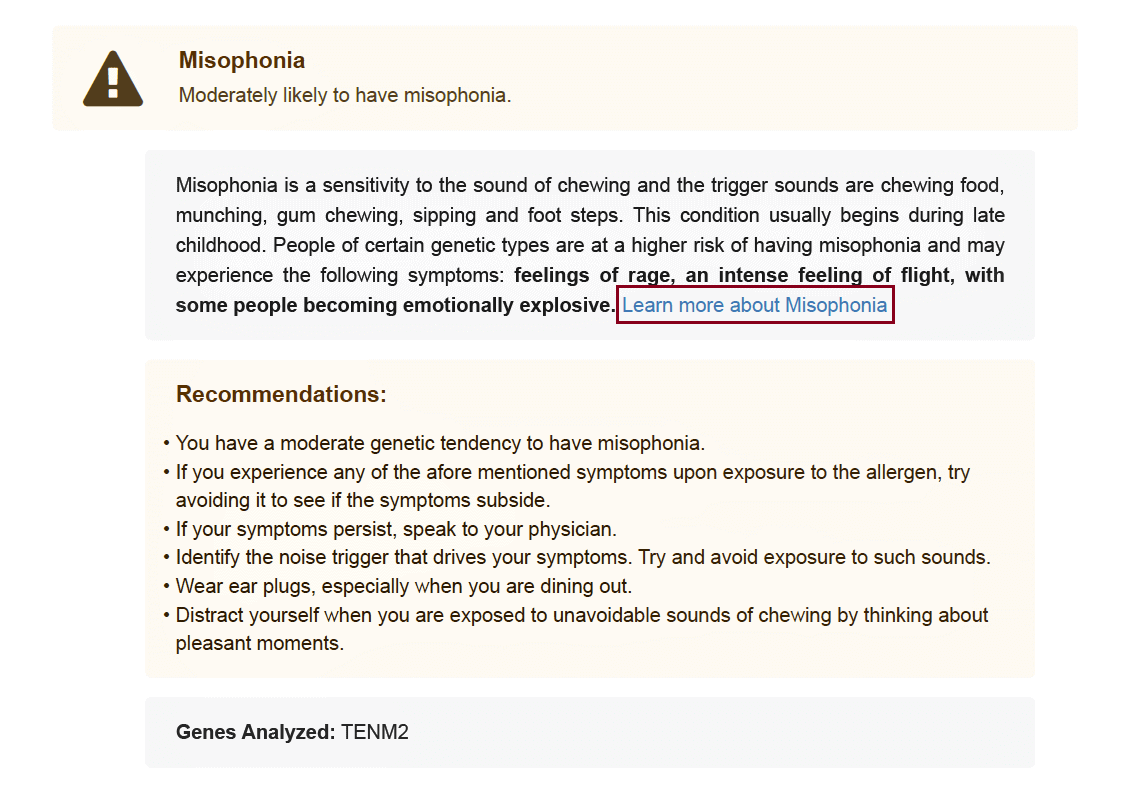
The report analyzes your genetic risk for various food, environmental, seasonal, and insect allergies. For a comprehensive list of the traits covered, click here.
For a sample allergy report/ preview of the report, click here.
Xcode Life’s Gene Skin report targets genes associated with the risk of skin conditions and skin damage. This reports can help you understand your skin. The report also includes tips to modify your skincare routine according to your genetic type for healthier-looking skin.
Have you ever wondered about what controls the differences in human skin color; why your friend tans under the sun much faster than you do? The answer to these questions, in part, is due to genetics. Since each individual has a unique genetic makeup, following a generic skincare routine may not benefit you. Understanding your skin better means to develop a personalized skincare routine.
The Gene Skin report profiles genes that have been shown to influence the risk for glycation, atopic dermatitis, UV sensitivity, stretch marks, and other skin-related traits.
The Summary Table in the report indicates your outcome for each trait.
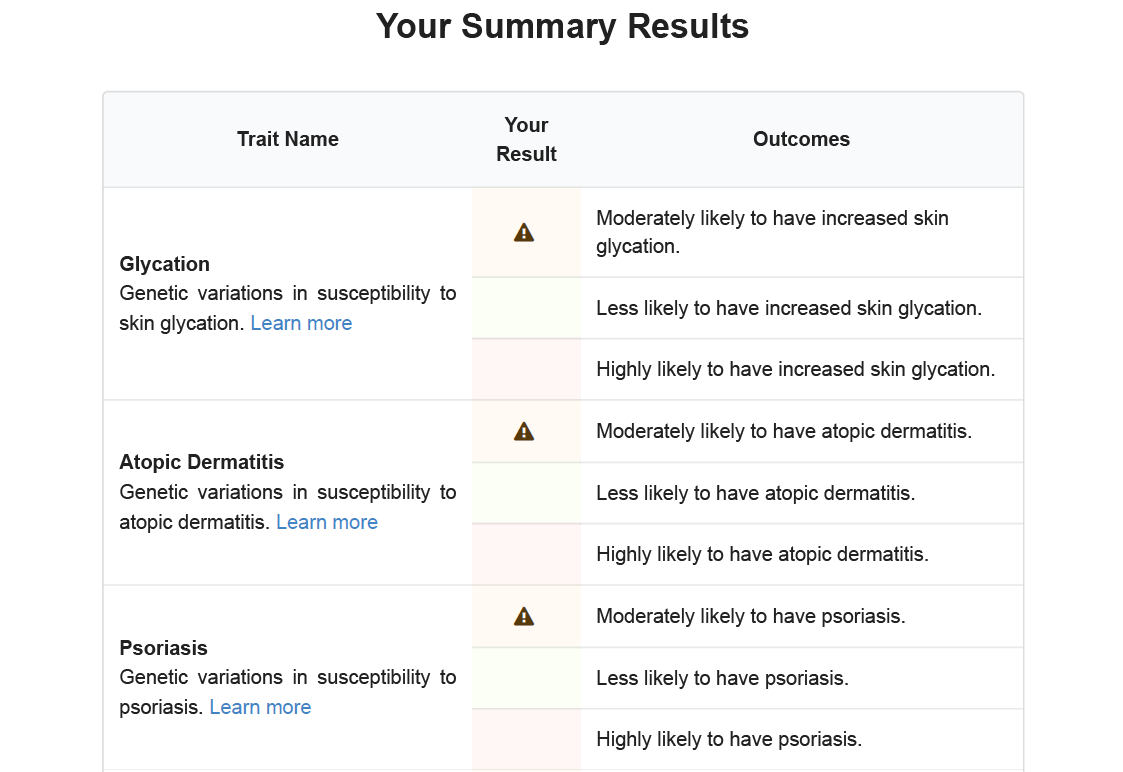
Along with your outcome, the details of the genes analyzed for each trait are also provided. The report comes with personalized recommendations based on your results. These recommendations are to be followed only after consulting with your medical practitioner. You can click on “Learn More” for more information on each trait.
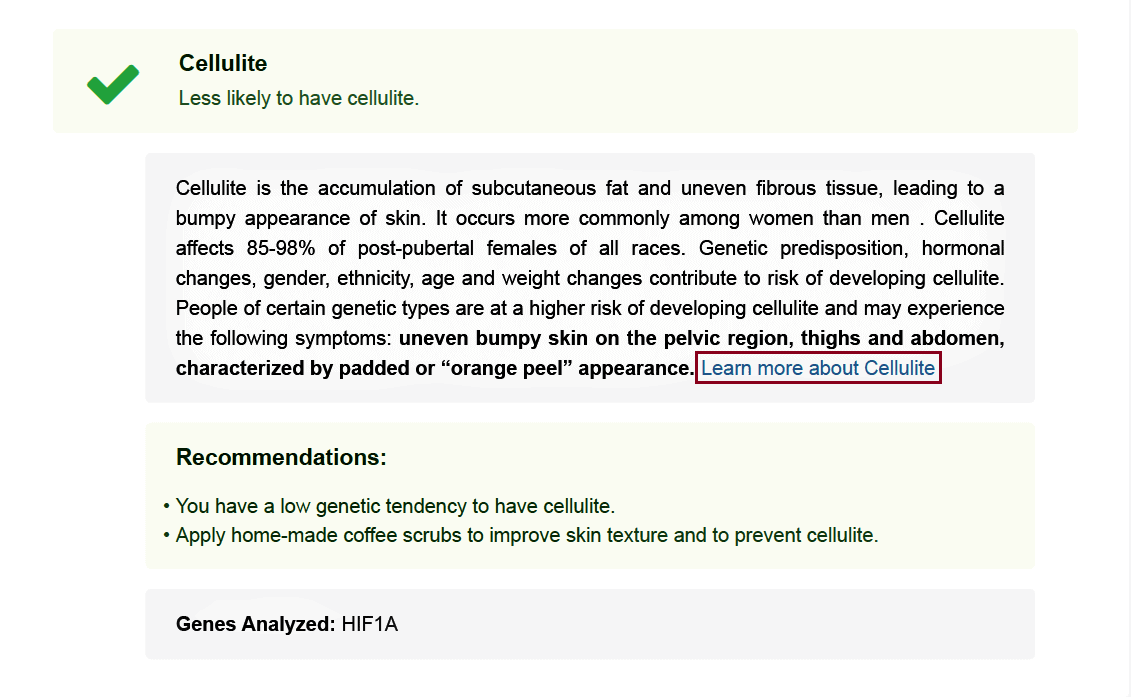
The report analyzes genes associated with 23 skin-related traits, including glycation, atopic dermatitis, contact dermatitis, psoriasis, wrinkle and collagen degradation, stretch marks, acne, vitamin needs, and others. For a comprehensive list of the traits covered, click here.
Glaucoma, prevalent in more than three million Americans, is the leading cause of blindness in the United States. Recent research reports that consuming large amounts of caffeine daily may more than triple the risk of glaucoma - for those with a genetic risk for high eye pressure. The study suggests individuals with a family history of glaucoma must cut down on caffeine intake to reduce the risk of glaucoma. However, further research is required to understand these gene-diet interactions affecting our glaucoma risk.
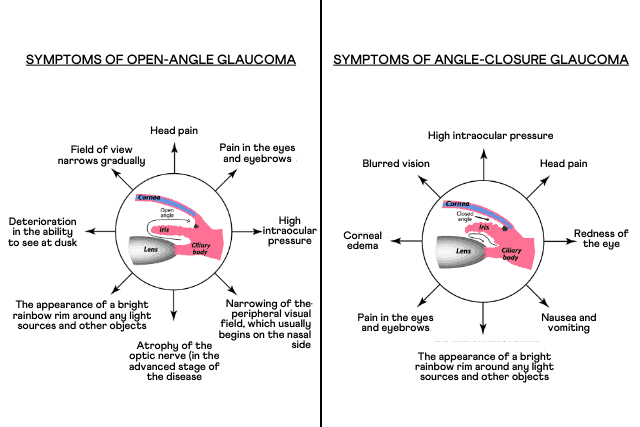
Glaucoma is an eye disorder damaging to the optic nerve. It results from increased eye pressure due to fluid build-up in the eye.
Glaucoma is of two major types:
It is the most common type of glaucoma. It occurs gradually when the eye does not drain fluid, resulting in eye pressure build-up damaging the optic nerve. This type of glaucoma causes no vision changes initially and is painless.
It occurs when the iris is very close to the drainage angle in the eye and ends up blocking it. When the drainage angle is completely blocked, eye pressure rises quickly. It is an acute condition and requires immediate medical attention.
The less common kinds of glaucoma include:
Studies have identified various genetic factors that increase the risk of glaucoma.
Changes in the following genes account for 10% of global cases of open-angle glaucoma:
Genes that influence the risk of angle-closure glaucoma are:
But, how these genes contribute to glaucoma is not clear.
In the US, only 15% of children with congenital glaucoma have a mutation in CYP1B1.
Genes influencing other types of glaucoma include FOXC1, FOXE3, PITX2, PITX3, PAX6, LMX1B, and MAF.
Xcode Life's Gene Health Report analyzes 35 gene markers for glaucoma. You can learn about your genetic risk for glaucoma here.
A genetic study led by researchers at the Mount Sinai School of Medicine aimed to understand the impact of caffeine intake on glaucoma and eye pressure.
The study was conducted with data of 502,506 individuals from UK-based Biobank. Participants aged between 39 and 73 during the years 2006-2010 provided their health records and DNA samples to generate genetic data.
The study also used data from dietary questionnaires focusing on caffeine intake and vision, including specifics on family history of glaucoma. In addition, the study measured the eye pressure of the participants.
The researchers analyzed the impact of multiple variables to estimate the association between glaucoma and eye pressure. They also used a genetic risk score that combined the effects of 111 genetic markers associated with eye pressure to examine the between genes and caffeine intake.
Findings of the study suggested that regular coffee drinking is weakly associated with decreased eye pressure. Results also depict a null association between caffeine intake and glaucoma.
However, among individuals with an already existing genetic risk of increased eye pressure, greater caffeine intake was linked with higher eye pressure and increased glaucoma risk.
The study calls for more research to be done in order to identify the gene-diet interactions and provide nutritional recommendations for caffeine intake based on glaucoma risk.
The FDA has recommended that healthy adults can consume 400 milligrams of caffeine a day (4-5 cups of coffee) without experiencing dangerous, negative effects.
If you consume caffeine in amounts higher than your tolerance level, you may experience symptoms like:
More reading: How Genes Influence Caffeine Tolerance?
Opt for alternatives with lower caffeine content like tea or cocoa. Studies report significantly lower levels of caffeine in tea when compared to coffee. Other healthy sources of caffeine include green tea, matcha, Guarana berries.
Include foods that support eye health in your diet every day. Sunflower seeds, raw bell peppers, salmon, eggs, sweet potatoes, dark green leafy vegetables, and carrots contain nutrients that are good for your eyes.
Regular comprehensive eye exams can help detect glaucoma in its early stages before significant damage occurs.
Regular exercising may help regulate eye pressure and thereby lower your risk for glaucoma.
Vitagene, a DNA testing company, was co-founded by Mehdi Maghsoodnia and Dr. Reza Malek in 2014. The company aimed to improve individual health and wellness based on genetic testing. Initially, Vitagene started with supplement recommendations by collecting diet and lifestyle data. Gradually the company grew to provide skincare products, personalized diet and fitness regimens, and ancestry reports. Vitagene aims to collect enough health data to draw evidence-based conclusions on why people get sick and disease prevention.
Vitagene provides a range of products:
Health+ Ancestry Reports - $99
This bundle covers the following reports:
Food Sensitivity Test - $149
This bundle covers the following reports:
Sleep and Stress Test - $169
This bundle covers the following reports:
Inflammation Test - $99
This bundle covers the following reports:
Once customers create a Vitagene login, they can order a swab test fro any of the available products.
They have stopped accepting DNA raw data files from third parties.
Note: As of May 26, 2023 the Health & Ancestry Test, Food Sensitivities Test, and Stress and Sleep Test stands SOLD OUT.
You can check out our DNA raw data download guides here
How To Download Your Raw Data From FTDNA
How To Download Your Raw Data From AncestryDNA
How To Download Your Raw Data From 23andMe
How To Download Raw Data From MyHeritage DNA
Users also need to fill an online questionnaire about their lifestyle and goals. They can also purchase their choice of product. Vitagene then uses an algorithm developed by medical experts to generate its reports.
The Vitagene Health Report consists of the following:
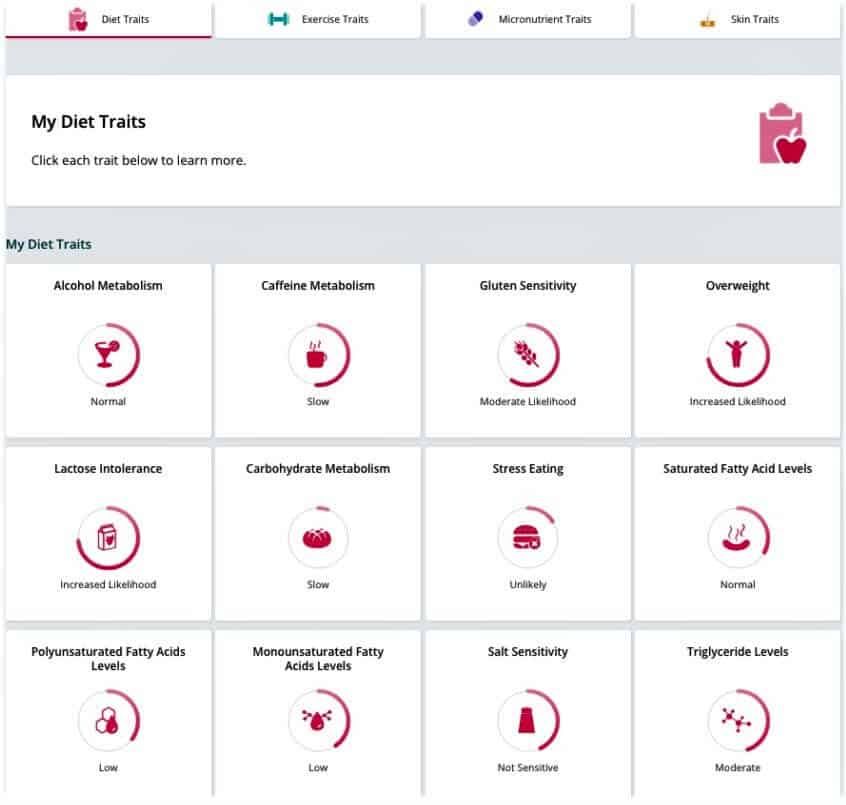
With the Diet Report, you can get insights into how genetics influence your diet.
It also includes customized meal plans, tailored calorie breakdowns, information on food sensitivities, insights on MTHFR gene mutations, etc.
Here's the entire list of traits included in the report:
Diet Report Traits Page
Source: Vitagene Website
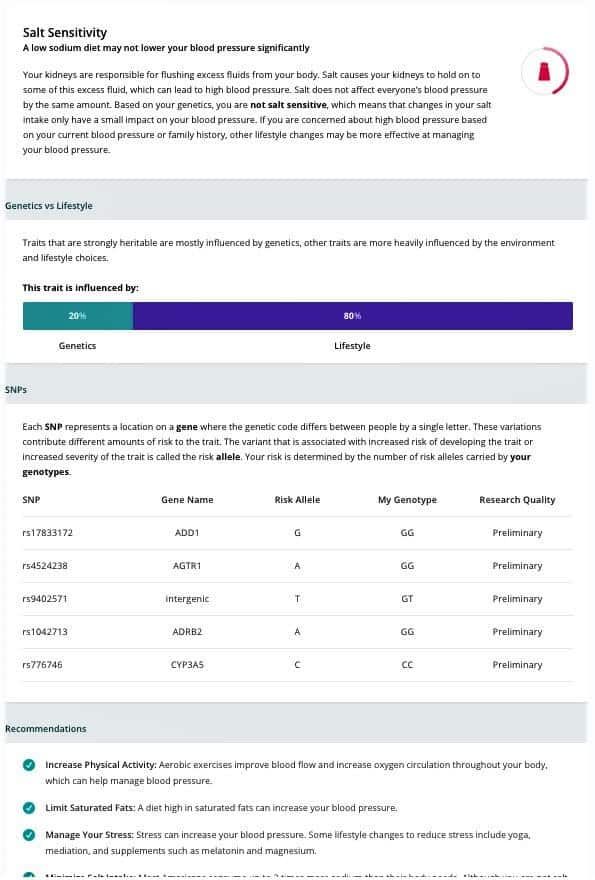
Detailed Trait Page
Source: Vitagene Website
The ancestry report reveals your global ancestry and includes an interactive ethnic map and regional percentages.
Ancestry Report page
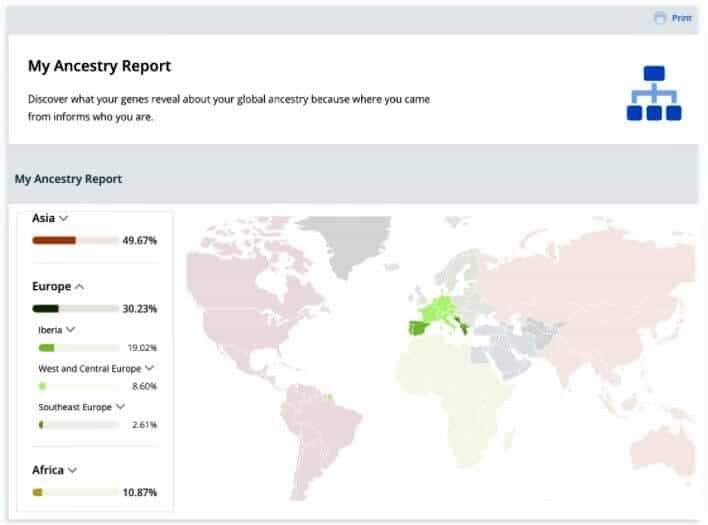
Source: Vitagene Website
The report provides suggestions on the best exercise types and intensity of workouts based on your genetic makeup. It analyzes your response to exercise and provides a personalized fitness plan.
Here's the entire list of traits included in the report:
Vitagene offers products ranging between the price point of $49 to $289.
Shipping charges may apply based on your order.
Vitagene collects personal information from its users during registration. It also gathers health information using the online questionnaire and testing kit information.
Vitagene stores DNA samples and results using barcodes for identification. Users can decide whether their DNA samples can be destroyed or stored. It also says customers can delete their data from the company at any time.
The company monitors user activity and uses cookies to improve user experience. They also promise not to share information with any third parties. They use Security Sockets Layer (SSL) encryption technology to protect personal details like login credentials and genetic data.
For further information, read the Vitagene privacy policy.
In 2019, Bloomberg reported that DNA test service Vitagene exposed thousands of client records online.
Vitagene Reviews on Trustpilot (2.9/5)
Vitagene Review on DNA Testing Choice (4.5/5)
Vitagene on Twitter
Vitagene on Reddit
You can read user success stories on the Vitagene website.
| Vitagene | Xcode Life | |
| Type of genetic testing | DNA kit and raw data analysis | DNA raw data analysis |
| Ancestry reports | Offered | Not offered |
| Health reports | Not offered | Offered |
| Pharmacogenomic reports | Not offered | Offered |
| Raw data upload | Only from 23andMe, AncestryDNA, and MyHeritage | DNA raw data from all major providers accepted. Comprehensive list |
| Number of reports | 4 | 10 |
| Price | Single Reports: $99 to $169 No bundle options | Single Reports: $30-$50 Bundles: $160-$199 Price details |
| Sample reports | Only 3 - available on the website | Available as detailed report walkthrough videos |