Lean body mass is a combination of low body fat and good muscle tone. So, lean body mass essentially includes the weight of your organs, skin, bones, body water, and muscle mass. All types of body fat are not included in the lean body mass. While ‘lean muscle’ is not a type of muscle, it is a phrase used to indicate your body’s weight minus all the fat mass. For this reason, lean body mass is also called fat-free mass.
Knowing your lean body mass helps you maintain optimum weight and keeps your body mass stable. So whether you are an athlete, sportsperson, or just trying to get healthy, it is essential to know your lean body mass.
While it is super easy to calculate your body weight using a weighing scale, calculating your lean body mass needs some more calculations. Lean body mass is the difference between your total body weight and total body fat weight. On average, healthy lean body mass value should be around 70% to 90%, and women tend to be on the lower end of this range.
There are many different ways to calculate your lean body mass– with some being basic and others more specific and accurate.
This is the simplest way of measuring your lean body mass. This method uses a formula for men and women, and all you need to do is plug-in your body weight and height to get your lean body mass value.
For Men:
Lean body mass= (0.32810 x Weight)+(0.33929 x Height)- 29.5336
For Women:
Lean body mass= (0.29569 x Weight)+(0.41813 x Height)- 43.2933
However, this method is a crude way to determine your lean body mass and may not be accurate always.
This method uses a body composition monitor that accurately measures your body fat percentage. So, for example, if your body fat percentage is 30%, your lean body mass is 70%.
By knowing your total body water %, bone mass, and muscle mass, you can calculate your lean body mass by adding these percentages together. Among these three parameters, your bone mass is not under your control, but the other two are. So, those who wish to reach a specific lean body mass % can work on the muscle mass and total body water percentages, both of which are possible with a good diet and the right physical activity.
There are a few advanced methods such as the skinfold assessment, bioelectrical impedance scale, and hydrostatic weighing that help in a more accurate assessment of lean body mass.
For any sports person or athlete, their performance is highly dependent upon their body’s composition because this directly affects their fitness and related parameters such as power, speed, agility, and balance. An athlete's skill and competency play an important role, but without the perfect body composition to support their activity, the individual will struggle to excel in his/her sport.
An increase in an individual’s lean body mass increases their strength and power, both of which are directly related to their muscle size. So, for an athlete, an increase in lean body mass helps them to generate more force for a specific time period. A higher percentage of lean body mass increases speed, agility, and quickness. Reduced body fat percentage contributes directly to an increase in respiratory, muscular, and cardiac endurance whereas, adding body fat can reduce the individual’s endurance, balance, movement, and agility. In fact, an increase in body fat also limits the range of movement of joints, thereby affecting the athletes’ coordination and movements. So, athletes and sportspersons who require agility, flexibility, and effective performance in their sport, must have low levels of body fat, i.e., a high percentage of lean body mass.
Based on the type of sport you play, the lean body mass, strength, and power ratios can be modified. For example, individuals who are participating in a sport that requires them to have more inertia and therefore need to maintain the right strength: mass ratio.
Lean body mass and muscle strength are both related to bone density, which has a strong genetic component. So, lean body mass is affected by a host of genes like ACVR2B, TRHR, FTO, and IRS1.
Located on chromosome 3, ACVR2B gene codes for a receptor that is a negative regulator of skeletal muscle protein myostatin.
The TRHR gene encodes the thyrotropin-releasing hormone receptor. This binds to the thyrotropin-releasing hormone. This coupling triggers a series of reactions that result in the release of TSH or Thyroid Stimulating Hormone and prolactin. The thyroid releases thyroxine in response to TSH and affects the skeletal muscle in humans.
*rs16892496 *
rs16892496 is an SNP in the TRHR gene. Compared to subjects with the GT and TT genotypes, those with the GG genotype had 2.70 kg higher lean body mass.
Apart from genetics, there are other factors that influence the development of lean body mass.
It is common to lose muscle mass and gain fat as we age past 30. If maintained with the right kind of exercise and physical activity, we can lose fat and prevent muscle loss.
Women tend to store more fat than men due to their bodies’ inherent needs. So, they are more likely to gain more fat and lose muscle mass, making it difficult to retain a lean body.
A decrease in estrogen levels decreases energy expenditure, which causes fat gain and lowers lean body mass. However, this factor is usually supplemented by a sedentary lifestyle or lack of activity.
Performing aerobic activities causes increased fat burning, which helps increase lean body mass. However, if your caloric intake is high, but you are not burning enough calories with the activity you perform, your lean body mass will reduce, and the amount of fat stored in the body will increase. So, the type of activity you perform throughout the day directly influences your lean body mass.
Not just the type of activity but also its duration and amount make a difference to your lean body mass. If you exercise too much without the necessary caloric intake, you will end up losing not just fat but also muscle mass. So, how much activity you do for the nutritional intake matters if you wish to maintain a healthy lean body mass.
If your caloric intake is way too high compared to the calories burnt, the excess calories your body consumed will be stored as fat. Eating too few calories causes loss of fat as well as muscle mass. So, if you are looking to build optimum lean body mass, you must have a balanced nutritional intake that supports your endeavor.
The most important component of increasing your lean mass is exercise. However, you must also follow a few dietary and lifestyle recommendations to ensure you achieve your target lean body mass.
Without dietary and nutritional support for your workouts, increasing lean body mass is not possible. The main dietary goal while working to gain lean body mass is to increase your protein intake to allow your muscles to recover and grow after a workout.
Here are some foods that you must include in your diet:
- Eggs
- Greek yogurt
- Chicken breast
- Lean beef
- Soybeans and other soy products
- Shrimp
- Cottage cheese
- Turkey breast
- Beans
- Protein powders
- Quinoa
- Chickpeas
- Nuts like almonds and peanuts
- Buckwheat
- Milk
- Brown rice
With diet and exercise on point, some lifestyle changes help you get to your goal faster.
- Do not skip your breakfast, as it gives you the impetus to get going in the morning and sets the tone for the rest of your day
- Keep yourself hydrated at all times
- It is okay to consume carbs in your high-protein diet but make sure you don’t go overboard with calorie consumption. Consume half the quantity of carbs you usually consume and mix it up with low-calorie veggies to save up on caloric intake
- Though fats are needed by the body, you don’t want an excess of them while you are trying to cut down on them. Swap your high-fat meats with low-fat, lean meats
- Keep up your fiber intake as it reduces hunger, keeps you feeling full, and limits carbohydrate intake
- Train regularly and often
- Give yourself enough rest to allow your muscles to recover and grow
< https://tanita.eu/blog/lean-body-mass-explained/>
< https://inbodyusa.com/blogs/inbodyblog/lean-body-mass-and-muscle-mass-whats-the-difference/>
< https://www.nsca.com/education/articles/kinetic-select/sport-performance-and-body-composition/>
https://europepmc.org/article/pmc/4911281
< https://www.sciencedirect.com/science/article/pii/S0002929709000664/>
< https://www.ncbi.nlm.nih.gov/pmc/articles/PMC3824979/>
< https://www.snpedia.com/index.php/Rs1421085>
Metabolism includes all the chemical reactions that occur in the body to maintain a balance. Metabolism is the combination of various functions in your body. The rate at which these processes occur is termed your metabolic rate. The food you eat is broken down and converted into energy. The breakdown of nutrients present in food and the formation of useful products for energy is metabolism. Your body breaks down nutrients into food and converts them into energy or heat. The extra nutrients are stored as fat for later use.
Metabolism is broadly categorized into:
1. Anabolism - the body utilizes the energy from nutrient breakdown to form complex molecules needed for daily functioning
2. Catabolism - the breakdown of food components or nutrients into simpler form to produce the energy needed for daily functioning
Some people have a faster metabolism than others. It varies from person to person, depending on a lot of factors.
Resting Metabolic Rate, or RMR for short, is the rate at which your body burns energy when at rest. Knowing your RMR will help you understand the energy needed by your body to perform basic life-sustaining functions like breathing, circulating blood, nutrient processing, cell growth, and functioning.
Basal Metabolic Rate (BMR) and RMR are slightly different. BMR is the minimum rate at which your body burns just enough calories to exist. RMR is a good estimate of your BMR.
By knowing your metabolic rate, you understand how many calories you burn and what your calorie intake needs to be to remain fit. It can help you devise a diet and exercise plan to remain healthy, stay fit and perform better.
Exercise helps you maintain weight and also can help change your metabolic rate. By building muscle through exercise, you can increase your BMR. The more intense your workout is, the longer your body takes to recover, the metabolism will increase more.
Exercises that increase muscle mass can help increase the resting metabolic rate also. The effect of exercise on metabolic rate increases with an increase in the intensity of the training.
The BMR of an average man is around 7,100 kJ per day, while that of a woman is 5,900 kJ per day. The expenditure of energy is continuous during the day; the rate varies and is found to be at its lowest early in the morning.
BMR is usually estimated through the Harris-Benedict formula revised in 1990. The formula is gender-specific. You can calculate it on your own. All you need is your weight, height, age, and a little bit of math. The formula is given below.
Women
BMR = (10 × weight in kg) + (6.25 × height in cm) - (5 × age in years) - 161
Men
BMR = (10 × weight in kg) + (6.25 × height in cm) - (5 × age in years) + 5
The UCP1gene encodes the uncoupling protein, which plays a role in generating heat by allowing fast substrate oxidation and lower ATP production in brown adipose tissue. It is responsible for adaptation to cold climates. Variants in this gene are associated with metabolism.
*rs1800592 *
rs1800592 is an SNP found in the UCP1 gene. The A allele is associated with a higher metabolic rate and slower weight gain compared to the G allele.
The GPR158 gene encodes a protein called G-protein coupled receptor 158, which is highly expressed in the brain. It is known to influence the risk of obesity in mice. Variants in this gene are found to be associated with energy expenditure.
rs11014566
rs11014566 is an SNP in the GPR158 gene. People with the GG genotype were found to have lower energy expenditure, higher BMI, and higher fat mass compared to people with the AA genotype. This is seen in American Indians.
A number of factors other than genetics influences metabolic rate. These include
- Age: Metabolism decreases with age due to gain in fat, loss of muscle, and decrease in physical activity. This means that the metabolic rate will also decrease with age.
- Gender: Generally, men have a faster metabolism than women because they tend to have more lean body mass and testosterone and lesser estrogen.
- Drugs: Nicotine and caffeine tend to increase metabolic rate.
- Body composition: Larger people tend to have a higher RMR. People with more lean muscle tissue and lesser fat have a higher RMR.
- Diet: A balanced diet can help you achieve optimal RMR. Fasting, starving, or crash dieting leads to loss of lean muscle mass and a decrease in RMR.
- Body temperature: Increase in body temperature increases RMR.
- Physical activity: Exercise done regularly increases muscle mass and can increase your RMR also.
Working out can help you stay fit and healthy and increase your metabolism, thereby increasing the resting metabolic rate. Here are a few things that you can do to increase metabolic rate:
- Include plenty of proteins in your meal. It leads to a rise in the thermic effect of food, which is the extra calories needed to digest and absorb the nutrients in food. It also prevents muscle loss due to dieting and increases your metabolism.
- HIIT (High-Intensity Interval Training) workouts involve quick and intense energy bursts. Research shows that it helps boost metabolic rate after training.
- Lifting weights helps build and maintain muscle mass and increase metabolic rate. It also helps combat the drop in metabolism that occurs after weight loss.
- According to a review, resistance training can reduce fat mass and improve lean body mass, resulting in an increase in basal metabolic rate.
- Make sure you get adequate sleep. Sleep deprivation has negative effects on metabolism and is a risk factor for obesity.
- Research shows that drinking coffee can increase your metabolism and promote the burning of fats.
https://www.healthline.com/health/what-is-basal-metabolic-rate
https://www.webmd.com/fitness-exercise/guide/how-to-boost-your-metabolism
https://pubmed.ncbi.nlm.nih.gov/2305711/
https://www.betterhealth.vic.gov.au/health/ConditionsAndTreatments/metabolism
Fish oil is one of the most commonly used dietary supplements. It is rich in omega-3 fatty acids. It has been known to protect against heart diseases, lower blood pressure, and lower triglyceride levels.
According to a recent study published in the journal PLOS Genetics, the beneficial effect of fish oil on triglycerides is seen only in people with a certain type of genetic makeup.
Triglycerides (TG) are the most common type of fats present in your body. TG are commonly found in foods like butter, margarines, and oils. The extra calories that the body doesn’t need to use right away are also stored as triglycerides.
High triglyceride levels are considered to be a marker (indicator) for heart diseases. A blood sample reading of less than 150 milligrams per deciliter (mg/dL) is considered to be the normal level of TG. Higher levels of triglycerides may thicken the walls of the arteries, thereby increasing the risk of stroke and heart diseases.
Fish oil is a rich source of omega-3 fatty acids, a type of polyunsaturated fatty acids (PUFA), which is very important for your heart health. Fish oil can be derived from consuming oily fish like mackerel and salmon or through supplements. Some fish oil products are approved by the US Food and Drug Administration (FDA) as prescription medications to lower triglycerides levels.
But, a recent study published in the journal PLOS Genetics claims that “taking fish oil only provides health benefits if you have the right genetic makeup.”
The study focussed on the effects of fish oil on triglyceride levels in the blood. The study also examined the levels of the other three blood lipids - high-density lipoprotein, low-density lipoprotein, and total cholesterol. All these types of fats (lipids) are biomarkers for heart diseases.
The study analyzed the data of 70,000 individuals taken from UK Biobank. The study cohort was divided into two - those who took fish oil supplements (around 11,000) and those who didn’t.
After running over 64 million tests, it was found that people on fish supplements who experienced a reduction in their triglyceride levels had a specific genotype of the GJB2 gene.
Individuals with the AG genotype who took fish oil decreased their triglycerides.
The study further revealed that individuals with the AA genotype who took fish oil had slightly elevated levels of triglycerides. The effects of fish oil on triglycerides in people with GG type could not be determined as present in the variant rs112803755. So, if you have your DNA raw data file with you, you can look up this rsID to find out your genotype!
Apart from fish oil, there are also other effective methods to reduce your triglyceride levels. Some of them include:
Limiting your sugar intake
Excess sugar in your diet is turned into triglycerides, elevated levels of which are not good for your heart health. According to a study, replacing your sugary beverages with water can decrease your triglyceride levels by as much as 29 mg/dL.
Adopting a low-carb diet
The extra carbs in your diet are also converted into and stored as triglycerides. Following a low-carb diet has proven to be much more effective than following a low-fat diet in terms of reducing triglyceride levels.
Exercising regularly
HDL cholesterol is a type of good cholesterol. Increasing HDL levels can both help reduce triglyceride levels as well as counteract the effects of high triglycerides. Jogging for even two hours per week can reduce the levels of triglycerides.
Limiting Alcohol Intake
Alcohol is high in sugar and calories. If they are not used up by the body, they are converted into triglycerides. According to studies, even moderate alcohol consumption can increase your triglyceride levels by as much as 53%. This applies to people with normal triglyceride levels as well!
Veritas Genetics is a genomics company founded in 2014 by George Church, CEO Mirza Cifric, Preston Estep, and Jonathan Zhao. Located in Danvers, MA, USA, the company offers genome sequencing to consumers. With other offices in China and Europe, the company aims to empower healthy living by improving accessibility to genomics worldwide.
One of the most important products that Veritas offers is mygenome, which is a whole genome sequencing and interpretation service.
You can get started with the following steps:
Image: Getting started with Veritas Genetics
Source: Veritas Genetics website
Veritas Genetics offers the myGenome testing kit, which is a 30x whole-genome sequencing test.
In this category, 59 genes associated with diseases covered under categories like heart disease, metabolic condition, neurological disorders, immune disorders, and organ health are analyzed.
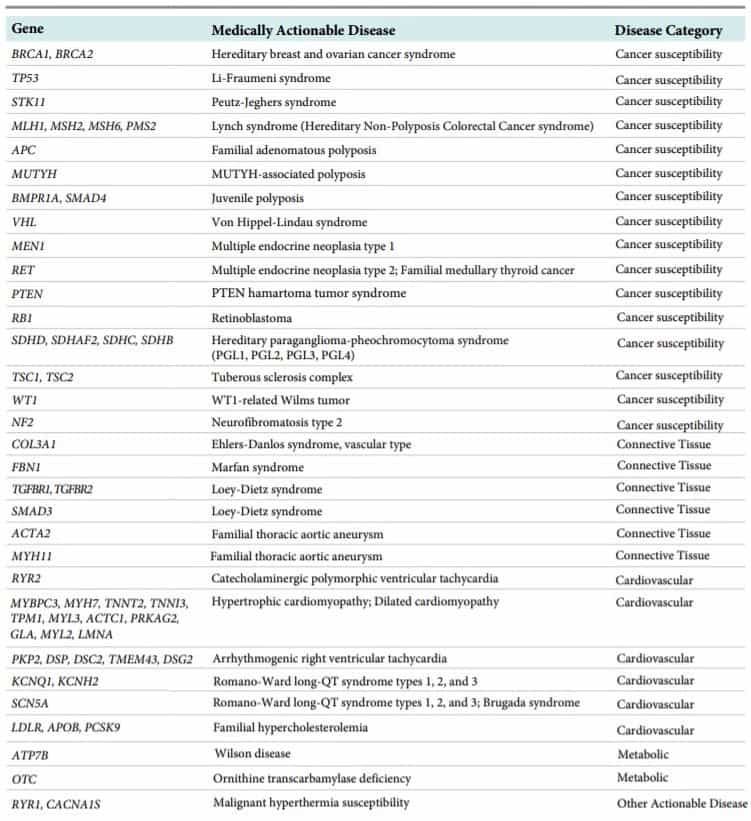
Image: Traits in Medically-actionable conditions section
Source: Veritas Genetics website
In this category, 24 genes associated with several autosomal recessive conditions are analyzed. Recessive conditions require two faulty genes to be expressed in an individual. However, one faulty gene makes a person a "carrier," and if that person has a kid with another person who's a carrier of the same faulty genes, there are 25% chances of their kid being affected with this condition.
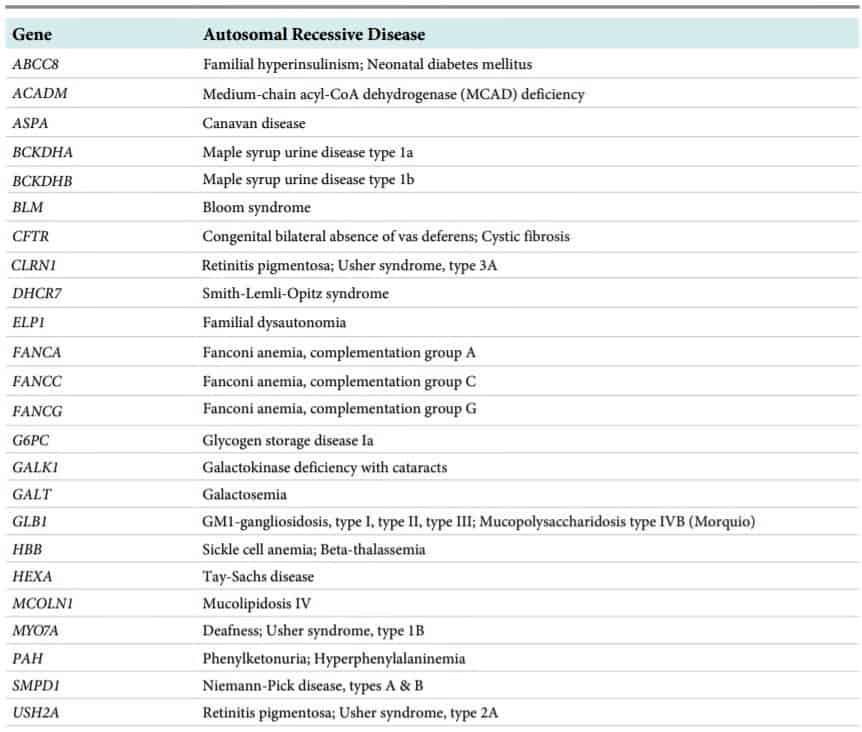
Image: Traits in the Carrier Status section
Source: Veritas Genetics website
This contains information about “lower-impact genetic findings” associated with 15 conditions whose risk can be lowered by proactive lifestyle modification.
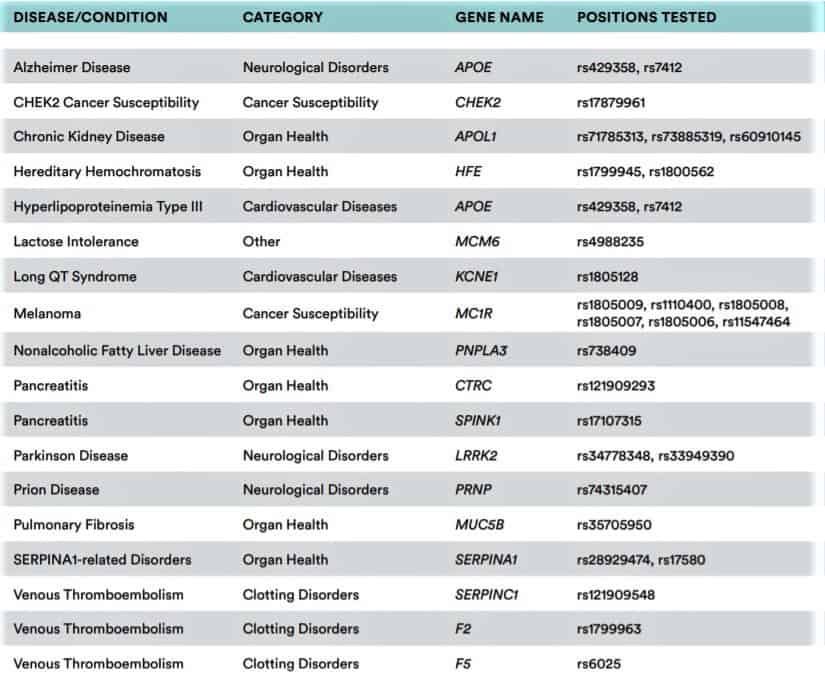
Image: Traits in the Risk Section
Source: Veritas Genetics website
The Pharmacogenomics (PGx) section of the test report identifies how the genetic makeup may influence response to certain medications.
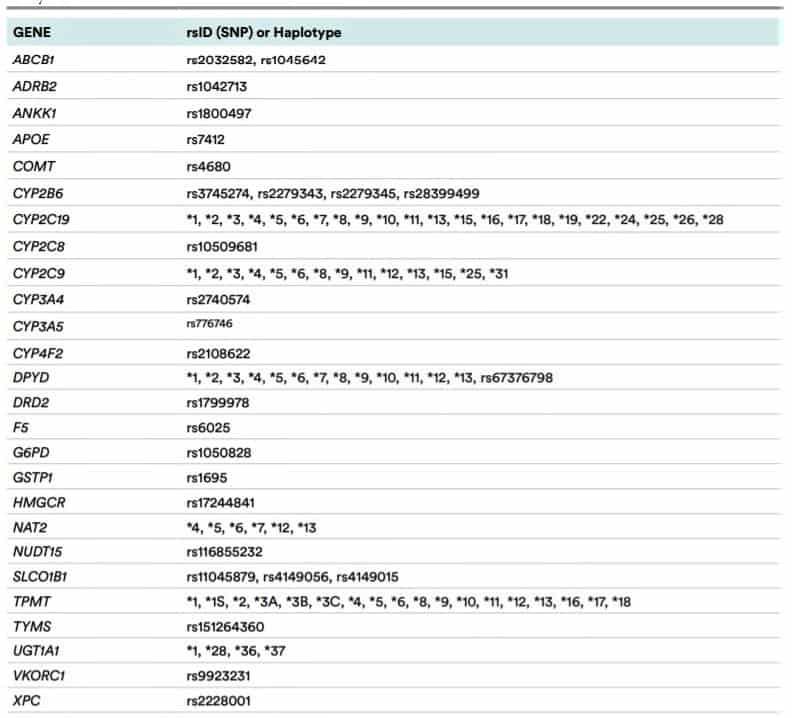
Image: Traits in the Pharmacogenomics section
Source: Veritas Genetics website
Xcode Life’s Personalized Medicine Report - 1000+ drugs - $50
According to the website, this section of the report includes "50 traits related to athleticism, behavior, cardiovascular, hormones, immune system, longevity, metabolism, nutrition & diet, physical appearance, sensory perception, and substance reaction."
Image: Traits in the Traits and Wellness section
Source: Veritas Genetics website
Veritas also offers information on your ancestry.
Veritas offers its users two interpretation services:
This service provides insights into disease risks, drug sensitivities, and what one might pass on to the next generation.
This test provides insights into the underlying causes of a genetic condition. It includes insights on the relevant disorder, diagnostic interpretation, and a clinical expert panel review.
Image: Veritas Interpretation Services
Source: Veritas Genetics website
Additionally, Veritas now offers the following tests for COVID-19:
Image: Veritas COVID tests
Source: Veritas Genetics website
Veritas runs all its tests using high complexity CLIA-certified, CAP-accredited next-generation sequencing (NGS) laboratories. Customers receive reports within 16 weeks, typically closer to 12 weeks.
Veritas also offers a 15-20 minutes free genetic counseling service with a team of certified genetic counselors.
Customers can choose from three different interpretation services:
This kit provides information on disease risks and drug sensitivities, covering about 40 carrier genes and about 200 genetic conditions.
This service includes all the standard testing, with additional information on cardiovascular conditions, cancer, and carrier conditions. It covers over 225 carrier conditions and 650 genetic conditions.
The service enables patients with complex medical histories to learn about underlying genetic causes. It may provide patients with medical management options or help make treatment decisions.
Customers can also avail an additional hour of a genetic counseling session with Veritas for $299.
COVID-19 tests at Veritas range from $60 to $120, depending upon the type of test.
Veritas Genetics claims that they stay committed to protecting user privacy by maintaining the confidentiality of personal information, genetic information, and test results.
Veritas may disclose the customer's protected health information like name, date of birth, social security number, medical record number, social security number, genetic information in the case of payment, treatment, and other purposes required by law.
The company shares genetic testing results with healthcare providers involved in the care of their users. Veritas may use an individual's protected health information for research purposes under certain circumstances.
Veritas stores all user data on a Health Insurance Portability and Accountability Act (HIPAA) compliant cloud service. It is encrypted and stored for ten years. The company does not share the data with third parties without permission from users.
For further information, read Veritas Genetics Privacy Policy.
Veritas has been listed among CNBC Disruptor 50 companies in 2018 and 2019.
Veritas Genetics was the finalist and winner of the 2018 Business Model Innovation Awards for the most innovative low-cost business model.
Veritas Genetics offers affordable genetic testing services by slashing the price of whole-genome sequencing by 40% in 2019.
You can read more news stories of Veritas Genetics on their website.
Veritas mostly has positive reviews from all its users. You can read other reviews of Veritas Genetics.
Veritas Genetics Review on Reddit
Veritas Genetics Review on DNATestingChoice
Veritas Genetics Review on Top 10 DNA Tests
| Veritas Review | Xcode Life | |
| Type of genetic testing | Whole-genome DNA kit | DNA raw data analysis |
| Ancestry reports | Offered - Brief | Not offered |
| Health reports | Offered | Offered |
| Pharmacogenomic reports | Offered | Offered |
| Raw data upload | Not available | DNA raw data from all major providers accepted. Comprehensive list |
| Number of reports | 5 | 10 |
| Price | Price point ranges from $599 to $3599 | Reports: $30-$50Bundles: $160-$199Price details |
| Sample reports | Only trait and gene information available | Available as detailed report walkthrough videos |
Fats are an essential component of your diet, and omega-3, 6, and 9 are important dietary fats. Each of these fatty acids has health benefits when consumed in the right balance. Any imbalance in these fatty acids can result in many health conditions and diseases.
Omega-3 (alpha-linolenic acid) and omega-6 (linoleic acid) fatty acids are polyunsaturated fatty acids. Numbers 3 and 6 in the name of these fatty acids indicate the position of the final double bond in the chemical structure of the fatty acids. They are known as ‘poly’ unsaturated because they have many double bonds. Both omega-3 and omega-6 fatty acids are termed essential acids because our body cannot produce them. They need to be obtained through diet or supplements.
It is important to maintain a balance of omega-3 and omega-6 fatty acids. One must consume more omega-3 than omega-6. A reversed ratio of these fatty acids can result in chronic inflammation and diseases like rheumatoid arthritis, diabetes, atherosclerosis, etc. This occurs because linoleic acid and alpha-linolenic acid compete for metabolism by the enzyme delta-6-desaturase. A higher intake of linoleic acid or omega-6 can reduce the amount of the delta-6-desaturase enzyme left for the metabolism of alpha-linoleic acid or omega-3. This can cause chronic health conditions in the body. Therefore, it is important to maintain a healthy ‘ideal’ ratio of omega-3 and omega-6 fatty acids.
Both omega-3 and 6-fatty acids are required by our body, and they play different roles. Both these essential fatty acids can be used to produce other fatty acids. They are also required for growth and repair in the body.
Omega-3 fatty acids form an integral part of cell membranes. The omega-3 fatty acid is known to have anti-inflammatory properties, regulates blood pressure, and prevents fatal heart diseases. In fact, studies are focused on studying how omega-3 can protect one from diabetes and some types of cancer.
Omega-6 fatty acids are said to provide energy and linoleic acid is the most common omega-6 fatty acid. Excessive consumption of omega-6 can cause increased blood pressure, the formation of blood clots, and increased water retention.
Health Benefits of Omega-3 Fatty Acids:
- Help fight depression
- Promote brain health during pregnancy and right after birth
- Improve vision
- Reduce the risk of heart diseases
- Reduce symptoms of metabolic syndrome
- Help fight inflammation
- Prevent autoimmune diseases
- Reduce inflammation and inflammatory conditions in the body
- God for your joints
- Known to improve sleep
- Reduce the risk of cancer
Health Benefits of Omega-6 Fatty Acids:
There are no specific numbers of Recommended Dietary Intake(RDI) of omega-3 fatty acids, but the Adequate Intake of this essential fatty acid as given by the Board of Institute of Medicine is:
- Adult Males: 1.6 g/day
- Adult Females: 1.1 g/day
- Pregnancy: 1.4 g/day
- Lactation: 1.3 g/day
According to the Food and Nutrition Board of the US Institute of Medicine, the Adequate Intake of omega-6 fatty acid for 19-50 years age group is:
The FADS2 or the Fatty Acid Desaturase 2 Gene provides instructions for the preparation of the delta-6-desaturase enzyme. Delta-5 and delta-6-desaturase are the enzymes that are part of the slowest step in the production of polyunsaturated omega-3 and omega-6 fatty acids.
rs3834458
rs3834458 is a single nucleotide polymorphism or SNP in the FADS2 gene. The T allele of this SNP plays a role in the reduced activity of delta-6-desaturase. This may lead to higher omega-3 and omega-6 levels in the body.
Mutations or changes in the MTHFR or methylenetetrahydrofolate reductase gene results in an excessive build-up of homocysteine in the blood and reduces levels of folates and other vitamins.
rs4846052
rs4846052 is an SNP located on chromosome 1 and associated with the _MTHFR _ gene. The different forms or genotypes (TT, CT, and CC) of this SNP were associated with PUFA levels in red blood cells (RBCs). Higher levels of RBC DHA (Docosahexaenoic acid is an omega-3 fatty acid), EPA (Eicosapentaenoic acid is an omega-3 fatty acid), ARA (Arachidonic acid is a polyunsaturated omega-6 fatty acid), and linoleic acid (omega-6 fatty acid) and were observed for the TT genotype versus TC and CC genotypes.
While the metabolism of these fatty acids is dependent upon genetics, there are few non-genetic factors that affect one’s omega-3 and omega-6 levels in the body.
Since diet is the primary source of omega-3 and omega-6 fatty acids, the levels of these fatty acids and their right ratio is dependent upon the foods consumed by an individual.
Many conditions like pregnancy or other metabolic disorders require an additional supplement of omega-3 and omega-6 to maintain their optimum levels in the blood. Therefore, in these individuals, the supplements influence the levels of omega-3 and omega-6.
Regular exercise and workouts help maintain the right ratio of omega-3 and omega-6 fatty acids in the blood.
Many systemic conditions can alter the metabolism of omega-3 and omega-6, thereby affecting their levels in the body.
Though omega-3 and omega-6 fatty acids are essential, you will be surprised to know that nearly 90% of the population falls short of their target intake. A reduced level of omega-3 and omega-6 fatty acids results in a deficiency. Common deficiency symptoms of these fatty acids include:
- Fatigue
- Changes in skin, hair, and nails
- Decreased concentration and attentive power
- Leg cramps and joint aches
- Changes in the menstrual cycle in women
- An increased risk of cardiovascular diseases
- Feeling low and depressed
The goal here is to maintain a healthy omega-3/omega-6 ratio. Here are a few recommendations to improve your omega-3 and omega-6 levels:
https://pubmed.ncbi.nlm.nih.gov/31487670/
https://pubmed.ncbi.nlm.nih.gov/31671528/
https://pubmed.ncbi.nlm.nih.gov/31671528/
https://bmcgenomdata.biomedcentral.com/articles/10.1186/1471-2156-15-25
https://www.ncbi.nlm.nih.gov/pmc/articles/PMC6424014/
https://www.researchgate.net/publication/336902646_Single_Nucleotide_Polymorphisms_in_PEMT_and_MTHFR_Genes_are_Associated_with_Omega_3_and_6_Fatty_Acid_Levels_in_the_Red_Blood_Cells_of_Children_with_Obesity
https://www.researchgate.net/publication/336605976_Single_nucleotide_polymorphisms_in_PEMT_gene_associate_with_different_omega_3_and_6_fatty_acids_levels_in_red_blood_cells_in_overweight_children
https://www.healthline.com/nutrition/omega-3-6-9-overview#food-sources
https://www.healthline.com/nutrition/17-health-benefits-of-omega-3#TOC_TITLE_HDR_17
When an individual feels low or encounters negative emotions, the feeling is often accompanied by emptiness. Food is believed to fill that void by providing temporary pleasure and satisfaction. This practice of reaching out to food to suppress or soothe our negative thoughts can be called emotional eating.
Finding comfort in food might seem normal but can lead to several complications if the individual loses control over how much or what he eats.
Conditions like compulsive eating or binge-eating are subtypes of emotional eating. They occur only in extreme cases, wherein the individual bing-eats large portions as opposed to what’s optimum. About 3.5% of women and 2% of men in the US are diagnosed with binge-eating disorder at some point in their life.
So, it is clear that overeating is linked to emotional eating, but there is more to it; mind you, emotional eating is a very broad term. The interplay of foods and moods is extensive. We all enjoy a variety of foods at different time points. When people find themselves in a negative space, they automatically reach out to a candy bar or sugary snack to combat negativity.
But, one can argue that eating indulgent foods can also be triggered during events of happiness, and that is partially true. However, we are more likely to pick grapes over chocolates when in a neutral mood. This is because we often think of the long-term perspective when we are happy and the present/near-term events when we are sad. And, in such times, we tend to indulge in quick pleasures to absolve ourselves of the momentary pain.
Emotional eating is triggered by certain reward systems in the brain. Let’s understand how these psychological factors alter our eating episodes. Motivation (wanting), outcome (liking), memory (learning), habituation (adapting) are the four factors that respond to cues like food, alcohol, drug, money, etc.
Poor food memory is known to alter food consumption levels; sugary or carbohydrate-rich items, especially, tend to impair memory, leading to vicious cycles of overeating. This is because our brain remembers the satiating effects of a particular meal and registers an expectation in the future food intake. This influence in our eating experiences, therefore, plays a role in decision making during mealtime.
One of the main properties of food is its palatability that produces a sense of pleasure and addiction. Overeating of palatable foods can be triggered by the failure to downregulate the “wanting” and “liking” of the foods we consume.
Coupled with emotional biases, we tend to binge-eat without attending to our “wants” and “likes.” Many research studies suggest that obese people, more often than not, pay little attention to their food cues, while leaner people show a larger bias to their food cues. Their food consumption is a function of eating to satiety; in other words, they eat food only when hungry.
Appetitive responses to different foods vary and are habituated as they are eaten. It is a simple form of learning that limits the quantity or size of food that we eat. As we consume newer food varieties, we take more than optimum quantities and lose habitation, leading to increased meal sizes and overeating.
Dopamine, the ‘happy hormone,’ is an important neurotransmitter crucial for emotional and mental wellbeing. The DRD2 gene encodes the D2 Dopamine receptor. DRD2 variants can affect the D2 receptor activity and result in addictive or reward-dependent behaviors. Individuals carrying this variation run the risk of over-eating disorders as well as obesity. Such individuals consume palatable foods to compensate for the improper functioning of dopamine, especially during emotional times.
rs1800497
rs1800497 is an SNP in the DRD2 gene. It is also known as the TaqIA (or Taq1A) polymorphism. The A1 or the T allele of this SNP is associated with a reduced number of dopamine binding sites in the brain.
According to a study, the presence of even one copy of the A1 or T allele was associated with an increased risk for emotional eating.
Adiponectin is a 247-amino acid peptide that circulates in large amounts in plasma. The adipocytes (fat cells) play a crucial role in multiple functions like anti-inflammation, cardioprotection, etc., and it is known to regulate energy homeostasis and feeding behavior. Altered circulating adiponectin levels can lead to human eating disorders such as anorexia nervosa or bulimia nervosa (binge eating). Not only does it alter the eating cycles, but it is also observed to have effects on the psychological functioning and emotional health of humans.
rs1501299
rs1501299 is an SNP in the ADIPOQ gene. It is also annotated as c.276G>T.
A study analyzed the emotional eating behavior in young Nigerian adults. It was found that the T-allele in rs1501299 was associated with a decreased risk for emotional eating in the codominant condition - that is, GT when compared to GG and TT types.
Basically, any negative emotion is a contributor to emotional eating.
- Can be a symptom of atypical depression
- Uncontrolled stress can trigger the release of cortisol hormone, which can amp up your appetite
- An inability to express your emotions can lead to you stuffing them down. This can lead to uncomfortable feelings that may make you combat them with food.
- Childhood habits of being rewarded with foods like ice cream when on good behavior often get carried over to adulthood.
- Overindulging in food can often happen when others around you also overeat. This is often seen in social gatherings.
By not indulging in the ‘trigger emotions,’ even the most painful situations can be handled with ease. Following these tips can help reduce those curveballs and curb your intentions of excessive eating:
Practice mindful eating
When we feed our emotions with food, we do so in a quick manner to bulldoze through the pain, but we can certainly regulate that feeling by consciously judging our own decisions just seconds before eating. So, slow down, savor your food, and practice mindful eating.
Daily exercise
Make daily exercise part of the routine because physical activities can do wonders to your body and mind and act as a powerful stress-buster. Getting into a habit of exercising can help balance out your emotional triggers.
Avoid binge-eating while working
This often becomes a habit whereby people eat mindlessly while working or watching movies, and this can disrupt your attention towards the type or quantity of food that you consume. Over time, it is easy to get habituated to eating without a conscious mind. Avoid doing this to regulate eating habits.
Connect with important people
Connecting with people that are positive and are mindful can help you become more watchful of your eating habits.
Lower the intake of sugary substances
These high carbs, sugary foods can impair the hypothalamus’s function in encoding memory based on foods, leading to either improper eating or binge-eating in the subsequent intakes.
Make time for relaxation
To decompress and unwind, break from responsibilities, and relax; this can awaken you from your daily hustle and stress.
https://www.snpedia.com/index.php/Rs1800497
https://pubmed.ncbi.nlm.nih.gov/19925838/
https://jmhg.springeropen.com/articles/10.1186/s43042-019-0022-5
https://www.snpedia.com/index.php/rs1501299
https://www.health.harvard.edu/staying-healthy/why-stress-causes-people-to-overeat