Ibuprofen is an over-the-counter (OTC) non-steroidal anti-inflammatory drug (NSAID).
It is one of the most widely used analgesics (pain-relieving medication), anti-inflammatory, and antipyretic (medicine that reduces fever).
The World Health Organization (WHO) lists ibuprofen as an essential medicine as it provides quick relief to common conditions like fever, inflammation, pain, headaches, menstrual pain, etc.
Ibuprofen is available as oral tablets and syrup forms.
The drug may be given intravenously to manage pain after surgery in some patients.
The dosage of ibuprofen prescribed to a patient varies depending upon a person’s age and the cause and severity of pain.
You must always take ibuprofen with food or a glass of milk to reduce the risk of stomach irritation.
Ibuprofen is used to relieve pain in different conditions such as:
Ibuprofen is an NSAID and acts by blocking the production of prostaglandins (natural substances released by body cells that trigger pain).
Ibuprofen inhibits (or prevents) the action of the enzyme cyclooxygenase that is required for the production of prostaglandins.
This action of ibuprofen lowers prostaglandins in the body and subsequently reduces pain and inflammation.
After taking ibuprofen, it can take around 30 minutes for you to experience some symptom relief.
Ibuprofen is a blood thinner and reduces clotting time.
Around 45% to 79% of ibuprofen consumed is eliminated in urine. Ibuprofen remains in your body for around 24 hours.
Research states that the excretion of ibuprofen is completed within 24 hours after the last dose.
Like any medicine, ibuprofen may cause side effects in some individuals.
Some common side effects of ibuprofen are:
If you experience any of the following serious side effects of ibuprofen, you must contact your doctor immediately:
NSAIDs like ibuprofen block prostaglandin production, resulting in reduced blood flow to the kidneys.
This also means reduced oxygen supply to the kidneys, leading to acute kidney injury.
However, ibuprofen’s adverse effects on the kidneys are usually reversible.
Research states that ibuprofen may worsen or aggravate hypertension in an individual with the condition or cause hypertension in an individual without the condition.
Ibuprofen may also worsen heart failure or cause a heart attack or stroke in some people.
This is why most ibuprofen has a black box on its packaging that states ‘Cardiovascular Risk’ written on it.
Ibuprofen and other NSAIDs may increase blood pressure in people having the condition.
It may also cause high blood pressure levels in people without chronic hypertension.
Ibuprofen interacts with some drugs and may cause adverse reactions. Sometimes, drug interactions may reduce the effect of one or both drugs.
Some significant drug interactions of ibuprofen are:
If you are taking lithium or lithium-containing medication, you must speak to your doctor before taking ibuprofen along with it.
NSAIDs like ibuprofen increase lithium levels in the blood, leading to lithium intoxication– a potentially life-threatening condition that may require hospitalization.
The risk of lithium intoxication due to ibuprofen or NSAIDs is higher in elderly patients and people who have congestive heart failure, kidney impairment, or dehydration.
Methotrexate is a chemotherapeutic agent used to treat different types of cancers.
Taking methotrexate with ibuprofen may increase blood levels of methotrexate and subsequently cause more significant side effects due to it.
This adverse reaction is more likely to occur in people with pre-existing kidney disease or those taking high doses of methotrexate.
So, your doctor may adjust the dosage of methotrexate if you need to take ibuprofen.
Cyclosporine is an immunosuppressant used in patients after an organ transplant to reduce the chances of rejections.
Taking ibuprofen with cyclosporine may be harmful to the kidneys.
Some symptoms of kidney damage that you may experience are:
Taking ibuprofen with blood-thinning drugs like warfarin, coumadin, etc., may increase the risk of gastrointestinal bleeding.
Taking warfarin with ibuprofen may decrease its metabolism (breaking down f the drug into smaller molecules).
Ibuprofen has been associated with a rise in blood pressure levels in hypertensive and non-hypertensive patients.
When taken with antihypertensive medications like ACE inhibitors, beta-blockers, and diuretics (water pills), ibuprofen may reduce their effects, causing a rise in blood pressure.
Taking NSAIDs like ibuprofen with corticosteroids may cause severe stomach bleeding.
This occurs due to reduced gastric mucus production and delayed healing of stomach erosion caused by NSAIDs.
Tramadol is a non-narcotic pain reliever medication like ibuprofen.
There are no reported drug interactions between ibuprofen and tramadol, so you can take these two drugs together.
Since there are no known interactions between Benadryl and ibuprofen, you may take these drugs together.
The combination of hydrocodone with ibuprofen is used to relieve acute severe pain.
This combination is usually prescribed when opioids are required, and other pain-relieving medications have not worked enough or cannot be tolerated by the patient.
However, hydrocodone and ibuprofen should not be used together for longer than ten days as they may make for an addictive combination.
Dayquil is a combination product used for relieving symptoms like runny nose, stuffy nose, body ache, sore throat, fever, etc., common in cold and flu.
Dayquil contains acetaminophen and phenylephrine, both of which are safe to take with ibuprofen.
So, it is safe to take ibuprofen with Dayquil.
Prostaglandin-endoperoxide synthase or PTGS2 gene gives instructions for producing the enzyme cyclooxygenase.
This enzyme plays a vital role in prostaglandin synthesis (chemicals that enable you to feel pain).
Cyclooxygenase enzyme is the target of Non-steroidal Anti-inflammatory Drugs (NSAIDs).
rs20417 is a single nucleotide polymorphism or SNP found in the PTGS2 gene and located on chromosome 1.
People having the CC genotype of SNP rs20417 have decreased pain relief to ibuprofen than those with GG and CG genotypes.
If you are allergic to ibuprofen, any other NSAID (such as naproxen), or aspirin, inform your doctor about the same before taking ibuprofen.
Ibuprofen may react with other medication, nutritional and other herbal supplements to cause adverse reactions.
So, you must inform your doctor about all the medications you are currently taking to avoid serious complications.
Before taking ibuprofen, inform your doctor about your complete medical history to avoid any serious adverse effects due to the drug.
Some conditions that you must tell your doctor about include:
Inform your dentist or surgeon if you take ibuprofen before undergoing any surgical procedure, as ibuprofen may cause prolonged bleeding.
Ibuprofen may make you drowsy or dizzy, which may be aggravated when combined with alcohol or narcotics. So, do not consume alcohol if you are taking ibuprofen.
Inform your doctor if you are pregnant or plan on conceiving in the near future before taking ibuprofen.
Ibuprofen may harm your unborn baby or cause problems with labor or delivery.
It is not recommended to be taken by pregnant women from 20 weeks till delivery.
If ibuprofen is required to be given in women who are over 20 weeks pregnant, the doctor evaluates the benefits vs. the risk of doing so and usually prescribes an extremely low dosage.
Ibuprofen passes into breast milk but does not cause any side effects in the infant.
However, it is best to inform your doctor if you are breastfeeding before taking ibuprofen.
The dosage of ibuprofen that is right for you will depend upon your age, the cause and severity of your pain.
For mild to moderate pain, 400 mg of ibuprofen is recommended to be taken every four to six hours.
You must not consume more than 3,200 mg of ibuprofen in a day.
An overdose of ibuprofen can perforate your stomach lining and cause bleeding. Some other signs of ibuprofen overdose are:
The maximum permissible dosage of ibuprofen in a day is 3,200 mg—this means you should not take over 800 mg of ibuprofen in one dosage.
Ibuprofen overdose may lead to severe life-threatening complications.
You can get addicted to drugs that bind to opioid receptors in the brain, such as morphine, codeine, etc.
These drugs belong to a class of pain relievers called narcotics.
Ibuprofen is an NSAID drug, and you cannot get addicted to it.
However, if you take ibuprofen with drugs like oxycodone, hydrocodone, or pseudoephedrine, the combination can be addictive.
Genetic testing may be recommended before taking ibuprofen.
It helps your doctor understand how your body may react to the drug and the best dosage for you.
Analyze Your Genetic Response to Ibuprofen
Know Your Response To Drug Therapies Using Your 23andMe, AncestryDNA Raw Data!
Founded by Erika Gray and Elwina Hewitt in 2016, Toolbox Genomics provides alternative and holistic health services.
It is fundamentally a data interpretation service.
The company collects genetic data from its CLIA/CAP-certified labs to generate a personalized report with DNA and epigenetic insights.
Currently, Toolbox Genomics' services are limited to the US only.
Both practitioners or general users can avail themselves of the company’s services.
The company offers two types of testing services.
The DNA test includes information on 16 health predisposition traits. It also has personalized advice about meal planning, fitness routines, and nutritional supplements.
This test provides information on genes whose functions can be altered by environmental factors. The alterations can also be undone in some instances through targeted lifestyle interventions. This service is available for repeat testing to check whether a prescribed change has impacted the functioning of the gene or lack thereof.
Toolbox Genomics offers an app service, My Toolbox Genomics, available on the Apple App Store and Google Play.
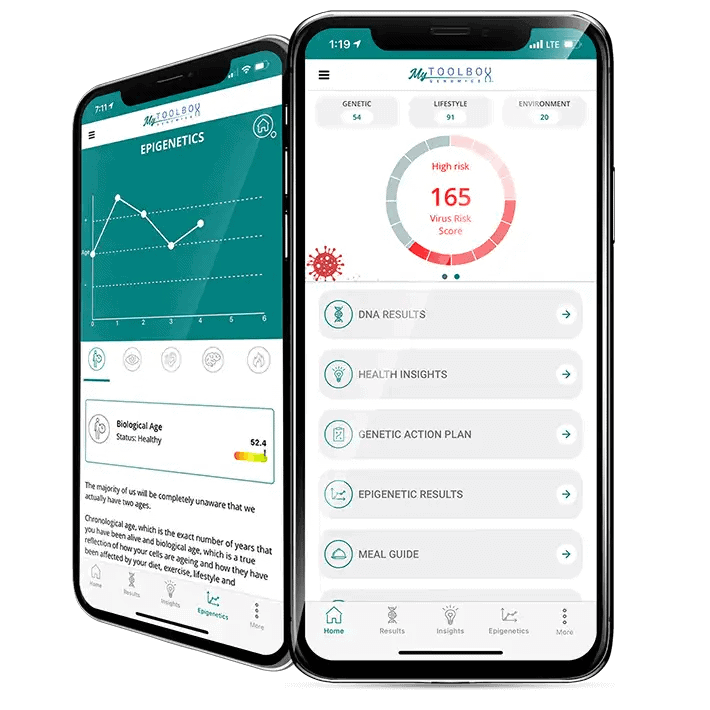
Toolbox Genomics hosts its Practitioners exclusive products under three categories: For Licensed Practitioners and Wellness Professionals, For Licensed Practitioners, and the Key Opinion Leader Panels.
Traits included
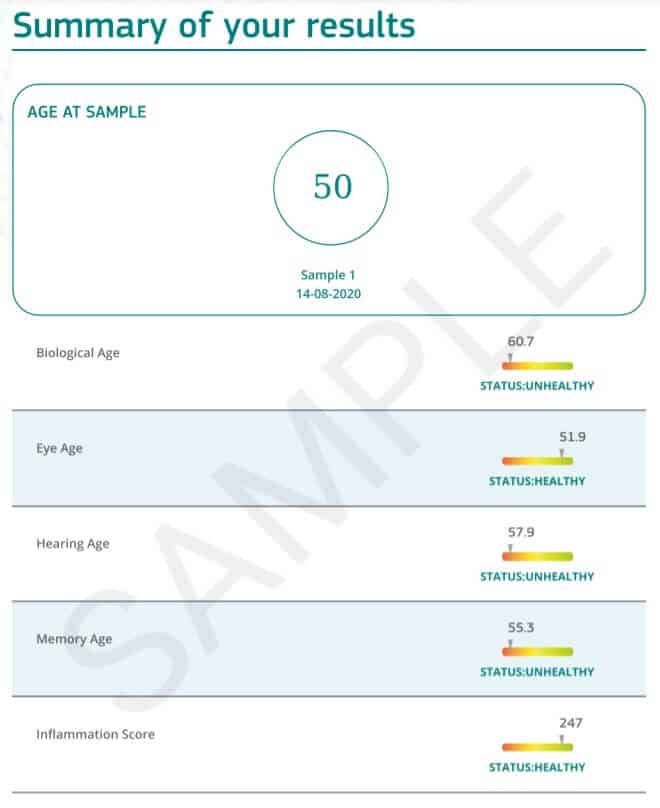
Image: Snippet from Toolbox genomics sample epigenetics report
Traits included
Image: Snippet from Toolbox genomics sample Respiratory Resilience report
Traits included
Image: Snippet from Toolbox genomics sample nutrition report
Xcode Life’s Gene Nutrition Report - 48 Traits, $40 - No DNA test required
Traits/Genes included
Image: Snippet from Toolbox genomics sample detox report
Traits included
Image: Snippet from Toolbox genomics sample endurance report
Traits included
Image: Snippet from Toolbox genomics sample health enrichment report
Xcode Life’s Gene Health Report - 55 Traits, $50 - No DNA test required
Traits include
Image: Snippet from Toolbox genomics sample hormone report
Traits include
Image: Snippet from Toolbox genomics sample weight management report
Image: Snippet from Toolbox genomics sample cardiometabolic report
Image: Snippet from Toolbox genomics sample cognitive report
Image: Snippet from Toolbox genomics sample energy/fatigue report
Image: Snippet from Toolbox genomics sample gastrointestinal report
Image: Snippet from Toolbox genomics sample immune report
Image: Snippet from Toolbox genomics sample musculoskeletal report
Image: Snippet from Toolbox genomics sample concussion report
These products have been developed for licensed practitioners bearing an MD, NP, DO, DC, NMD, PA, PharmD, RN, and Dietitians. Such individuals can avail themselves of the HCP products (test ordering for their clients) by producing their licensure while mentioning their state of practice.
These products are offered to dietitians, health coaches, trainers, nutritionists, RNs, and other wellness professionals.
Clients can order either a DNA or epigenetics test (or both), which involves sending a saliva sample or cheek swab sample to the company.
DNA Test Package
This includes :
Epigenetics Test Package
This includes:
Consumers can also ask for only the DNA raw data files by writing at info@toolboxgenomics.com.
Image: How to get started with Toolbox genomics
The DNA collection kit contains directions, a cheek swab, a DNA sample envelope, and a prepaid return envelope.
After successful registration, collect the sample and mail it to the company. Then, download the app and view the results.
Clients can expect their test results within six weeks. Although for an epigenetics test, results may take up to 6-8 weeks.
| Test | Pricing |
| DNA Test | $199 |
| Epigenetics Test | $273 |
| DNA + Epigenetics Test | $299 |
For more information, you can check out the pricing list.
Toolbox Genomics claims protecting the client's personal health information is among their top priorities and only helps guide their healthcare decisions. The company analyzes and interprets the client's genetic data to curate personalized recommendations. The company claims to keep this genetic information "anonymized and de-identified" for privacy protection.
On registration, Toolbox Genomics collects the client's name, DOB, email and shipping address, credit card information (for purchase purposes), ordering practitioner's license type and number, and consent to share data with the client's practitioner.
Additionally, upon registration, the company also asks for additional information in the form of a questionnaire which includes the client's own and familial medical history, nutrition regimes, and diet. However, answering this questionnaire is optional.
The clients can opt for deactivation of their accounts by mailing the company at info@toolboxgenomics.com.
According to the company, data protection measures include:
For detailed information, please read the privacy policy.
In June 2018, Toolbox Genomics partnered with the MedFit Education Foundation (MFEF) to educate fitness and healthcare professionals in translational genomics.
In Aug 2017, Toolbox Genomics made its app, My Toolbox Genomics, available in Sequencing.com’s app store.
Innerbody reviews Toolbox Genomics as a company whose clients take tests primarily due to their healthcare practitioners' recommendations.
dnatestingchoice.com ranks Toolbox Genomics as 4th in the Health Testing sector.
| Toolbox Genomics | Xcode Life | |
| Type of genetic testing | DNA kit | DNA raw data analysis |
| Ancestry reports | Not offered | Not offered |
| Health report | Offered | Offered |
| Pharmacogenomic report | Not offered | Offered |
| Raw data upload | Unavailable | DNA raw data from all major providers accepted. Comprehensive list |
| Number of traits analyzed | 150+ | 3000+ |
| Report updates | No | Yes |
| Price | DNA test: $199 Epigenetic test: $273 DNA + Epigenetic test: $299 | Reports: $30-$50 Bundles: $160-1$99 Price details No DNA test required |
| Sample reports | Available as PDF | Available as detailed report walkthrough videos |
Hydrocodone is an analgesic used to treat moderate to moderately severe pain.
It is a prescription medicine often given in combination with acetaminophen (a painkiller).
Hydrocodone is a semi-synthetic opiate manufactured based on opioid substances derived from the poppy plant.
Due to this reason, it has a structure similar to codeine and morphine.
Hydrocodone is available in oral formulations like tablets, capsules, and liquid solutions.
Hydrocodone also comes in an extended-release form prescribed to people requiring all-day pain relief.
The extended-release form of hydrocodone is taken only once a day.
Hydrocodone is metabolized (chemical alteration of the drug in the body) in the liver.
Though hydrocodone is a controlled substance available only by prescription, many people have abused the drug.
Snorting hydrocodone is the new way of abusing the drug and gives a faster high.
Snorting hydrocodone may worsen the side effects due to the drug.
It is possible to smoke hydrocodone.
Doing so causes small amounts of the drug to enter the nasal tissues and immediately affect the brain.
Smoking hydrocodone may cause side effects like agitation, dizziness, nausea, nervousness, and vomiting.
Both hydrocodone and oxycodone are equally effective in treating moderate to moderately severe acute and chronic pain.
The differences between the two drugs are minimal.
Your doctor will evaluate your medical history and prescribe the drug they think is the best for you.
Both tramadol and hydrocodone are prescription opiates used for pain relief.
While hydrocodone is semi-synthetic, tramadol is entirely synthetic.
Since hydrocodone is more potent(or stronger) than tramadol, hydrocodone is the preferred drug of choice in people with severe pain.
Hydrocodone is a semi-synthetic opiate that is manufactured from opioids like codeine.
So, hydrocodone does not contain codeine but is derived from it.
For this reason, hydrocodone is structurally similar to codeine.
Hydrocodone is a schedule II- semi-synthetic opioid drug used to treat moderate to moderately severe pain.
It is usually prescribed when non-opioid analgesics (pain-relieving drugs) are ineffective in relieving pain.
Hydrocodone is also the drug of choice in people who require all-day pain relief and cannot be treated using other medications.
Hydrocodone acts by modifying the way your body feels and responds to pain.
Apart from pain relief, hydrocodone is an antitussive (a medication that suppresses cough) and treats nonproductive cough in adults.
Hydrocodone binds to opioid receptors in the brain and reduces the sensation of pain by increasing your tolerance for it.
Also, this activity activates the opioid receptors in the brain and increases dopamine production (a neurotransmitter responsible for the feeling of reward).
If you take immediate-release hydrocodone, the effects of the drug begin to appear within 10 to 20 minutes.
The peak effects of hydrocodone usually occur around 30 to 60 minutes after taking medicine.
Like any other opioid drug, hydrocodone may cause side effects. The most common side effects are:
If you experience any of the following side effects on taking hydrocodone, report to your doctor immediately:
One of the many side effects of hydrocodone is drowsiness.
This increases when hydrocodone is combined with other opioid drugs, street drugs, or alcohol.
Hydrocodone interacts with some drugs and may cause adverse reactions of aggravated side effects.
Inform your doctor if you are taking medications for the following conditions:
Taking hydrocodone with CNS depressants like benzodiazepines, barbiturates, and other opioids may cause significant sedation and respiratory depression.
Similar effects may also be observed when consuming alcohol with hydrocodone.
If you are taking drugs that induce (like rifampicin, phenytoin, carbamazepine, etc.) or inhibit (such as cimetidine, fluoxetine, etc.) cytochrome enzymes, their dosage must be monitored by your doctor.
Taking these inducers or inhibitors may alter the concentration of hydrocodone in the blood, leading to either reduced effects of the drug or increased side effects.
Hydrocodone is commonly used in combination with acetaminophen (a non-opioid analgesic). However, their combination may interact with warfarin (a blood thinner) and increase the chances of bleeding.
Hydrocodone and ibuprofen are used together to relieve acute pain that is severe enough that an opioid is necessary.
It is also used when other medications are not effective or tolerated by the patient.
Gabapentin shows severe interaction with hydrocodone, resulting in severe side effects or adverse reactions.
For this reason, these drugs are not taken together.
Tramadol and hydrocodone are both opioid analgesics.
Taking these two drugs together may result in severe complications like seizures, respiratory depression, coma, and sometimes, even death.
Since both tramadol and hydrocodone are narcotics, taking them together also increases the risk of an overdose.
Benadryl is a cough reliever and contains diphenhydramine.
When taken with hydrocodone, Benadryl may increase side effects like dizziness, drowsiness, confusion, and difficulty concentrating.
In some older people, taking Benadryl with hydrocodone may cause impairment in thinking and motor coordination.
The opioid receptor mu 1 or OPRM1 gene provides instructions for making the mu-opioid receptor.
Many polymorphisms (or changes) in this gene have been extensively studied as risk factors for opioid addiction.
rs1799971 is a single nucleotide polymorphism or SNP in the OPRM1 gene.
Though this SNP is associated with alcoholism, it is also linked to side effects experienced by pregnant women on taking hydrocodone.
Pregnant women with AG and GG genotypes have an increased risk of constipation, respiratory insufficiency, dry mouth, and other side effects when treated with hydrocodone than those with the AA genotype.
Inform your doctor about your medical history before taking hydrocodone.
Some conditions that may increase your risk for severe side effects include:
Hydrocodone interacts with many medications, causing unwanted adverse reactions and complications.
So, it is best to inform your doctor about any medications, supplements, or herbal formulations you are taking before consuming hydrocodone.
If you are taking any of the following medications, inform your doctor about the same before taking hydrocodone:
Consuming alcohol or other habit-forming drugs like marijuana may increase your risk for serious side effects, many of which may be life-threatening.
Avoid drinking alcohol or taking any habit-forming drugs while taking hydrocodone.
Hydrocodone may harm the unborn fetus, and therefore, it is not recommended during pregnancy.
A doctor may prescribe this drug during pregnancy only after evaluating the risks and benefits of taking it.
Hydrocodone passes into breast milk and may have undesirable effects on your baby, such as drowsiness, depression of the central nervous system, and sometimes even death of the newborn.
For this reason, inform your doctor if you are pregnant or breastfeeding before taking hydrocodone.
Since hydrocodone may cause drowsiness or dizziness in some people, it is best not to drive after taking the drug.
If you are taking hydrocodone, it is recommended that you avoid drinking alcohol as it may aggravate the side effects of the drug, many of which can be life-threatening.
Veterinarians use hydrocodone in canines ( members of the dog family) to treat respiratory conditions like cough, bronchitis, bronchial compression, and a collapsed windpipe.
Genetic testing allows your doctor to determine the appropriate dosage of hydrocodone for you.
It also helps them understand how your body will react to hydrocodone based on your genetic constitution.
Analyze Your Genetic Response to Hydrocodone
Know Your Response To Drug Therapies Using Your 23andMe, AncestryDNA Raw Data!
Adiponectin is a protein hormone secreted primarily by adipocytes or fat cells. Adipocytes are found in the adipose tissue. Certain other cell types in the muscle and brain can also produce this hormone.
This hormone plays a role in the metabolism of lipids and glucose. Adiponectin also influences the body’s response to insulin and can reduce cholesterol buildup in the arteries and inflammation.
The reference range for adiponectin levels is based on the Body Mass Index.
1. BMI <25 - Males: 4-26 mcg/mL and females: 5-37 mcg/mL
2. BMI 25-30 - Males: 4-20 mcg/mL and females: 5-28 mcg/mL
3. BMI >30 - Males: 2-20 mcg/mL and females: 4-22 mcg/mL
Research shows that genetic changes can affect adiponectin levels. A few of the genes influencing adiponectin levels are described below.
The ADIPOQ gene carries instructions to produce the protein hormone, adiponectin. Variants or changes in this gene affect adiponectin levels.
rs17366568
rs17366568 is a single-nucleotide polymorphism or SNP found in the ADIPOQ gene.People with the A allele were found to have lower adiponectin levels.
rs6773957
rs6773957 is an SNP in the ADIPOQ gene. People with the G allele were found to have lower levels of adiponectin, and people with the A allele were found to have higher levels of adiponectin.
The PAPD4 gene carries instructions for the production of a protein known as PAP-Associated Domain-Containing Protein 4. This protein is an RNA polymerase.
rs13358260
rs13358260 is an SNP in the PAPD4 gene. The C allele is found to affect serum adiponectin levels.
The KCNK9 gene carries instructions for the production of a protein called TASK3. This protein is a potassium channel and is involved in the transport of potassium ions in and out of cells.
rs2468677
rs2468677 is an SNP in the KCNK9 gene. The G allele is found to affect serum adiponectin levels.
Gender
Serum adiponectin levels were found to be higher in females.
Health conditions
People with certain health conditions like obesity, diabetes, or higher risk of cardiovascular diseases are found to have lower levels of adiponectin.
Hypoadiponectinemia is a clinical term that refers to low levels of adiponectin in the body. Lower levels of adiponectin are found in people with obesity, insulin resistance, type 2 diabetes, and cardiovascular diseases.
Lower levels have also been found in people with Non-Alcoholic Fatty Liver Disease(NAFLD).
Studies show that lower levels of adiponectin are related to visceral fat accumulation.
Visceral fat is a type of fat found in the body. Also known as belly fat, it is stored in the abdominal region and around all the major organs like the liver, kidneys, intestines, pancreas, and heart. Accumulation of visceral fat can increase the risk of developing insulin resistance, diabetes, heart disease, low levels of HDL cholesterol (good cholesterol), high blood pressure, and even some cancers.
Studies show that higher levels of adiponectin have a protective effect and lower the risk of type 2 diabetes and heart disease.
Higher levels of adiponectin also promote the synthesis of good cholesterol, HDL cholesterol in the body.
Changing your diet to follow a healthy and balanced diet is a means of managing adiponectin levels.
- Monounsaturated fats such as fish oil, avocados, olive oil, omega-3 can boost adiponectin levels.
- Make sure you include enough sources of dietary fiber in your meal.
- People who regularly consume caffeine are found to have higher adiponectin levels.
- Curcumin, found in turmeric, can boost adiponectin levels.
- Moderate consumption of ethanol-containing beverages is found to increase adiponectin levels depending on the type of beverage and gender.
- Resveratrol, a compound found in grapes, stimulates the production of adiponectin.
- Zinc supplementation can also restore adiponectin levels to normal in patients with type 2 diabetes.
- A study shows that limiting consumption of carbohydrates to dinner time can increase adiponectin levels and lower the risk for diabetes and cardiovascular disease.
Adiponectin levels are determined using a blood test. Levels in the blood are measured using a method called ELISA (Enzyme-Linked Immunosorbent Assay). ELISA is a plate-based assay technique in which antibodies are usually used to detect the target molecule, such as proteins.
Your doctor may ask you to test for adiponectin levels as a biomarker for certain metabolic disorders like type 2 diabetes.
https://www.ncbi.nlm.nih.gov/pmc/articles/PMC5486142/
Lisinopril is a medication that treats high blood pressure and heart failure. It is used in adults and children aged six and above.
Lisinopril is an Angiotensin-Converting Enzyme (ACE) inhibitor.
ACE inhibitors reduce blood volume in the arteries and veins and relax blood vessels.
Lisinopril makes to the World Health Organization’s List of Essential Medicines for 2021.
It is available in brand names Zestril, Qbrelis, Prinivil, and Dapril.

Image: Action of ACE Inhibitors
Lisinopril is an ACE inhibitor and not a beta-blocker.
Both these medicines work differently in reducing blood pressure levels.
Lisinopril treats high blood pressure by relaxing the blood vessels and reducing blood flow volume.
Doctors may also use it along with other medications to treat heart failure.
In people with uncontrolled type II diabetes, lisinopril can also be used to prevent kidney conditions.
ACE inhibitors work by controlling the action of the Angiotensin-Converting Enzyme (ACE).
ACE converts a hormone called angiotensin I into another substance called angiotensin II.
Angiotensin II is a vasoconstrictor.
It leads to the constriction of the blood vessels, increasing blood pressure levels.
Lisinopril works by reducing angiotensin II levels and increasing the levels of bradykinin.
Bradykinins are small proteins that cause inflammation and help dilate the blood vessels.
The half-life of lisinopril is about 12.6 hours, and it can stay in the blood for an average of 46.7 hours before getting eliminated.
Some of the common side effects of lisinopril are:
Some of the more severe side effects of lisinopril are:
No, most ACE inhibitors don’t cause weight gain.
Some studies show that long-term use of ACE inhibitors may help reduce body weight.
Angioedema is a condition that causes swelling beneath the skin. Lisinopril may lead to angioedema, and in some cases, the side effects may be fatal.
If you experience shortness of breath or swelling in the tongue, face, lips, or any other part of the body after using the drug, rush to the nearest ER or dial 911.
Erectile Dysfunction is a rare side effect of lisinopril.
Studies show that when compared to other ACE inhibitors, lisinopril causes only a temporary decline in sexual desire.
Hyponatremia is a condition that causes low blood sodium levels. Lisinopril-induced hyponatremia may be a rare yet severe side-effect of this drug.
Lisinopril cough is a chronic condition that is one of this drug’s more common side effects.
Up to one-third of all people on ACE-inhibitor drugs may develop this condition.
What Does A Lisinopril Cough Sound Like?
A lisinopril-induced cough is dry, hacking, and has a barking sound to it.
It occurs consistently and continues for as long as you are on the drug.
Lisinopril may interact with other medications and lead to changes in drug efficacy or worsen the side effects.
Notify your doctor if you use the below drugs with lisinopril.
Amlodipine is a calcium-channel blocker used to treat high blood pressure and heart conditions.
According to studies, a combination of amlodipine and lisinopril can improve blood pressure reduction rate compared to using just one of these medicines.
Metoprolol is a beta-blocker and treats high blood pressure.
Combining lisinopril and metoprolol may lead to very low blood pressure levels and cause conditions like dizziness, weakness, and fainting episodes.
Make sure you talk to your doctor about the effect of this combination.
Metformin is a common drug to bring down blood sugar levels.
Combining lisinopril and metformin may increase the efficacy of metformin and cause abnormally low blood sugar levels.
Meloxicam is an NSAID used to treat pain and inflammation in people with arthritis.
Meloxicam can increase blood pressure levels and, as a result, decrease the efficacy of lisinopril.
If you are on NSAIDs, mention this to your doctor to plan the dose of blood pressure medications.
The angiotensinogen gene (AGT gene) provides instruction for making the angiotensinogen protein.
This protein controls fluid balance in the body and regulates blood pressure levels.
rs11122576 is a Single Nucleotide Polymorphism (SNP) in the AGT gene.
Compared to patients treated with amlodipine (a calcium channel blocker drug), patients of the CC and CT genotypes of this SNP treated with lisinopril have an increased risk of developing coronary diseases.
| Genotype | Implications |
| CC | Increased risk of coronary disease when treated with lisinopril |
| CT | Increased risk of coronary disease when treated with lisinopril |
| TT | No such relationship found |
Lisinopril may increase the risk of developing angioedema (swelling underneath the skin).
If you have a history of allergies, mention this to your doctor before using lisinopril.
The drug may worsen swelling and breathing difficulties.
The side effects of lisinopril may be severe in the elderly, especially in large doses.
Studies show that 5 mg was a safe dose to start with in geriatric patients.
The value can be slowly increased to up to 40 mg, depending on individual cases.
Most ACE inhibitors are risky to be used during pregnancy, especially during the second and third trimesters.
Lisinopril may cause kidney damage in the fetus.
Recent studies show that using the drug may not be safe even during the first trimester.
A study was conducted on 29,507 children born between 1985 and 2000 to study the effects of ACE inhibitors.
Out of these, mothers of 209 infants had used ACE inhibitors in the first trimester, and mothers of 202 infants were exposed to other antihypertensive drugs.
The remaining mothers did not use any hypertension medication.
The study reports that usage of ACE inhibitors caused an increased risk of congenital malformations in the heart and Central Nervous System (CNS) in infants.
Lisinopril is more favorable than other ACE inhibitors because it does not have an active metabolite and has a shorter half-life.
However, there is no clear evidence of how much lisinopril may get passed on in breast milk.
If you are on the drug and are nursing, talk to your doctor and weigh the risks and benefits before making a decision.
Some of the side effects of lisinopril, like vomiting, sweating, and frequent urination, can increase the risk of dehydration and electrolyte imbalance.
A minor electrolyte imbalance may be corrected by diet changes.
Lisinopril may lead to excess water loss from the body by making you urinate more.
Therefore, it is recommended you increase your water intake while on lisinopril.
Alcohol may cause changes in blood pressure levels and dizziness.
As a result, it may worsen the side effects of lisinopril.
Talk to your doctor to understand safe alcohol doses while on this drug.
Genetic testing can help understand how effective lisinopril will be in reducing blood pressure levels in individual patients.
It can also predict the risk of side effects and help take preventive actions if needed.
Analyze Your Genetic Response to Lisinopril
https://www.drugs.com/lisinopril.html
https://www.nhs.uk/medicines/lisinopril/about-lisinopril/
https://medlineplus.gov/druginfo/meds/a692051.html
https://www.webmd.com/drugs/2/drug-6873-9371/lisinopril-oral/lisinopril-oral/details
https://pubchem.ncbi.nlm.nih.gov/compound/Lisinopril#section=Human-Metabolite-Information
https://www.who.int/publications/i/item/WHO-MHP-HPS-EML-2021.02
https://www.ncbi.nlm.nih.gov/pmc/articles/PMC6368929/
https://www.drugs.com/drug-interactions/lisinopril-with-metformin-1476-0-1573-0.html
https://www.aarp.org/health/drugs-supplements/info-02-2013/chronic-cough-ace-inhibitors.html
https://pubmed.ncbi.nlm.nih.gov/8282350/
https://wa.kaiserpermanente.org/kbase/topic.jhtml?docId=d00732a1
https://medlineplus.gov/genetics/gene/agt/
Know Your Response To Drug Therapies Using Your 23andMe, AncestryDNA Raw Data!
Body mass index or (BMI) is an indicator of your body fat, which is calculated based on your height and weight.
This number is used to classify individuals into different groups – optimum weight, underweight, overweight, or obese.
BMI can be used as a screening test rather than a diagnostic test.
Several factors, such as age, sex, disease, genetics, and lifestyle, affect BMI measurements, and thus, normative standards must be applied for specific groups and individuals.
Both high and low BMI can cause health issues. BMI has proven to be a very useful tool to screen for weight problems in both adults and children. However, it does come with a few caveats:
1. BMI does not furnish information such as the mass of fat in different regions of the body.
2. BMI tends to overestimate the amount of body fat in people who are very muscular - that is, it does not differentiate between lean body mass and body fat mass.
3. BMI may also underestimate the amount of body fat in older adults and other people who have lost muscle mass.
To calculate the BMI using the metric system, you need to divide your weight (in kilograms) by the square of your height (in meters):
WEIGHT(Kg) / [HEIGHT(meters)]^2
Since height is usually measured in centimeters, the formula can be written as:
[WEIGHT(Kg) / HEIGHT (cm)/ HEIGHT(cm)] x 10,000
To calculate the BMI in the English system, the formula is:
WEIGHT(lb) / [HEIGHT(in)]^2 x 703
Before the BMI calculation, the weight needs to be converted into decimal values in case it is given in terms of ounces.
In order to calculate an individual’s BMI, his/her weight(in kgs) must be divided by the square of his/her height(in meters).
Based on the above-mentioned calculation, individuals are categorized as:
- <18.5: Underweight
- 18.5 to 25: Normal
- 25 to 30: Overweight
- 30 or higher: Obese
Based on BMI, obese individuals are further classified as:
- 30 to 35: Mild obesity
- 35 to 40: Moderate obesity
- 40 or higher: Extreme or severe obesity
Unlike in the case of adults, BMI measurements during childhood and adolescence take age and sex into consideration. The BMI is calculated the same way by measuring height and weight. This is then plotted on a sex and age-specific chart. This will indicate whether the child’s weight is within a healthy range.
- Below the 5th percentile: Underweight
- 5th percentile to less than the 85th percentile: Healthy weight
- 85th to less than the 95th percentile: Overweight
- Equal to or greater than the 95th percentile: Obesity
FTO or Fat mass and obesity-associated gene, as the name suggests, is linked to body weight. It contains instructions for producing a protein known as alpha-ketoglutarate-dependent dioxygenase FTO.
The FTO gene is one of the most researched genes for obesity.
rs9939609
rs9939609 is an SNP in the FTO gene. It has been linked to an increase in total body fat levels. According to a study conducted, the presence of the AA allele in this SNP has been shown to contribute to obesity and increased BMI, irrespective of how the adipose (fat) tissue distribution is.
Factors influencing an individual’s BMI, like insulin sensitivity and plasma cholesterol levels, are also associated with the SNP rs9939609.
The BDNF gene contains instructions to produce the protein by Brain-Derived Neurotrophic Factor. This protein is found in the brain and spinal cord. It is especially found in the regions of the brain that control eating, drinking, and body weight. Hence, this protein influences all of these functions.
rs6252
rs6265, also known as Val66Met, is a Single Nucleotide Polymorphism (SNP) in the BDNF gene. A study carried out a detailed examination of eating behavior in persons with different Val66Met types (Val-Val or GG, Val-Met or AG, and Met-Met or AA). It was discovered that people who have the Met-Met (AA) type had a lower BMI than those with the Val-Met (AG) or the Val-Val (GG) genotype.
Certain factors can predispose you to a higher BMI. The good news is that most of these factors are modifiable and can be worked around to achieve the ideal BMI.
Adults who have a normal BMI often start to gain weight in young adulthood and continue to gain weight until they are ages 60 to 65. In addition, children who have obesity are more likely to have obesity as adults.
Women are likely to accumulate fat near their hips and buttock areas. Men build up fat around their abdomen (belly) region.
Women tend to build up fat in their hips and buttocks. Extra fat, particularly if it is around the abdomen, may put people at risk of health problems even if they have a normal weight.
In American adults, the prevalence of obesity is the highest in African Americans, followed by Hispanics/Latinos, then Caucasians. This is true for men and women.
Needless to say, dietary habits influence your body weight. High-calorie and high-sugar foods increase your risk for overweight and obesity.
Other factors that influence your BMI include your levels of physical activity, your work environment, and your family habits and culture.
High BMI and obesity can increase the risk of many chronic health conditions, including:
- High blood pressure
- Type 2 diabetes
- Liver disease
- Osteoarthritis
- Cardiovascular disease
- Musculoskeletal problems
Being underweight and have insufficient fat in your body can also lead to health complications like:
- Anemia
- Malnutrition
- Bone loss and osteoporosis
- Decreased immune function
One of the prime reasons for this is that BMI doesn’t differentiate between muscle and fat.
It may not be accurate, especially if you are in one of the following groups:
Athletes: Athletes tend to have higher bone mass and lean muscle mass. As a result, they may have higher BMI.
But this increased lean muscle mass can actually be healthy as it helps boost metabolism and prevent heart diseases and diabetes.
Pregnant or breastfeeding women: Most of the weight gain during pregnancy is to provide nourishment for the growing fetus and is usually not an indication of bad health or obesity.
Older people: In people who are 65 or older, a BMI of less than 23 is associated with health risks. The ideal BMI for this age group is considered to be 27.
Alternative Ways To Measure Body Fat
- Waist circumference
- Waist to height ratio
- Body fat percentage
- Waist to hip ratio
https://pubmed.ncbi.nlm.nih.gov/29466028/
https://medlineplus.gov/genetics/gene/bdnf/
https://pubmed.ncbi.nlm.nih.gov/16707914/
https://pubmed.ncbi.nlm.nih.gov/27272580/
https://pubmed.ncbi.nlm.nih.gov/22805182/
https://www.ncbi.nlm.nih.gov/pmc/articles/PMC3661116/
https://pdfs.semanticscholar.org/449a/cc928759c8dab3abbed7d227dfbb4836ef43.pdf