A snack is defined as any food or beverages you consume in between your regular meals. Snacking helps bridge the hunger gap between two meals. It helps curb your appetite and control your meal portion sizes. Hunger is usually the major motivation behind snacking.
Snacks don’t only refer to processed, high-calorie, unhealthy items like fried chips. Snacks also include healthy choices like fruits or nuts.
However, the wrong snack choices or snacking too frequently can lead to overconsumption of calories during the day. This could lead to weight gain. Fiber-rich snacks twice or thrice a day are ideal. Foods rich in fat, sugar, and salt can lead to health problems like obesity if consumed regularly.
Healthy snack choices can aid in weight loss and maintain your overall health. It can also help keep you full and limit your cravings for unhealthy food items.
Snacks are commonly very energy-dense and contain empty calories. Processed, high-sugar snack items result in a weak satiety response. They may satisfy you temporarily and provide energy. This effect is short-lived, and you may end up feeling hungry and snack again in an hour or two. This frequent snacking can lead to excess daily energy and calorie intake, which can be unhealthy.
Snacking can be good in some cases to prevent hunger in people who tend to overeat when they skip meals. Snacking is a personal choice. Healthy snacks can make you feel satisfied and full, more than unhealthy choices.
The MC4R gene carries instructions for the production of melanocortin 4 receptor. This receptor is responsible for sending signals that make you stop eating after you eat a full meal and your stomach is full. When you’re hungry, this receptor is inhibited, and this leads to an increase in appetite. Changes in this gene are found to be associated with snacking.
rs17782313
rs17782313is a single nucleotide polymorphism or SNP in the MC4R gene. Individuals carrying the C allele were found to have a tendency to snack more. They are also likely to have a higher intake of total energy and dietary fat and higher BMI.
Although hunger is the main motivation to snack, other factors that influence snacking include location, food availability, social environment, and time of day, and distracted eating.
- Hunger is the main motivation to snack. When you go without eating proper meals for a long time, snacks help satisfy that feeling of hunger till you eat your next meal.
- Location can affect the type and portion size of food. A study done to assess the effect of snacking on location found that snacks eaten in the workplace were more nutritious and less energy-dense with low sugar content compared to snacks eaten at home, at restaurants, or while traveling.
- The amount of food consumed by the people you are eating with can affect your consumption of food too. If your eating companion eats a larger portion of food, you tend to eat more also.
- Even in the absence of hunger, people tend to snack more if there is some appetizing food in front of them readily available.
- What you’re doing while eating also matters. People, especially young adults who watch TVor play videogameswhile eating meals have a tendency to snack more.
While snacking is a personal choice and can be both advantageous and disadvantageous, healthy snacking is better than eating large amounts of processed food high in sugar and calories. There are several healthy snack options that you can switch to. Healthy snack choices can make you feel full and satisfied for a longer period of time. Some of the healthy snack options are
- Mixed nuts
- Fruit and vegetable slices
- Dark chocolate
- Chia seeds, flax seeds, sunflower seeds
- Hard-boiled eggs
- Cottage cheese
A good source of protein and fiber can fill you up and prevent hunger.
Choose snacks that do not contain too many calories and include a good amount of protein. The frequency of snacking also matters. If you’re a very active person, you may snack 2-3 times a day. For people following a sedentary lifestyle, a reduced amount of snacking is a better option.
Choose the right snacks to help maintain your health and prevent unwanted weight gain and overeating.
https://pubmed.ncbi.nlm.nih.gov/19153581/
https://www.healthline.com/nutrition/snacking-good-or-bad
https://www.ncbi.nlm.nih.gov/pmc/articles/PMC4863261/
https://www.sciencedaily.com/releases/2020/01/200103111717.htm
https://nutrition.org/healthy-snacking/
https://www.healthline.com/nutrition/29-healthy-snacks-for-weight-loss
WeGene is a genetic testing company founded by current CEO Zheng Qiang in 2014. Located in Shenzhen, China, the company focuses on building an East Asian genetic database. The company aims to provide more accurate ancestry results for customers of Southeast and East Asian descent. Overall, the company offers results inclusive of all 56 Chinese ethnic groups, apart from other East Asian populations.
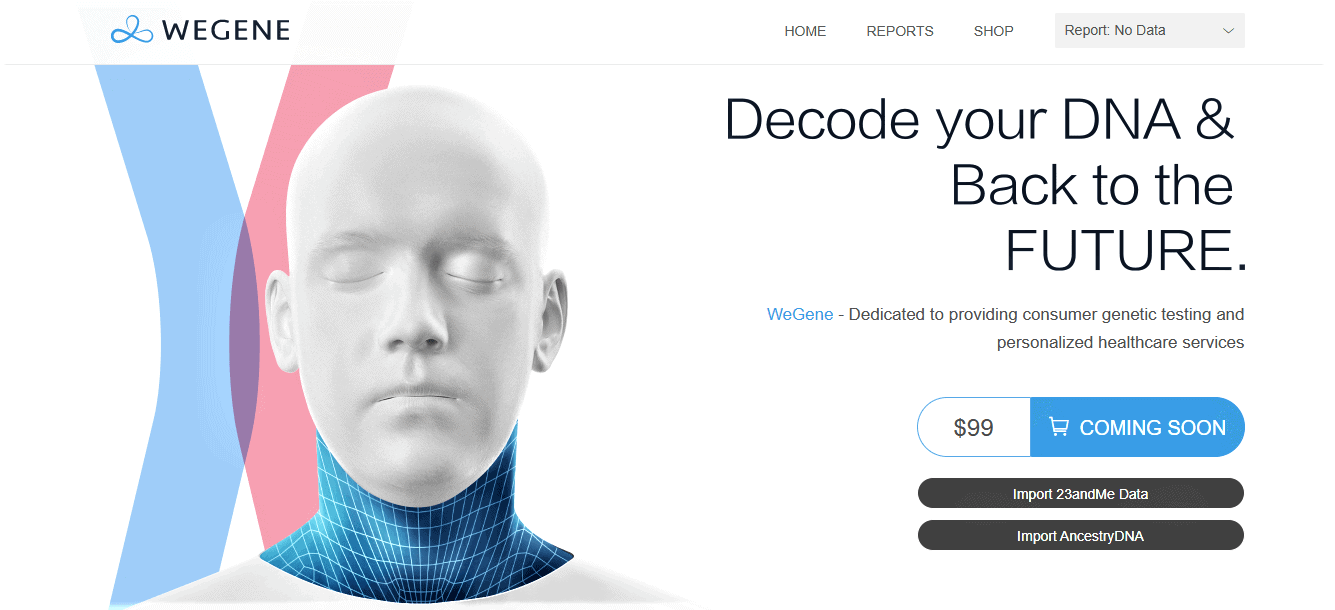
Source: WeGene website
WeGene has two websites - one for its international users and another for its Chinese users.
Users can get started by registering with WeGene. Once the registration is done, a login portal will be available to access the account. The users can import their raw DNA data from AncestryDNA and 23andMe to their accounts.
The data import feature was free till April 21, 2021. Now, it has been upgraded to a premium service that is available only in Chinese.
After uploading the data, users can get reports with ancestry (focused mainly on Asian descent) and health insights.
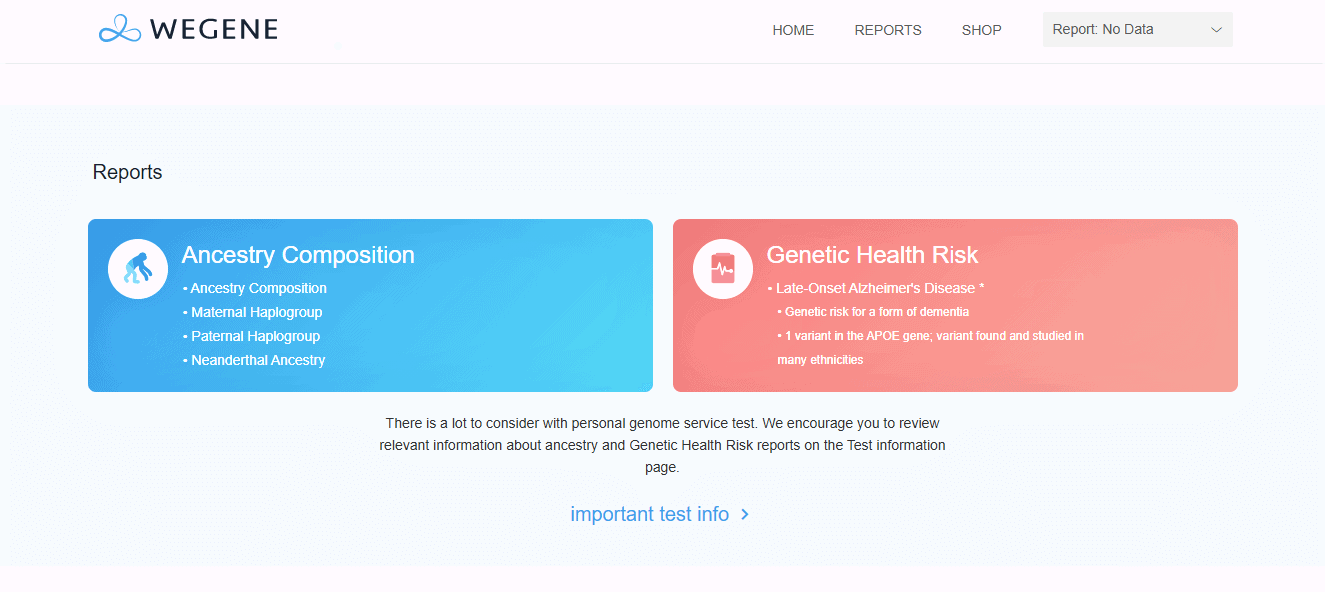
Source: WeGene website
On the Chinese (main) website, in addition to importing DNA data from other websites, users can also send in their saliva for a DNA test.
The following DNA tests are available on the main website.
This test is priced at 599¥ or ~92 USD. According to the website, this test "adopts the CGA scientific research-grade gene chip independently developed and designed specifically for the Chinese population." The saliva collection tube is also FDA-certified.
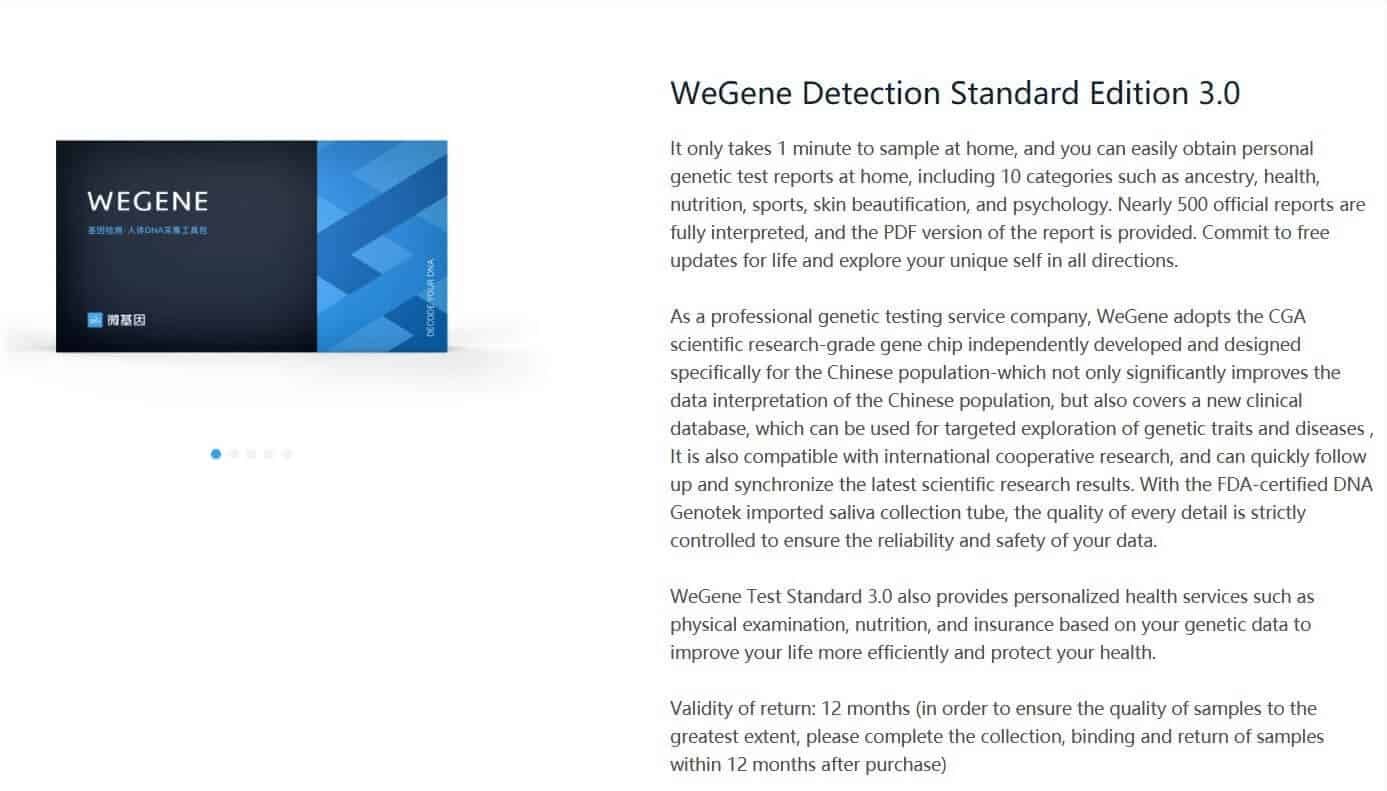
Source: WeGene website
This test is carried out by a high-throughput sequencer independently developed by BGI. The test is priced at 2499¥or ~386 USD
This test is also carried out by a high-throughput sequencer independently developed by BGI. The test is priced at¥3999.00 or 566 USD.
The WeGene international website provides only two reports in exchange for your 23andMe/ANcestryDNA raw data file.
This report helps users understand their genealogy. It provides precise geographic details and the population group with shared common ancestors. It includes both paternal and maternal lineages. It also provides insights into neanderthal ancestry.
Source: WeGene website
The report provides insights into genetic variants associated with increased risk of disease. The report also includes actionable insights based on their results. Furthermore, users can choose whether or not to receive health reports about certain diseases.
The WeGene main website offers a report with nine sections, no matter what kit you purchase.
The report analyzes 42 ethnic groups. They also report the paternal and maternal haplogroups.
The report predicts the users' basal metabolic rate. It also analyzes genes that are associated with food sensitivity, physical characteristics like endurance, weight characteristics, injury risk, and exercise response.
The other 7 health reports also follow the same format as the Sports Gene report:
You can check out all the sample reports here.
For users who purchase the whole genome sequencing option, there is an additional "whole-genome report."
This option lets the users upload their physical examination reports to compare them to their genetic predisposition, find items requiring close attention, and make improvements through lifestyle changes.
WeGene lets its users download their DNA data at any time. WeGene also goes the extra mile to provide the raw data in additional formats like 23andMe and AncestryDNA.
The company will be soon rolling out a DNA test for users outside China for $99.
| Test | Price |
| WeGene Detection Standard Edition 3. | 599¥ |
| WeGene Whole Genome Sequencing Youth Edition | 2499¥ |
| WeGene Whole Genome Sequencing Elite Edition | 3999¥ |
WeGene user privacy seems weak. They emphasize users go over the privacy policy before agreeing to the terms and conditions of use.
The company collects customers' personal information like name, email, and contact number during registration. It also collects health information, personal genome information, ancestry information to optimize the WeGene product experience.
WeGene will share user data without authorization during incidents associated with national security, public safety, criminal investigations, research, etc.
The company may access user information from a third-party provider.
For further information, read WeGene Privacy Policy.
Chinese genomics firm WeGene plans to go international and expand research
China embraces a revolution in genetic testing
DNA tests help young Chinese retrace ancient steps by using commercial genetic testing firms to determine their ancestry
WeGene signed a collaboration with the Hong Kong University of Science and Technology to promote genomics and artificial intelligence development.
WeGene Review on Top10 DNA tests
WeGene customer reviews on Reddit and Amazon.
| WeGene | Xcode Life | |
| Type of genetic testing | Raw data analysisDNA Kit - Only for Chinese Users | DNA raw data analysis |
| Ancestry reports | Offered | Not offered |
| Health reports | Offered | Offered |
| Pharmacogenomic reports | Offered | Offered |
| Raw data upload | Only from 23andMe and AncestryDNA | DNA raw data from all major providers accepted. Comprehensive list |
| Number of reports | 9 | 10 |
| Price | Price point ranges from $929 to $566 | Reports: $30-$50 Bundles: $160-$199 Price details |
| Sample reports | Available on the website | Available as detailed report walkthrough videos |
Aspirin is a common, non-prescription drug used to relieve pains, aches, and fever.
Some people also use aspirin as an anti-inflammatory drug and a blood thinner.
The generic name for aspirin is acetylsalicylate, and this compound is found in willow trees and myrtle plants.
Aspirin is usually available in the oral form but may also be available with other medications like antacids, pain killers, and cold and cough medicines.
Non-prescription aspirin is available as a regular tablet, a delayed-release tablet, a chewable tablet, powder, and gum to be taken orally.
Non-prescription aspirin is usually recommended to be taken every four to six hours for fever and pain and once a day if you take the drug to reduce the risk of heart attack or stroke.
Prescription aspirin comes in extended-release or long-acting tablets and is recommended to be taken two or more times a day.
Due to the risks associated with taking the drug, you must always take aspirin exactly as directed by your physician.
Aspirin is a nonsteroidal anti-inflammatory drug or NSAID and was the first drug of this class to be discovered.
It reduces the number of prostaglandins (compounds made in response to tissue damage or infection) produced by the body and thereby relieves pain.
Other NSAIDs include ibuprofen, naproxen, etc.
Baby aspirin refers to the lowered dose of the drug used in children.
A single pill of baby aspirin contains 81 milligrams of the drug and is one-fourth of the amount found in adult aspirin, which is 325 milligrams.
According to a new study published in the USA, baby aspirin dosage may be the best for heart health.
According to the latest guidelines on the use of baby aspirin for heart health, a thorough evaluation of your health and benefits vs. the risk of taking the drug must be performed by an expert before prescribing it.
Due to its analgesic, anti-inflammatory, and antipyretic (fever lowering) properties, aspirin has a wide range of uses:
Aspirin is used to relieve mild and moderate pain, aches, and swelling that are commonly seen in conditions like:
Aspirin is also routinely used in low doses to lower the risk of blood clot formation and prevent cardiovascular diseases in a few people who:
It is important to note that taking aspirin long-term can be harmful in people other than those who fall in the aforementioned groups.
Aspirin may be prescribed to individuals who have suffered a stroke, heart attack, or any other cardiovascular event to prevent clot formation. It may be recommended to some individuals who have:
In addition to the uses of aspirin mentioned above, the drug may also be used to treat the following conditions:
Low-dose aspirin is also recommended in people with:
You feel pain when your nerves send an electrical signal to your brain. The damaged or injured tissues release chemicals called prostaglandins.
You feel pain when your nerves send an electrical signal to your brain.
Prostaglandins further intensify the electrical signal coming from the nerves, which increases the pain you feel.
Aspirin modifies an enzyme called COX or cyclooxygenase which is required to produce prostaglandins.
When the structure of the COX enzyme is changed, it results in the blocking of prostaglandins producing, thereby relieving pain and inflammation.

Image: Pain relieving mechanism of Aspirin
Low doses of aspirin are used as a blood thinner to prevent stroke and heart attacks in people at high risk of experiencing these events.
Aspirin makes blood less sticky and reduces its clotting ability when given in low doses.
Aspirin as a blood thinner is prescribed to individuals who have recently undergone heart surgery or have had chest pain due to heart disease, etc.
Low doses of aspirin are also used as a blood thinner in children with Kawasaki disease (a rare illness that may require heart surgery).
Before taking low doses of aspirin, inform your doctor if you have any of the following conditions to avoid any adverse effects:
Most NSAIDs are known to increase blood pressure and reduce the effect of anti-hypertensive drugs.
However, studies have shown that low doses of aspirin may lower blood pressure and can be used to prevent hypertension.
A Spanish study showed that taking low doses of aspirin at night lowered blood pressure in prehypertensive patients.
Pregnant women at a high risk of developing preeclampsia may be prescribed low doses of aspirin at bedtime to reduce blood pressure.
Seeing your canine friend in pain can be difficult if you are a dog owner.
Many dog owners reach out for the aspirin in their drug cabinet for relieving their dog’s pain.
However, never give your dog aspirin without a vet’s prescription.
Though veterinarians prescribe aspirin to dogs in pain, they do so only for certain conditions like osteoarthritis or to relieve musculoskeletal inflammation.
Aspirin in greater quantities may be toxic to your dog or cause severe side effects in them.
Though aspirin is readily available as an over-the-counter medicine and is largely safe, it may cause side effects in some people.
Some common side effects of aspirin are:
Some less common or rare side effects of aspirin include:
If you experience any of the following serious side effects of aspirin, discontinue it and call your doctor immediately:
Some severe side effects of aspirin are bleeding in the brain and stomach and kidney failure.
Once aspirin reaches the stomach, it is rapidly absorbed there and in the intestine.
Around 75% of the drug is eliminated via the urine.
The usual effect of aspirin lasts about 4-6 hours, but the platelet inhibitory effect (or blood-thinning effect) may last up to 10 days.
Taking excessive amounts of aspirin long-term can damage your kidneys.
According to the National Kidney Foundation, around 3% to 5% of new chronic kidney failure cases are due to excessive usage of painkillers like aspirin.
Taking aspirin or other pain killers worsens kidney damage.
Kidney damage due to pain killers can be due to reduced blood flow to the kidney.
Aspirin helps prevent blood clotting, which is a major cause of cardiac events, heart attacks, and strokes.
Therefore, lower doses of aspirin are prescribed to people at a high risk of developing heart attacks and stroke.
Aspirin may interact with other medications when taken together.
So, you must inform your doctor about the current medications that you are taking.
Some significant drug interactions of Aspirin are:
Taking aspirin with other NSAIDs like ibuprofen, naproxen, or diclofenac may increase the risk of stomach bleeding.
Therefore, always speak to your doctor before taking these drug combinations.
Both aspirin and ibuprofen are NSAIDs that are used to treat mild to moderate pain.
But, you should not take them together as it increases the risk of stomach bleeding, hearing problems, and allergic reactions.
Consuming aspirin with drugs like citalopram, fluoxetine, paroxetine, or venlafaxine, can increase the risk of bleeding.
Warfarin is a blood thinner, just like aspirin.
When these two drugs are taken together, it enhances the anticoagulant effect on the body and significantly increases the risk of bleeding.
Methotrexate is used in the treatment of cancer and some autoimmune diseases.
If you are taking methotrexate, taking aspirin can make eliminating methotrexate difficult, thereby increasing its levels in the body.
This accumulation of methotrexate may cause harmful effects.
The PPARG gene gives instructions for producing peroxisome proliferator-activated receptor subfamily of nuclear receptors.
A type of these receptors called the gamma variant plays a role in conditions like obesity, diabetes, atherosclerosis, and cancer.
Studies have shown that a single nucleotide polymorphism or SNP, rs3856806, in the PPARG gene plays a role in developing aspirin-intolerant asthma.
People with the TT type of this SNP have an increased risk for aspirin hypersensitivity than those with the CT and the CC types.
The PEAR1 gene gives instructions for the production of platelet endothelial aggregation receptor 1 .
This receptor plays a role in platelet aggregation, which leads to blood clotting.
rs12041331 is an SNP in the PEAR1 gene.
When treated with aspirin, people with the AA type of this SNP were more likely to experience a cardiovascular event like heart attack, stroke, or death than those with AG and GG alleles.
Inform your doctor about your medical history and any conditions like heartburn, stomach pain, bleeding problems like hemophilia, kidney or liver disease, as these conditions may get aggravated on taking aspirin.
Suppose you have had an allergic reaction to aspirin, any other medication used to reduce fever and pain, or tartrazine dye, you must inform your doctor before taking aspirin.
Additionally, if you have a history of asthma, frequent stuffy or runny nose, or nasal polyps, you may be at a high risk of developing an allergy to aspirin.
Inform your doctor if you are pregnant, plan to conceive soon, or breastfeed.
Pregnant women are not recommended to take aspirin over 81 mg around or after 21 weeks of pregnancy and never without a doctor’s prescription.
In some women, a low dose of aspirin may be prescribed to prevent complications of hypertension.
Aspirin is excreted into breast milk and may cause adverse effects in your baby. So, you must inform your doctor if you are breastfeeding before taking aspirin.
If you consume alcohol (more than three drinks a day), inform your doctor about the same before taking aspirin or other pain and fever-relieving medicines.
Genetic testing helps your doctor determine your risks after taking aspirin and if you are susceptible to cardiovascular events like stroke, heart attacks, etc.
Analyze Your Genetic Response to Aspirin
The recommended dosage of aspirin varies based on the need, from 50 mg to 6000 mg per day.
You should always take aspirin with food.
| Condition | Dosage |
| Mild to moderate pains and aches | 350 mg to 650 mg every 4 hours or 500 mg every 6 hours |
| Rheumatoid arthritis | 500 mg every 4-6 hours; 650 mg every 4 hours; 100 mg every 4-6 hours; 1950 mg twice a day |
| To prevent heart attacks in high-risk individuals | 75-325mg/day |
| Heart attack symptoms | 160 to 325 mg non-enteric coated aspirin |
| Stroke prevention | 75-100mg/day |
*The dosage recommendations are for informational purposes only. Please consult with your physician for the appropriate drug dosage.
The following people should avoid aspirin:
Know Your Response To Drug Therapies Using Your 23andMe, AncestryDNA Raw Data!
Amodiaquine is an antimalarial and anti-inflammatory drug used in the treatment of malaria. Amodiaquine is an active form of 4-aminoquinoline.
4-aminoquinoline is a type of quinoline (an aromatic organic compound) with an amino group in the fourth position.
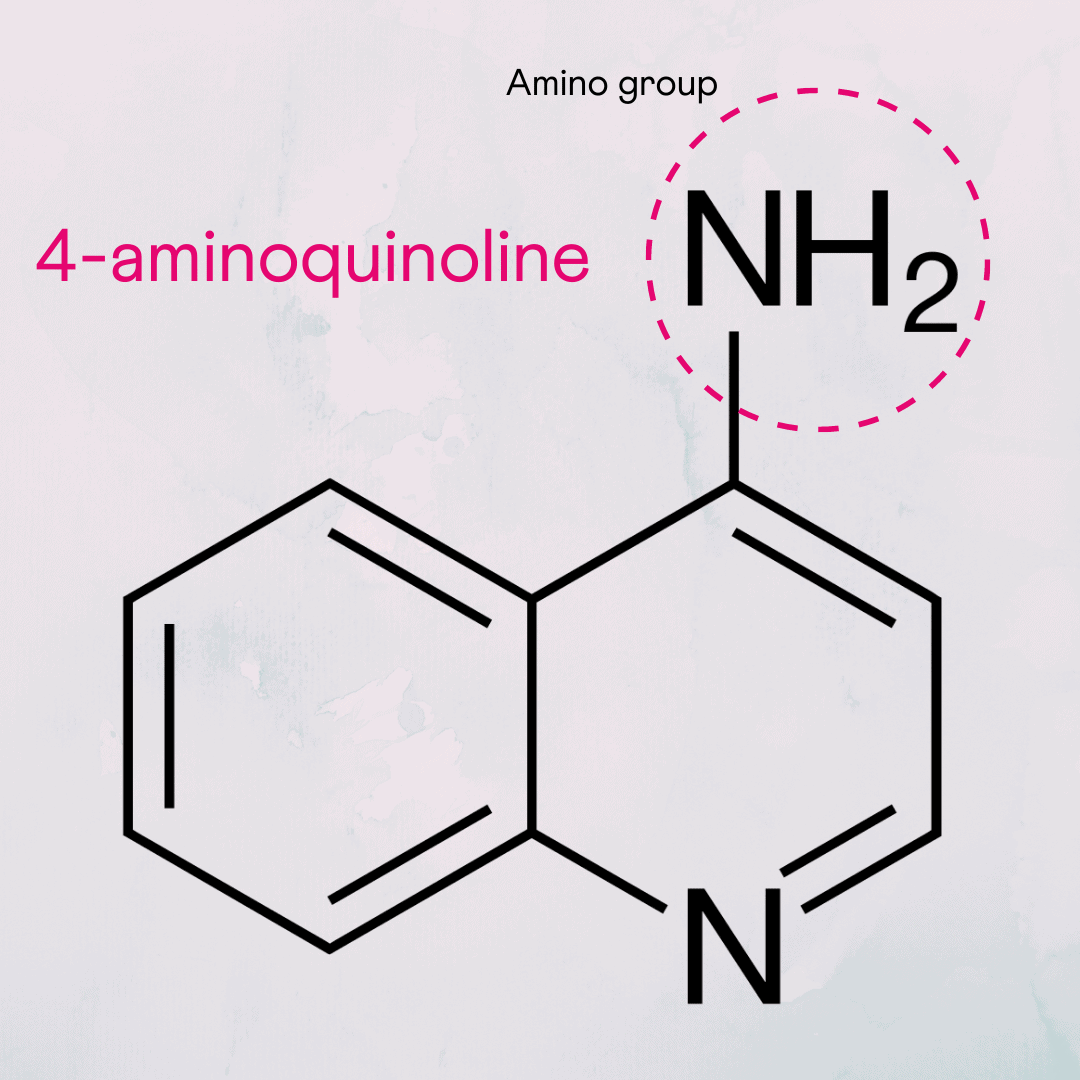
Image: Chemical structure of 4-aminoquinoline
Different forms of 4-aminoquinoline are used to treat various infections.
According to the World Health Organization (WHO), there were 229 million cases of malaria recorded globally, and 67% of these cases were identified in children aged less than five.
Amodiaquine is the most commonly prescribed antimalarial drug (prescribed 90% of the time).
It is added to WHO’s List of Essential Medicines list and is sold under the brand names Camoquin and Flavoquine.
The malarial parasite needs heme for its growth. Heme is an essential iron-containing molecule produced in the liver and bone marrow.
It helps attach oxygen to the bloodstream. Hemoglobin is a combination of heme and globin proteins.
The malarial parasites obtain heme from the infected person’s hemoglobin and convert it into a non-toxic form called hemozoin.
This is to prevent free heme toxicity that can kill the parasites.
Amodiaquine works by attaching itself to the free hemes in the body and preventing the malarial parasites from converting heme to hemozoin.
The increased number of free heme content kills the parasites.
Some of the common side effects of amodiaquine are:
Some of the more severe side effects of amodiaquine are:
Very rarely, amodiaquine may lead to liver toxicity, liver injury, and liver damage.
About 1% of the population may experience liver damage, so amodiaquine is only used to treat malaria and not to prevent it.
It is also primarily available only in Africa, not the United States.
Another rare side effect of amodiaquine is hematological toxicity.
This condition causes a decrease in bone marrow and blood cell production, increasing the risk of anemia, infections, or bleeding.
Amodiaquine may interact with other medications and lead to changes in drug efficacies or severe side effects.
Therefore, notify your doctor if you use any of the following drugs:
The CYP2C8 gene provides instructions for producing the Cytochrome P450 family 2 subfamily C member 8 enzyme.
The CYP2C8 enzyme metabolizes various fatty acids and clinical drugs, including amodiaquine.
This enzyme converts amodiaquine into another form called N-desethylamodiaquine.
N-desethylamodiaquine is the primary metabolite of amodiaquine.
A metabolite is an intermediary substance produced as a result of metabolism.
Certain changes in the CYP2C8 gene affect the CYP2C8 enzyme levels and may increase or decrease the rate of amodiaquine metabolism.
A haplotype is a group of gene changes that are inherited together. *2 is the star allele of the CYP2C8*2 haplotype.
Star alleles are a way of naming haplotypes.
CYP2C8*2 is most commonly found in the African population and is associated with reduced metabolism of amodiaquine.
People with the CYP2C8*2 haplotype had a 6-fold lower drug clearance rate from the body.
This may lead to the risk of drug toxicity.
People with this CYP2C8*3 haplotype also tend to have decreased enzyme activity.
Therefore, they may be at an increased risk of drug toxicity.
Though Amodiaquine is a commonly used drug to treat malaria, the rare but severe side effects have to be considered.
That is why doctors only used the drug to treat and not prevent the condition.
Your healthcare provider will analyze the risks and benefits of using the drug and then make an informed decision about using it.
People with existing liver conditions need to be carefully monitored if they are administered amodiaquine.
This is because the drug may intensify liver damage in some cases.
In the right doses, Amodiaquine may not cause fetal damage and may be administered to pregnant women.
Doctors suggest these women get periodic liver function tests to rule out drug-caused liver damage throughout the pregnancy.
CYP2C8 inhibitor drugs may lower the levels of the CYp2C8 enzyme in the body.
As a result, the body cannot clear out amodiaquine effectively, leading to a risk of drug toxicity.
The following are some strong and moderate inhibitors of CYP2C8.
Strong inhibitor - Gemfibrozil (used to treat high blood lipid levels)
Moderate inhibitors - Clopidogrel (antiplatelet drug), Deferasirox (iron chelator drug), Teriflunomide (a drug to treat multiple sclerosis)
Genetic testing can help determine the rate of amodiaquine metabolism based on the CYP2C8 gene changes.
Together, the rate of drug metabolism and drug interactions may affect drug efficacy and amodiaquine toxicity.
This may have clinical implications while treating malaria.
Analyze Your Genetic Response to Amodiaquine
https://www.ncbi.nlm.nih.gov/pmc/articles/PMC3731253/
https://jamanetwork.com/journals/jama/article-abstract/316777
https://jpet.aspetjournals.org/content/282/1/108
https://pubmed.ncbi.nlm.nih.gov/1729651/
https://go.drugbank.com/drugs/DB00613
https://pubchem.ncbi.nlm.nih.gov/compound/Amodiaquine
https://www.ncbi.nlm.nih.gov/books/NBK548404/
https://en.wikipedia.org/wiki/Amodiaquine#Pharmacokinetics_and_pharmacogenetics
https://www.pharmgkb.org/pathway/PA165815256
https://www.sciencedirect.com/topics/neuroscience/amodiaquine
https://pubmed.ncbi.nlm.nih.gov/17361129/
https://www.ncbi.nlm.nih.gov/books/NBK548404/
https://www.ncbi.nlm.nih.gov/pmc/articles/PMC3731253/
https://www.ncbi.nlm.nih.gov/pmc/articles/PMC2810239/
Analgesics, also called painkillers or pain relievers, are a group of medications that relieve pain and inflammation without making you drowsy. They are available as over-the-counter and prescription drugs.
There are different classes of analgesics, but the two most commonly used ones are Non-steroidal Anti-inflammatory Drugs (NSAIDs) and opioid analgesics (narcotics).
Analgesics are always prescribed based on how strong they are. The WHO recommends using the analgesic ladder, a step-wise approach to pain relief.
According to this ladder, non-opioid analgesics (like acetaminophen and NSAIDs) are prescribed for mild-to-moderate pain, weak opioids (like codeine tramadol) for moderate-to-severe pain, and stronger opioids (oxycodone and morphine) for severe pain.
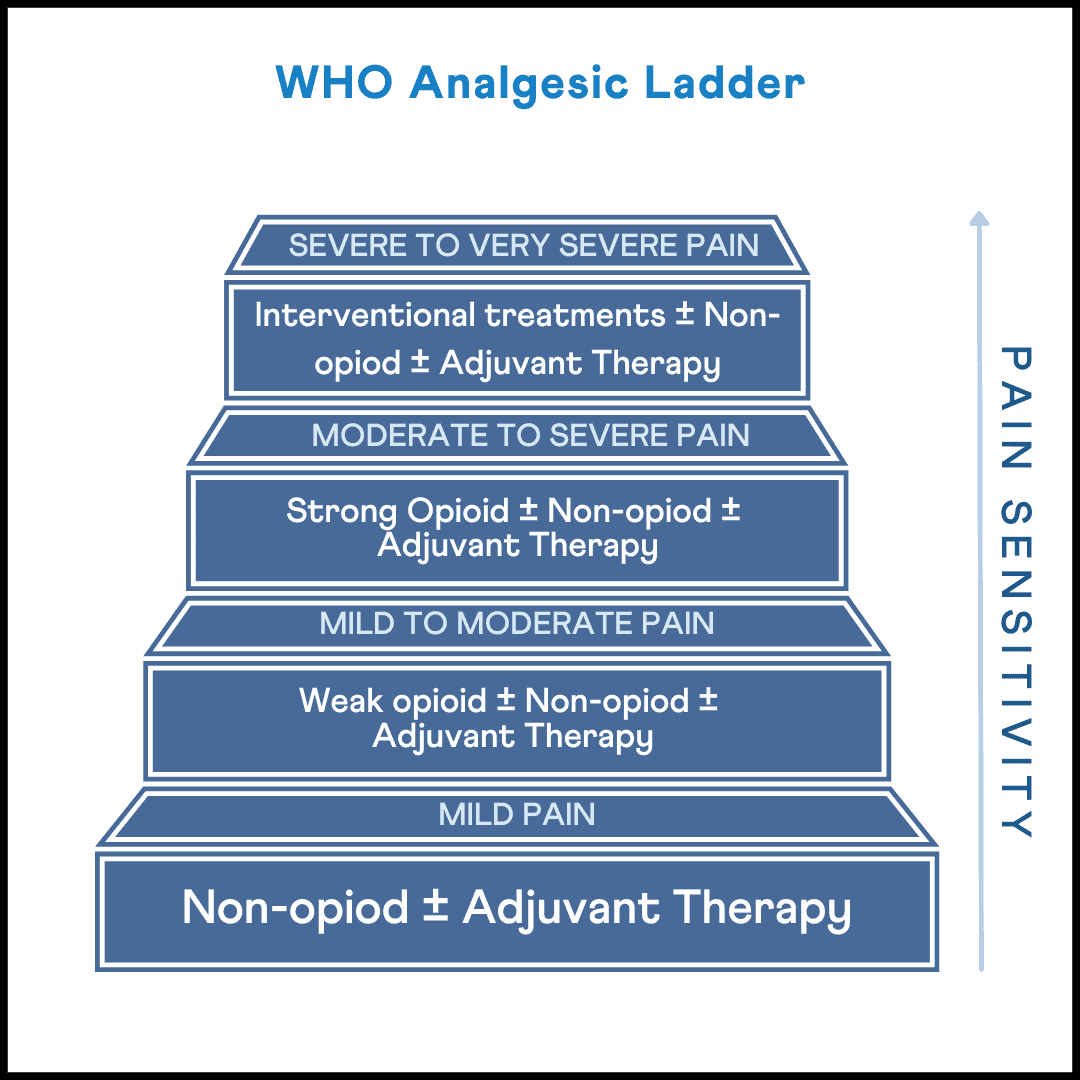
Image: WHO Analgesic Ladder
Analgesics are available in different forms:
Analgesics may be used to relieve pain and inflammation due to various reasons:
Different analgesics have different mechanisms of action.
NSAIDs bring about pain relief by blocking the effect of cyclo-oxygenase enzymes.
These enzymes play a role in producing prostaglandins, chemicals responsible for pain and inflammation at the injury site.
When there is a reduction in prostaglandin production, pain and inflammation are reduced.
Other analgesics that have a similar mechanism of action to NSAIDs include acetaminophen, aspirin, and COX (cyclo-oxygenase) inhibitors.
Though paracetamol is known to work similarly to NSAIDs (blocking the cyclo-oxygenase enzymes), it does not reduce inflammation.
Opioids work by binding to opioid receptors in the central nervous system or CNS, gut, and other parts of the body and altering how your brain perceives pain.
As a result, you feel less pain, and in a way, these drugs increase your pain tolerance.
Some examples of opioids are codeine, fentanyl, methadone, naloxone, and oxycodone.
Though analgesics are widely used, they may cause side effects in some individuals when used too often or in large doses.
Some side effects of analgesics are:
Opioid analgesics may also cause any of the above side effects in addition to causing physical dependence.
Some signs that you may be addicted to an opioid analgesic are:
If you experience any of the side effects mentioned above, you must consult your doctor. If you notice any of the following side effects, stop taking the NSAIDs or analgesic drugs and report to your doctor immediately:
Some drugs that cause significant interactions with analgesics are:
Antacids and food are both known to delay the absorption of analgesics, which means the slow effect of the analgesic on pain.
Drugs bound to proteins such as phenytoin, warfarin, and phenylbutazone compete with the binding site of salicylates (a subclass of NSAIDs). This reduces the efficacy of the analgesic.
Consuming beta-blockers with salicylates can affect their metabolism (breaking down and processing the drug) and elimination from the liver.
Some NSAIDs interactions with other drugs that may cause adverse reactions are:
Taking NSAIDs with blood thinners like warfarin can increase the risk of bleeding.
When combined with ACE inhibitors (medicines used to treat high blood pressure and heart problems), analgesics may cause kidney failure. The same adverse effect may be seen when analgesics are consumed with diuretics (medicines that remove excess fluid from the body).
When two NSAIDs like a low-dose aspirin are combined with another NSAIDs drug, there may be a greater risk of ulcer formation or bleeding in the gastrointestinal tract.
Taking analgesics with antibiotic isoniazid may cause liver damage. So, it is best to avoid taking these drugs together.
Always inform your doctor about your current medications to avoid adverse effects due to analgesic interaction with other drugs you may be taking.
The KCNJ6 gene contains instructions for producing an enzyme called Potassium Inwardly Rectifying Channel Subfamily J Member 6. This enzyme allows a greater inflow of potassium ions into the cell.
In doing so, this gene regulates body processes like heart rate and the activity of nerve cells.
Certain changes in the KCNJ6 gene have been associated with analgesic requirements in patients who have undergone surgery.
Patients having a change (variation) called 1032A/A in the KCNJ6 gene required more analgesics than those with the other variations - 1032A/G and 1032G/G.
This is because 1032A/A is associated with lower levels of the enzyme and insufficient analgesic effects.
Val/Met
The COMT gene provides instructions for making the enzyme catechol-O-methyltransferase.
The COMT gene has 3 types named Val/Val, Val/Met, Met/Met. The three types each produce different levels of the COMT enzyme.
The COMT gene has been associated with postoperative pain treatment using opioid analgesics.
According to a study, individuals having the Val/Met type required less opioid analgesia in the first 24 hours after surgery.
This was not seen with individuals carrying the Va/Val and Met/Met types.
The OPRM1 gene gives instructions for making a mu-opioid receptor protein.
These receptors form a part of the body’s system that regulates pain, reward, and addictive behaviors.
A study found that individuals with the 118G or GG type of the OPRM1 gene require more postoperative analgesics than those with the AA or the AG types.
Analgesics like NSAIDs, opioid analgesics and acetaminophen are all metabolized in the liver.
So, if you suffer from any liver disease or condition, you must inform your doctor.
To avoid adverse reactions or severe side effects of analgesics, people with chronic liver diseases, especially hepatitis and cirrhosis, must avoid consuming analgesics.
Analgesics are known to interact with different drugs. Therefore, to avoid adverse reactions, you must inform your doctor about any medicines or supplements you are currently taking before taking analgesics.
Alcohol and analgesics are both known to irritate the stomach lining.
Drinking alcohol while taking NSAIDs may increase your risk for gastrointestinal lining damage and bleeding.
So, if you are taking analgesics, especially NSAIDs, you must avoid drinking alcohol.
Always take an analgesic when necessary and in the minimum dose possible that relieves your pain.
It is also important to take the painkiller only as long as it is needed.
Genetic testing can be beneficial in determining how your body may respond to analgesics and identify your risk for any side effects.
Analyze Your Genetic Response to Analgesics
Agomelatine is an antidepressant drug that is closely related to melatonin in structure.
Melatonin is a hormone produced by the pineal gland (located in the brain) that affects the sleep-wake cycle in the body.
The brain produces several chemicals that are needed for its proper functioning.
But, conditions like depression may alter your brain’s functioning via chemicals like noradrenaline, dopamine, and serotonin.
In people with depression, the levels of brain chemicals (also called neurotransmitters) are reduced.
Depression may also reduce melatonin levels in the body, causing sleep-related issues.
Melatonin enables you to get good sleep every night, and a reduction in its levels shows a direct effect on sleep.
Though many melatonin supplements are available, Agomelatine was the first antidepressant medication that increased melatonin activity directly.
Servier Laboratories Ltd. developed this drug.
Agomelatine resembles melatonin in structure.
So it competes with melatonin to attach to the melatonin receptors.
As a result, lesser melatonin molecules are in a bound state, increasing the level of free melatonin in the body.
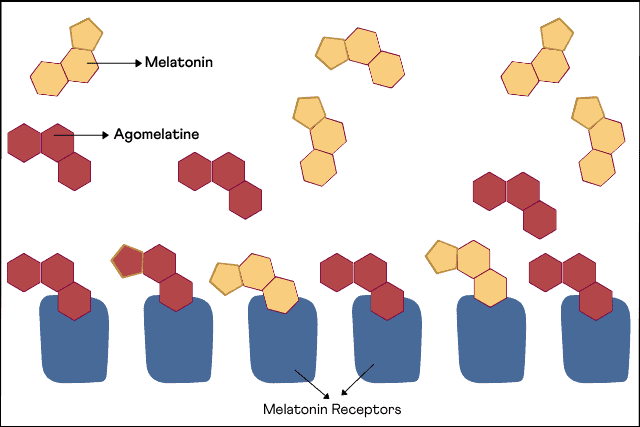
Image: Agomelatine preventing the binding of melatonin to its receptor
Agomelatine also increases the activity of other neurotransmitters like dopamine and noradrenaline.
Along with binding to the melatonin receptors, Agomelatine prevents serotonin (another neurotransmitter) from binding to the 5HT2c receptor.
This reduces anxiety and depression symptoms.
By increasing melatonin activity, Agomelatine also directly increases the activity of noradrenaline and dopamine.
Agomelatine is rapidly absorbed via the oral route.
It is metabolized by the CYP1A2 and CYP2C9 enzymes in the liver.
Consuming caffeine and nicotine may reduce Agomelatine levels in the blood.
Agomelatine is a melatonergic agonist. This means Agomelatine binds to melatonin receptors and stimulates the body to produce melatonin.
Agomelatine binds to MT1 and MT2 receptors.
Agomelatine is also a 5HT2C antagonist, which means it inhibits the activity of the 5HT2C gene and enzymes.
5HT2C is involved in regulating serotonin levels in the body.
Agomelatine restores your body’s normal circadian rhythm and resolves sleep disturbances.
Agomelatine also increases the production of noradrenaline and dopamine hormones.
This has an antidepressant effect on the body.
Agomelatine, is therefore, used to treat Major Depressive Disorder.
Agomelatine is a safe drug but may cause side effects in some people.
Some mild side effects may get resolved on their own after a few days of taking the medication.
The most common side effects that you may experience after taking Agomelatine are:
Side effects of Agomelatine seen in up about one in ten people include:
If you experience any of the following side effects after taking Agomelatine, you must visit your doctor or the nearest hospital immediately:
Severe side effects of Agomelatine include seizures and behavior changes.
Agomelatine may interact with other drugs, especially those that are processed in the liver. Some interactions of Agomelatine with other medications include:
Fluvoxamine is an antidepressant drug used to treat depression and Obsessive-Compulsive Disorder (OCD) in adults and children over eight years of age.
Fluvoxamine is a powerful CYP1A2 inhibitor and a moderate CYP2C9 inhibitor.
It reduces both CYP1A2 and CYP2C9 enzyme levels.
Since these enzymes are involved in the metabolism of Agomelatin, consuming these drugs together can lead to the accumulation of Agomelatin in the body.
When Agomelatine is prescribed in a patient taking estrogens, there is a significant increase in Agomelatine levels in the body.
This happens because estrogens are moderate CYP1A2 inhibitors that reduce Agomelatine metabolism, increasing its levels in the body.
Rifampicin is an anti-tuberculosis drug.
It stimulates all the three cytochrome enzymes involved in the metabolism of Agomelatine.
Due to this property of Rifampicin, it decreases the bioavailability (a part of the drug that enters circulation to bring about the required effect) of Agomelatine.
So, it is vital to inform your doctor about any pre-existing medications you may be taking to reduce the chances of drug interactions.
Herbal medicines may interact with CYP1A2 and CYP2C9 enzymes.
This interaction may lead to a decrease or increase in the bioavailability of Agomelatine.
Apart from the drugs mentioned above, smoking also affects Agomelatine’s effect on the body.
Smoking stimulates CYP1A2 enzyme production, which reduces the bioavailability of Agomelatine.
This is seen mainly in heavy smokers (those who smoke over 15 cigarettes a day).
ATP Binding Cassette Subfamily B Member 1 or the ABCB1 gene produces enzymes that transport materials from inside the cell to the outside.
The ABCB1 gene is involved in multidrug resistance.
It affects Agomelatine absorption in the body.
rs2032582 (or G2677T/A) is a single nucleotide polymorphism or SNP in the ABCB1 gene.
Studies have shown that individuals having the A/A or A/T genotypes in this SNP had a lower concentration of Agomelatine.
So, people with the A allele of this SNP may require dosage alterations to achieve the desired effect.
Another SNP in the ABCB1 gene that influences Agomelatine therapy is rs1045642 (or CT3435T).
The T allele in this gene has been linked to a lower response to Agomelatine therapy than the C allele.
You must always take Agomelatine in the exact amount prescribed by your doctor.
If you feel you have taken an excess dosage of this medication, report to your doctor immediately.
Agomelatine is an antidepressant drug, but it does not help manage suicidal thoughts and feelings.
If you feel yourself developing suicidal thoughts, visit your doctor immediately.
Report any allergic or hypersensitivity reaction with Agomelatine to your doctor immediately.
Stopping Agomelatine treatment abruptly may cause severe withdrawal symptoms and affect your health.
If you are thinking of stopping the drug or you already have, visit your doctor immediately.
Agomelatine is not recommended for patients with kidney or liver impairment.
The drug can cause an imbalance in the liver enzymes in people with liver/kidney diseases.
Liver Function Tests (LFT) are advised to all patients before starting them on an Agomelatine course.
In addition, your doctor may also recommend LFTs if they wish to increase the medication dosage.
People who are lactose intolerant must not take this medication.
Animal studies suggest that Agomelatine molecules may be expressed in breast milk.
So, if you are breastfeeding, you must inform your doctor of the same.
https://go.drugbank.com/drugs/DB06594
https://www.ncbi.nlm.nih.gov/pmc/articles/PMC2655086/
https://www.ema.europa.eu/en/documents/product-information/valdoxan-epar-product-information_en.pdf
https://www.genecards.org/cgi-bin/carddisp.pl?gene=ABCB1
https://www.ncbi.nlm.nih.gov/gene/5243
https://www.futuremedicine.com/doi/pdf/10.2217/pgs-2020-0157