Carbohydrates are one of the main classes of food. It is the main source of energy for the body. They are a group of organic compounds present in the form of food in cellulose, starch, and sugar. They are called carbohydrates, as they contain hydrogen and oxygen in the same ratio as water (2:1). These are then broken down to release energy.
Due to the association of carbohydrates with weight gain, carbs may disguise as an enemy to a healthy diet. However, the right kind of carbs in the right amounts can definitely earn a rightful place in your diet.
A healthy weight is an important element of good health. The amount of food you eat and what you eat is important for maintaining a healthy weight.
For years, there was a myth that a low-carb diet is the best way to lose weight, but a growing body of evidence suggests otherwise.
Carbs are sub-divided into three categories depending on the number of sugars present and the nature of the chemical bonds between them.
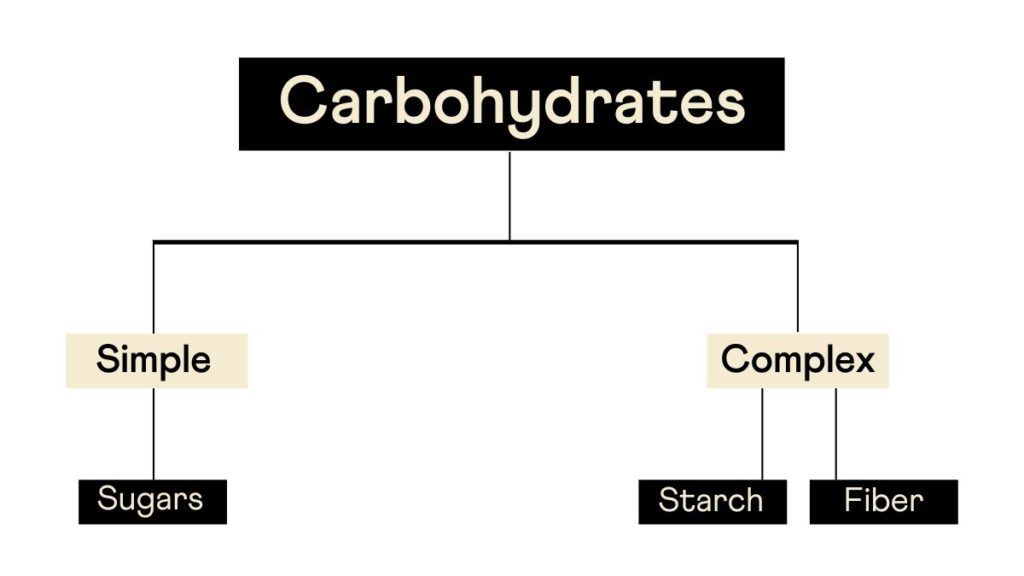
Although this is the conventional way of classifying carbs, a more pragmatic approach would be to classify them as refined and whole carbs.
Whole carbs include vegetables, legumes, whole fruits, and grains, which are unprocessed and thus have their nutrient content intact.
The stripping of nutrients in refined carbs as a part of processing makes them count as 'empty calories.'
This removal of the nutrients results in rapid absorption and metabolism of these carbohydrates.
This results in spiked sugar levels and unstable energy levels, the latter of which causes a “sugar rush” after consuming sugar-rich foods.
The refined or sugary carbs are simple carbohydrates that the body quickly absorbs.
Their metabolism occurs rapidly, which results in major swings in blood glucose levels. This induces hormonal and metabolic changes that can promote overeating.
Not all carbohydrates are bad for health.
Unprocessed carbs that are present in vegetables, fruits, and grains are healthy.
Studies reveal that these improve metabolization and help in weight loss.
Another class of carbs, the processed ones, are unhealthy because they lose the fiber during processing and contain no essential nutrients.
Examples of these include white bread, white rice, and the like.
Intake of foods containing processed carbs can result in weight gain and increased risk of type 2 diabetes.
Studies show that high unprocessed carbs in the diet can lead to a craving for more carbs, and people tend to get caught in the vicious cycle.
Thus, making changes to your diet by including more of unprocessed carbs can be a healthy choice.
Studies have shown that there is a link between genetic factors and dietary factors such as weight loss, weight gain, obesity.
Nearly 70% of the world population carries the gene for obesity. This explains why obesity is growing rapidly around the world.
However, people can reverse this gene's effect by exercising and including more protein in their diet.
A study has found an association between the FTO gene and the intake of carbohydrates.
The individuals with the A variant were found to have a higher risk of obesity than those with the CC wild type.
The FTO gene has a negative association with over-eating.
About 23% of the global population carries a variant in the AMY1 gene, which shows an association with low copy numbers of the gene and reduced ability to digest starch.
70% of people from agricultural populations have an AMY1 copy number variant, which shows an association with better starch digestion and lower risk of obesity when compared to 37% of non-agricultural populations.
The conventional diet plans and workout regimes architected for weight loss need not help everyone achieve their desired goals.
There is a multitude of factors that influence weight loss, including a person’s lifestyle, genetic makeup, and the environment.
Your genes can influence how you metabolize the nutrients you get from your diet. This directly has a role to play in weight gain/loss.
For instance, some people may possess a genetic variant that aids in the faster metabolization of carbohydrates, while others may carry a variant that will help in the faster breakdown of saturated fats.
You can leverage such genetic information to adopt a practical and personalized weight loss plan.
While genetic tests may not lay out the A-Z of weight loss, it certainly helps you pin the right path for your weight loss journey.

Upload your DNA raw data to Xcode Life for insights into 700+ health-related traits
CYP1A2 codes for the production of 21-hydroxylase, which is part of the cytochrome P450 family of enzymes.
This family of enzymes is quite important as it is a part of many processes, that include breaking down drugs, production of cholesterol, hormones, and fats.
The adrenal glands secrete the enzyme, 21-hydroxylase.
Situated on the top of the kidneys, the adrenal glands also produce hormones like epinephrine and cortisol.
Incidentally, 21-hydroxylase plays a role in the production of cortisol and another hormone named aldosterone.
Cortisol is a stress-related hormone and plays a role in protecting the body from stress, as well as reducing inflammation.
Cortisol also helps in maintaining blood sugar levels.
Aldosterone, also known as the salt-retaining hormone, regulates the amount of salt retained in the kidneys.
This has a direct consequence on blood pressure, as well as fluid retention in the body.
There seems to be an interesting trend in the activity of the CYP1A2 gene and caffeine intake.
The consequence of being a “rapid” or a “slow” metabolizer of caffeine can have effects on an individual’s cardiovascular health.
This article explains the wide-ranging effects of this gene, caffeine intake, cardiovascular health, hypertension, and even pregnancy!
In the body, CYP1A2 accounts for around 95% of caffeine metabolism.
The enzyme efficiency varies between individuals.
A homozygous, that is, AA genotype represents individuals that can rapidly metabolize caffeine.
Some individuals have a mutation in this locus and thus have the AC genotype.
These individuals are “slow” caffeine metabolizers.
There seems to be a link between CYP1A2, the incidence of myocardial infarction (MI), and coffee intake.
The positive effects of coffee include lowering a feeling of tiredness and increasing alertness; however, it can also narrow the blood vessels.
This increases blood pressure and could lead to cardiovascular disease risk.
Rapid metabolizers of coffee have the AA genotype and may unravel the protective effects of caffeine in the system.
However, the individuals that are slow metabolizers have a higher risk of MI.
This suggests that the intake of caffeine has some role in this association.
Yet another study associated DNA damage due to mutagens found in tobacco smoking could contribute to MI.
The study included participants who were genotyped at the CYP1A2 gene.
They found a group of ‘highly inducible’ subjects that had a CYP1A2*1A/*1A genotype.
These individuals have a greater risk for MI, independent of their smoking status.
This also means that there is some intermediary substrate that the CYP1A2 gene decomposes, and if this gene has a mutation, it could lead to a higher risk of MI.
In a study conducted on 2014 people, people who were slow metabolizers of caffeine (C variant) and who consumed more than 3 cups of coffee per day had an association with increased risk for myocardial infarction.
In a similar study on 513 people, increased intake of coffee, among slow metabolizers, has an association with an increased risk for hypertension.
Smoking is capable of inducing the CYP1A2 enzyme. Smokers exhibit increased activity of this enzyme.
In a study conducted on 16719 people, people with the A variant, and who were non-smokers, were 35% less likely to be hypertensive than people with the C variant.
In the same study, CYP1A2 activity had a negative association with blood pressure among ex-smokers.
But for people who were still smoking, the same gene expressed an association with increased blood pressure.
The gene CYP1A2 also has an association with caffeine metabolism and smoking.
A study aimed to tie these concepts together to find the relationship between this gene and blood pressure (BP).
The main measurements of the study were caffeine intake, BP, and the activity of the CYP1A2 gene.
In non-smokers, CYP1A2 variants (having either a CC, AC, or AA genotype) were associated with hypertension.
Higher CYP1A2 activity was associated with people who quit smoking and had lower BP compared to the rest but had a higher BP while smoking.
In non-smokers, CYP1A2 variants (having either a CC, AC or AA genotype) were associated with high caffeine intake, and also had low BP.
This means that caffeine intake plays some role in protecting non-smokers from hypertension, by inducing CYP1A2.
The intake of caffeine during pregnancy has an association with the risk of reduced fetal growth.
High caffeine intake shows a link to decreased birth weight.
The babies are also at risk of being too small during the time of pregnancy.
This was also observed in a study conducted on 415 Japanese women.
Women with the A variant who drank more than 300 mg of coffee per day were shown to be at an increased risk of giving birth to babies with low birth weight.
In conclusion, there are a lot of effects that the CYP1A2 gene has on the body. Many studies, as noted above, seem to link the activity of this gene to caffeine intake.
A variant at the CYP1A2 gene can determine whether an individual is a fast or slow metabolizer of caffeine, and this has some effect on the blood pressure and cardiovascular health of an individual.
The gene also plays a role in regulating an infant’s weight during the pregnancy of a woman, and this has a link with caffeine intake. It is thus interesting to analyze the effect of the variants of the CYP1A2 gene on an individual, based on their caffeine intake.
Upload it to Xcode Life to know about your CYP1A2 caffeine metabolism and caffeine sensitivity variants.
In the US, around 4.6 percent of the population aged 12 and above are diagnosed with hypothyroidism. It is a condition where the body does not produce enough thyroid hormones. The thyroid is an important regulator for many functions in the body. This butterfly-shaped organ controls blood pressure and, therefore, the efficiency of the digestive system. Since this hormone controls such important processes, it indirectly controls energy regulation and metabolism. Hypothyroidism can be diagnosed through routine blood tests, or after symptoms start to show. The most common cause of this condition is a disease called Hashimoto's.
Since the thyroid hormones are involved in so many functions, there may be many symptoms, and they may be wide-ranging and diverse.
The main symptoms are fatigue, cold intolerance, joint, and muscle pain. The other signs and symptoms are:
If left untreated, this could manifest into more severe symptoms like:
It has been a long-known fact that there is a complex relationship between thyroid, body weight, and metabolism.
Metabolism, determined by measuring the oxygen usage by the body over a specific time, is regulated by the thyroid hormone.
This measurement, when done in rest, accounts for something called ‘basal metabolic rate’ or BMR.
A low BMR may have an association with weight gain in certain cases.
Low thyroid hormone levels is a contributor to low BMR levels, and earlier, this was one of the diagnostic tools for hypothyroidism.
However, a low BMR could be due to an n number of reasons, and thus, it is not an effective measure of diagnosis anymore.
In the case of hypothyroidism, weight gain need not always be due to excess fat in the body.
Accumulation of salt and water being the contributor to weight gain is more plausible here.
Weight gain also depends a lot on the severity of hypothyroidism. In other words, more weight gain may be seen in cases of severe hypothyroidism.
To conclude, if weight gain is the only visible symptom, it’s better to explore the other contributors first before suspecting hypothyroidism.
Firstly, it is important to assess whether you’re at risk for the disorder, for quick diagnosis and treatment.
Early detection and treatment can help manage the complications that emerge if hypothyroidism is left untreated.
Identifying the risk factors also can point in the right direction for losing weight with hypothyroidism.
The TSHR (Thyroid Stimulating Hormone (TSH) Receptor) gene codes for a receptor protein that is found on the membrane of the cells that span across the thyroid gland.
The receptor binds specifically to TSH and plays a pivotal role in thyroid hormone metabolism.
A part of the receptor is outside the thyroid gland cell, and the rest remains in the cell.
The thyroid-stimulating hormone binds to the receptor, which brings about a series of reactions that control the development of the thyroid gland.
TSHR gene mutations can cause congenital hypothyroidism. These mutations change the building blocks that make up the receptor protein.
Moreover, the mutations affect the spread of the receptors across the thyroid gland. Other mutations make the receptors reside completely within the cell or impair the hormone's ability to bind with the receptor.
In conclusion, these mutations don’t allow the receptor to interact with the hormone efficiently.
When the receptor is unable to interact with the hormone, the hormone production is not stimulated.
This makes the body compensate for the lack of stimulation.
The gland either overproduces the hormone, and functions as normal, or severely under produces the hormone, causing hypothyroidism.
Mutations in the TSH receptor gene result in resistance to TSH, and therefore, a reduction in thyroid hormone production.
Mutations in TSHR may also cause thyroid hypoplasia, that is, an underdevelopment of the thyroid organ.
Firstly, the patient is assessed for symptoms like fatigue, dry skin, constipation, and weight gain.
Above all, the family's and the individual's medical histories are assessed for any previous condition like goiter or any other thyroid problem.
There are increasing reports that correlate the prevalence of thyroid autoimmunity and glycogen storage disease (GSD).
GSD is a condition where stored glucose reserves (stored as glycogen) cannot be degraded efficiently in the body.
Blood tests are the easiest way to diagnose hypothyroidism.
Usually, the levels of TSH and thyroxine are checked.
An underactive thyroid gland would produce high levels of TSH and low levels of thyroxine.
This is because the body is putting in extra efforts to produce the thyroid hormone.
The most common way to treat this condition involves the use of a synthetic thyroid hormone, levothyroxine.
This is an oral medication that reverses the signs and symptoms of the disorder.
Six to eight weeks after the medication, doctors recheck the TSH levels.
Excessive amounts of the hormone can cause increased appetite, insomnia, heart palpitations, and shakiness.
Other medication that you’re taking, as it can affect how the synthetic hormone work, and therefore, it is important to mention them.
This includes diabetes, antidepressants, estrogen, warfarin, heart medication, and supplements like magnesium, aluminum, iron, or soy.
Other treatments include diet supplements, surgery, and herbal remedies.
With regard to diet, it is important to note that conventional weight loss diets need not help in losing weight with hypothyroidism.
Make sure you eat the correct amount of calories that match your BMR as well as your physical activity levels.
Eating too little can slow down metabolism to the extent that any weight loss effort would be sabotaged.
Try to stick to a consistent meal plan and preferably stick to small but frequent meals.
Calorie counting, or keeping a food journal would help in understanding what foods you tend to eat more of, and this can provide an overview of your diet.
Thyroid patients experience tend to constipation and slow metabolism. So losing weight with hypothyroidism can be challenging.
Typically, diets consist of fiber-rich foods to aid in weight loss.
The following have a significant impact on the diet of a thyroid patient:
These components are essential in maintaining an anti-inflammatory diet.
This helps to calm the immune system and reduce excessive inflammation.
This diet also reduces the pressure on the liver and allows the body to metabolize the nutrients efficiently.
Although an underactive thyroid gland is associated with significant weight gain, treating the root cause with supplementing synthetic thyroid hormones does not aid in significant weight loss in patients.
In a study conducted by the American Thyroid Association, the synthetic thyroid hormone, levothyroxine, aided in losing weight in only half the volunteers with hypothyroidism.
The basis for natural remedies for hypothyroidism includes focusing on a balanced diet, curbing stress, and incorporate missing nutrients.
An optimal diet plan for patients with hypothyroidism has been explained in the section above.
Other supplements that can be added are as follows:
Low thyroid hormones affect the body's vitamin B levels.
Taking vitamin B supplements can help tackle the fatigue that the body faces.
Foods that are rich in this vitamin are peas, beans, sesame seeds, tuna, milk, and eggs.
Adding probiotics to your diet can help maintain live, helpful bacteria in the gut- preventing serious conditions like chronic diarrhea.
In its raw form, it helps in the optimal functioning of the thyroid gland.
This helps in losing weight, increasing metabolism, and balancing body temperature.
It helps in maintaining a balanced production of hormones in the body.
It helps in removing body toxins and regulate body fat.
A deficiency of vitamin D can lead to thyroid problems.
Ensure that you get at least 15 minutes of sunlight daily for optimal vitamin D production.
Foods that are rich in this vitamin are mackerel, orange juice, egg yolks, and dairy products.
Upload your DNA raw data to Xcode Life for insights into 700+ health-related traits.
What if you learned of a magic pill that could boost your metabolism, aid your weight loss program, help you feel full, increase your lifespan, reduce your risk of diabetes, cancer, and heart diseases while controlling your cholesterol? You'd probably jump on it without thinking twice. Well, you don't need a drug to get these things in their real sense. Not when we can suggest a single ingredient that covers it all - Fiber.
Despite all the fantastic health benefits of fiber, researchers still point out that not many people are maximizing its full potential. Of course, that's expected because most people lack the knowledge of the amazing things that fiber can do in the body. To this effect, this article focuses on the benefits of microfiber, with particular interest on their potential to help in weight loss.
Fiber is often divided into different categories, with each category differing in their nutrigenomics. The most popular categories of fiber include insoluble fiber, soluble fiber, and prebiotic fiber.
This is a type of fiber that does not mix with water.
It acts majorly as a bulking agent, helping to form stool and pass it through the guts.
It has proven to be useful in treating constipation.
On the other hand, this category of fiber mixes with water to form viscous gel-like substances that are capable of slowing down how fast the stomach can release digested food to the gut.
Researchers confirm that eating enough soluble fiber reduces belly fat and the prevention of further add-up.
The last type of fiber is the prebiotic fiber that feeds the friendly bacteria present in your gut.
This helps the gut bacteria to produce nutrients for your colon cells, leading to a healthier digestive system.
Facts and research have always pointed out that fiber can help anyone lose weight, even if they don't make other adjustments to their diet.
First, fiber is super-filling, leaving your stomach with little space to eat other high-fat foods.
Besides, the digestive process of fiber is relatively slower compared to sugar and simple starches.
There are several other ways they help to reduce weight, and it's been proven repeatedly.
In fact, dieters who were told to get at least 30 grams of fiber per day without any other dietary parameters lost a significant amount of weight.
Fiber is not just high for keeping your weight and appetite in check; it is also great for your heart-health and can help reduce the risk of diabetes.
There are loads of other benefits that we will discuss as this article progresses.
When it comes to weight loss, fiber's the best choice as it encourages the diversity of gut bacteria.
It's important to know that there are already over 100 trillion helpful bacteria that live in your lower gut.
Such bacteria are harmless, sharing a mutually beneficial relationship with humans.
Since soluble fiber helps to improve gut bacteria, it's a no-brainer that it will help to reduce belly fat.
Most people have always been curious about how fiber helps in weight reduction. Here, let's review some of the ways it works.
It is no surprise that fiber is a powerful natural suppressant of appetite. This keeps you from regularly reaching out for junk.
It is important to know that soluble fiber makes it more likely for you to reduce your intake of calories by suppressing your appetite. This would, in turn, help you lose weight.
There are tons of theories regarding how fiber helps for the reduction of appetite.
However, the most popular one is that it helps regulate hormones involved in controlling appetite.
However, another theory suggests that fiber can aid in appetite reduction by slowing the movement of food through the gut.
Even though everyone can benefit from consuming a fiber-rich diet, the effects of such a diet can vary from person to person.
Some people can lose a considerable amount of weight from this diet, while for others, dropping a few kilos might take a while.
This is because our genetic variations influence how our body responds to different nutrients present in the diet.
Let us take the FTO gene, for example. We've heard several questions about how the FTO gene influences weight loss and weight gain.
The FTO gene, short for FTO alpha-ketoglutarate dependent dioxygenase, located on chromosome 16, is mainly associated with the body-mass index, obesity, and type II diabetes.
A recent study pointed to an association between a particular variation in the FTO gene and carbohydrate intake, with individuals having a certain variant more susceptible to obesity than if they carried the original C allele (normal variant).
We've also seen several other studies establishing a direct relationship between a T to A transition and an increase in BMI.
Over time, a significant association between another variation and dietary fiber intake was noticed.
The research study has, in fact, reported that individuals carrying the AA genotype exhibited lower waist circumference than the T allele carriers on a high fiber diet.
When on a high-fiber diet, people carrying the AA genotype tend to experience more weight loss than the other genotypes.
However, the A allele carriers, are also at a higher risk for obesity when physically inactive for prolonged periods of time.
Fiber-rich food can result in weight loss by increasing the feeling of fullness, thus leading to reduced calorie intake.
Since your genotype favors higher weight loss on fiber intake, you can include more fiber-rich foods in your diet.
Some natural sources of fiber include Broccoli, Lentils, Kidney Beans, Bananas, Barley, Almonds, Carrots, Dates, etc.
Since your genotype also puts you at a higher risk for obesity when physically inactive, ensure to include some light exercises in your routine.
Here are some simple exercises that can make you feel great all day.
T allele carriers may not experience a significant weight loss on fiber intake.
A lesser reduction in BMI on high fiber intake was noticed in the TT genotype in comparison to the AA genotype.
While ensuring adequate fiber intake, consumption of other weight loss-friendly foods can also help.
After several studies on the effect of fiber from food, researchers have concluded that the benefits of fiber from supplements cannot equal that of food fiber.
Plus, getting fiber from supplements might mean missing out on essential vitamins, minerals, and other nutrients present in fiber-rich food.
However, people who may have certain dietary restrictions like gluten intolerance may need to turn to fiber supplements to get the daily recommended dose.
Out new: Magnesium Requirements: Understanding The Genetics Behind It And More
Having talked so much about fiber for weight loss, and how the DNA diet affects your journey towards achieving the perfect body structure, it's also important that we suggest some dietary sources of fiber.
Bear in mind that most fiber-rich foods contain both soluble and insoluble fiber. Some popular fiber-rich foods include:
There you have it now. We've reviewed everything you'll need to know about fiber and weight loss.
We've also made recommendations on foods with high fiber content. With the average fiber requirements for your body per day pegged between 25 to 30 grams, it lies on you to find what fits your body and stick to it.
Upload your DNA raw data to Xcode Life for insights into 700+ health-related traits
Stretch marks are telltale signs of pregnancy or drastic weight gain.
However, we all know someone who has come out of her pregnancy without a mummy tummy or stretch marks. What makes some people prone to stretch marks while others seem to have considerably less?
Can we now unravel the secret behind why someone is less likely to get stretch marks? Do you want to find out more about your stretch marks genes?
Stretch marks, also called striae distensae, are common and range in prevalence from 50 to 80%.
Initially, they have a reddish appearance but later turns white.
These are linear bundles of collagen that lie parallel to the skin’s surface and scar the striae.
A genome-wide association study was carried out on 33,930 unrelated 23andMe customers who were of European descent.
This study included 13,068 cases and 20,862 controls.
The men in the study were found to be less likely to have stretch marks (25% among men against 55% among women).
ELN gene codes for the highly elastic protein elastin that helps the skin return back to its original position after stress.
In simple terms, elastin is the reason why your skin gets back to normal after it is stretched or poked.
The influence of this gene on skin elasticity has been studied extensively in the autosomal dominant condition cutis laxa, which is caused due to mutations in the elastin gene.
The symptoms of this condition are loose and sagging skin, with a higher risk of aortic aneurysm.
Specific variants of the ELN gene are associated with a lowered expression of elastin, which is shown to increase the risk for stretch marks.
FN1 gene codes for fibronectin, which is an extracellular matrix protein that binds to integrins and collagen which maintain the integrity of the skin.
When skin biopsies were conducted on people with stretch marks, there was a lowered expression of fibronectin.
Specific variants of the FN1 gene are associated with a lowered expression of elastin, which is shown to increase the risk for stretch marks.
Genetic variants present in other genes like HMCN1, SRPX, and TMEM18 are also associated with the risk of stretch marks.
There is a complex relationship between genes and the environment.
Factors like the use of creams or lotion, diet and lifestyle also playing a role in the outcome.
Therefore, the information obtained from your skin genetic report can be used to tailor diet and lifestyle to lower risk of stretch marks.
Most people follow a skin care routine for better skin.
However, the Gene Skin Report can reveal several such aspects that people are generally unaware of like the risk of skin diseases or need for certain nutrients vital for skin health.
Upload your 23andme raw data, Ancestry DNA, or FTDNA raw data to Xcode Life to find out if you have the genetic variants associated with increased risk of stretch marks.
Xcode Life's Gene Skin Report provides information on stretch marks, acne, varicose veins, vitamin C needs, and more than 25 such traits.
[/vc_column][/vc_row]Exercise offers a range of benefits. It makes you fitter, stronger, and faster. But, if you're like most people, adapting to a new workout regime can be hard - you may face extreme muscle soreness. Ever wondered why? Exercising muscles can cause microscopic tears to them, fluctuate hormone levels, and increase inflammation. While they all sound negative, these are undoubtedly positive effects on the body. Following a strict workout regimen can improve posture, muscle growth, insulin sensitivity, better respiration, and heart health. If workouts are that good, then why is recovery important?
Post-exercise recovery (PER) is a vital component in a training program. Allowing the body to actively recover from working out lets you to perform better in subsequent exercise routines. Personal trainers often include various measures - changes in nutrition, compression garments, and cold-water immersion. These would help in quick recovery from their intense regimes and aid in consistent performance in their next workout.
For non-professionals, post-exercise recovery helps in becoming leaner, more flexible, and reaching your personal fitness goals! Repeatedly training a muscle group with no recovery time only leads to tissue breakdown instead of building.
To understand the importance, let’s look at an extreme situation. Over-training syndrome (OTS) is when an individual over trains and pushes themselves to limits without paying attention to nutrition, rest, and emotional status. This leads to depression, decreased performance, excessive fatigue, restless sleep, loss of appetite, decreased immunity, and so on. Muscles do not grow as you work them, but grow as you actively rest.
Recovery also leads to the following benefits:
Passive recovery is to be completely at rest after an intense workout. This could include lying down, sitting, and being inactive. This is not recommended for everyone, and should only be done if faced with a serious injury, or in pain. It is also good to follow passive recovery if you feel mentally/physically exhausted from your workout regime.
Active recovery, on the other hand, is mostly recommended. This includes doing light, low-impact exercises and routines that help the blood flow, allowing toxins (liked built-up lactic acid) to be flushed out. Examples of active recovery include yoga, walking, low-impact cycling, tai chi, or foam rolling. There are many ways to actively recover, you may follow a cool-down routine after your workout, or following cross-training- details will be covered later.
Like several fitness traits, the average time of recovery you'd need post-intense workout is determined by your genes. Many different genes are involved, two of widely studied ones are CKM and MMP3.
Creatine Kinase, M-type (CKM) codes for a protein that is involved in energy homeostasis. It is used in energy transfer channels within the body. This protein is also involved in maintaining body mass index, muscle damage repair, and inflammation response.
Certain variants of this gene influence your recovery time. One allelic variant is G. If an individual has GG genotype, they would have average time for recovery after an intense exercise. However, having a TT genotype would be requiring a longer recovery time than most.
The proteins of the matrix metalloproteinase (MMP3) gene family help in tissue remodelling and wound repair. They have also been implicated in conditions like arthritis. Until triggered by another enzyme, these proteins remain inactive.
Gene variants of MMP3 has been linked to PER time. The A allele at a particular region in this gene is significantly related to a longer recovery time, which could be attributed to inflammatory responses being triggered.
It is important to schedule a break from intense training to allow the body to rest and repair itself before another set of intense training. This could be even last a week of no intense training, but of mild, low-impact exercises like walking. This allows for muscle growth and repair.
A good 8-hour sleep would help in repairing muscles. The body secretes growth hormones that help in muscle growth and repair. Try to avoid any distractions before sleep- like using mobile devices and having caffeine, and ensure that you clock in the 8 hours.
Incorporate active recovery into your training schedule. Ensure that you cool-down after exercising by doing yoga and stretches. This would help release the built-up lactic acid, and help in conditioning your muscles and flexibility. You could also cross-train- in this way, you avoid working the same group of muscles, giving ample time for recovery. Foam rolling is also a reliable active recovery, to relax strained muscles.
Athletes and professionals usually have ice baths that help tremendously in muscle recovery. Massages are also helpful to relax over-stretched and overused muscle groups. Wearing compression garments also help in quick recovery times.
Active visualization exercises, and listening to music with a slow tempo has also been seen to relax muscle groups, aiding in recovery.
If the muscles are over-trained, you may massage in some muscle creams, or take an anti-inflammatory like aspirin, to reduce the pain.
Even if you train optimally, if the nutrition is insufficient, you may suffer from increased muscle soreness, reduced performance, and increased fatigue.
It’s important to replenish lost water within 12 hours of training. Rehydrating should be done right after a training session. Dairy-based drinks like smoothies offer the full package from carbohydrates, lipids, protein, and electrolytes. For other goals, regular meals are enough. Drinking chocolate milk is also good, the protein kickstarts recovery, and the carbs in this drink energize the body. Tart cherry juice is another option, as it reduces inflammation. Skip alcohol for two reasons, one is because it could dehydrate you, and interferes in protein production, delaying muscle repair.
Proteins help in repairing and building muscle. Consuming the right amount of protein provides enough resources for the body to use to replenish the amino acid stores in the body. About 0.14-0.23 grams of protein per pound of body weight is recommended. Eating protein before sleeping helps the body in repairing muscles overnight, and eating protein in the morning helps curbs cravings. Eating protein before and after workout serves the same purpose- you trigger the repair mechanism even before you work out.
Fats could reduce the rate of absorption of a meal, however, adding a small amount of fat can help in promoting muscle growth. Saturated and trans-fats (fats derived from animals, or synthetic fats) are to be avoided due to their deleterious effect on health and recovery. Essential fats are important, and can be sourced from avocados, chia seeds and nuts.
Replenishing carbs is important for recovery. The amount of carbs is dependent on the intensity of training. If you do more endurance sports like swimming and running, then you would require more carbs. Also, if you train more often during the day, then it is imperative your glycogen stores by having adequate carbs. The ratio of carbs to protein should 3:1.
Some sample meals post-workout could be:- grilled chicken with roasted vegetables, salmon with sweet potato, cottage cheese, and fruits, pita bread with hummus, multi-grain bread, and raw peanuts.
This is a common misconception, but depending on the intensity of your training, it important to take 1 to 2 days of just to rest. This could be active or passive recovery, but the aim is to allow the body to repair itself so that you can come back to stronger.
Sleep is the most important factor when it comes to goals of gaining muscle or losing weight. It is the prime time when the body gets to repair muscles. As mentioned before, growth hormones have secreted that help in this process. Lack of sleep, reduces the amount of this hormone, leading to sabotaged fitness goals.
While these tools and techniques may help, it is not essential. The most important rest is sleep, and you need to make sure you get the full 8 hours’ worth of it. Diet is another important factor, and always listen to your body and do not force yourself to train if you aren’t ready for it.
As mentioned above, exercise does, in a sense, damage the body. But this damage is good, and once you've recovered, you become stronger and more fit. Studies on the effect of taking antioxidant supplements (like Vitamin C and Vitamin E) after working out show that it does not affect the reduction of ROS produced by exercise. While it is important to keep your vitamin levels in check, there is no need to include it in your post-workout meal.
Now that we have seen the importance of recovery, let’s look at other tips to stay fit.
People tend to stick to an exercise routine when they have a definite goal. Work towards that goal. Stay determined. You got this!
You don't have to have intense workouts every single day, the idea is to get moving- this, in turn, would produce endorphins and would motivate you to work harder.
Start with easy goals. When you finish them, this would motivate you further to set tougher goals.
If you don’t like lifting weights, try dancing, or if that doesn’t suit you, then try yoga. There are a lot of different routines that you can follow, and if you enjoy what you’re doing, the fitness goals become secondary.
Plateauing is normal while working out. When you feel that a routine is too easy, try adding more weight, or try to run faster, this also brings about some variety and pushes you further.
If you feel you cannot move or you just can’t work out for the day, it is also good to take a day off, just to recover.
Even if you work out every day, you won't see any progress unless you stick to a healthy diet. Try opting for fresh meats, green and leafy vegetables, fruits, and dairy.
Recovery is a part of your workout routine and has just as much importance as cardio or strength training. Over-training, pushing your body to limits, without allowing time for recovery, would only sabotage fitness goals. Try to take a holistic approach when you begin a workout regime. It is good to push yourself, adapt, and grow, but keep in mind active recovery practices to make your exercise effective.
Upload your raw data to Xcode Life for insights into 700+ health-related traits!