Osteoporosis affects 200 million women worldwide
Osteoporosis is a condition in which the bone mass is lowered, resulting in weak bones that are prone to fractures. This condition is often associated with people over 50 years of age, especially in women post menopause. The propensity for people with osteoporosis to fracture their bones is alarmingly high, with estimates stating that every 3 seconds there is an osteoporotic fracture that occurs across the world.
There are no symptoms associated with the condition until there is a fracture, which is a painful indicator of poor bone health. The brittleness of the bone and the higher chance of fracture forces older people to remain in their homes, worrying about possible falls that could lead to a fracture. This is a significant psychological symptom associated with the condition.
Children with osteoporosis also exhibit poor bone health which not only increases their risk for fractures but could also stunt their growth.
This World Osteoporosis Day 2016, there is a need to explore causes for this condition in order to provide effective solutions. The theme for this year’s World osteoporosis Day 2016 is “Love your bones, Protect your future”
 Gluten intolerance is a condition in which the body is unable to metabolize gluten, found in wheat, barley and rye. The condition is caused due to a mutation in the gene HLA DQ and it leads to a range of gastrointestinal symptoms that include nausea, diarrhea, bloating, abdominal cramps and pain. There are certain other extra-intestinal symptoms associated with gluten intolerance that include depression, inability to focus, foggy mind and – possibly osteoporosis. In a gluten intolerant individual, the body is unable to digest the gluten in the diet and this triggers an autoimmune condition where the body’s immune cells attack the lining of the small intestine, where important nutrients like calcium are absorbed. This leads to malabsorption and the resultant lowering of bone density and osteoporosis.
Gluten intolerance found in 10% of the population
In a study on school children in Ludhiana, 6 children were identified to have gluten intolerance and none of them showed any other symptom, including gastro intestinal, except stunted growth.
It is difficult to assess intolerance in children based on symptoms as they rarely understand the enormity of the situation and will fail to acknowledge it. The process of eliminating specific food from the diet is also difficult as it can take many months before there is a clear association that is found. Instead gene testing affords a quick and cost-effective solution that detects the mutation in the HLA DQ gene, allowing dietary modification that will limit the risk of osteoporosis.
This World Osteoporosis day, get tested for gluten intolerance and safeguard bone health.
|
Liquid calories or high sugar drinks are often consumed less rationally than food that is chewed. Most people do not “count” the calories they drink. However, a great deal of damage could be coming from liquid calories.
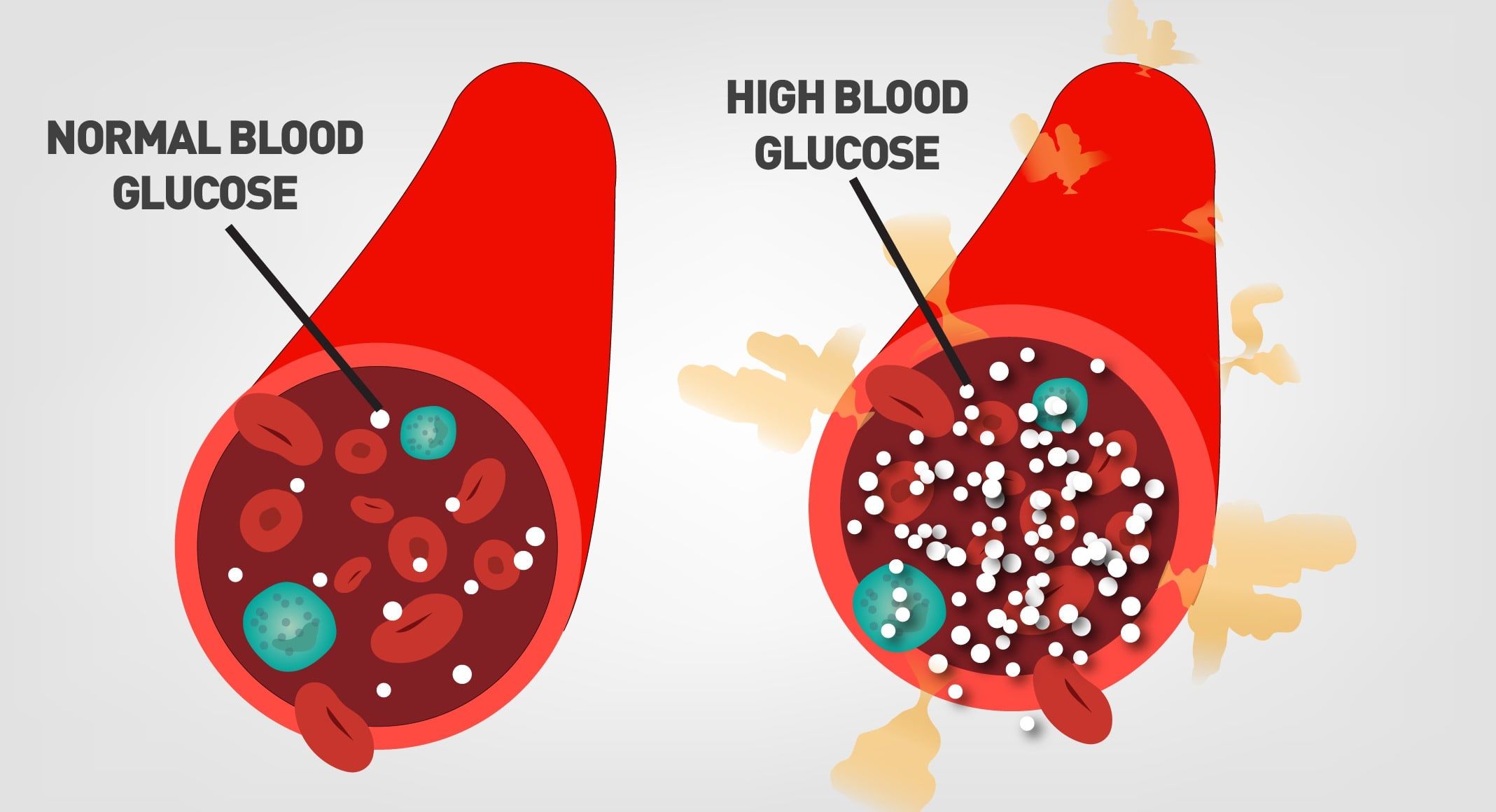
Sugar in drinks gets into the blood faster than sugar in solid foods, thus increasing blood sugar levels rapidly. Repeated increases in blood sugar levels lead to insulin resistance, which eventually leads to obesity, diabetes and other health conditions. People habitually consume colas, bottled fruit beverages with added sugar, teas and coffees with sugar, and all sorts of sugar sweetened beverages(ssb).
These drinks are consumed casually at home as a replacement for water, at entertainment centers, after sports, and at social events. Many people quench their thirst with these drinks instead of water, ignoring the calorie labels(a.k.a warning labels) on them. The fine print shows an alarmingly high level of sugar that research studies have found to be associated with a risk for obesity and thereby an increased risk for diabetes. These drinks confer risk of diabetes.
While the risk for diabetes associated with drinking sweetened beverages has always been known, a new study shows the extent of risk. Researchers from Karolinska University in Sweden showed that consuming 2 glasses of sugary drinks every day could double diabetes risk.
In the study, two or more of 200 milliliters servings(~ one and a half cans) of the sugary drinks when consumed every day was found to increase the risk for diabetes by two-fold. People who preferred drinks that were sweetened with artificial sweeteners were equally at risk for diabetes.
Diabetes risk was the same whether one consumed drinks sweetened with sugar or artificial sweetener
Josefin Edwall Löfvenborg who is a nutritionist at Sweden’s Karolinska Institute spoke about the relevance of the study “Not all studies have been able to look at sugary and artificially beverages separately. (but) it's getting more and more established that soft drinks increase the risk of type II diabetes."
‘Effect of Larger Quantities’
"We wanted to see the effect of larger intakes than two," stated Löfvenborg highlighting the second part of the study that determined diabetes risk among people who drank more than 1 liter of sugary drink every day. The risk was found to increase 10 fold in this group, reiterating the effect of consuming high sugar drink on diabetes risk.
Cups quickly add up to a liter in a day: a few cups of coffee or tea a day, some canned beverages, a can of soda or cola, cappuccino, lassi, etc. all can add up to contribute towards the risk of diabetes.
[idea]
Is soda the new cigarette?
High sugar drinks like sugary soft drinks are being additionally taxed in places like California and Berkley in the U.S. In Kerala, India, fat tax of 14.5% is levied on junk food at International food chains which include burgers and high sugar drinks consumed in these chains. Such high tax is levied to lower consumptions as high sugar drinks are implicated in the rising obesity epidemic and diabetes numbers in the world. In California and Berkley, soda consumption has dropped by one fifth after the tax on soda was executed. Cigarettes are taxed similarly to lower consumptions, this boils down to soda being on the same plane as cigarettes. [/idea]
Not everyone reacts equally to dietary risk factors, certain genes have been shown to modify (predispose or protect) disease risk. In a recent study, it was found that people with certain gene variants were at a higher risk for diabetes even when they consumed the same dietary components as others. This would mean that people who consume high sugar drinks may have a higher risk for diabetes but the level of risk may be modulated by the genes they carry.
Family history is an important genetic risk factor for diabetes. The risk for diabetes is increased if both parents are diabetic, as compared with either parent or neither parent being diabetic. Predisposition to diabetes can be determined through a simple and economical saliva-based genetic test.
Xcode’s Health Genetics test is a companion to the Master Health Checkup (MHC). This genetic test covers predisposition to diabetes, obesity, hypertension and heart disease in one, low-cost test. When taken together with blood test data from MHC, it provides a complete picture of the various risk factors. Nutritional, dietary and lifestyle counseling is provided to lower the risk towards the normal range.
You can write to us at hello+support@xcode.in to find out more.
Cardiovascular disease is a group of diseases that involve the heart and blood vessels. There are a number of risk factors associated with this condition, including genetic risk factors with several mutations in several genes being associated. One such important and the independent risk factor is Homocysteine.
Nearly 60% of the world’s heart disease occurs in India Indians are prone to premature coronary artery disease (CAD) with homocysteine found to be a significant independent risk factor for CAD in young patients. MTHFR gene polymorphism was found in 1/3rd of ischaemic stroke patients in India and was associated with a higher frequency of hyperhomocysteinemia compared with people without the polymorphism. Gene mutation implicated in homocysteine levels are significantly associated with CVD in Indians C677T MTHFR mutation was strongly associated with arterial stroke, with MTHFR allele evaluation aiding in reducing morbidity due to stroke. Multiple scientific studies have established high levels of homocysteine in the Indian population- as much as 80% according to one study. Poor maternal folate rate, indicated by plasma homocysteine levels which is a highly sensitive marker of folate levels, is associated with preeclampsia, stillbirth, preterm delivery, and spontaneous delivery. 60 to 90% of adolescents in India suffer from anemia, with folate deficiency being one of the major causative factors for nutritional anemia. 22 to 52% in India have folate deficiency in India. Conditions associated with folate deficiency, like neural tube defects with a prevalence of 1 to 5 per 1000 live births, are high in India.
Folate (vitamin B9) is responsible for converting the harmful homocysteine to its useful form, methionine. Methionine is important for many essential bodily functions such as the production of DNA and RNA, cell, and tissue growth. Though dietary intake of folate is generally inadequate in India, that is not the only reason for high homocysteine levels. Genes also play an important role.
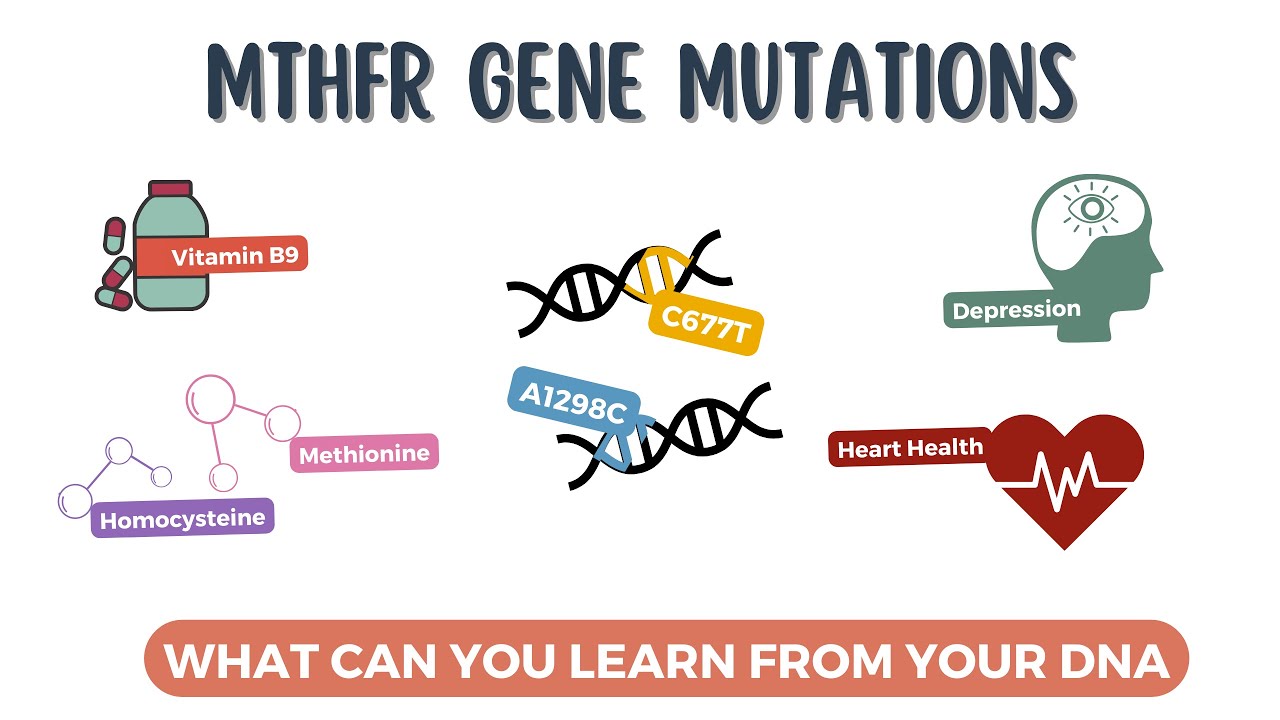
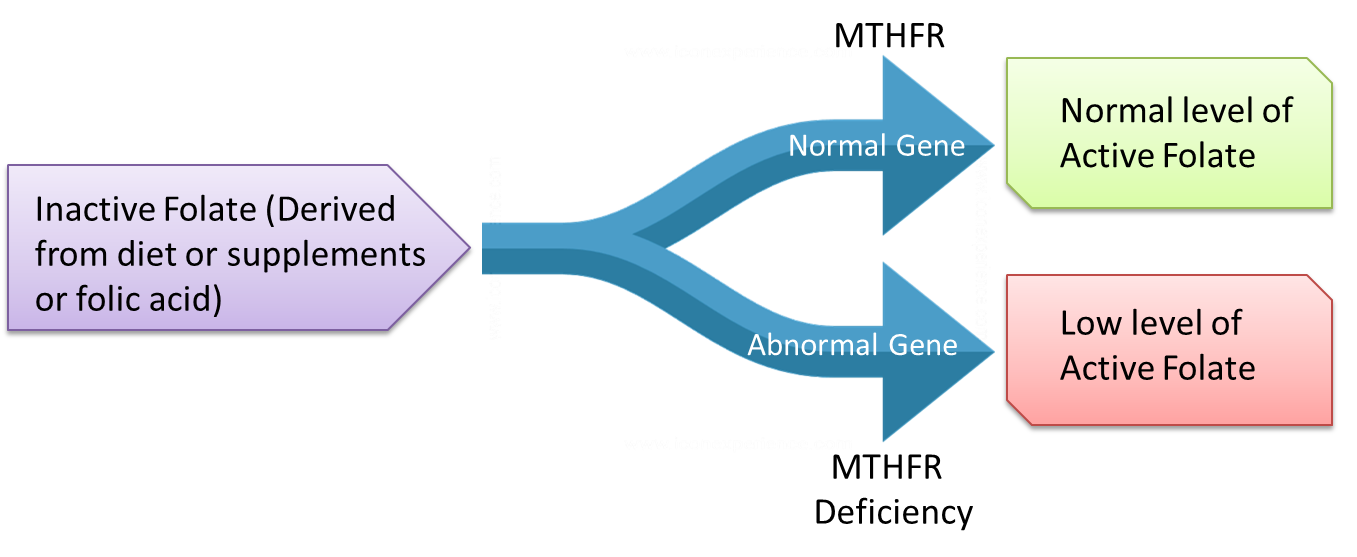
Folate is present in an inactive form in the body and is converted to its active form by the enzyme Methyl Tetra hydro Folate Reductase (MTHFR). The active form of folate is necessary for the conversion of homocysteine to methionine. The gene MTHFR plays a role in the production of the MTHFR enzyme and any genetic variation in this gene could alter the level and activity of the enzyme in the body. It has been shown that the prevalence of MTHFR gene mutation is high in India, which when combined with low dietary folate intake can lead to very high levels of homocysteine and other associated conditions.

Maintenance of adequate folate levels is extremely important during pregnancy, infancy, and adolescence. Lack of methionine can lead to improper DNA synthesis and disruption in gene regulation that could lead to birth defects like neural tube defects, which are associated with folate deficiency.
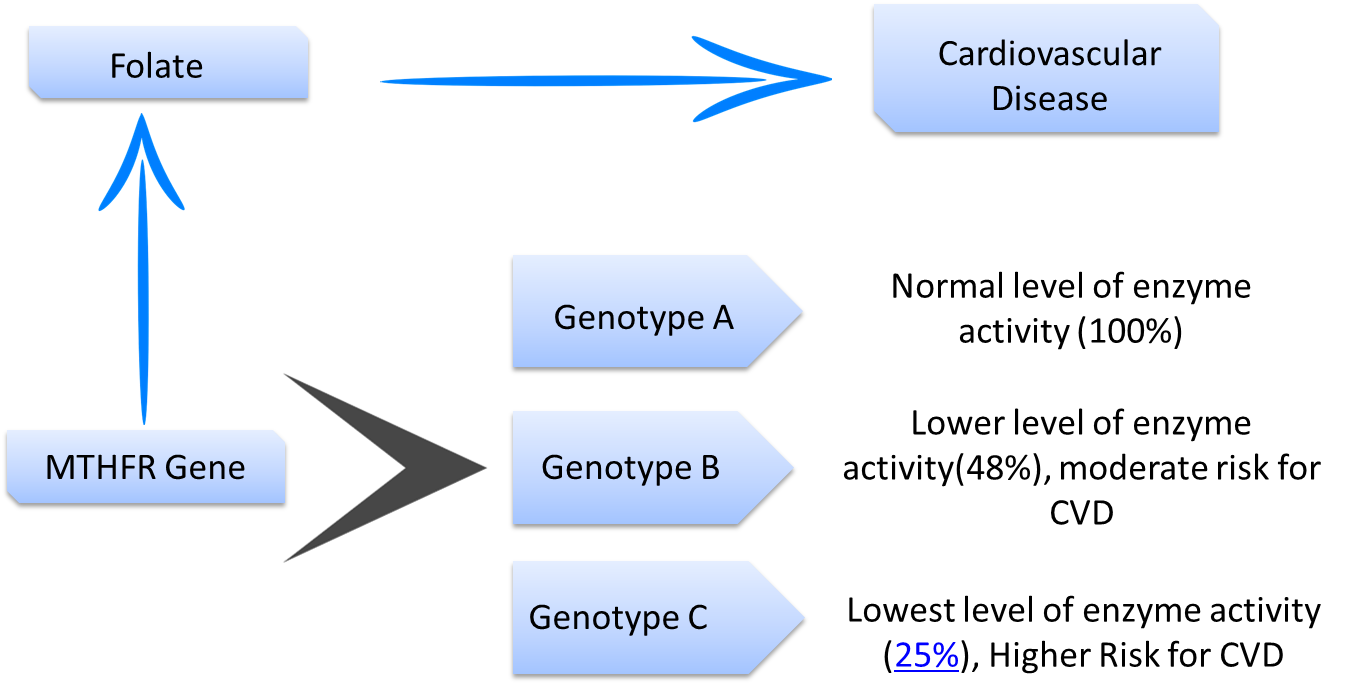
Asians show a high prevalence of 677C>T polymorphism in the MTHFR gene. People with genetic variants that are at high risk for folate insufficiency should supplement their diet with rich sources of folate. Fruits and vegetables are good sources of folate, however, in India, overcooking vegetables leads to loss of folate. Fortified cereals, grains, and cornmeal are sources of folic acid, which is a synthetic form of folate. The folate from the diet will compensate for the lowered levels due to gene polymorphism.
The type of MTHFR gene has been shown to influence the Active Folate levels in blood. Want to know what type of MTHFR gene you have? Try Xcode’s nutrigenetics test which can tell you what versions of the MTHFR gene are in your DNA. You can also learn about how your genes may influence other traits, including your risk for certain diseases. Write to us at hello@xcode.life to find out more.
Increasing nitric oxide (NO) has become the new secret weapon for athletes and bodybuilders. It is used as the primary ingredient in various dietary supplements to support the flow of blood and oxygen to the skeletal muscle and also use them to facilitate the removal of exercise-induced lactic acid buildup which reduces fatigue and recovery time.
Whilst exercise and diet can impact your Nitric Oxide levels, your genes also play a role. Specifically, your NOS3 gene can suggest whether you should be supplementing your diet with Nitric Oxide boosting foods and supplements. Or whether you have a natural advantage in terms of Nitric Oxide levels produced by your body, hence giving you a power based training advantage.
|
Other factors such as aging, sedentary lifestyle, smoking, high cholesterol, fatty diets, and lack of healthy foods may result in nitric oxide deficiency. Thus, increasing your nitric oxide levels can help increase your energy, vitality and overall wellness.
The NOS3 gene produces the Nitric Acid Synthase 3 enzyme, which facilitates the production of nitric oxide (NO). The type of NOS3 gene that you carry influences the production levels of NO. Increased enzyme activity may result in higher production levels of NO. Although the NOS3 gene has been associated with athletic endurance performance and elite power athletic status, research into the NOS3 gene has shown that the one version of this gene has been found at a higher frequency in Polish power based athletes. Studies into Spanish power athletes also showed similar results.
Discover your genes and align your training with your genetic type. Try Xcode’s fitness genetics test which can tell you what versions of the genes are in your DNA. Write to us at hello@xcode.life.
According to American Heart Association (2015), cardiovascular disease is the leading global cause of death, accounting for 17.3 million deaths per year, a number that is expected to grow to more than 23.6 million by 2030.
Low dietary intake of beta carotene is associated with chronic disease such as cardiovascular disease and vitamin A deficiency. It is well known that a greater intake of fruit and vegetables can help prevent heart diseases and mortality. Antioxidant compounds found in fruit and vegetables, especially dietary carotenoids such as beta carotenes, lycopene, lutein may influence the risk of CVD by preventing the oxidation of cholesterol in arteries.
Vitamin A in the diet can come from animal or plant sources. Vitamin A exist in the form of retinol or retinoic acid, the active form in animal sources, and in the form of carotenes in plant sources. Retinol, an active form of vitamin A cannot be made by our bodies and should be obtained from the food we eat. Carotenes must be converted into retinol for them to function as vitamin A in the body. BCMO1 is the enzyme responsible for this conversion. Individuals, especially vegetarians, who get their vitamin A primarily from plant- based foods rely on this conversion to meet their vitamin A needs.
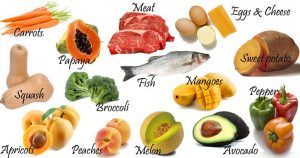
Liver and fish oils are one of the richest source of retinol and other good sources includes eggs, especially egg yolks. Carotenes are found in green leafy vegetables, broccoli, sweet potatoes, orange and yellow vegetables and in vegetable oils.
BCMO1 gene produces BCMO1 enzyme. Individuals with certain genotypes have reduced ability to convert carotenes to retinol, due to reduced BCMO1 activity. Individuals who carry certain versions of this gene may have up to 60% less enzyme activity than others and such individuals may be at risk for vitamin A deficiency. It is recommended that these individuals consume more animal sourced vitamin A, such as fish, eggs, meat and milk products to get their active form of vitamin A, retinol to meet their requirements.
Watch out for these symptoms like oily skin, acne, dry eyes, poor night vision, immune system impairment that indicates insufficiency of retinol in your body. You can also check your vitamin A levels via a blood test.
Type of BCMO1 gene has been shown to influence the vitamin A levels in blood. Want to know what type of BCMO1 gene you have? Try Xcode’s nutrigenetics test which can tell you what versions of the BCMO1 gene are in your DNA. You can also learn about how your genes may influence other traits, including your risk for certain diseases. Write to us at hello@xcode.life to find out more.
Vitamin D is a hot topic these days. We get it from the sun, fortified milk, butter, ghee, soybeans, soy milk, cheese, eggs and certain types of fish and mushrooms. It’s usually credited with promoting bone strength and overall health. And vitamin D deficiency has been linked to many chronic diseases, including, but not limited to, infectious diseases, autoimmune diseases, cardiovascular diseases, diabetes and cancer.
A recent study revealed that a whopping 70% of the Indians suffer from vitamin D deficiency. This study further adds that sunlight exposure is not a tenable solution to obtain vitamin D sufficiency among Indians, as darker skin has high melanin content and produces a significantly lesser amount of vitamin D when compared with individuals with fairer skin. Indian skin tone requires daily sunlight exposure of at least 45 minutes to produce sufficient amounts of vitamin D.
You may also need more vitamin D depending on the genes that you carry. Variations in two genes, GC and VDR, are responsible for lower vitamin D levels. The GC gene produces the main transporter of vitamin D in circulation while VDR gene produces vitamin D receptor which allows the body to respond appropriately to vitamin D. Compared to others, people carrying one type of GC and one type of VDR need to ensure they have adequate sun exposure or dietary intake of vitamin D to avoid deficiency.
Various nutritional factors attributing to high prevalence of vitamin D deficiency in India are:
| Most Indians are vegetarians and most of the foods rich in vitamin D are of animal origin. Indian diets are low in calcium and high in phytate. High prevalence of lactose intolerance is a major factor for reduced intake of calcium and vitamin D. Intake of caffeine from coffee and tea is high in India. |
Factors such as age (old age), body weight (people with a body mass index of 30 or greater), problems of the digestive tract like Crohn’s disease and cystic fibrosis, kidney problems results in low blood levels of vitamin D.
The National Institute of Nutrition recommends 200 units, 5 mcg of vitamin D everyday. The following are the recommendations from the vitamin D council:
| It is essential to maintain healthy levels by including fatty fish such as salmon, mackerel, herring, tuna, fish oils, egg yolks, fortified milk and other fortified foods such as cereals etc. Vitamin D supplements could be a good alternative. Many forms of vitamin D exist, with vitamin D3 the most effectively used in the body. Get adequate sunlight exposure: The amount of vitamin D you get from exposing your bare skin to the sun depends on the time of the day, where you live, the color of your skin and the amount of skin you expose. |
Want to know what type of VDR and GC gene you have, Xcode’s nutrigenetics test can tell you what versions of the VDR & GC gene you have in your DNA. You can also learn about how your genes may influence other traits, including your risk for certain diseases. You can write to us at hello@xcode.life.