A 2006 research study in New England Journal of Medicine had two interesting observations. One, a variation of the TCF7L2 gene is linked to prediabetes (blood sugar is high but below diabetes range) which indicates a higher likelihood of developing diabetes. Other data showed that changes in food habits and physical activity could reduce or stop disease development, even in people with disease-risk increasing genetic variants.
Every human cell contains a nucleus with chromosomes, that carry the ‘building block’ of life (or DNA) arranged in specific groups (or genes), which are responsible for all our biological characteristics. Often person-to-person genetic differences result from gene mutations (or changes) that may either directly cause disease (e.g. sickle cell anemia) or combine with dietary and environmental factors to increase the probability of disease occurrence (e.g. diabetes, obesity, heart disease and stroke).
Diabetes mellitus is a metabolic disorder that occurs when the body cannot regulate the production or usage of insulin. Insulin is a hormone that converts sugar, starches, and other food into energy. This energy is either used immediately or stored as fat or glycogen. In a diabetic, the body does not produce enough insulin to move the sugar into cells, and the sugar gets accumulated in the blood.
Type 2 diabetes occurs later in life and hence is referred to as adult-onset diabetes. In type 2 diabetes, the muscle and fat cells in the body become resistant to insulin which causes the pancreas to make more insulin. As long as the pancreas continue to produce insulin to overcome this resistance, blood glucose levels remain normal. However, after several years the resistance of the cells continues to increase and the pancreas begin to produce lesser insulin. This result in hyperglycemia (abnormally high levels of sugar in the blood) and the symptoms of type 2 diabetes start manifesting. Type 2 diabetes is most often seen in obese or overweight people and the elderly.
Type 2 diabetes is asymptomatic in majority of the cases over a long period of time.. If symptoms do occur, they include fatigue, increased hunger (polyphagia), frequent urination (polyurea) and increased thirst (polydipsia), blurred vision, erectile dysfunction and poor wound healing..
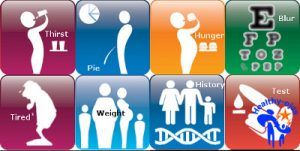
Credit: Healthy-ojas
The cornerstone of any diabetic therapy is healthy lifestyle. Although the immediate goal of diabetes treatment is to lower high blood glucose levels, it requires lifelong treatment and monitoring to prevent diabetes-related complications.
Every diabetic individual and his family members must be aware of some basic diabetes management skills such as, blood glucose monitoring, diabetic diet, medications, how to recognize and treat high and low blood sugar etc.
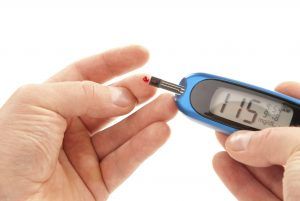 Self testing (using a glucometer) gives an exact blood sugar reading. The results are used to keep an optimal blood sugar levels by adjusting food, activity and medications.
Diabetics should follow a strict diabetes diet to avoid blood sugar from becoming extremely high or low. The timings of the meals are also important as it prevents blood sugar levels fluctuating. Most diabetic diets are designed to be well-balanced meals which help in managing the body weight.
Regular physical activity can control blood sugar and helps shed extra fat to achieve a healthy weight. Exercise improves the blood flow and decreases the insulin resistance.
If diet and exercise fail to optimize the blood sugar levels medicines are prescribed. Some of medicines are alpha-glucosidase inhibitors,biguanides, exenatide, mitiglinide, pramlintide, sitagliptin, saxagliptin,meglitinides,sulfonylureas and thiazolidinediones.
If the combined therapy of medicines, exercise and diet still fails to optimize the blood sugar levels, insulin injections are prescribed.
Although genes play the major role in type 2 diabetes, a healthy lifestyle (wholesome diet, exercise, adequate rest) goes a long way in preventing type 2 diabetes symptoms and associated complications. If you have any of the risk factors, early detection tests may be performed. Medications to delay or prevent the onset of diabetes have shown to be successful.
Stroke is the second most common cause of death and disability worldwide. Sometimes referred to as a cerebrovascular accident (CVA), it occurs due to interruption of the blood flow or excessive bleeding in the brain leading to a rapid loss of function. For this reason, stroke is also known as a 'brain attack'.
Interruption of blood flow compromises on the oxygen reaching brain tissues. When oxygen supply is cut off, the brain cells begin to die.
A stroke is a medical emergency and if untreated, it can cause permanent neurological damage and death. The condition can affect everyday body functions well past the actual event.
Depending on whether the stroke is caused by an interruption of blood supply or a rupture of the blood vessel, they can be:
This occupies close to 87% of stoke incidences. It happens when blood supply to the brain is interrupted or blocked. While the most common cause of blockage is a blood clot in the artery, general decrease in blood supply has also been linked to ischemic stroke.
A less commonly occurring stroke that occupies 10-15% of the total incidence. It occurs when there is a rupture in the artery carrying the blood to the brain. This leads to a blood 'leak' and increases pressure on the brain cells. A common cause of this type of stroke is chronic hypertension.
Often called a 'mini-stroke', transient ischemic stroke (TIA) is different from the other two major types. The blood flow is interrupted due to a blockage like in the case of ischemic stroke. However, it lasts no more than 5 minutes. TIAs are a warning of stroke occurrences in the future and treating them can help prevent the onset of the other two major stroke types.
A leak or an interruption of blood flow can severely affect the brain tissues. The symptoms occurring in different body parts are a reflection of the brain regions affected. Typically, they may manifest as follows:
The symptoms appear suddenly, over seconds to minutes, and in most cases do not progress further.
While stroke can affect both gender, women are particularly at a higher lifetime risk than men. Women are affected at a older age than men at a greater magnitude, and are less likely to recover. Additionally, the stroke-related quality of life in women is much poorer than in men. While the signs are more or less consistent in both men and women, some signs are unique to each gender.
According to the National Heart, Lung, and Blood Institute, certain risk factors contribute to the increased likelihood of stroking. Genetics, diet, physical inactivity, and drug use influence the risk.
Some genes, either directly or indirectly, contribute to a higher risk for the condition. Of the several genes involved, WDR12 and SPSB4 are the most studied.
WDR12 is short for WD Repeat Domain 12. Located on chromosome 2, the gene facilitates the formation of protein complexes among regulating normal cell processes. Variants of this gene influence normal cardiac functioning. Any changes to the blood pressure can cause a rupture of the blood vessel in the brain, causing hemorrhagic stroke.
Intake of food containing excess salt can increase the risk of stroke. Foods that are high in cholesterol and contain saturated fats also promote the risk. Sugary drinks are also to be avoided. Fried foods that are rich in calories contain compounds like acrolein and oxysterols. These can increase your blood pressure, heightening your chance of a stroke.
According to the CDC, the average adult requires at least 2.5 hours of aerobic exercises every week. A total lack of exercise, even avoiding something as simple as a brisk walk, has been shown to increase the risk of stroke twice.
The risk of a stroking is higher among African-Americans, Indian-Americans and the natives of Alaska. The risk is markedly lower among Caucasians and Hispanics.
The doctor may conduct several tests after a preliminary physical examination to diagnose a stroke. These include:
Apart from speech and physical therapy, several medications are used to treat the condition. These include:
Upload your raw data to xcode.life for insights into 700+ health-related traits!