Physical activity and exercise can improve our health in many ways and help in reducing the risk of various diseases. Making physical activity a priority and exercising regularly can show immediate results, especially in older age. A recent study has reported that physical fitness can reduce the risk of dementia by 33%.
Dementia is a condition that affects a person's thinking, memory, and cognitive abilities.
People with dementia find it difficult to perform their everyday activities because it interferes with their thinking, remembering, and decision-making processes.
1 in 7 Americans over the age of 70 years suffer from this condition.
According to the World Health Organization (WHO), dementia is currently the seventh leading cause of death among all diseases and one of the significant causes of disability among older people worldwide.
Damage or loss of nerve cells and their connections in the brain can give rise to this state.
Alzheimer's disease (AD) is the most common cause of dementia in older people.
It is an escalating brain disorder that steadily destroys memory and cognition.
Alzheimer's Disease-Related Dementias (ADRD) is the most common form of dementia.
ADRDs have cognitive and chronic symptoms similar to AD. Hence, it becomes difficult to differentiate it from the latter.
A 2020 study exploring the effect of exercise on dementia reported that active older adults have better cognitive abilities with a reduced risk of dementia than less active ones.
A study conducted in Washington investigated the effect of exercise on dementia and AD.
A total of 1740 people >65 years of age were included in the study.
It was reported that regular exercise is linked to a delay in the onset of dementia and AD.
Another study that included 716 people(average age - 82 years) reported that those with the least physical activity were twice more likely to develop AD than the active ones.
The study conducted by Dr. Edward Zamrini and his colleagues aimed to explore the effect of exercise on the symptoms of dementia.
The study was conducted for an average of 8.8 years and included 649,605 participants between 30 and 95 years of age.
These individuals were free from ADRD or any other form of dementia at the start of the study.
The participants were evaluated by an Exercise Treadmill Test (ETT) to access the levels of cardiorespiratory fitness (CRF) and its association with AD and ADRD.
ETT is a stress test used to determine the effect of exercise on the heart.
The study finally concluded that exercising daily can help reduce the risk of dementia, especially when we get older.
Cacao beans are extensively popular fruit seeds due to their high phenolic and flavanol content. More than 200 chemical compounds (cocoa flavanols) have been identified in cacao beans. Cocoa flavanols offer certain health benefits, such as lowering blood pressure, preventing blood clots, and improving blood flow. A recent study has reported that long-term cocoa flavanol supplementation can reduce the risk of cardiovascular diseases (CVDs).
CVDs are a group of heart and vascular system diseases that results in the narrowing of the blood vessels supplying blood throughout the body. It is one of the prominent causes of death in the United States.
Every year about 1 million Americans die due to cardiovascular problems.
Physical inactivity is one of the prominent reasons which increases the risk of CVDs.
Besides physical inactivity, other risk factors include obesity, smoking, and alcohol intake.
The risk of CVDs can be reduced by making small lifestyle changes.
A healthy diet and exercise regimen is the most effective change for preventing this disease.
Exercise decreases unwanted fat and cholesterol, thereby eliminating the strain on the heart.
A nutritious diet with low sugar content and appropriate servings of fruits, vegetables, eggs, nuts, lean meats, and whole grains can reduce the risk of CVDs.
Recently a study published in The American Journal of Clinical Nutrition reported that long-term consumption of cocoa flavanol could reduce the risk of CVDs.
Nearly 21,442 participants were included in the study and were followed for approximately 3.6 years.
The participants were divided into four groups:
Cardiovascular events refer to conditions including heart attack, stroke, unstable angina, carotid artery disease, and coronary revascularization.
The study bears clinical evidence that cocoa flavanol intervention can reduce the risk of cardiovascular events and deaths due to CVDs.
The study also suggested that the supplementation must be regular and long-term to achieve the extensive health benefits of cocoa flavanol.
https://www.ncbi.nlm.nih.gov/pmc/articles/PMC6520706/
Get Actionable Health Insights From Your 23andMe, AncestryDNA Raw Data!
Vitamin B12, also known as cobalamin, is a water-soluble vitamin. It is essential for the formation of red blood cells (RBCs), synthesis of genetic material- deoxyribonucleic acid (DNA), and development and function of healthy nerve cells. The deficiency of vitamin B12 can increase the risk of anemia, celiac disease, nephropathy, and immune system disorders. A recent study has reported that diabetic patients using metformin in their treatment are more prone to vitamin B12 deficiency.
Diabetes Mellitus is a chronic disease caused due to the impaired production of insulin by the pancreas, leading to elevated blood glucose levels.
There are three types of diabetes:
Type 1 diabetes
Type 1 diabetes is an autoimmune condition in which the body’s immune system attacks the β-cells of the pancreas.
This results in a lower/no production of insulin by the pancreas, thereby leading to diabetes.
Type 2 diabetes
Type 2 diabetes occurs when the body does not respond appropriately to the insulin hormone secreted by the pancreas.
This leads to the overproduction of insulin by the pancreas, causing weight gain and other complications.
Gestational diabetes
Gestational diabetes is when pregnant women without a history of diabetes suddenly become diabetic during the course of pregnancy.
Long-term usage of metformin has been known to increase the risk of vitamin B12 deficiency by affecting its absorption in the intestine.
A unique protein called intrinsic factor binds to vitamin B12 to facilitate its absorption in the intestine.
Vitamin B12 and protein complex are absorbed through a calcium-dependent membrane.
Metformin impacts the activity of this membrane, subsequently influencing vitamin B12 absorption.
Bile acid (steroid acids produced by the liver) and hepatic cells are essential for vitamin B12 absorption.
Metformin reduces the absorption of bile, resulting in the impaired circulation of vitamin B12 in the liver.
Also Read: Genes And Vitamin B12 (Cyanocobalamine) Needs
The researchers at the Al-Qura University, Saudi Arabia, aimed to estimate the prevalence of vitamin B12 deficiency in type 2 diabetes patients using metformin.
The study results were published in the journal Human Nutrition and Metabolism.
206 patients with type 2 diabetes and metformin were included in the study.
Vitamin B12 serum levels of the patients were estimated.
The patients with serum levels below 243 nmol/L were defined as vitamin B12 deficient.
The patients' medical history, demographics, diet, and metformin use were also assessed.
This study design may not be the best way asses the relationship between metformin usage and vitamin B12 deficiency.
The risk for vitamin B12 deficiency in people on metformin for diabetes is elevated.
This risk is influenced by metformin dosage, duration of metformin use, and occurrence and duration of diabetes.
Routine monitoring of vitamin b12 levels may be needed in people with type 2 diabetes, especially those who have been on 1000 mg/day of metformin for > 2 years.
Check Your Genetic Response to Metformin with the Personalized Medicine Report
Get Nutrition & Diet Insights from Your 23andMe, AncestryDNA Raw Data!
Exercise-induced muscle damage is the muscle soreness or fatigue associated with exercise. It especially occurs when performing a novel or unaccustomed exercise. Tart cherry juice is a popular post-workout drink. The antioxidant and anti-inflammatory properties of the cherries offer a protective effect against muscle damage and help reduce inflammation. A meta-analysis published in the international journal of sports nutrition and exercise metabolism has reported that tart cherry juice boosts muscle strength recovery and reduces post-workout soreness.
The sparkling crimson cherry juice is not only a bracing drink but also provides certain health benefits.
Tart cherry juice is made from hybrid cherries called Montmorency cherries.
Montmorency cherries usually ripe early, and they are highly used for making pies, preserves, and juices due to their sour taste.

Image: Montmorency Cherries
Apart from having a rich taste, they are also high in antioxidants, fiber, potassium, calcium, iron, magnesium, and folic acid.
Tart cherries are rich in an anti-inflammatory compound called anthocyanin, which provides relief against inflammation associated with arthritis.
Consuming tart cherry juice increases the production of melatonin, a sleep hormone, in our bodies. Thus, tart cherry juice is very effective for managing sleep-related issues.
Antioxidants in tart cherries help reduce oxidative damage and improve cognitive abilities, especially in older people.
The most popular benefit of tart cherry juice is exercise recovery.
The high levels of flavonoids and anthocyanins present in tart cherry juice lessen the oxidative damage caused by exercise.
It is also found to lessen pain following exercise and decrease inflammation biomarkers.
Also Read: The Genetics of Exercise Recovery
The researchers from St. Mary's University and Northumbria University, England, documented the exercise recovery benefits of tart cherry juice.
The study results were published in the International Journal of Sports Nutrition and Exercise.
The meta-analysis of 14 studies included 223 male and 71 female participants whose average age was 26 years.
The participants were supplemented with American-grown Montmorency tart cherry juice, supplements, concentrate, and powder in all of the studies.
The participants' blood biomarkers - C - reactive protein, creatinine kinase, interleukin 6, and tumor necrosis factor-alpha level- were measured.
| C - reactive protein (CRP) | This test is done to check for inflammation in your body. CRP levels increase with inflammation. |
| Creatinine kinase (CK) | CK plays a role in energy production. Measuring CK levels can help identify tissue or muscle damage. |
| Interleukin 6 (IL6) | IL6 regulates inflammatory and immune responses. IL6 test helps evaluate a person for conditions associated with inflammation. |
| Tumor necrosis factor alpha (TNF-α) | TNF-α regulates various signaling pathways that lead to cell death in the event of infection or cancer. This test is done to checkfor any infections in the body. |
Study Findings
The study finally concluded that tart cherry juice could aid the recovery of muscle function and reduce muscle soreness post a strenuous workout session.
However, the mechanism behind this effect of tart cherry juice is yet to be determined.
https://www.sleepfoundation.org/nutrition/tart-cherry-juice
Get Deep Fitness Insights From Your 23andMe, AncestryDNA Raw Data
Colon cancer is among the third most common cancer affecting people. Almost 149,500 Americans are estimated to get diagnosed with colon cancer in 2021. A study by Umea University reveals that injudicious antibiotics use can be linked to an increased risk for colon cancer. In addition, the effect of antibiotics on the gut microbiome has been reported to be the cause of increased risk.
Antibiotics, when prescribed and taken in recommended amounts, help us fight infections. Studies have shown longstanding relations between antibiotics and gut microbiomes.
Over
The gut microbiome represents a colony of mutually beneficial microorganisms residing in the human gut. Antibiotics interact with these microorganisms and cause changes in composition and function.
Further, overuse of antibiotics leads to opportunistic infections by antibiotic-resistant microbes, which wreak havoc in the body. The gut microbes’ genetic expression, protein activity & general metabolism change, and replacement or restoration may take years. Often, the original state is hardly regained.
*Note: Opportunistic Infections are caused by pathogens that take advantage of a body situation not normally present.
Genetic expression is the process by which information stored in a gene is used to produce proteins to finally cause a physiological effect.
Colon cancer can be very elusive. The symptoms might not register right away, or it may look like the symptoms are caused by some other infection, irritable bowel syndrome, or inflammatory bowel.
Colon cancer initially manifests as polyps in the colon. These polyps are non-cancerous to begin with; they later develop into cancer. Survival entirely depends on the cancer stage, with the 5-year survival rate being 90.1 % for stage I colon cancer.
Certain types of bacteria in the gut microbiome produce sulfur which is known to be detrimental to DNA. DNA damage causes mutations that might be carcinogenic (having the potential to cause cancer).
Dietary patterns like a diet high in animal fat and protein are a classic risk factor for colon cancer. Additionally, the aforementioned dietary pattern is consistent with an increased diversity of sulfur-producing bacteria in the gut microbiome.
Bacteria like Streptococcus bovis are known inducers of cytokine production, which interfere with cell death in cancerous cells. Further, they enhance the production of new cancer cells and new blood vessels to supply the cancer cells.
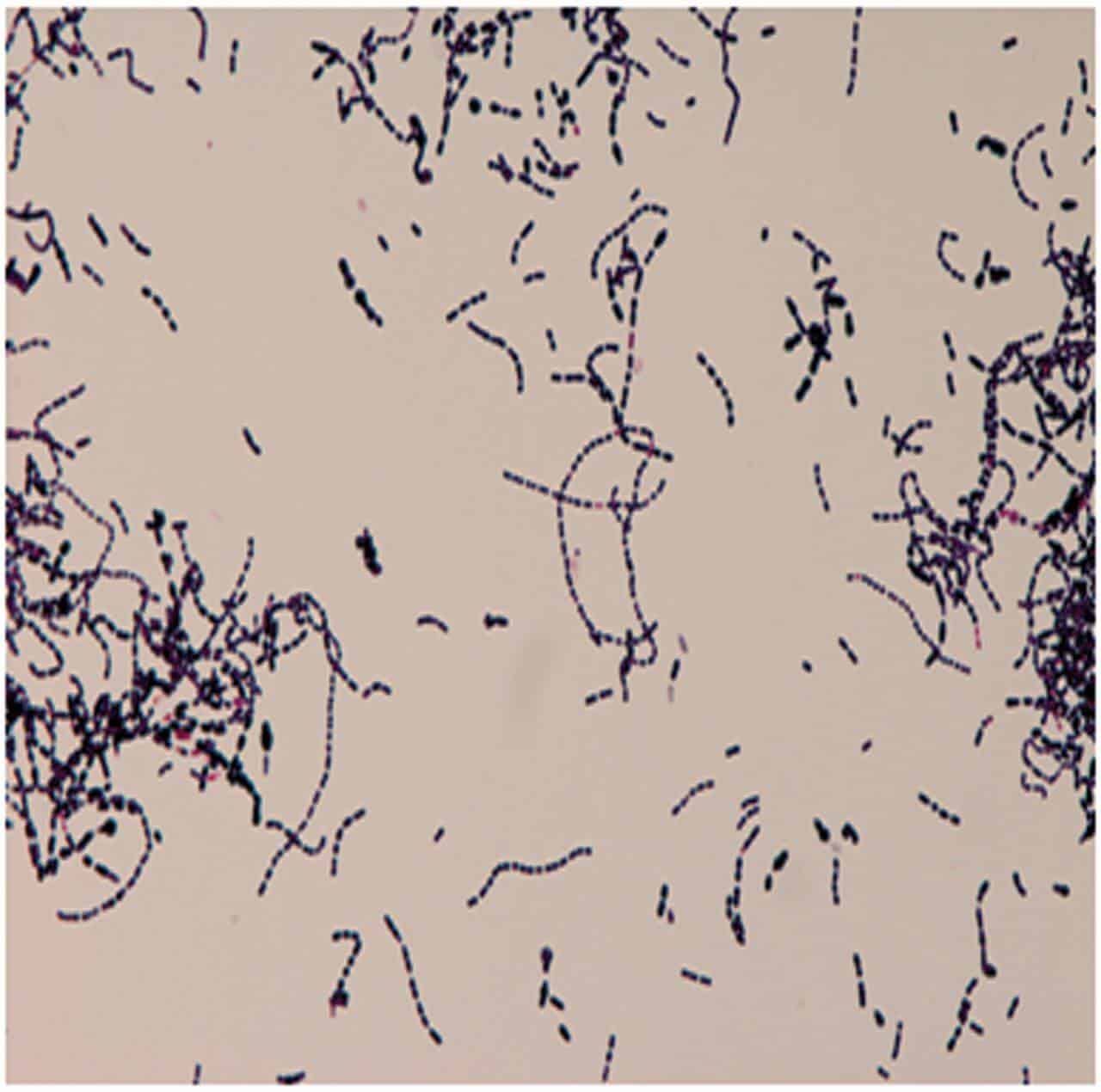
Image: S.bovis associated with colon cancer
Source: https://casereports.bmj.com/content/2017/bcr-2017-219488.full
Notably, Helicobacter pylori is a known microbe contributing to colon cancer development. H.pylori contains an oncoprotein (cancer-causing protein) - cagA - which triggers a human oncoprotein in the stomach cells. This promotes the growth of cancer.
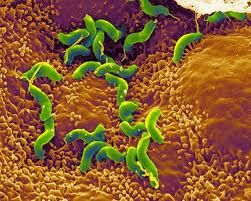
Image: H.pylori associated with colon cancer
Source: https://www.askdrray.com/colon-cancer-associated-with-h-pylori/
The study done at Umea University and led by Sai San Moon Lu explored the effects of antibiotic use on colon cancer risk.
Colon cancer data of 40,000 Swedish patients from 2010-2016 against a control group of 200,000 cancer-free individuals were analyzed. In addition, antibiotic use data was taken from the Swedish Prescribed Drug Register for 2005-2016.
Compared to men and women who took less or no antibiotics, individuals who took antibiotics ran a 17% greater risk of developing colon cancer in the first part (ascending colon).
*Note: The colon has three parts: ascending, transverse, and descending.
Moreover, women showed an inverse association, i.e., women with antibiotics use experienced a somewhat lesser risk for rectal cancer.
To study the mechanism of how antibiotics contributed to the development of colorectal cancer, the researchers performed an additional experiment.
They followed the effects of the use of a non-antibiotic antiseptic drug generally used for urinary infections.
The usage of this drug was not linked to gut microbiome disruption and colon cancer risk.
The current study’s findings suggest that antibiotics increase the risk of colon cancer by affecting the gut microbiome.
All in all, antibiotics become necessary in certain therapeutic situations. However, in cases of minor illness, individuals should take care to use antibiotics only upon the physician’s advice.
As of 2016, approximately 26.8 million people worldwide suffer from opioid use disorder (OUD), with more than 47,000 deaths from opioid overdose in the USA. A study presented at the European Society of Cardiology (ESC) 2021 reported that there had been a steep rise in cardiac arrest trends resulting from opioid use compared to other causes.
OUD is a chronic and recurring condition that develops due to long-term use and dependence on opioids. Though in early stages, opioids interact and activate reward neural pathways, continued use increases the activation of anti-reward neural pathways. This leads to detrimental effects like emotional stress and recurrence.
A neural pathway is a series of connected neurons that send signals from one part of the brain to another.
Image: Neural Network
OUD is prevalent in the USA, with 3.4% of women and 3.9% of men suffering from it. Commonly used opioid medications include codeine and oxycodone.
An opioid overdose occurs due to opioid misuse. Legally prescribed opioids, usually used as painkillers, can quickly become a source of addiction if used chronically. Most chronic opioid users start with medically prescribed opioids and move to heroin.

Image Source: Opiant
The image depicts the demography of Opioid-related overdose deaths between 1999-2017
In recent years, a shift from heroin to fentanyl has been seen. Fentanyl is a synthetic opioid that is 50 times more potent than heroin. About 2 mg of fentanyl can kill most people.
In the event of overdose, naloxone can mediate the effects - slowed or total cessation of breathing.
Xcode Life’s Personalized Medicine report gives your body’s predisposition to drug interactions covering opioids, acetaminophen, and others. Check it out here.
Although opioids offer relief from acute pain, the side effects are immense - especially for people with existing heart problems.
A study has reported that the risk of death from heart diseases increased by 65% in patients who consumed opioids compared to those who took non-opioid painkillers.
The long-term effects of opioid use on heart health include:
Infectious endocarditis or heart infection occurs due to heroin (injected opioid) misuse — vegetations consisting of bacteria, platelets, and protein form in the heart blocking blood vessels. Since 2010, opioid use has increased the incidence of IE hospitalizations by 12-fold.
Bradycardia may not present as a severe side-effect, but it makes exercising difficult. Opioids affect the sinus node (part of the heart responsible for regulating electrical signals) by slowing it down. Consequently, the heart slows down.
Opioids obstruct electrical signals generated in the atria (a chamber of the heart), thus resulting in rapid, irregular heartbeats. This increases the risk of heart attack and stroke.
Opioids cause blood vessels to dilate or widen, leading to low blood pressure. Persistent low blood pressure can deprive the heart and brain of oxygen, thus hampering their functionality.
Explore your risk status for conditions like atrial fibrillation, stroke, and other 50+ health conditions with Xcode Life’s Gene Health Report.
According to recent data, opioid use interferes with key medications used for CVDs (cardiovascular diseases) and stroke.
For example, benzodiazepines are a class of drugs like Valium, which treats anxiety, seizures, and insomnia.
Opioid medications interact adversely with benzodiazepines and can lower heart function.
Apart from these heart problems, increased opioid use through injection is associated with increased rates of MRSA (methicillin-resistant Staphylococcus aureus).
In 2008, there was a considerable spike in hospitalization rates for strokes resulting from cerebral emboli linked to IE.
The study, co-authored by Ms. Senada Malik, examined trends in cardiac arrests resulting from opioid use for the duration of 2012-2018.
For the study, the US Nationwide Readmissions Database (NRD) was analyzed for individuals suffering from cardiac arrests due to opioid use compared to those who did not use opioids.
The researchers observed an increasing trend in cardiac arrests due to opioid use for the said study period.
According to Ms. Malik, by 2018, the number of opioid-linked cardiac arrests was at par with cardiac arrests resulting from all other reasons considered together.
According to the NRD database, out of 1,410,475 hospitalizations for cardiac arrests, 3.1% were opioid-linked. These patients also had a tendency to have higher occurrences of alcohol abuse, smoking, and depression.
Opioid drug abuse is a severe public health burden. It not only has detrimental personal effects but also societal repercussions.
Abuse of opioid drugs leads to poor lifestyle choices, damages employment prospects, and plunges the person into poverty and depression. Some people even resort to criminal activities.
The American Heart Association (AHA) recently outlined a few recommendations to manage opioid use in existing heart and neurological problems.