All bodily happenings - those we know of and even those we do not know about - are processed by the brain (cognitive function). We feel and experience our body both outwardly (our physical appearance or the sensation of touch) and inwardly (the intensity of hunger or our heartbeat during physical activity). The brain is continuously at work, processing and answering external and internal stimuli (even which we do not consciously know about).
A study by Anglia Ruskin University examined the processing of signals from the internal organs by the brain. Adults with weak connectivity and brain processing capacity experience a lack of self-perception leading to body shaming and weight preoccupation.
Interoceptive awareness (IA) is knowing or being conscious of the body’s internal state and activities. The interoceptive system of the brain controls it.
The interoceptive system represents one of the least studied and comprehended parts of the body’s nervous system. In addition to overseeing IA, the interoceptive system controls our automatic or reflex movements (breathing, flinching, etc.).
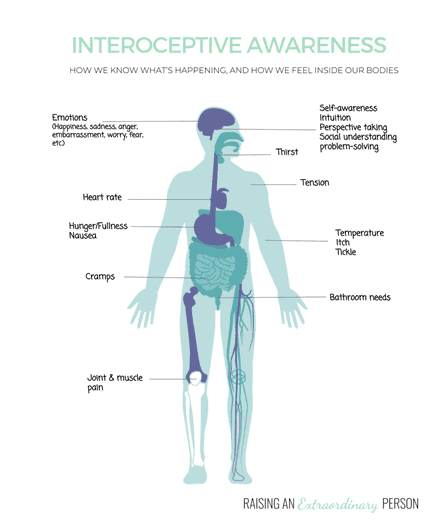
Image Source: he’s extraordinary
Interoceptive awareness includes knowing about hunger, thirst, itching, emotions, and other bodily urges.
The part of the brain involved in IA is the insula. The insula is located deep inside the cortical region of the brain - hidden behind many folds.
Sensory impulses from all over the body send signals. These signals are received and processed by the insula to create IA. Some studies link IA functionality to the hippocampus.
IA affects self-awareness, recognition & regulation of emotions, ability to solve problems, and perspective.
The study by Anglia Ruskin University focused on examining the processing of internal body cues by the brain and its association to body image.
The study assessed 36 healthy adults in 4 different spheres:
The last two measurements were done to track interoceptive processing.
It was observed that some of the internal signals given out by the gut and heart are processed unconsciously. The brain processes such signals to continuously keep itself updated on the body’s internal state.
Weak brain responses to signals from both gut and heart were associated with increased body shame and weight preoccupation.
The researchers hypothesize that when the brain’s connectivity to the internal body state is weak, the brain overcompensates by putting more attention to the external body state.
This leads to the individual’s obsession with appearance as a measure for self-evaluation.
Further, differences in these internal connections between the brain and organs can help understand why and how people get afflicted with eating disorders.
The study’s findings are significant as the gut and heart signal measurements can be useful as biomarkers to identify and predict negative body image associated with eating disorders.
In addition, training individuals in interoceptive awareness can help amplify the unconscious signals and work towards a positive self-outlook.
Hypertrophic Cardiomyopathy (HCM) is one of the most common genetic heart conditions to affect American people. Globally, HCM affects around 1 in 500 people. Although most people can get through life without any visible symptoms or only experience mild symptoms, some cases of HCM can prove life-threatening. The chances of sudden death without any visible sign are very high in HCM cases. A recent study by the University College London found a new gene that can cause HCM.
HCM is a heritable heart disorder characterized by the thickening of the septum separating the heart’s ventricles. The thickened muscle leads to an obstruction in proper blood flow. This makes an abnormal heart sound during the heartbeat.
*Note: Septum is the muscular wall that separates the heart’s right and left ventricles. Ventricles are two major chambers inside the heart that help pump blood.
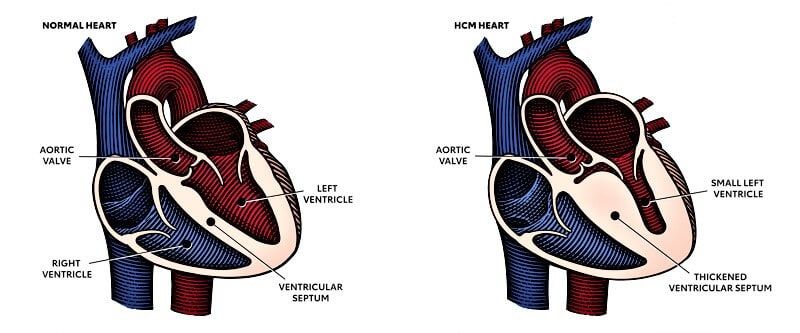
Image Source: American Heart Association
The image depicts a healthy heart and HCM heart structural differences.
HCM may cause shortness of breath, chest pain, palpitation, dizziness, and fainting. Although the symptoms may not present with much life threat, HCM can cause other health complications such as:
Inheritance of HCM follows an autosomal dominant pattern, i.e., having an error or errors on one copy of the gene in each cell can cause the disease.
Affected individuals, therefore, have a parent with the illness which gets passed to them.
If you have a parent with HCM, there’s a 50% chance of the disorder being passed to you.

Image: Autosomal Dominant Inheritance
HCM is a polygenic disorder, i.e., it can be caused by mutations in two or more genes.
All the genes involved with this disorder appear to be related to the heart’s contraction via structures known as sarcomeres.
However, the exact mechanism of how the gene mutations lead to cardiac muscle hypertrophy is still unclear.
The ALPK3 gene contains information for the production of the alpha-protein kinase 3. This protein regulates the growth of heart cells (cardiomyocytes) and is usually found in heart muscles or skeletal muscles.
In 2018, certain changes in the ALPK3 gene were found in a pediatric cardiomyopathy patient from Tunisia. The patient, a 3-year old boy, had hypertrophic & dilated cardiomyopathy and muscular and skeletal deformities.
The study conducted by University College London aimed to find the frequency of pathogenic variants of the ALPK3 gene in HCM patients.
*Pathogenic variant is a genetic change that has been proven to increase the risk of developing a particular disorder.
Researchers analyzed samples from 2817 HCM patients from healthcare centers in the UK, Spain, Latvia, Russia, Denmark, Brazil, and Argentina for the study.
DNA was extracted from the samples with subsequent whole-exome sequencing and analysis of ALPK3 gene changes.
The researchers further compared the frequency of the ALPK3 gene changes in the subjects against the general population.
They also conducted familial screening for the ALPK3 gene changes to pinpoint whether the presence of the changes meant disease manifestation.
The newly discovered pathogenic variants called truncating ALPK3 changes (after their nature of mutation) will be added to the list of genetic testing/screening for HCM.
The study’s findings will answer the questions of many HCM patients who got diagnosed but did not know the exact cause.
New findings of disease causal factors open new pathways of diagnosis and therapeutic targets, which might help many afflicted people.
Insulin is a hormone made by the pancreas that allows your body to use glucose for energy. Insulin sensitivity refers to how well the cells in your body respond to insulin and uptake glucose from the blood. Recent research has reported that standing is associated with better insulin sensitivity; hence increasing the standing time on a daily basis might help prevent chronic diseases.
If your body is sensitive to insulin, it means that it can transport glucose from your blood into the cells to be used as an energy source.
A high insulin sensitivity results in a faster and more effective movement of glucose into cells.
Low insulin sensitivity is also called insulin resistance. The cells of the body do not respond to insulin, and as a result, do not absorb the glucose. This leads to high glucose levels in the body, eventually resulting in type 2 diabetes.
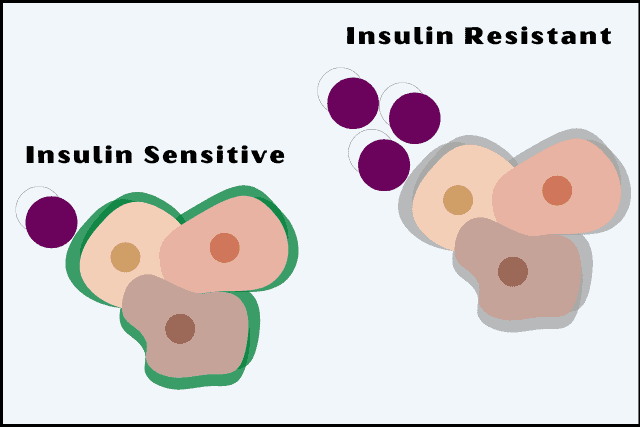
Image: Insulin sensitive vs Insulin resistant
A group of researchers from the University of Turku investigated the associations between insulin resistance and sedentary behavior in inactive working-age adults.
The participants had an increased risk of developing type 2 diabetes and cardiovascular diseases.
This study was published in the Journal of Science and Medicine in Sport and reported that standing is associated with better insulin sensitivity.
The researchers observed the following:
The researchers further aim to study if reducing daily sitting time by an hour can impact energy metabolism and fat accumulation in the liver and the whole body.
.
https://medicalxpress.com/news/2021-09-association-insulin-sensitivity.html
https://www.medicalnewstoday.com/articles/323027#:~:text
https://www.diabetes.co.uk/insulin/insulin-sensitivity.html
Insulin resistance is a condition that prevents the body from responding to insulin the way it should. When the cells don't absorb and utilize sugar for energy, glucose builds up in the blood, ultimately resulting in diabetes. A study by Standford Medicine scientists has established a relationship between insulin resistance and major depressive disorder.
Insulin is a hormone secreted by the pancreas.
It instructs the cells to take up glucose from the blood and utilize it for energy.
This is achieved by the insulin receptors (proteins that bind to insulin) present on the surface of the cells.
In people with insulin resistance, the insulin receptors do not function well.
As a result, the cells don’t respond to insulin and uptake glucose.
This leads to increased levels of glucose in the bloodstream.
Some causes of insulin resistance include obesity, inactive lifestyle, excessive carbohydrate intake, smoking, hormonal disorders, and sleep disorders.
Prediabetes often occurs in people with high insulin resistance.
According to the Centers for Disease Control and Prevention, around 1 in 3 people in the United States have prediabetes.
Insulin resistance is usually asymptomatic until diabetes develops.
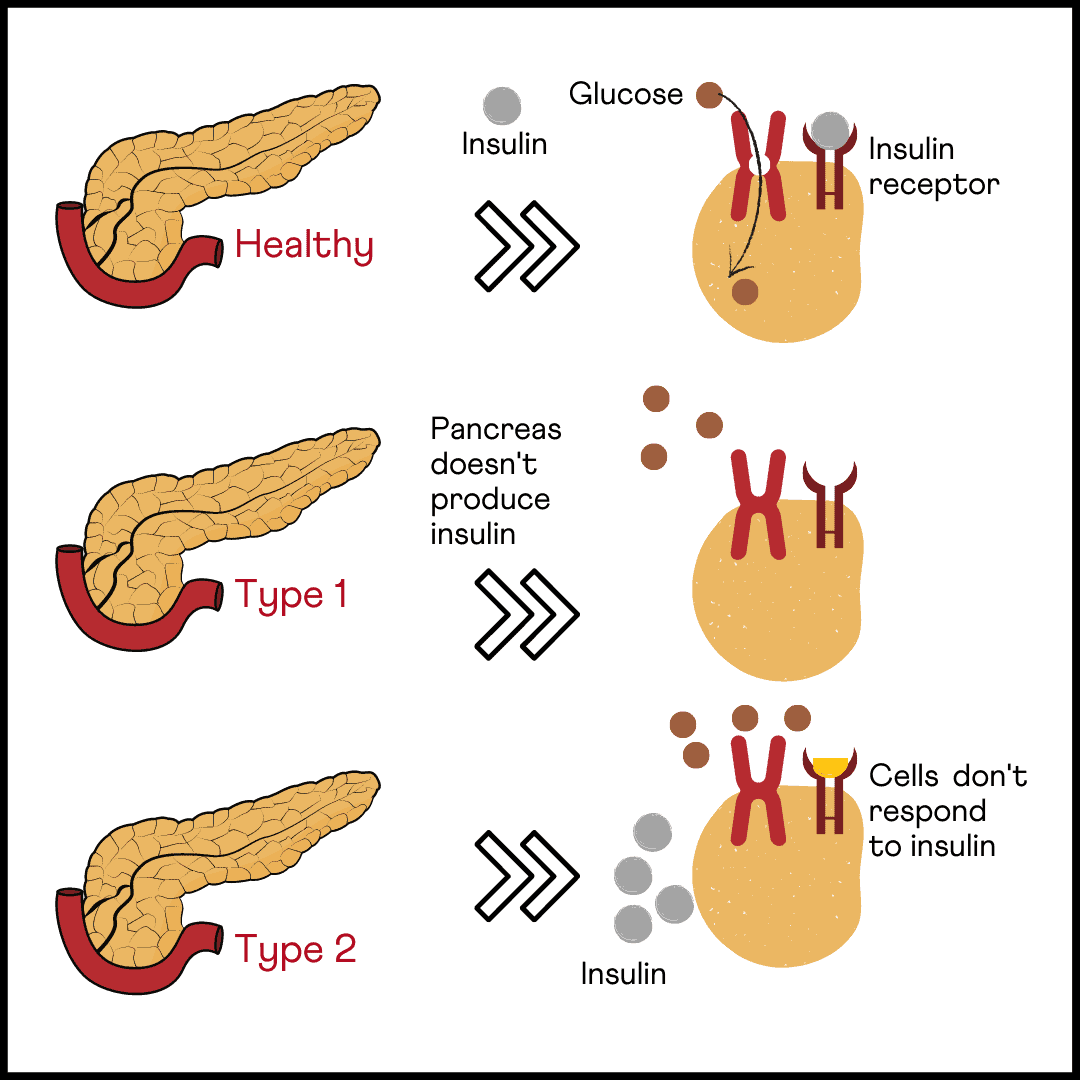
Image: Insulin and Diabetes
Living with diabetes or insulin resistance often affects mood and mental health.
Blood glucose fluctuations may lead to mood swings, resulting in stress, depression, and anxiety.
Studies reveal that about 40% of people who experience mood disorders are insulin resistant.
Major depressive disorder (MDD) is a mood disorder.
People with MDD struggle with persistent depression, lack of interest in activities, and behavioral problems.
It is one of the most common mental health conditions in the United States.
Several factors, including biological, psychological, and social causes, contribute to this condition.
Medications, psychotherapy, and lifestyle changes can effectively treat people with MDD and help them manage their symptoms.
The study conducted by the researchers of the Stanford team used the data collected from the Netherlands Study of Depression and Anxiety to learn the causes and consequences of depression.
For the first phase of the study, the researchers considered a pool of 601 men and women.
They checked the data for the three common markers of insulin resistance- fasting blood glucose levels, waist circumference, and serum fat levels.
Those found to be insulin resistant were then observed for their risk for developing MDD over a period of 9 years.
It was found that:
However, in a few members of this batch, there was little clarity about when they developed insulin resistance.
The next phase of the study thus involved studying 400 participants who had no signs of depression and insulin resistance at the onset of the study.
Among these, those who became insulin resistant (one-fourth of the phase 2 study group) at the 2-year point were more like to develop MDD in the next 7 years than the others whose blood glucose levels were normal.
While the study was unable to establish a strong relationship for parameters like waist circumference and cholesterol levels, fasting glucose emerged as a significant factor for MDD.
“Those developing prediabetes within the first two years of the study had 2.66 times the risk for major depression by the nine-year follow-up milepost, compared with those who had normal fasting-glucose test results at the two-year point.”
https://medicalxpress.com/news/2021-09-insulin-resistance-major-depressive-disorder.html
https://www.cdc.gov/diabetes/basics/prediabetes.html
https://www.mayoclinic.org/diseases-conditions/depression/symptoms-causes/syc-20356007
Gums in the mouth seal around our teeth and hold them in their place. Unfortunately, poor dental hygiene can damage your gums, which may go unnoticed as they are mostly painless. Ruinous gums can lead to gum diseases like periodontitis and gingivitis, causing inflammation of gums. A recent study has reported that periodontitis can give rise to a series of mental health conditions, autoimmune diseases, and cardiometabolic diseases.
Periodontitis is an inflammatory disorder that affects the gums.
Gums are soft tissues surrounding the teeth.
Periodontitis can affect any one tooth to all the teeth.
It is mainly caused due to the plaques that build upon our teeth every day.
The plaque buildup makes the gums bleed, inflamed, and red.
Therefore, it is necessary to brush the teeth properly to avoid plaque building up.
The initial stage of periodontitis is gingivitis - the swelling of the gums.
Usually, gingivitis does not cause any pain; hence it gets unnoticed in some people.
Gingivitis can be cured easily by following good dental practices, proper brushing, and flossing at home.
However, if left untreated, the condition progresses into periodontitis.
The study led by researchers at the University of Birmingham, United Kingdom, reported that periodontitis could increase the risk of diabetes, heart diseases, mental illness, and autoimmune diseases.
The study was published in the journal of BMJ Open.
The team collected data from nearly 64,400 UK patients with a history of gum disease.
They further compared the data with a group of 251,161 people without gum disease.
After a follow-up of three years, the study reported that the people with gum disease had
The outcomes of gum disease - bad breath, tooth loss, gum pockets can have psychological impacts leading to loss of confidence, inability to mingle with others, and fear of judgment (symptoms of depression and anxiety).
Periodontitis causes autoimmune diseases due to the changes in proteins caused by a periodontal pathogen.
This, in turn, releases antibodies (proteins produced by the body's immune system ) that act against healthy cells.
Whether gum disease causes these problems or vice versa is ambiguous; hence further research is required to know more about the association.
https://www.westervilledental.com/what-is-the-ideal-oral-health-routine/ https://www.medicalnewstoday.com/articles/study-links-gum-disease-to-mental-health-conditions
Every day we are exposed to numerous chemicals present in the food we intake, water, air, and products we use. Exposure to chemicals leads to an array of health risks. Inhaling or ingesting chemicals during pregnancy may cause problems for both the mother and baby. A recent study has reported that exposure to a common chemical disrupts a hormone produced by the placenta during pregnancy.
Phthalates are a class of chemicals involved in the manufacture of plastics.
They are generally described as plasticizers and provide durability to plastics.
They are also used to dissolve certain substances as they have a high boiling point and low melting point.
Phthalates are found in substances like ink, paints, cosmetics, pharmaceuticals, and surprisingly, food products.
People are exposed to phthalates when they eat or drink food stored in containers made up of phthalates.
They also enter our body through our lungs when we breathe phthalate particles in the air.
When pregnant women are exposed to phthalates, their levels of sex hormones like estrogen and thyroid hormones get deranged.
As a result, they might experience a decrease in the pregnancy duration and other birth outcomes - preeclampsia, cryptorchidism, and decreased anogenital distance in babies.
Preeclampsia is a pregnancy disorder characterized by hypertension. It can lead to various health ailments for the mother and the baby.
Cryptorchidism is a genital disorder that occurs in newborn male babies. The testicles (male sex organs) are improperly aligned in this disorder.
Usually, phthalates break down into small particles in the human body and leave our body through urine.
CRH regulates the body's functions in response to physical and emotional stress.
The hormone also plays a vital role in pregnancy.
The placenta synthesizes and discharges the CRH into the circulating blood during pregnancy.
Thereby the levels of CRH increase at the time of delivery.
The level of CRH found in pregnant individuals is 1000 - 10000 times greater than that of non-pregnant individuals.
The CRH regulates fetal maturation, labor timing, and the placenta's blood flow to the baby.
The CRH levels are usually low during mid-pregnancy.
But high levels of perinatal stress can increase the CRH levels during mid-pregnancy, resulting in adverse birth outcomes.
At the same time, lack of CRH during labor can also lead to various pregnancy outcomes - premature birth, miscarriages, preeclampsia, retardation of the baby's growth.
The study appears in the journal of Environmental International.
It has elucidated the association between exposure to phthalates and pregnancy.
The women were tested only twice during their pregnancy.
Since phthalates have a fleeting life in the human body, a single spot urine test cannot determine the exposure levels.
More than half of the study participants were black women. They tend to have higher exposures to chemicals due to their lifestyle but are marginalized in pregnancy studies.
So, it is advised to avoid them or limit their usage during pregnancy.
Rather than drinking water directly from the tap, using a filter can help you avoid phthalate exposure.