Diabetes has almost become a household name - 1 in every 10 Americans has the disorder. According to the National Diabetes Statistics Report 2020, diabetes has been on the rise among the youth. Type 2 diabetes (T2D) accounts for almost 90-95% of cases in the US. According to new research presented at the European Association for the Study of Diabetes (EASD) 2021, the commonly used osteoporosis drug alendronate can help reduce the risk of T2D.
Diabetes occurs due to either the body’s incapability to utilize insulin or produce insulin.
It can also happen if there’s an overproduction of insulin (diabetes insipidus).
Diabetes has two forms - type 1 diabetes mellitus and type 2 diabetes mellitus.
General symptoms of diabetes include:
The most common form of diabetes, T2D, is characterized by insulin resistance.
The body’s cells stop utilizing insulin, and blood glucose levels start rising.
T2D usually develops over time, and many people might not notice until the disorder has progressed quite a lot.
In addition, T2D is a multifactorial disorder, i.e., the condition may get triggered by both genetic and environmental factors.
Know about your genetic predisposition for type 2 diabetes and 50+ other health conditions with Xcode Life’s Gene Health Report!
In type 1 diabetes (T1D), the body’s immune system mistakenly attacks healthy pancreas cells, which would otherwise produce insulin.
In the event of the death of enough pancreatic cells, the body becomes incapable of making insulin.
This leads to a rise in blood sugar levels.
Type 1 diabetes is an autoimmune disorder and usually occurs due to inheritance.
An individual develops the condition when one or more family members also suffers from it.
Symptoms of T1D usually progress pretty rapidly once it gets triggered, sometimes within weeks or months.

Image: Types of Diabetes
Osteoporosis is characterized by decreased bone strength which increases the risk of fractures.
This occurs due to a combination of low bone mass, reduced bone quality, and slight structural deformities.
Diabetes and osteoporosis share quite the comorbidity that is still being widely investigated.
The risk of fractures increases approximately 6% in T1D due to low bone mass.
In T2D, even though bone mass may be maintained, inferior quality of bone increases the risk of fractures by almost twice in the general populace.
Several factors actively contribute to the comorbidity of osteoporosis and diabetes, such as:
The study led by Dr. Rikke Viggers of Aalborg University Hospital, Denmark, explored the effects of the osteoporotic drug alendronate on type-2 diabetic patients.
Rikke Viggers and colleagues examined patient data from the Danish National Patient Registry from 2008-2018.
These were individuals who were 50 years old and more and developed diabetes after 2008.
Furthermore, the patients’ prescription records were examined to check for the usage of alendronate and its effect on the onset of diabetes.

Image: Study Results
The study’s findings suggest a possible protective effect of alendronate against diabetes.
However, the researchers concluded that further clinical research on this front was needed to confirm the protective effects.
Get Actionable Health Insights From Your 23andMe, AncestryDNA Raw Data!
Engaging in regular physical activities can help weight management and strengthen our bones and muscles. In addition, it can help us stay healthy and free from diseases like cardiometabolic disorders, diabetes, and hypertension. A recent study has reported when older adults stay active, their brain releases more of a class of proteins that lead to better cognition.
Our brain helps us respond to external signals by accepting and transferring the signs through our brain cells.
The brain cells communicate at a specialized junction called the synapse.
They are tiny gaps between the preceding brain cell that sends the information and the succeeding cell that receives it.
Moving your body and indulging in regular physical activities is good for our physique and our brain.
In addition, physical activity can boost our cognition - the ability to think, respond, and solve problems.
Exercises can also help us reduce the risk of cognitive decline.
Research suggests that inactive adults have twice the risk of cognitive decline than active adults.
According to the Physical Activity Guidelines for Americans, adults need to perform at least two types of physical activity every week to maintain their physical and mental health.
The researchers at the Weill Institute for Neurosciences and the University of British Columbia reported that exercise improves brain aging in older adults.
The study is the first to use human data to show that physical activity is linked to synaptic proteins and better cognition.
Synapses are connection points between brain cells that help maintain cognition. They are composed of proteins that facilitate the transmission of information.
The researchers obtained the data from the Memory and Aging Project at Rush University in Chicago and tracked the physical activity of the elderly participants during their senescence.
The participants have also agreed to contribute their brains after they die.
The findings were coherent with previous findings that people who had more of these proteins when they died had better cognition in their late life.
Exercise and body movements support and stimulate the normal functioning of proteins, resulting in transmitting signals throughout the brain.
It is believed that amyloids and tau (proteins involved in Alzheimer's) disintegrate the brain cells.
However, research suggests that synaptic integrity (a measure of healthy neuronal transmission) measured in the brain tissues of autopsied adults weakens the relationship between Alzheimer's proteins, leading to brain degeneration.
Elderly adults with higher levels of proteins associated with synaptic integrity have a reduced risk of Alzheimer's disease.
Thus, sustaining healthy synaptic integrity can protect our brain from neurodegenerative diseases, which can be maintained by performing physical activities and exercises.
Get A Comprehensive Fitness Analysis with the Gene Fitness Report
https://www.sciencedaily.com/releases/2022/01/220107100955.htm
https://www.cdc.gov/nccdphp/dnpao/features/physical-activity-brain-health/index.html
https://www.ncbi.nlm.nih.gov/pmc/articles/PMC6770965/
Get Deep Fitness Insights From Your 23andMe, AncestryDNA Raw Data
In the era of nutritional and wellbeing awareness, it's no secret that all the processes of the body are interconnected.
Experts up till now have identified strong evidence to suggest that eating habits are crucial for the quality of sleep.
But what about the other way round?
Could your sleep quality, duration, and hygiene affect how much you eat?
The hunger hormone found in our body is called Ghrelin.
Its main function is to increase our appetite and induce the feeling of hunger.
Ghrelin also regulates glucose homeostasis (blood sugar regulation) and promotes fat storage.
On the other hand, a hormone called Leptin induces satiety or the feeling of fullness.
The levels of both these hormones significantly influence your eating habits.

Image: Hunger-regulating hormones
Research has shown that sleep patterns influence ghrelin levels.
When a person is asleep, the body reassures the brain that the existing energy levels are sufficient for the time being.
Hence, the ghrelin levels decrease, and at the same time, leptin levels rise.
A study has found a significant association between sleep duration and leptin and ghrelin levels, independent of age, sex, BMI, and other confounding factors.
A single night of disrupted sleep increases ghrelin levels and typically has no effects on leptin levels.
However, chronic sleeplessness results in the fall of leptin levels as well.
According to a report in the journal of the Public Library of Science, those who consistently slept for 5 or less hours a night had a significantly different profile of the hunger hormones than those who consistently slept for 8 hours.
These changes in the hormone levels ultimately lead to increased hunger and excessive eating, all of which may result in weight gain and obesity.
A randomized clinical trial was conducted to examine the effects of sleep extension on energy intake among overweight adults.
The results, published in JAMA Internal Medicine on the 7th of February, reported that the participants who slept for an extra 1.2 hours (72 minutes) per night reduced their energy consumption by 270 kcals per day.
| No. of participants | 80 adult men and women |
| Age | 21-40 years |
| BMI (Body Mass Index) | 25.0-29.9 |
| Mean sleep duration | 6.5 hours |
| Race | Asian, Black or African American, Hispanic, and White |
The participants used an accelerometer-based monitor with an event marker to record their sleep-wake patterns.
During the 2-week baseline, the participants followed their habitual sleep duration.
At the end of two weeks, the participants chosen for sleep extension underwent a counseling session with a sleep hygienist.
The study investigators then advised this group of participants to extend their sleep duration to 8.5 hours.
On day 22, the participants returned for a brief follow-up and counseling session (if required).
The energy intake and storage were measured using the doubly labeled water method, a urine-based test.
Sleep is a vital part of maintaining a healthy lifestyle and preventing a plethora of diseases.
Those who habitually sleep for seven hours or less can benefit in terms of weight loss when they extend their sleep duration.
Avocados, being high fiber-dense, play a crucial role in weight loss by suppressing the appetite and promoting metabolic health. A recent study has reported that an avocado a day could help redistribute belly fat in women towards a healthier profile. The study further reported that avocados could also impact the way body fat is stored.
There are two types of abdominal fat in the human body.
The fat present right underneath the skin is called subcutaneous fat.
The fat stored in the deeper layers is called visceral fat.

Image: Types of abdominal fat
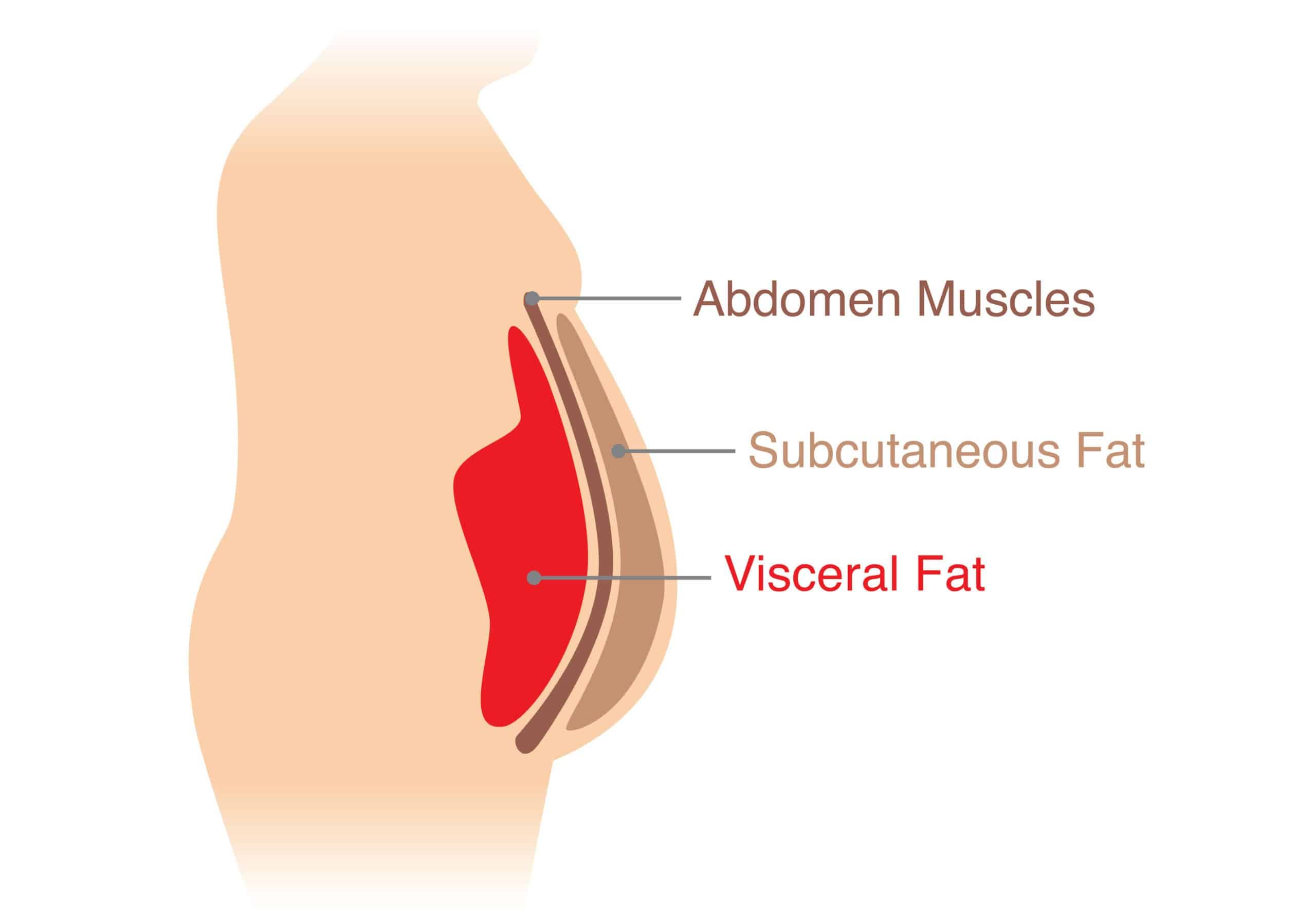
Subcutaneous fat can be pinched, but the visceral fat can only be seen and measured and not pinched.
Several factors are responsible for the accumulation of belly fat, including poor diet, lack of exercise, and stress.
However, improving nutrition, increasing activity, and making other lifestyle changes can help in losing the accumulated fat.
Health complications from subcutaneous fat are more harmful than complications from visceral fat.
Excess belly fat can increase the risk of:
It is very easy to dismiss the weight loss properties of avocados due to their high-fat content.
However, the fact that its fat is healthy contributes significantly to its weight loss features.
Avocados help in weight loss in different ways.
A randomized controlled trial was conducted by Naiman A Khan at the University of Illinois Urbana-Champaign to study the redistribution of belly fat by eating avocados.
The study included 105 overweight and obese adults.
The participants were given one meal per day for 12 weeks.
One group received a fresh avocado in their daily diet.
The other group ate a similar diet without avocado.
The participants’ glucose tolerance (a measure of metabolism) and abdominal fat were measured at the beginning and end of 12 weeks.
The following observations were made:
The researchers hope to conduct a follow-up trial where they plan to observe the changes in the gut and physical health in response to avocado consumption.
These results can aid nutritionists and other healthcare professionals in providing better dietary recommendations to reduce fat storage and lower diabetes risk.
The Best Ways To Consume Avocados To Reduce Fat
https://www.sciencedaily.com/releases/2021/09/210907110702.htm
https://www.medicalnewstoday.com/articles/270406
Our guts host trillions of microbes that play a very important role in our health. From helping with digestion to aiding immune function, gut microbes interact with our body in numerous ways. A recent study on bumblebees has shown that gut bacteria can even affect memory learning. The abundance of a species of Lactobacillus was associated with better memory and learning ability.
Our digestive system has about a hundred trillion bacteria, both good and bad.
The gut bacteria specifically refers to the ones living in your intestines.
Scientists now call gut bacteria the “forgotten organ,” owing to their significant roles in health and diseases.
Some of the good bacteria in our gut include Lactococcus, Lactobacillus, and Bifidobacteria.
They are commonly found in foods like yogurt, kefir, sauerkraut, tempeh, kimchi, and miso.
Clostridium perfringens, Escherichia coli, and Staphylococcus are the bad bacteria that cause diseases like skin infection, cholecystitis, urinary tract infections, and pneumonia.
E.coli is found in foods raw or undercooked ground meat products, raw milk, and fecal contamination of vegetables.
C. perfringens infection include meat, poultry, gravies, and other foods cooked in large batches.
Most frequently implicated in cases of staphylococcal food poisoning are poultry and cooked meat products such as ham or corned beef.
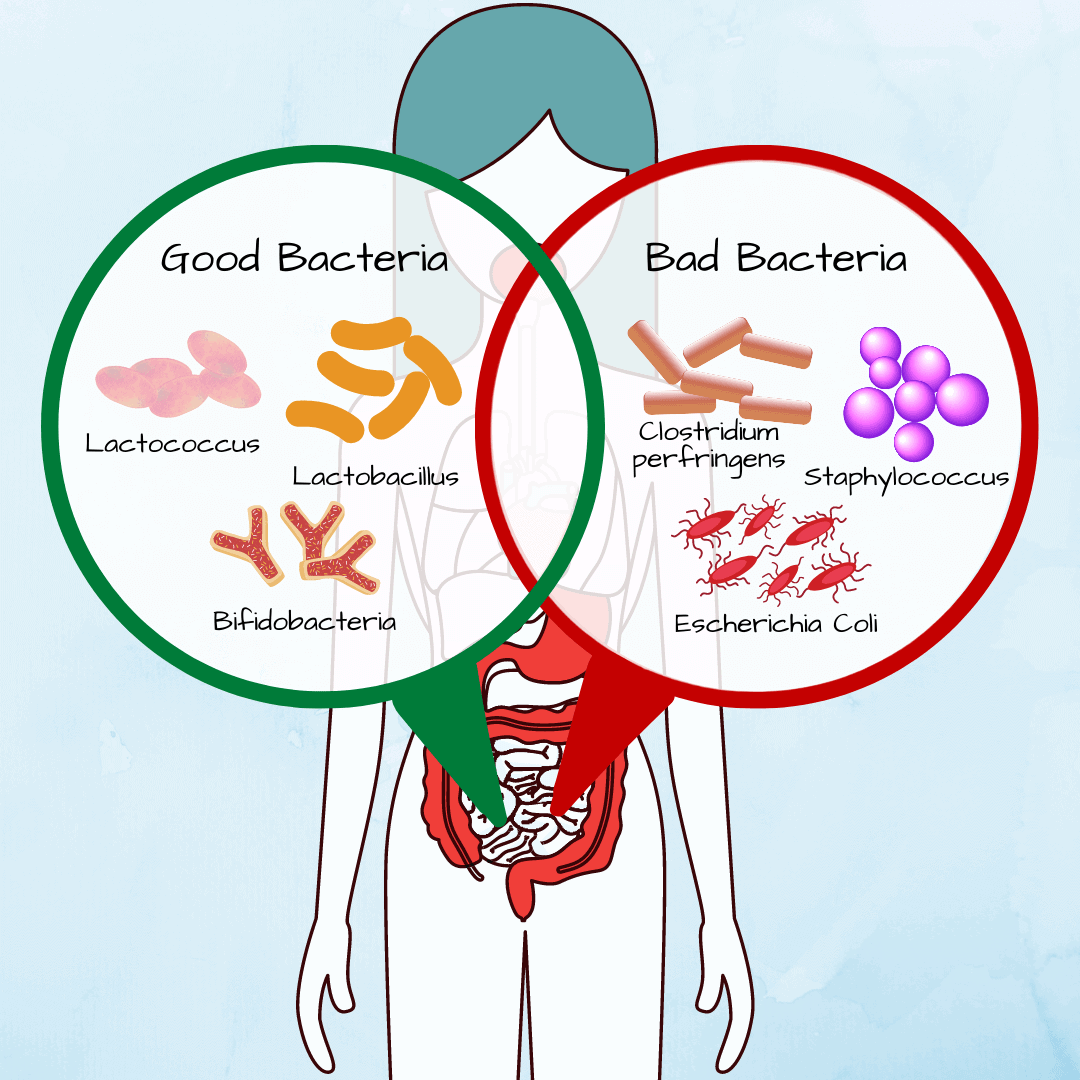
Image: Good and bad bacteria in the gut
Recent research suggests we get exposed to some microbes while inside the womb itself!
In fact, Bifidobacteria grow inside the babies' intestines to allow proper digestion of breast milk.
As we grow, the gut bacteria diversify to adapt to play various roles in the body.
Gut bacteria have been linked to various health conditions like obesity, colon cancer, depression, diabetes, arthritis, and anxiety.
Some important roles played by the gut bacteria
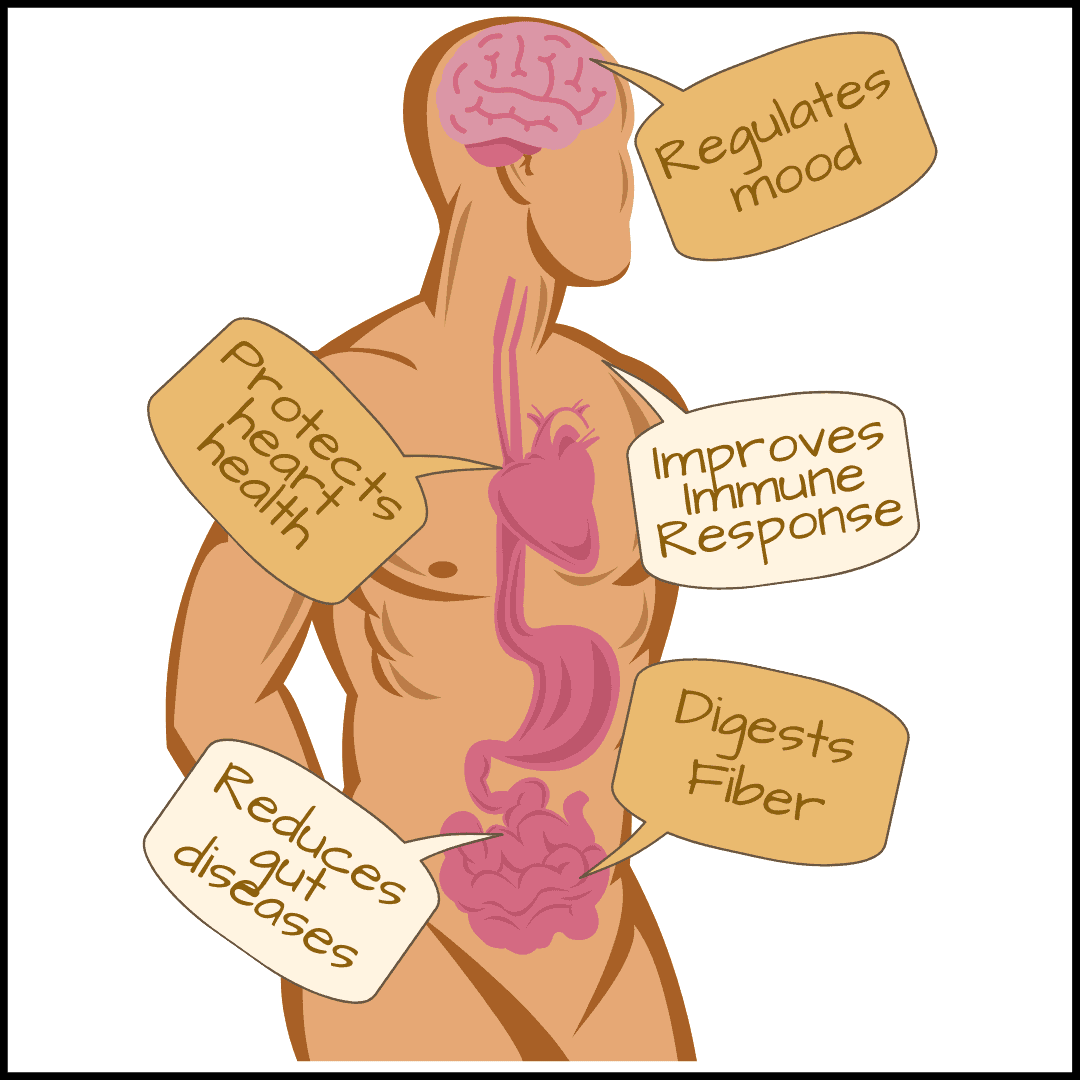
Image: Roles played by gut bacteria in the body
Have you ever "gone with your gut" or "felt butterflies in your stomach" when you're nervous?
Well, there is a reason! Our gut is sensitive to emotions.
There is a direct connection between the gut and the brain.
The vagus nerve acts as a highway, connecting the gut, heart, and lungs to the brain.
When we undergo stress, the brain, along with the hypothalamic-pituitary-adrenal (HPA) axis, responds to it.
The HPA axis is closely linked to the brain-gut axis. Long-term stress can interfere with the normal functioning of the HPA axis.
Since it is connected to the brain-gut axis, long-term stress can damage the bacteria living in the gut.
Now, the connection between the brain and the gut is a two-way street.
The diversity of the gut bacteria can affect the way you feel.
A reduction in diversity can put you at risk for several mental health conditions like depression and anxiety.
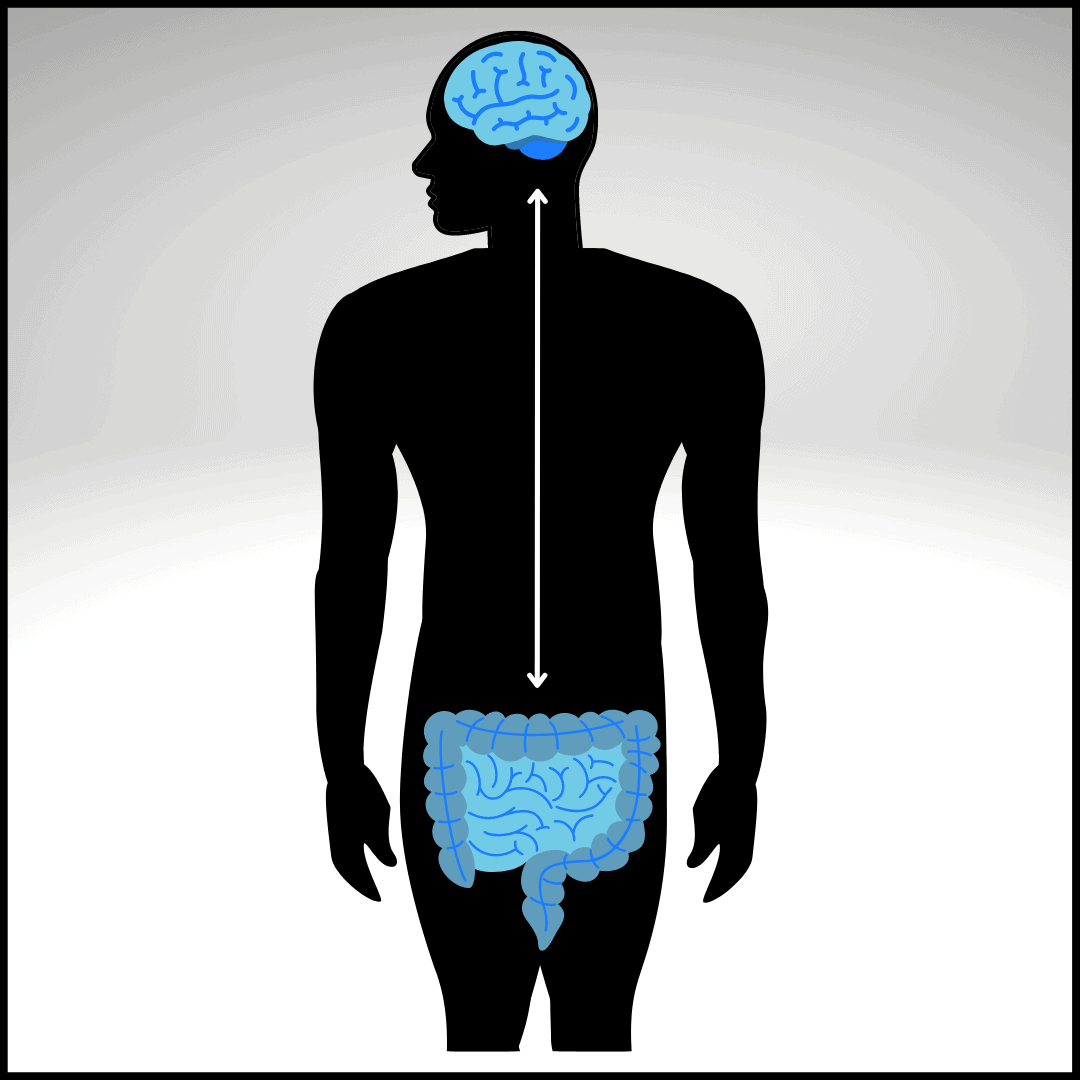
Image: Gut-Brain Axis
The study led by scientists from Jiangnan University, China, in collaboration with other researchers, identified a species of gut bacteria that is associated with enhanced memory and learning.
Like fingerprints, the gut bacteria composition of each individual is different. The same goes for bumblebees.
The differences in the composition can arise for changes in the nest environment, pathogen exposure, their activities and social interaction, and the pollination environment.
In order to test the memory and learning capacity of the bees, the researchers created 10 different artificial flowers.
Five of them had sweet sucrose solution, while the other five had a bitter solution with quinone, which is a repellent for the bees.
The bees were then observed to check how long they took to identify the colors associated with the sweet reward.
In a 3-days follow-up, the bees were tested to see if they retained this information.
The gut samples from the bees were finally analyzed to compare the differences in memory and learning with the levels of different bacteria in their guts.
The study identified elevated levels of a specific species of bacteria called the Lactobacillus apis in the bees that showed enhanced memory and learning capabilities.
To further confirm the findings, the researchers added this bacteria to the bees' diet and conducted the same experiment.
Bumblebees that were fed with food containing more of this species of bacteria were found to have more long-lasting memories.
This highlights a causal effect - Lactobacillus apis causes enhanced memory and learning functions.
The lead author of this study says that further research can help understand “if and which bacteria species might have the same effect on humans.”
Probiotics are available as supplements and formulations.
Fermented foods are natural sources of probiotics.
They include fermented vegetables, yogurt, kimchi, kombucha, etc.
Probiotics can promote healthy gut bacteria and prevent intestinal issues.
Constant exposure to high levels of cortisol or the stress hormone is a big no-no for good gut health.
It can disturb the gut bacteria composition.
Regular physical activity, meditation, and adequate rest can help manage your stress.
Foods rich in sugar can impact gut bacteria negatively.
According to a study, aspartame, a type of sweetener, increases the number of bacterial species that are associated with diseases like type 2 diabetes and heart diseases.
Antibiotics are usually taken to combat any bacterial infections.
While they kill the bacteria responsible for the infection, they also affect the good bacterial population.
The effect of antibiotics on gut bacteria can last up to even 6 months after using them.
Inadequate sleep (<7 hours) and poor sleep quality can affect your gut bacteria.
This increases the risk of several inflammatory conditions.
Getting between 7-9 hours of sleep a night and maintaining a regular sleep schedule can keep your gut healthy.
According to a study, athletes have a greater diversity of gut bacteria.
This can help prevent obesity.
Engaging in regular exercises like walking, running, swimming, or playing sports can be very beneficial for your gut.
Mothers are the only source of nutrition for the child's physical and mental development. Poor nutrition during pregnancy and breastfeeding can highly affect the child's growth in the womb and throughout their early childhood. Recent research suggests that adding more choline to the pregnancy diet can improve the child's sustainable attention.
The time spent on any activity without getting distracted or losing interest is called the attention span.
Distraction refers to shifting attention from the ongoing activity to other tasks or sensations.
The attention given to an activity or task can be differentiated into two types:
Attention spans differ for each child but follow a specific pattern.
The average attention span of a healthy child is believed to be two minutes per year of age.
According to the child's age, the attention span increases two-three times the age.
Maternal nutrition refers to the mother's nutritional requirements during antepartum and postpartum periods.
The disparity in maternal nutrition can affect infants' average growth and development as the child depends on the maternal plasma for its nutrients.
Pregnancy and infancy are the crucial periods for the formation of a child's brain and the development of a child's cognitive, motor, social, and emotional skills.
Nutritional deficiencies during pregnancy can cripple the child's development, leading to neurological defects and poor cognitive development.
Poor maternal nutrition is associated with many adverse short and long-term outcomes - increased infant death rates and childhood morbidity.
Preventing nutritional deficiencies during pregnancy can have widespread benefits for individuals and societies.
The study, led by researchers from Cornell University, was published in the Journal of the Federation of American Societies for Experimental Biology.
It reported that consuming twice the recommended amount of choline during pregnancy improves children's attention span.
Choline is a nutrient produced by our liver in meager amounts.
It is also naturally present in egg yolks, red meat, beef liver, cauliflower, and broccoli.
Choline intake during pregnancy is vital as it impacts the child's brain and spinal cord development.
After a follow up of seven years, the study reported the following:
The results suggest that maternal choline supplementation can improve children's cognitive functions.
Consuming two eggs per day can provide you with 294 mg of choline, 50% of the recommended choline level.
Organ meats like liver and kidney provide 65% of recommended daily intake level of choline.
Consuming cruciferous vegetables with eggs and organ meat can help you meet the daily needs for choline.