A research study on the data from Adolescent Brain Cognitive Development (ABCD) Study suggests a relationship between certain regions in the brain and weight gain among children and adolescents. The study explored the relationship between “reward region” and food processing and suggests that this region may predict obesity in children.
Childhood obesity is a serious problem in the United States, putting children and adolescents at risk for poor health. Overweight children are much more likely to become overweight adults unless they adopt and maintain healthier patterns of eating and exercise.
Previous research has identified a region in the brain associated with overeating or unhealthy eating behavior.
Almost all our actions are driven by two things: Necessity and Reward. An activity can be considered a reward when it motivates us or gives us pleasure. Neurons, the brain's fundamental working unit, communicates this "reward" using dopamine, which is popularly known as the "happy hormone."
Incidentally, food-reward is common in animal training routines. An animal is rewarded with a treat when it performs certain actions and this programming of food-reward is routinely used by animal trainers in zoos and entertainment venues and other animal training facilities.
Hedonic hunger describes eating for pleasure than hunger - to enjoy the taste rather than to meet the body's energy needs. This pleasure eating triggers the brain's reward system region, which can lead to overeating - a common cause of obesity.
"The ABCD study or the Adolescent Brain Cognitive Development Study is the largest long-term study of brain development and child health in the United States." The study was done on over 10,000 children from ages 9-10 and was followed up through early adulthood.
Using the data from this study, the researchers attempted to investigate the relationship between the reward system region in the brain (called the nucleus accumbens) and eating behavior by examining 5300 research participants.
It was observed that when 2000 participants returned for a one year follow up, the waist circumference had increased by an average of 2.76 centimeters per participant.
The cell density (number of cells for a given area) in the reward region of the brain was examined using a noninvasive MRI technique.
The MRI revealed changes in the cell density that reflected the increase observed in the waist circumference.
The study speculates that the increase in this cell density can be because of an inflammation caused due to a diet rich in high-fat foods.
The findings essentially tell us that a vicious cycle of pleasure eating leading to changes in brain, in turn leading to overeating and increasing the risk of obesity.
Not all children who carry a few extra pounds can be classified as obese. Weight fluctuations are commonly observed in the growing stage of children. Before you decide on dietary changes for your child based on any weight gain you see, it's best to consult a doctor. The doctor may use growth charts, calculate the BMI and, take a family history, and, if necessary, may order a few tests to outline the issue behind the weight gain.
References
Vitamin K refers to a group of fat-soluble vitamins that play a role in blood clotting. It also helps your body make proteins for healthy bones and tissues.
Vitamin K is produced in our bodies by gut bacteria.
Two natural forms of this vitamin exist - vitamin K1 and vitamin K2. Vitamin K1, also called phylloquinone, is produced in plants. It is the main type of dietary vitamin K.
Vitamin K2, which is the main form stored in animals, has a number of subtypes referred to as menaquinones.
Vitamin K3, K4, and K5 are the synthetic forms (made artificially) of vitamin K.
A Danish scientist, Henrik Dam, aimed to study the effects of low cholesterol (fat-like substance present in the body) levels in the body, in 1929. He examined chickens that were fed a diet low in cholesterol.
After a few weeks, the chickens started developing hemorrhages (bleeding inside the body). However, restoring the cholesterol in their diets did not seem to reverse this.
It was then learned that another compound had been extracted from the food along with the cholesterol. That compound was the coagulation vitamin, which was described as vitamin K because it was first reported in a German journal as “Koagulations vitamin.”
It was only much later in 1974 that the exact function of vitamin K in the body was discovered.
During pregnancy, vitamin K does not cross the placenta (tissue that develops in the womb during pregnancy) to reach the developing baby, and the gut does not have any bacteria to make vitamin K before birth. After birth, vitamin K in breast milk is also not adequate enough.
Insufficient vitamin K levels can put the baby at a risk for a rare but serious disease called Haemorrhagic Disease of New-Born (HDN), also known as Vitamin K Deficiency Bleeding (VKDB)
Thus, vitamin K is administered to the baby at birth using either of the following ways:
So far, vitamin K administration to the newborns has not resulted in any noticeable side effects.
Most of the diets followed in the United States contain an adequate amount of vitamin K. Thus, reports of vitamin K deficiency in adults are very rare.
VKROC1 gene is located on the short or p-arm of chromosome 16.
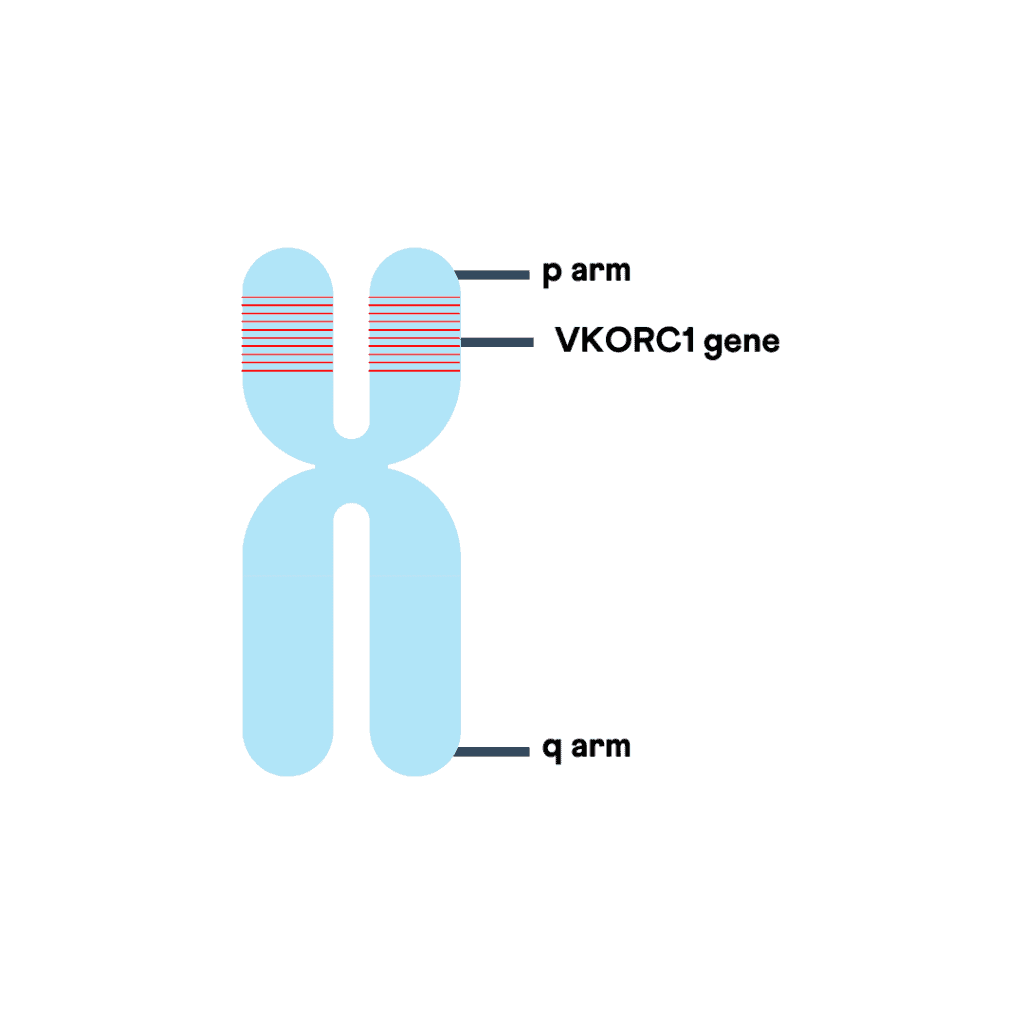
The VKORC1 gene plays a vital role in the vitamin K cycle. The gene produces the enzyme (vitamin K epoxide) reductase that converts vitamin K to another form (from vitamin K epoxide to vitamin K) that is required for the blood clotting process.
Warfarin usage can interfere with this conversion. Warfarin is a blood thinner that is prescribed to treat blood clots and is advised for people with a high risk for stroke or heart diseases.
Since warfarin is a blood thinner (doing the opposite of what vitamin K does), it tends to inhibit the activity of the VKROC1 gene. This results in reduced vitamin K levels that can hamper the functioning of various blood clotting proteins.
The SNP rs9923231 can alter the activity of the enzyme vitamin K epoxide reductase. The C allele shows enhanced enzyme activity compared to the T allele, and thereby increases the availability of active vitamin K. The T allele, on the other hand, results in lower enzyme levels, and therefore less active clotting factors.
The GGCX gene is located on the p arm of chromosome 2.
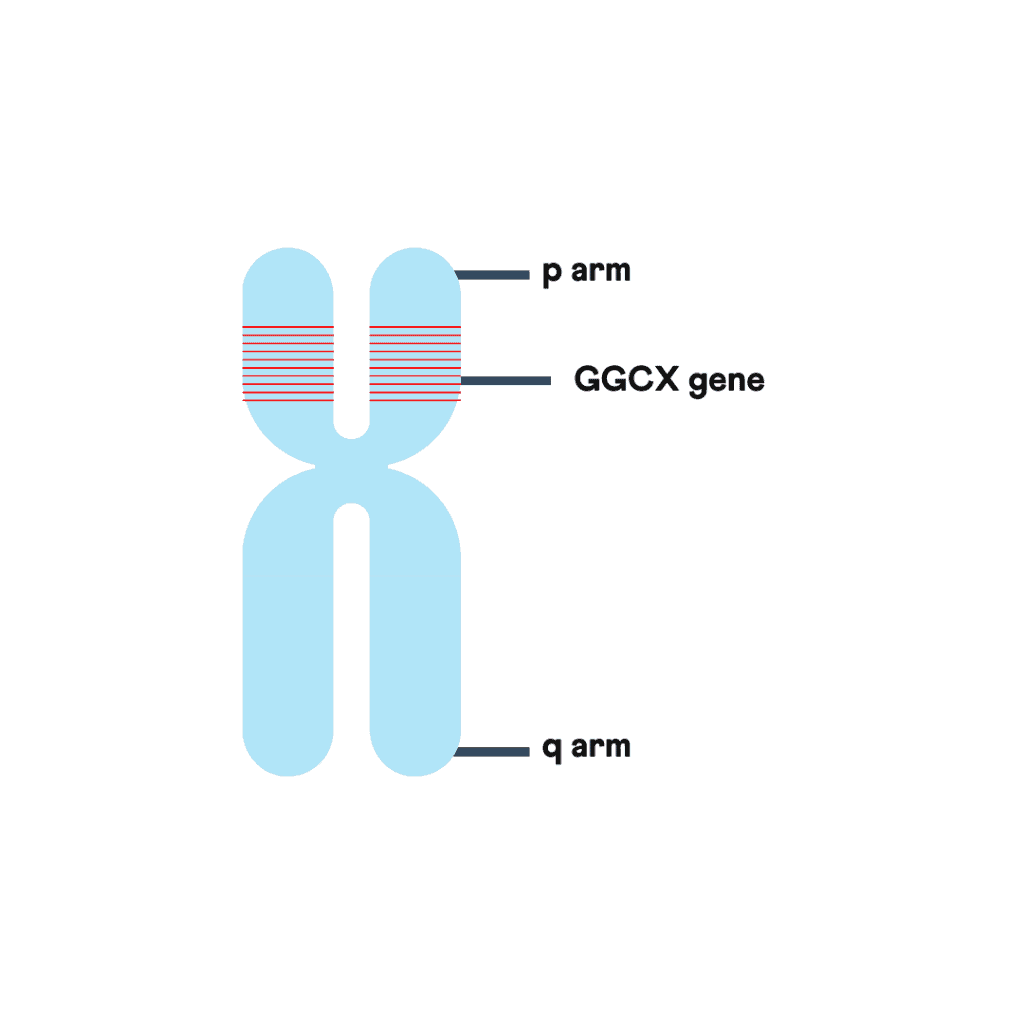
It produces the enzyme Gamma-glutamyl carboxylase. This enzyme helps in the modification of several vitamin K-dependent proteins that are involved in blood clotting.
rs699664
The SNP rs699664 influences the activity of the enzyme gamma-glutamyl carboxylase. The G allele produces a protein that is less active than the A allele. This results in lower levels of vitamin K which may lead to blood clotting issues.
Vitamin K deficiency can be very dangerous, as it could result in uncontrolled bleeding - which is the primary symptom.
Vitamin K toxicity is extremely rare. The natural forms of vitamin K (K1 and K2) don’t cause toxicity even when consumed in large quantities.
However, a synthetic form of vitamin K - vitamin K3 - is associated with toxicity and should not be used to treat vitamin K deficiency. K3 interferes with the body’s natural antioxidants which can result in cell damage. In infants, the toxicity manifests as jaundice and can result in hemolytic anemia (where the red blood cells are destroyed faster than they are produced) in adults.
Vitamin K deficiency is easily treatable using the drug phytonadione, which is essentially vitamin K1, that is given orally or subcutaneously (skin). The dosage for the drug varies based on the age, gender, and requirement of each patient. However, the best way to ensure you get the optimum recommended amount of vitamin K is through diet.
You must get your daily dose of green vegetables as they are natural sources and contain large amounts of vitamin K. These include:
Vitamin K is a fat-soluble vitamin that plays a major role in blood clotting. It is also essential for regulating blood calcium levels. Most newborns are born vitamin K deficient as this vitamin cannot cross the placenta. Hence, vitamin K needs to be administered either orally or through injection after birth. Though vitamin K deficiency in adults is pretty rare, it can potentially be life-threatening as it could lead to uncontrolled bleeding. Certain genetic types can put you at a risk for vitamin K deficiency, especially when on anticoagulants like warfarin. Vitamin K1 injections and oral supplements can bring vitamin K levels back to normal. However, in order to continually maintain adequate levels of vitamin K, dietary sources are the way to go!
https://www.ncbi.nlm.nih.gov/pmc/articles/PMC6040265/
https://pubmed.ncbi.nlm.nih.gov/9076586/
https://pubmed.ncbi.nlm.nih.gov/23850343/
https://medlineplus.gov/genetics/gene/vkorc1/
https://www.snpedia.com/index.php/Rs9923231
https://www.ncbi.nlm.nih.gov/pmc/articles/PMC2761647/
The sun has always been the most important source of energy for all living beings in the world. The sun makes life possible.
Your body needs sunlight to stay healthy. Sunlight is the major source of vitamin D for human beings.
Vitamin D is a kind of fat-soluble vitamin needed by all living beings. This vitamin is also known as calciferol. Though it is present in a few food sources like fatty fish (salmon, tuna, sardines), mushrooms, and egg yolks, a majority of vitamin D is obtained from sunlight naturally.
Depending on their chemical composition, there are 5 different types of vitamin D available.
Out of these, Vitamin D2 and D3 are the major ones usually discussed.
Rickets is a condition that causes soft bones in children. The telltale signs of rickets are bowed legs, an abnormally large forehead, a curved spine, and stunted growth.
There are mentions of children born with deformed bones as early as in the first and second centuries AD. Though rickets was not identified as a specific medical condition until 1645, instances of children born with bone deformities were quite common.
Until the early 20th century, the reason and cure for rickets remained a mystery. Parents with newborns had no idea whether their child would grow up healthy or end up with bone deformities and stunted growth.
In 1914, Elmer McCollum, an American biochemist, identified that a certain additive in cod liver oil helped prevent rickets. He assumed it was vitamin A.
In 1922, he realized that cod liver oil without vitamin A, also prevented rickets. This led to the identification of a new 4th vitamin in history and this was named vitamin D. At that time, people did not realize sunlight could produce vitamin D.
That knowledge was brought forth by another American physician Alfred Hess who concluded “Light equals vitamin D”
The skin consists of two layers - the outermost layer, epidermis and the inner layer, dermis. The epidermis is made up of 5 layers. Vitamin D is produced using sunlight by the two innermost layers of the epidermis.
7-Dehydrocholesterol, also known as 7-DHC, is a chemical compound that is made in the skin in large quantities. 7-DHC reacts with the ultraviolet (UV) rays from the sun and is converted into vitamin D.
This process happens in the arms, legs, and face. The produced vitamin D is then carried in the blood to the liver. Here it is converted into a pre-hormone (a chemical substance produced by glands that is later converted into hormones) known as calcifediol.
Calcifediol is then converted into calcitriol in the kidneys, which is the vitamin D form actually used by the body. From here, calcitriol is sent out for circulation.
More and more doctors and scientists globally are encouraging people to increase their vitamin D intake to prevent the severity of the COVID-19 infection.
With the vaccine for coronavirus still not approved or available, people are looking towards alternate solutions to boost their immunity. Vitamin D has emerged as a powerful nutrient to keep away infections.
There are a few notable studies conducted around the world that link vitamin D deficiency to an increased risk of developing COVID-19. Some studies say people living in areas that receive lesser amounts of sunlight see higher coronavirus deaths.
Few other studies point to the fact that people with vitamin D deficiency seem to have worse symptoms when they test positive for the infection.
While there could be links between vitamin D consumption and the effects of the coronavirus, as of now, there is no solid proof that the vitamin can completely prevent or cure the infection.
The National Institutes of Health has also given out a statement stating that there is no evidence vitamin D can treat COVID-19.
However, making sure you get your recommended dose of vitamin D will definitely keep your immune system healthy during this pandemic.
According to the Food and Nutrition Board, here are the daily recommended intake values of vitamin D.
Excess quantities of vitamin D are unsafe. When you consume excess vitamin D, the calcium levels in the body increase too. This condition is called hypercalcemia. Hypercalcemia can result in the below conditions:
Vitamin D toxicity can also cause hypercalciuria (excess calcium in the urine). Extreme cases of vitamin D toxicity can lead to renal failure, irregular heartbeat, and even death.
Overexposure to the sun does not usually cause vitamin D toxicity because the skin learns to regulate the amount of vitamin D it produces. However, excessive use of tanning beds and excess consumption of vitamin D supplements can both cause vitamin D toxicity.
When your vitamin D levels are low because of unhealthy eating habits and less/no exposure to sunlight, you can get vitamin D deficient with time.
In children, vitamin D deficiency is reflected as rickets disease. Children can also suffer from developmental delays and dental problems early on. In adults, this can cause a condition called osteomalacia. Osteomalacia causes soft and weak bones. Adults also develop dental issues because of vitamin D deficiency.
There are two genes that seem to affect vitamin D concentrations in the body. Variations in these genes can cause increased/decreased needs for vitamin D.
GC gene - The GC gene is responsible for making the Vitamin D binding protein (VDBP) that helps in transporting vitamin D. One particular variant (type) of the GC gene is known to cause vitamin D deficiency.
CYP27B1 gene - The CYP27B1 gene is responsible for making vitamin D active and available for use by the cells in the body. One particular type of this gene can cause lowered vitamin D levels in the body.
https://academic.oup.com/jn/article/134/6/1299/4688802
https://www.ncbi.nlm.nih.gov/pmc/articles/PMC3899558/
https://www.snpedia.com/index.php/Rs2282679
https://www.snpedia.com/index.php/Rs2282679
https://arthritis-research.biomedcentral.com/articles/10.1186/ar4516
https://www.ncbi.nlm.nih.gov/pmc/articles/PMC5802053/
https://www.ncbi.nlm.nih.gov/pmc/articles/PMC6164456/
https://www.snpedia.com/index.php/Rs10877012
https://www.hindawi.com/journals/jdr/2019/8289741/
One of the most essential nutrients for the growth and development of the human body vitamin C. This is also known as ascorbic acid or ascorbate. This water-soluble vitamin cannot be made by the body and has to be obtained from the foods we eat.
Here are some of the significant functions of vitamin C:
Since vitamin C helps in producing collagen, it is a popular and widely used in the beauty and cosmetic industry.
Vitamin C deficiency is quite rare in developed countries. However, a very badly chosen diet and factors like excessive smoking or drug abuse can result in lowered vitamin C levels in the body and result in a variety of health problems.
Scurvy is a disease that has been known since the Egyptian and Greek times. It is caused by vitamin C deficiency and results in anemia, bleeding in gums, lowered Red Blood Cell count, and reduced healing rates. Scurvy can turn fatal if untreated.
The story of the discovery of vitamin C starts in the large vessels that carried Vasco da Gama and his sailors into the Indian and Pacific oceans in 1499. It is mentioned that Vasco da Gama lost two-thirds of his sailors to scurvy.
Similarly, Ferdinand Magellan, a Portuguese explorer lost 80% of his crew while crossing the Pacific ocean in 1520.
Scurvy remained one of the biggest reasons for sailor-deaths between the 1400s and 1700s.
James Lind was a surgeon in the UK Royal Navy and he started experimenting by giving two oranges and one lemon to a group of sailors and comparing their health with the others who did not receive the same.
He noticed that the sailors who received the oranges and lemon did not fall sick and were healthier than the rest of the crew members. He published his work on this experiment in 1753.
After that, sailing crew members were regularly provided with fresh lemon juice as a way to prevent them from falling sick. Many ports also had fruit trees growing abundantly for sailors and crew members to consume fruits when they anchored.
Vitamin C was finally identified in 1932 and is one of the first vitamins to be made on an industrial scale.
Vitamin C cannot be made by the body and you will have to get it directly from the foods you eat.
Vitamin C is absorbed by the body in the form of ascorbic acid (80-90%) and dehydroascorbic acid (10-20%).
Once ascorbic acid enters the intestine, it is transported by a particular transport protein called Sodium Vitamin C cotransporter (SVCT). Such cotransporter proteins help molecules move from one place to another inside the body.
Now, these ascorbic acid molecules are transported into the cells in the body using another set of transport proteins and are then used up.
Dehydroascorbic acid uses a set of glucose transporters and enters the cells in the body. These are then converted to ascorbic acid and then made use of in the cells.
Many people make a conscious effort to consume fruits and vegetables rich in vitamin C but do not enjoy the benefits. Do you know why?
Vitamin C is a gentle nutrient that gets destroyed very easily. Most of the common cooking methods kill vitamin C before it reaches your plate.
Vitamin C is destroyed by overexposure to light, heat, and air.
In a clinical study done in Nigeria in the year 2013, the vitamin C retaining capacity in peppers was studied. Peppers have 15.39 mg/25 ml vit C in raw form. The vitamin C quantity went down to 9.96 mg after just 15 minutes of cooking and to 5.43 mg after 30 minutes of cooking.
It is better to get your sources of vitamin C in raw form. However, if you want to cook, make sure you cook in low heat for minimal time and with as little water as you can. Vitamin C is water-soluble and hence when you boil food in lots of water and throw away the excess water, you are throwing out its nutrient value too.
The below-recommended values of vitamin C needed every day is put together by the Food and Nutrition Board (FNB).
Since Vitamin C is water-soluble, it does not get accumulated in the body and cause excess toxicity.
However, very large doses of vitamin C can result in symptoms like:
Most experts do mention that it is not easy to consume extremely high doses of vitamin C only through diet.
Only excessive consumption of supplements can cause the above effects.
Some of the top vitamin C deficiency signs to be aware of are:
Sodium Vitamin C cotransporter (SVCT) helps ascorbic acid reach the cells in the body. There are two genes SLC23A1 and SLC23A2 and their variations that create changes in vitamin C absorption levels.
Maintaining healthy ranges of vitamin C will keep you strong, active, and healthy.
Vitamin B6 (pyridoxine) is a water-soluble nutrient that cannot be made in the human body. You need to get B6 from the foods you eat or through nutritional supplements. This is a part of the B Vitamins group and is important for everyday functioning.
The functional (active) form of vitamin B6 is the Pyridoxal 5’ phosphate (PLP). PLP is a coenzyme (smaller molecules that help enzymes create a reaction in the body). The range of B6 in the blood is usually measured in terms of PLP levels.
Starting from the breaking down of carbohydrates, fats, and proteins to supporting brain health, PLP helps more than a hundred enzymes in the body to do their job right.
It is not surprising that B6 is considered a very important B vitamin. Here are some of the top benefits of maintaining right B6 levels in the blood.
It was only in the early 1900s that physicians and pathologists started working on the idea of inadequate nutrition leading to diseases. The idea that lack of nutrition can cause a variety of health conditions including death was intriguing to the great minds.
Scientists from the Merck Group of Pharma in the early 20th century played a great role in developing B Group vitamins on an industrial scale and this paved the way for the easy availability of B complex supplements to match growing needs in the community.
In 1934, Paul Gyorgy, an American biochemist and nutritionist was experimenting on rats, feeding them artificially created diets rich in already discovered B vitamins (B1 and B2).
He discovered that the rats developed skin allergies with the diet and when he fed them baker’s yeast, the condition disappeared.
He then extracted a particular compound from the yeast that helped cure skin allergies and named it vitamin B6. Later, Gyorgy and his fellow scientists also ended up extracting B6 from wheat germ and fish.
Paul Gyorgy is also known for the discovery of vitamin B2 and biotin and was later awarded the National Medal of Science for his efforts.
When you obtain vitamin B6 through natural sources, fortified foods, or supplements, it enters the stomach and then moves to the small intestine. Jejunum and ileum are two parts of the small intestine and B6 is absorbed here.
The process of absorption is known as passive diffusion (the molecules flow easily with no effort from a region of high concentration to a region of low concentration). The absorbed molecules are acted upon by a protein enzyme known as alkaline phosphatase. The vitamin is then converted to PLP in the jejunum’s inner layer.
PLP is passed on to the tissues and it helps the various enzymes in the body work effectively.
The remains of B6 after it gets converted to PLP are sent out through the urine. One of the major products sent out is 4-pyridoxic acid. In fact, up to 60% of ingested B6 is sent out as 4-pyridoxic acid.
People whose bodies do not absorb the right amounts of vitamin B6 have negligible 4-pyridoxic acid in the urine, and this is a clear indication of B6 deficiency.
Did you know that vitamin B6 is considered a complementary and alternative therapy for children diagnosed with autism?
From the time vitamin B6 was identified, there has been a group of scientists attempting to treat neurological disorders with these. The studies started in the 1950s for people with schizophrenia. They were treated with extra high doses of vitamin B6 and improvements were noted.
The Autism Research Institute (ARI) noted that about 49% of children who were treated with a combination of vitamin B6 and magnesium supplements showed improvements.
The relationship between vitamin B6 and autism is still being analyzed globally. We will hopefully find solid results very soon.
The Dietary recommended Intake (DRI) of vitamin B6 was set by the Food and Nutrition Board. The values depend on age and gender.
While mildly excess doses of vitamin B6 don’t cause any adverse effects, when you consume very high oral doses of B6 supplements for an extended period of time, it can result in certain sensory, skin, and gastric impairments.
Severely high doses of B6 can result in:
Here is a table that shows the daily tolerable upper limits for vitamin B6 in the body. Consuming more B6 than the levels mentioned here will cause the above side effects.
Usually, a person will not be deficient in just vitamin B6. He/she will have lower concentrations of other B complex vitamins too. Mild vitamin B6 deficiency does not show a lot of symptoms.
Severe deficiency or a prolonged period of deficiency will result in the following conditions.
In infants and younger children, lack of vitamin B6 is known to cause irritability and seizures.
There are two genes that cause people to require more vitamin B6 than the usual recommended ranges.
The ALPL gene plays a role in breaking down vitamin B6 from complex to simpler forms. It produces enzymes that help in clearance of B6.
A particular variant (type) of the gene can cause 12-18% lowered vitamin B6 rates in the body. Individuals with this type are likely to require more vitamin B6 levels.
Compensate by eating vitamin B6 rich foods, consume oral B group supplements and choose fortified foods. Around 89% Africans, 52% Caucasians, and 44% Asians carry this type of gene.
The MTR gene is responsible for converting folate into sources usable by the body.
A particular type of the gene is said to result in reduced MTR activity and causes a 30% increase in the risk of developing colorectal cancer. These individuals are likely to require more vitamin B6 levels (about twice more than the DRI values) to bring down the risk.
Oral supplements help match increased B6 needs. Fortified foods also make a difference.
Around 31% of Africans, 17% Caucasians, and 13% Asians carry this type of gene.
https://www.ncbi.nlm.nih.gov/pmc/articles/PMC1265394/?page=1
https://pubmed.ncbi.nlm.nih.gov/23183295/
https://www.acs.org/content/acs/en/education/whatischemistry/landmarks/vitamin-b-complex.html
https://ods.od.nih.gov/factsheets/VitaminB6-HealthProfessional/
https://www.massgeneral.org/children/autism/lurie-center/vitamin-b6
https://www.ncbi.nlm.nih.gov/pmc/articles/PMC6357176/
https://www.sciencedirect.com/topics/biochemistry-genetics-and-molecular-biology/alpl
Folate, also known as vitamin B9, is a water-soluble B vitamin. It is naturally found in many folate-containing foods like spinach, broccoli, avocados, and lentils.
Apart from natural sources, the synthetic form of folate, folic acid, is also sold as a supplement. This form is supposedly absorbed better by the body.
Lucy Wills, a researcher, was the first one to identify folate and its function, in 1931. She demonstrated that anemia in pregnant women could be prevented/reversed with brewer's yeast. In the late 1930s, folate was isolated from brewer's yeast.
It was first extracted from spinach in 1941 - the term "folic" is from the Latin word 'Folium', which means leaf.
Further, the crystalline form of folate was extracted in 1943, which was the basis of the synthesis of Aminopterin, a derivative of folic acid.
Aminopterin was the first-ever anticancer drug developed, and its clinical efficacy was proved in 1948.
Vitamin D and folate are linked by their disparate sensitivities to Ultra Violet Radiation (UVR). While UVR stimulates the production of Vitamin D in the skin, it degrades folate through oxidation.
The hypothesis suggests that skin pigmentation may have evolved to maintain a balance in the levels of these vitamins.
The increased pigmentation observed in high-UVR regions was attributed to the need for protecting folate levels, while the depigmentation is low-UVR regions was a result of facilitating adequate vitamin D levels.
The VDR gene provides instructions for making a protein called Vitamin D Receptor, which allows the body to take in vitamin D. The different variants of the VDR genes are present in different frequencies across populations.
For example, the common VDR variant Fok1 has a lower frequency in African populations compared to European/Asian populations, while the frequency of another variant, Cdx2, is highest in African populations and the lowest in Europeans.
The difference in the frequency of these alleles across different ethnic populations can be attributed to the different UV regimes.
Several relationships are reported between UVR and folate metabolism genes. Two main enzymes involved in folate metabolism, serine hydroxymethyltransferase (SHMT) and methylenetetrahydrofolate reductase (MTHFR), have been studied to be UVR responsive.
For example, in regions where there’s a higher exposure to UVR, the frequency of a thermolabile MTHFR variant, C677T, is less.
These findings collectively provide strong molecular support to the Vitamin D-Folate hypothesis and showcase the existence of interactions between UVR, skin type, and vitamin D and folate genes.
Typically, the body has around 10-30 mg of folic acid stored in the liver, and 5-15 ng/mL in the blood.
In order to understand the recommended dosage of folic acid, the following terms are important:
It is important to note that the bioavailability of folate depends on the source. Synthetic vitamin B9 (folic acid) is readily absorbed (about 85%) into the body, compared to folate from food sources (about 50%). Dietary Folate Equivalent (DFE) was developed to reflect the total amount of bioavailable folic acid.
1 mcg DFE = 1 mcg food folate = 0.6 mcg of fortified foods/supplements taken with foods = 0.5 mcg folic acid in the form of a supplement (taken on an empty stomach).
A healthy adult needs 400mcg DFE folate daily. Pregnant women need 600 mcg of folate per day to meet the requirements of the growing fetus as well.
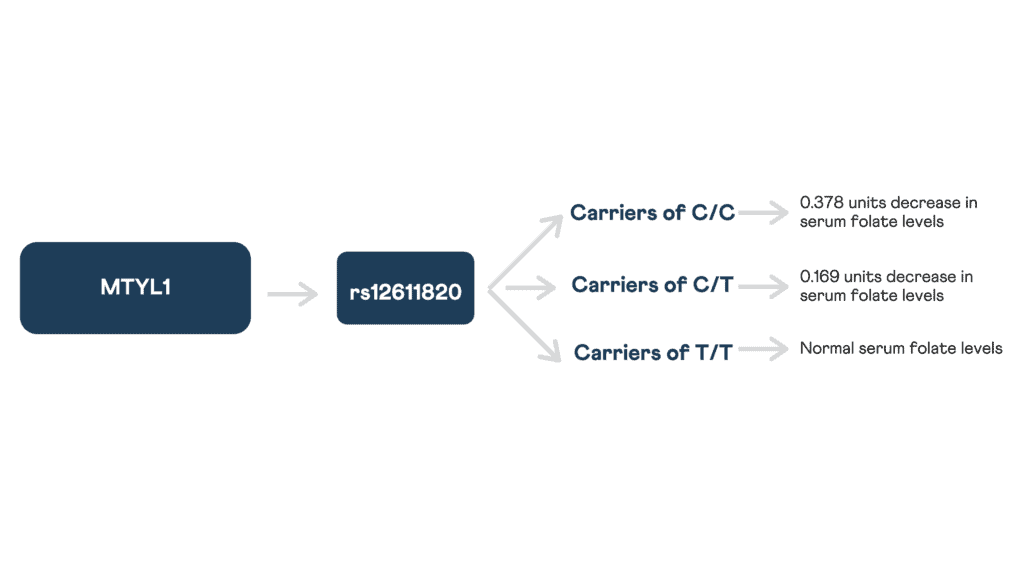
MTYL1 gene is located on chromosome 2.
It codes for myelin transcription factor 1, which is expressed in the neuronal tissues.
This transcription factor converts postnatal human fibroblasts into induced neuronal cells, thus playing a big role in cognitive function.
A variant in this gene is linked with serum folate levels.
This gives an initial idea of an association between folate levels and depression and schizophrenia.
rs12611820
A variation in this gene, with a C genotype, is reported to be linked to serum folate levels. In a GWAS study conducted, a single copy of the C allele was seen to decrease the serum folate levels by 0.169 units.
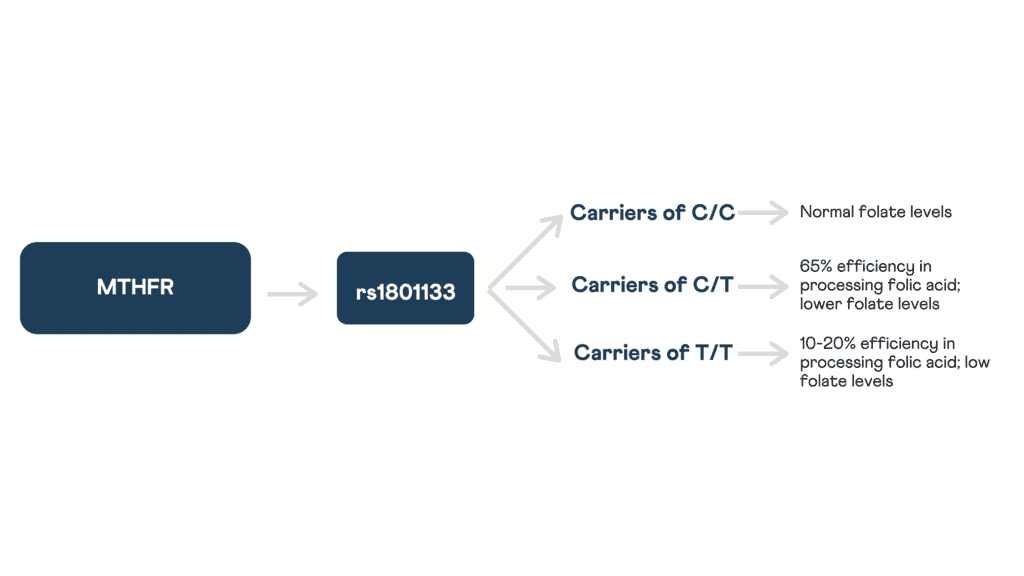
The MTHFR gene is located on chromosome 1. It codes for an enzyme called methylenetetrahydrofolate reductase, which plays a role in processing amino acids. This enzyme is involved in a chemical reaction that processes folate to its primary form (5-methyl tetrahydrofolate) found in the blood.
This compound is necessary for the multistep process that converts homocysteine to methionine.
In the normal functioning of the body, there is a balance between homocysteine and folate levels. However, when this balance is disturbed, it leads to health effects.
Mutations in the MTHFR gene have been associated with high homocysteine and low folate levels, both of which are harmful to the body.
rs1801133
The most-studied variant of the MTHFR gene is 677T←C (rs1801133) in exon 5.
The 677T variant has been studied to be less effective in the conversion of 5,10-methylenetetrahydrofolate to 5-methyltetrahydrofolate.
Thus, the serum folate concentration is lower in individuals with the 677TT genotype than in those with 677CC or 677CT genotypes.
Inherited folate deficiency, also called Hereditary folate malabsorption, is a disorder that interferes with the body’s ability to absorb folates from food. Infants with this condition have normal folate levels at birth; however, they begin to show signs of folate deficiency within the first few months of life. Feeding difficulties, diarrhea, and failure to thrive are common signs observed in infants with inherited folate deficiency.
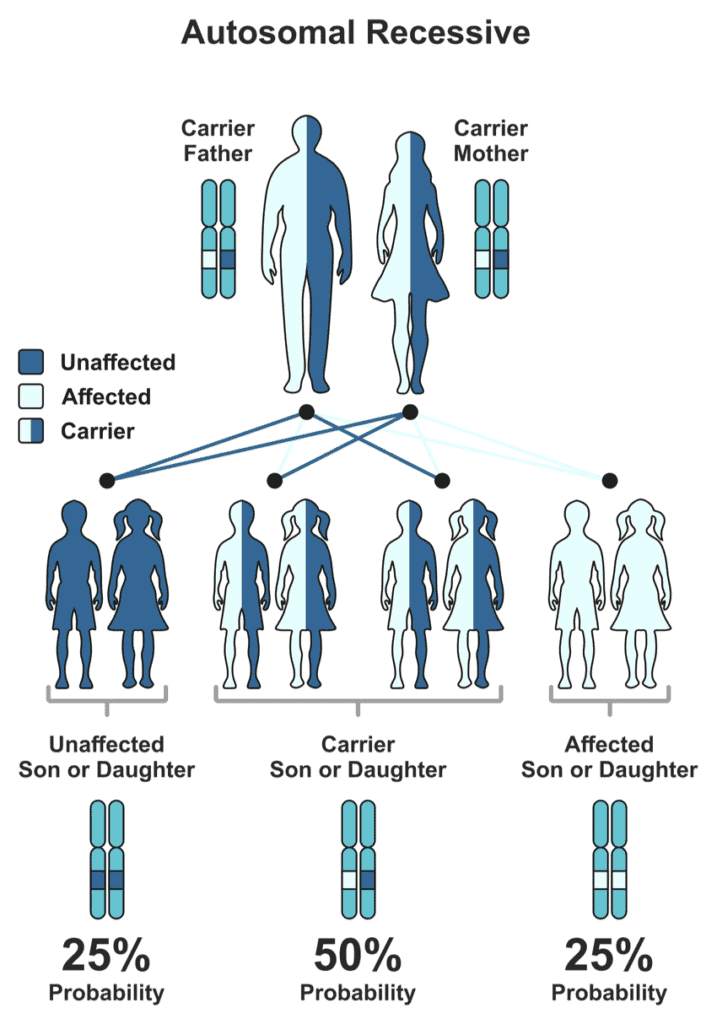
This condition is inherited in an autosomal recessive manner.
Now, for the expression of a recessive trait, both parents must pass on their recessive versions of traits.
A random process selects the gene to be passed down to the next generation.
In the case of autosomal recessive conditions, there is a 25% chance of occurrence.
If just one parent passes it on, the child will remain healthy but acts as a carrier of the gene.
Carriers could potentially pass it on to the coming generations.
Folate deficiency is usually a result of poor diet, alcoholism, and malabsorptive disorders. Hence the prevalence of isolated folate deficiency is pretty rare; other nutritional deficiencies mostly accompany it.
What Are The Signs And Symptoms Of Folate Deficiency
Causes of folate deficiency
Who’s at risk for folate inadequacy?
It is rare to reach a toxicity level from consuming folate via natural food sources. An arbitrary upper limit for folic acid on a daily basis is 1000mcg.
Dangers of folate toxicity
Since vitamin B9 is water-soluble, it needs to be replenished in the body on a daily basis. There are a lot of sources of vitamin B9.
Folate is also available in the form of dietary supplements. Multivitamin supplements and B-complex tablets usually contain folic acid. These supplements are advised for individuals that have a mutation in the MTHFR gene.
It is recommended to take the active form of folic acid (L-methyl folate, or 5-MTHF). It is beneficial to have folic acid supplements daily to ensure optimal nutrient health for an individual.
Folate is an important vitamin that helps in cell replication, production of RBCs, and the maintenance of healthy cells in the body.
It is a water-soluble vitamin and should be included in the daily diet for a healthy individual.
There are vast implications if an individual has folate deficiency, with symptoms ranging from mouth sores to life-threatening anemia.
Pregnant women should also be wary of the amount of folic acid in their diet, as it can heavily impact the health of the fetus.
An individual can have inadequate folic levels because of an unbalanced diet, genetic variations, or other risk factors.
Folate-deficient individuals can meet their requirements by adjusting their diet or taking supplements. When it comes to supplements, the dosage is an important factor.
Excess folate consumption can lead to folate toxicity which could result in a decline in cognition.
Thus, as always, it is recommended to consult a physician before starting any supplementation.