People can be allergic to many foods like seafood, nuts, and even eggs.
Egg allergy is the most common type of allergy, especially in children, and can occur a few minutes to a few hours after consuming eggs.
It is rarely fatal, and usual symptoms include rash, hives, nasal congestion, and vomiting.
Egg allergy occurs because the body thinks that the egg proteins are harmful, and the body’s immune cells attack them by releasing histamine and other chemicals that trigger off an allergic reaction and give rise to the symptoms.
Both the egg whites and the yolks have the potential to cause allergy, but usually, it is the egg whites that cause it.
The symptoms of egg allergy can appear immediately or even be delayed and look after 48-72 hrs of consumption.
The symptoms vary from person to person, and so does the intensity of the symptoms. Common symptoms of egg intolerance include:
To treat the condition, it needs to be diagnosed first.
To diagnose egg allergy, your physician will begin eliminating the other possible causes of your symptoms.
Conventional diagnostic methods or tests to determine egg intolerance are:
The best way to treat egg allergy or intolerance is to avoid eggs of all types.
In many cases, people are tolerant of well-cooked egg-products such as baked dishes.
However, the most commonly used method to treat the allergy and alleviate the symptoms is the use of anti-histaminic, that reduce or cause the symptoms to subside.
In case of a severe reaction or emergencies, it is best to visit your doctor, who will most likely administer a shot.
Food allergies can be outgrown, but it largely depends upon the type of food and the degree of severity of the allergy.
When an individual has a food allergy, his/her body’s immune system mistakes the food as something that is harmful and immediately releases antibodies like IgE.
Every time the individual consumes the food, the body releases these antibodies, and allergic symptoms appear.
One can be allergic to many foods, even common ones like milk, soy, egg, and wheat/gluten.
However, children with these food allergies usually outgrow them as they enter their teens or early adulthood.
If children who are allergic to eggs can eat baked or cooked egg dishes, they will eventually outgrow their egg allergy as they grow up.
To confirm whether a child or adult has outgrown their food allergy, a test called the ‘food challenge’ is recommended wherein the child is given small quantities of the food in a controlled setting.
A small amount of the food is given first, followed by doubling the quantity every 15-30 minutes.
However, this is not done in case an individual has a history of anaphylaxis to the food.
The leading cause for egg allergy is the individual’s body’s immune system reaction that considers the foods as harmful.
However, there are a few risk factors that increase one’s chance of developing an egg allergy:
You might also be interested in: A Guide To Analyze Your DNA Raw Data For Allergy
SNP rs16823014 of the ABCB11 gene is associated with egg allergy measurement.
The G allele is the more commonly found in the population than the A allele.
However, the presence of the A allele increases one’s risk of developing egg allergy.
There is a significant association between egg allergy and rs250585, which is located on chromosome 16.
The C allele is more commonly present in the population than the T allele.
However, individuals with the T allele are at an increased risk of developing egg allergy.
SNP rs6498482 is associated with the ERCC4 gene.
The T allele is more commonly found in the population.
However, the presence of the C allele increases the risk of egg allergy in individuals.
| RSID | GENE | RISK |
|---|---|---|
| rs16823014 | ABCB11 | A allele is associated with the risk of egg allergy |
| rs250585 | COG7 | T allele is associated with the risk of egg allergy |
| rs6498482 | ERCC4 | C allele is associated with the risk of egg allergy |
Eggs are excellent sources of proteins and vitamins.
They are highly recommended to be included in your daily diet.
Eggs are also routinely used in baking products and baked dishes because they act as binders.
However, what can people with egg allergies do?
Well, there are many egg alternatives that one can choose from such as:
Here are some high protein alternatives of eggs:
Upload your DNA raw data to Xcode Life. Our Gene Allergy Report analyzes pet allergy, penut allergy, hay fever, lactose intolerance, and 12+ related conditions.
First and foremost, healthy eating does not mean starving yourself or depriving yourself of the foods you love.
All the conflicting nutrition tips and advice can make the whole concept of healthy eating seem complicated.
For every diet, which is all praises for a certain food, there always exists another diet that completely forbids it.
While the concept of dieting has never been one size fits all, when it comes to a healthy diet, a few rules have to be religiously followed.
As mentioned earlier, there is no single diet that fits all.
Often we come across situations where one diet works like magic for one person and barely changes anything for another.
So, what accounts for this difference?
There are many genes that influence how the nutrients from your diet get broken down in the body.
Some variants of these genes account for a more efficient metabolism, while others may be responsible for a slower metabolism.
So depending on the genetic variants you carry, your body metabolizes the nutrients.
Weight loss isn’t the only goal of dieting.
While there are a gazillion blogs out there with weight loss-related dieting tips, a very narrow spectrum of the society talks about other reasons for dieting like building muscles, health-related food restrictions, gaining weight, or even a simple detox.
So, it’s important to make food choices depending on what you look to achieve from this diet.
The primary science behind weight-loss diets is that you consume lesser calories so that your body fat is used up for energy consumption.
There are many low-calorie diets that are usually rich in fiber and protein and contain fewer carbs to aid weight loss.
You can adjust your protein and fiber intake depending on your tendencies to lose weight on each.
A significant association has been found between rs11076023 and dietary fiber intake.
A research study has reported that individuals who carry the AA genotype exhibited lower waist circumference than the T allele carriers on a high fiber diet.
| rsid | Effect allele | risk |
|---|---|---|
| rs11076023 | A | Highly likely to lose weight on a high fiber diet |
Scientists studied the effect of the A variant on two groups of people; one on a low-protein high-calorific diet and the other on a high-protein low-calorific diet.
It was found that the second group had better control over food cravings than the first, in the presence of A allele compared to TT genotypes.
| rsid | Effect allele | Risk |
|---|---|---|
| rs9939609 | A | Higher decrease in food craving when on a high protein diet |
High-caloric foods are recommended for weight gain.
This diet recommends an increased intake of fats and carbs.
It is very important to keep in mind that bingeing on donuts and soft drinks is not the way to do so.
While it may help you put on some weight, it also steadily does its role in destroying your health.
Here are a few healthy high-calorie foods:
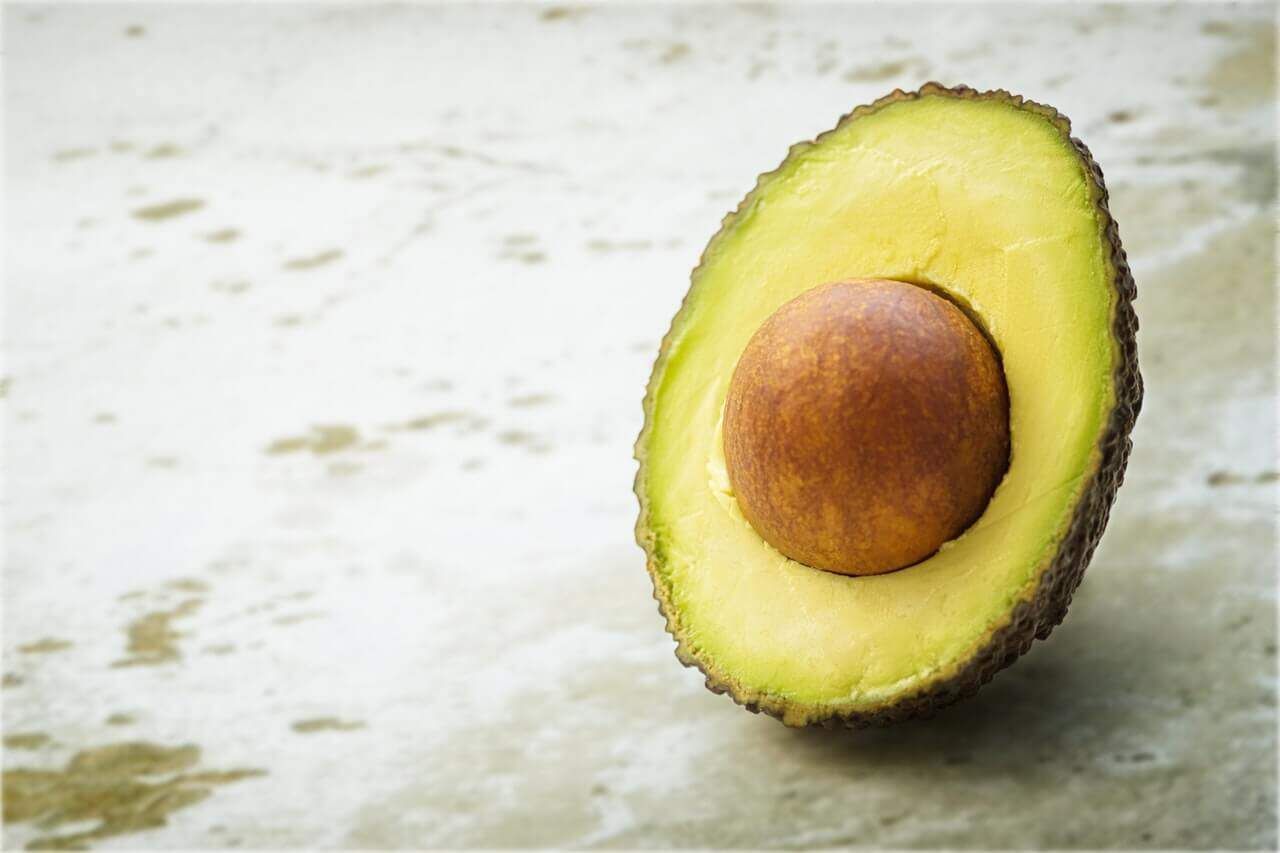
Avocados
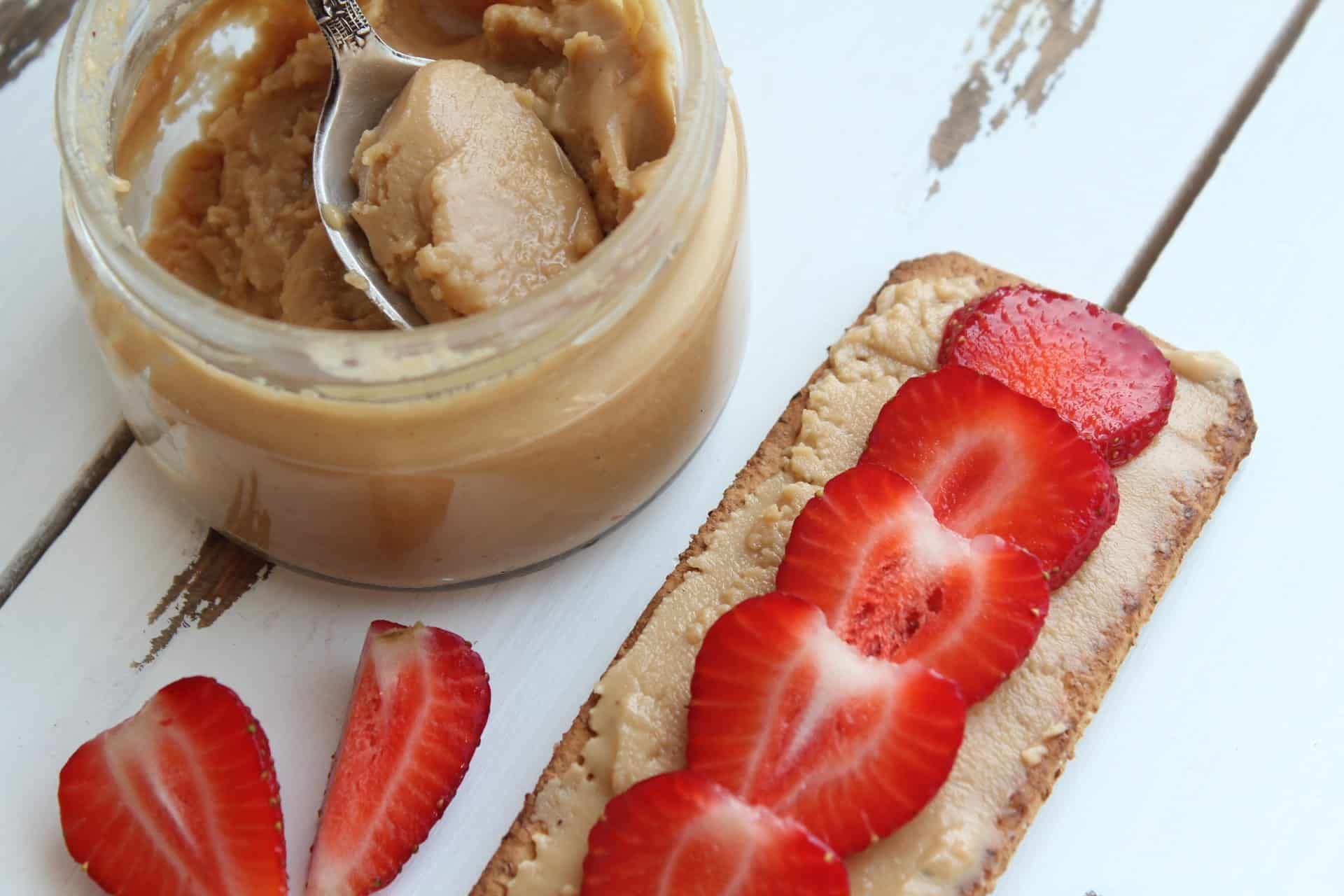
Peanut butter

Olive oil

Salmon and oily fish

Whole eggs
To gain weight, you must create a calorie surplus, meaning you eat more calories than your body needs.
Calculate your recommended calorie intake here.
Eating healthy can also help alleviate the symptoms of many health conditions, including type 2 diabetes, hypertension, etc.
If you are at high risk for any health conditions, modifying your diet accordingly can even help you escape the condition.
A healthy diet can be as good for your heart as it is for your waistline.
You might also be interested in: Your Genes Do Not Sugarcoat When It Comes To Diabetes
These diets claim to facilitate toxin elimination from the body, thereby promoting healthier well-being.
Even though there is little evidence that detox diets actually help to remove these toxins, some people report feeling more focused and energetic during and after detox diets.
Most detox diets involve either one or a combination of two or three of the following things:
This brings us to the next ingredient of the recipe for healthy eating.
According to the World Health Organization, the following six are considered to be the essential nutrients:
Proteins, carbs, and fats fall in the macronutrient category, while minerals and vitamins belong to the micronutrient category.
The ‘ideal distribution’ of these nutrients in a diet is as follows:
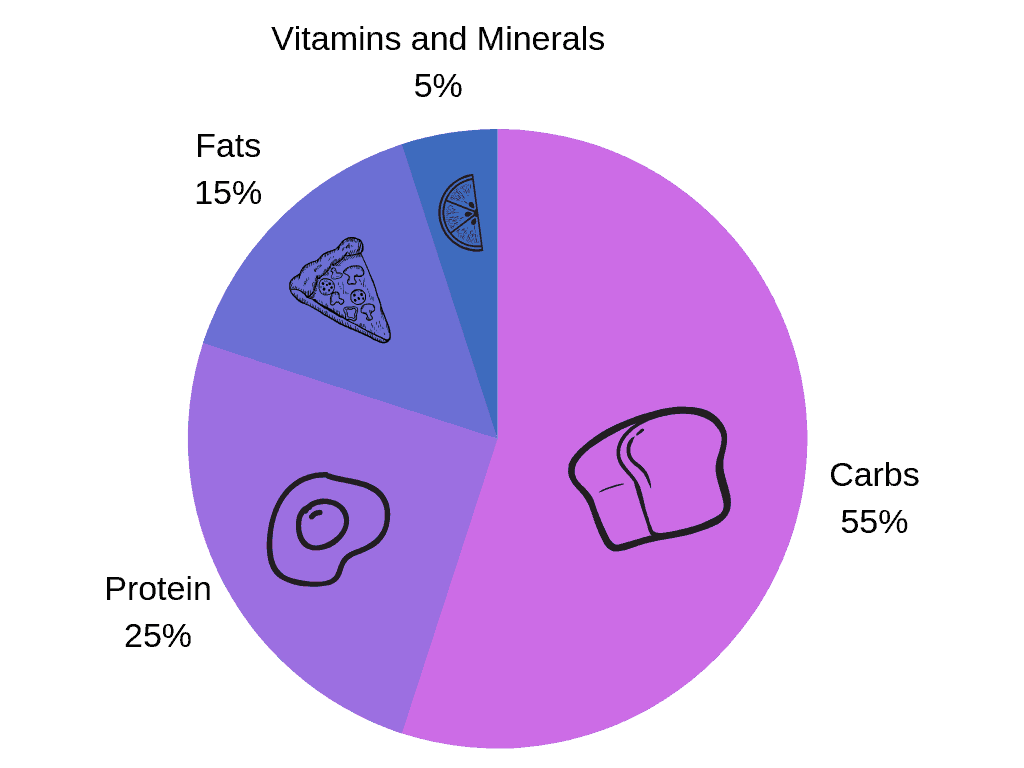
However, the distribution is altered according to the requirements of each diet.
This can also change based on your body’s ability to metabolize these macro and micronutrients.
Before starting any diet, it is important to check whether the nutrients in the diet meet your nutritional requirements.
For example, vegan and vegetarian diets do not provide as much heme iron as we normally get from meat sources.
Heme iron is better absorbed into our body than the non-heme iron.
If your body has a lower ability to absorb iron from the diet, then going vegan may not essentially be recommended for you.
Even if you are already on this diet, it is essential to take appropriate supplements to meet your nutritional requirements.
A lot of the commonly followed diets like plant-based diets are deficient in micronutrients, especially vitamins. The most common nutritional deficiencies observed include:
Hand-picked content for you: Are You Meeting Your Vitamin D Needs? Let Us Ask Your VDR Gene!
Once you learn more about these deficiencies and your risk for it, a few modest changes in your diet are all you need for healthy eating.
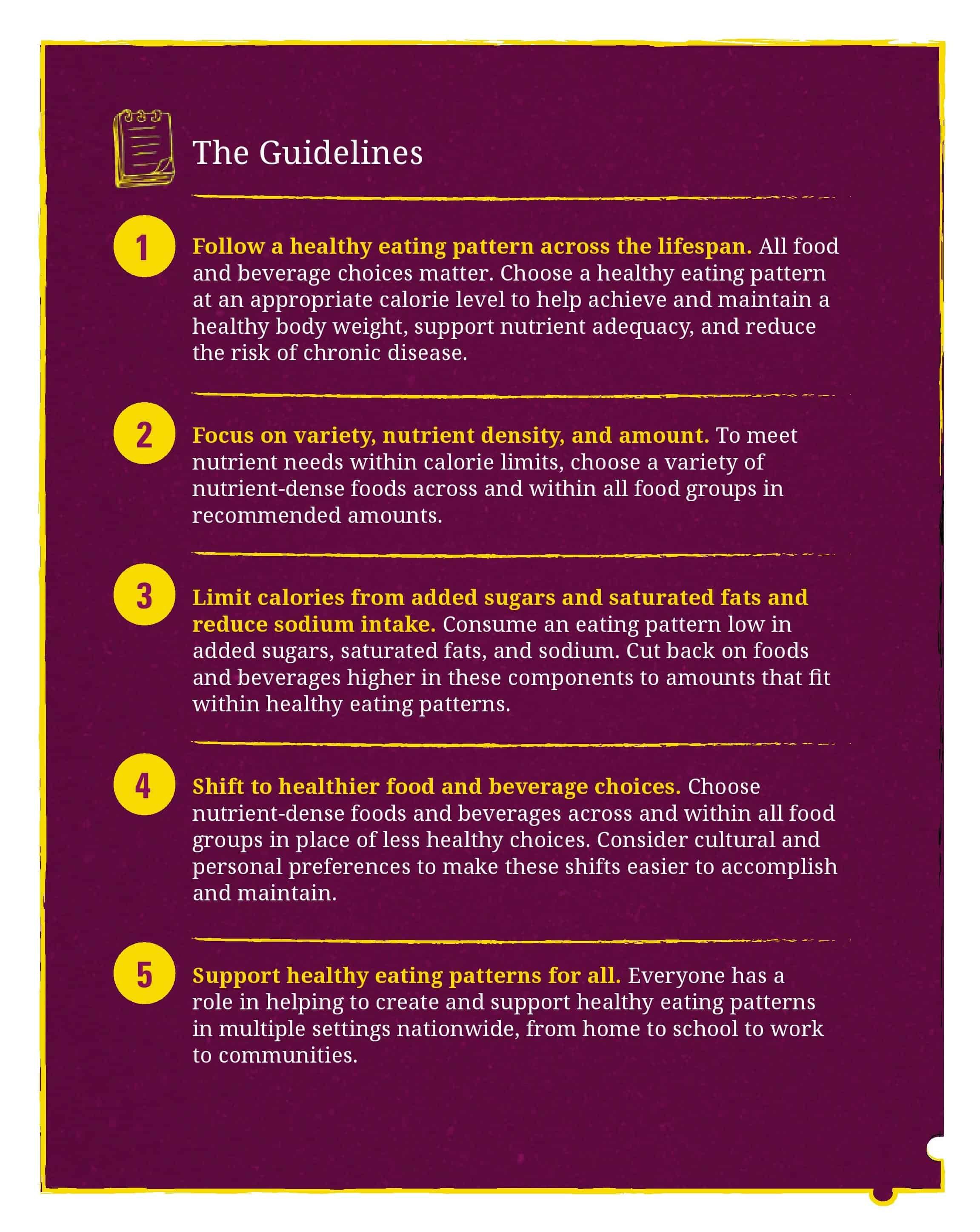
The guideline recommends increased intake of:
Consume less than:
Consume alcohol in moderation—up to one drink per day for women and up to two drinks per day for men—and only by adults of legal drinking age.
Covering over 33 categories, this report is the final ingredient you need to complete the recipe for healthy eating.
It helps identify your genetic risk for 9 vitamin deficiencies.
The report also gives insights into the requirements of many minerals like calcium, magnesium, iron, copper, etc.
It contains information about your tendency to gain and lose weight upon consumption of the essential nutrients, including carbs, proteins, and fats.
Each category covered also comes with some food recommendations which can help highly optimize your diet.
Upload your DNA raw data to Xcode Life to order our Gene Nutrition Report.
Body Mass Index, known commonly as BMI, is essentially a person’s weight in kilograms divided by the square of their height in meters.
This number is used to classify individuals into different groups – optimum weight, underweight, overweight, or obese.
BMI has been used as an indicator to determine an individual’s body fat levels.
However, in recent studies conducted, it has been proven time and again that BMI is a poor representation of an individual’s body fat percentage.
BMI can be used as a screening test rather than a diagnostic test.
It can be used to screen the body fat levels and overall health of the individual.
BMI does not furnish information such as the mass of fat in different regions of the body and does not differentiate between body lean mass and body fat mass.
Also, it does not take into consideration factors such as gender, age, and race.
Here is something that may be of help you: Optimize Your Weight Loss Plan With Your 23andMe Raw Data
To calculate the BMI using the metric system, we need to divide the weight of the individual (in kilograms) by the square of their height (in meters), i.e.
WEIGHT(Kg) / [HEIGHT(meters)]^2
Since height is usually measured in centimeters, the formula can be written as:
[WEIGHT(Kg) / HEIGHT (cm)/ HEIGHT(cm)] x 10,000
To calculate the BMI in the English system, the formula is:
WEIGHT(lb) / [HEIGHT(in)]^2 x 703
Before the BMI calculation, the weight needs to be converted into decimal values in case it is given in terms of ounces.
In order to calculate an individual’s BMI, his/her weight(in kgs) must be divided by the square of his/her height(in meters).
Based on the above-mentioned calculation, individuals are categorized as:
| BMI | Category |
|---|---|
| <18.5 | Underweight |
| 18.5 to <25 | Normal |
| 25 to <30 | Overweight |
| 30 or higher | Obese |
Based on BMI, obese individuals are further classified as:
| BMI | Category |
|---|---|
| 30 to <35 | Mild obesity |
| 35 to <40 | Moderate obesity |
| 40 or higher | Extreme or severe obesity |
Absolutely not! It is a screening tool to determine a healthy ratio between an individual’s weight and height.
The calculation does not take into consideration many factors such as muscle mass, fat mass in different regions of the body, gender, race, and age of the individual.
Due to this, the BMI of an individual is usually either an overestimation or underestimation of the true body fat.
One of the prime reasons for this is that BMI doesn’t differentiate between muscle and fat.
A tall individual who is lean but has heavy muscle mass can appear to be obese as per the BMI calculation.
But, this is incorrect because the actual amount of fat, which acts as a risk factor for many diseases, is less.
Another problem with BMI calculation is that it doesn’t differentiate between the fat present in different areas of the body.
For example, fat in the belly is harmful, but fat under the skin is harmless.
Few lean individuals have excess belly fat and still may fall under the ‘normal’ range of BMI.
This is incorrect because belly fat increases the risk of an individual to develop many health problems.
Hand-Picked article for you: Have Your 23andMe Raw Data? Use It To Get 500+ Health-Realted Genetic Traits!
As we saw earlier, BMI is used to categorize individuals into underweight, normal, overweight and obese categories.
However, it is not the right way to determine obesity and the amount of body fat.
Yes, it can be used as a screening test, but definitely not a diagnostic test to determine one's obesity.
The reason for this is that the calculation of BMI does not describe what is ‘abnormal fat accumulation’ and does not differentiate between fat mass and muscle mass.
Inaccurate measurement of body fat using only BMI as a tool is potentially dangerous as it can lead to poor treatment, over-treatment, and even social stigma to the individual.
The BMI calculation method neither gives accurate body fat percentage nor its distribution.
However, in many cases, individuals need to determine the exact amount of fat in their bodies.
Some of the more accurate ways to measure body fat include:
Before deciding on a particular body measurement scale, it is important to answer the following question:
FTO or Fat mass and obesity-associated gene, as the name says, have been linked to obesity, increased body fat, and an increased BMI.
A particular SNP rs9939609 has been linked to an increase in total body fat levels.
According to a study conducted, the presence of the AA allele of the FTO gene has shown to contribute to obesity and increased BMI, irrespective of how the adipose tissue distribution is.
Factors influencing an individual's BMI like insulin sensitivity and plasma cholesterol levels are also associated with the SNP rs9939609.
The FTO gene has been observed to be associated with calorie intake.
Handpicked content for you: Does Your FTO Gene Variant Pave The Way To Obesity?
Over 90 genes affect an individual's BMI.
One such gene is the SEC16B gene.
The exact function of the gene remains unknown.
It is said to play an important role in packing and distributing fatty acids, proteins, and cholesterol within a cell and through multiple cells.
How this function helps in BMI is yet to be studied.
But, it was found that people having a C allele of the gene are at a risk for high BMI.
As repulsive as that may sound, topical application feces of insects like a wasp, beetle, etc were considered as a serious treatment option in the Middle Ages! Thanks to modernization, and development in science, we have a far better knowledge of breast cancer and the much-sophisticated, state-of-the-art treatment options.
Yes! You read that right. Though men may not have breast organs, the presence of the tissue puts men at a risk for breast cancer. Though the prevalence is far less than in women, due to lack of awareness, it is usually diagnosed at an advanced stage. A man’s lifetime risk of developing breast cancer is 1 in 1000, and a total of 2670 men in the US are predicted to be diagnosed with cancer in 2009. About 1 out of 5 men with this cancer have close male or female relatives with the disease. So, it's high time that men also start getting themselves diagnosed as a precaution.
The presence of a lump is considered as a critical criterion in the self-examination of breast cancer. It is very important to remember that not all breast cancers can be self-examined based on the presence of a lump. The cancer can either cause a lump that cannot be felt or it may be too late before a prominent lump is felt. Hence, it is always advised to go for regular breast check-ups like mammograms.
The cancer also is known as nun’s disease due to a higher incidence among the community of nuns. The reason behind this is hormonal fluctuation in nuns due to the absence of breastfeeding. Breastfeeding is considered to lower the risks of breast cancer.
Approximately 10% of breast cancer patients carry specific genetic mutations. The BRCA1 and BRCA2 genes are the breast cancer susceptibility genes, mutations in which have been reported. Cancer is a very complicated condition to treat, genetic testing helps in putting forth a tough fight against it. Individuals with a familial history of breast cancer, those with a positive report from a mammogram, etc are advised to take up genetic testing.
Handpicked content for you: Carrier Status- Are You A Genetic Carrier For Certain Diseases?
Though cancer is the second-highest mortality causing condition, the good news is that there has been a steady increase in the survival rate of breast cancer. Thanks to rapid development in diagnosis and treatment options, there are several survivors. So this breast cancer awareness month, let us pin the pink ribbon and show some support!
References
Upload your DNA raw data to Xcode Life. Our BRCA and Breast cancer report analyzes for breast cancer susceptibility.
Hay fever, also known as allergic rhinitis is an allergic condition that develops as a response to a wide range of indoor and outdoor allergens that can be inhaled.
Numerous allergens may trigger an allergic response.
The signs and symptoms that follow an allergic exposure, indicating hay fever are:
There is a high chance of misinterpreting the condition as a common cold due to the close similarities in the symptoms of both; hence, it is necessary to know the difference for appropriate treatment.
There are certain features, in particular, which distinguish the common cold from allergic rhinitis:
| Condition | Cause | One Distinguishing symptom | Onset of condition | Duration of condition |
|---|---|---|---|---|
| Hay fever/Allergic rhinitis | Allergens | Runny nose discharge is watery | Immediately after exposure to the allergen | As long as there is exposure to the allergen |
| Common cold | Viruses | Runny nose discharge is mucus | 1-3 days post-exposure to a virus | 4-7 days |
Hand-picked content for you: HLA and Allergies The Ever-Evolving Love Story
There exists a wide range of allergens that are capable of triggering the allergy, a few of which are:
The underlying cause for allergy has been identified as regular inhalation of an extremely tiny (smaller than the tip of a pin) dry protein called pollen.
Pollens are invisible and are usually smaller than 40 microns in diameter.
They are carried by air and enter the respiratory pathway on inhalation, and as a result, it gets lodged in the nose, causing immediate sneezing, itchy nose, etc.
Though the apparent reason for hay fever is the exposure to pollen, a person's genetic makeup can make them more susceptible to developing this allergy.
A few genes underlying the reason behind an allergic reaction are-
In hay fever, certain variant forms of the above genes are implicated:
The gene is a member of the Human Leucocyte Antigen family of genes that is responsible for secreting proteins that trigger an immune response by displaying foreign peptides to the immune system.
The single nucleotide polymorphism in HLADQB1 implicated in hay fever causes hyperactivity of the gene. Thus an immune response is elicited; consequently, harmless pollen is identified as a harmful foreign substance, resulting in an allergy.
| Gene | SNP Id | Risk Allele | Implications of risk allele |
|---|---|---|---|
| HLADBQ1 | rs9273373 | G | Increased activity of immune system, recognizing pollen as an allergen. |
IL33 gene is a part of the interleukin family and is responsible for the activation of various components of the immune system like basophils, eosinophils, and natural killer cells.
A mutation in the gene, found in hay fever leads to increased activity of IL33, thereby increased action of the immune system components, which results in an allergic outcome to exposure of mere pollens.
| GENE | SNP Id | Risk allele | Implications of risk allele |
|---|---|---|---|
| IL33 | rs72699186 | T | Hyper-activation of immune system components. |
The SMAD3 gene provides instructions to synthesize the SMAD3 proteins, which upon activation by TGFB protein plays a major role in the activation of various genes, in cellular processes like cell differentiation, proliferation, etc.
A mutation in this gene results in an increased differentiation and proliferation of immune cells.
| GENE | RS Id | Risk Allele | Implications of risk allele |
|---|---|---|---|
| SMAD3 | rs17294280 | G | Increased differentiation and proliferation of immune cells. |
TLR1 (Toll-Like Receptor 1) encodes pattern-recognition receptors whose role is to recognize external pathogens and thereby activate appropriate immune responses.
The presence of T allele, the risk allele, leads to the sensitivity of pollen, therefore, hyper-activation of the corresponding immune response.
| GENE | RS Id | Risk Allele | implications of risk allele |
|---|---|---|---|
| TLR1 | rs4833095 | T | Presents pollen as an harmful pathogen to the immune system. |
The gene encodes for a particular cytokine protein of the interleukin receptor family.
It is involved in immune and inflammatory responses.
A single nucleotide polymorphism in the gene triggers an allergic reaction to pollen.
| GENE | RS Id | Risk Allele | implications of risk allele |
|---|---|---|---|
| IL1R1 | rs1097862 | A | Increases immunity of the body against potentially harmless substances like pollen. |
Managing the condition is a major treatment approach in allergies; hay fever can be managed by taking certain measures:
Treatment options for hay fever include:
Including a few vegetables and fruits to your diet will help in alleviating the symptoms of allergy:
This might be of help to you: A Guide To Analyze Your DNA Raw Data For Allergy
Upload your DNA raw data to Xcode Life. Our Gene Allergy report analyzes hay fever, dust mite allergy, pollen allergy, and 13 other such traits.
The greatest wealth that one can ever earn is good health! Health is a state of complete physical, mental and social well-being and not merely the absence of disease or infirmity. In the recent years, one of the best aspects of health care reform is that it has started to emphasize on prevention. When we talk about prevention, it is certain that identification (or in medical terms diagnosis) of any health disorder is elemental for its prevention. Whenever there is a mention about diagnosis, we systematically follow an ‘ABCD’ pattern, that is., Anthropometry (height, weight, BMI and other physical determinants), biochemical parameters (biological markers, for instance blood, urine, sputum), Clinical presentations (Blood Pressure, body temperature, consciousness) and finally Dietary considerations (meal pattern, frequency of consumption of different foods, food allergies to name a few). But still the fact that genetic make-up of a person decides his/her physical appearance, intelligence, behavioral patterns, health outcomes and ageing pattern is compelling enough to allocate space for genetic aspects in wellness and disease prevention approaches.
The effect of dietary factors on health status has been recognized since antiquity. Food and its components directly or indirectly influence gene expression. Genetic predispositions in turn dictate unique dietary needs and requirements. Nutrigenetics, a field of Life Science aims to identify genetic susceptibility to diseases and the vital role of genetic variation in affecting the nutrient intake. While Nutrigenomics focuses on the effect of food and food constituents on gene expression. According to Nutrigenetics, the current science of food and the nutrition it provides when interweaved with genetic insights and applied mindfully, can have a myriad restorative and therapeutic capacity to cure health disorders. ‘One size fits all’ approach to dietary and fitness recommendations leaves a gap which stands miles away from best desirable results for an individual. Hence,a personalized health care approach focusing on lifestyle modification is built on the basis of genetic assessment.
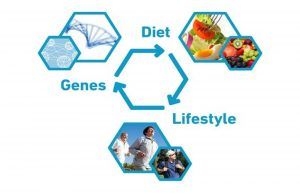
A small genetic change, or variation, that occurs within a person’s DNA sequence can have an impact on his/her nutrient metabolism. Genetic assessment will give you a clear picture of your genetic information in relation to a nutrient metabolism which in turn has relevance to health conditions. Genetic risks may be offset by favorable changes in lifestyle. Lifestyle is a comprehensive approach featuring diet, physical activity, stress management and personal habits. Amongst the three strong pillars for a healthy life, that is., diet, exercise and sleep, diet is rated the top most.
Genetic assessment aims to develop rational means to optimize the lifestyle of an individual with respect to his/ her genotype. This personalized health approach promotes disease prevention in the long run. For instance, your meal pattern, meal timings and even the type of snacks can be recommended to suit you best if you understand the pattern of genes like FTO, LEP, LEPR and CCK which influence appetite, meal quantity, satiety response and the urge to snack. Individuals carrying a variation in such genes tend to have a difficulty in following proper meal timings and meal quantities and thereby they are likely to overeat. A balanced diet with adequate dietary fiber, and healthy snacks timed appropriately can prove beneficial in their weight control.
Likewise, the type of cooking oil that you should be using or the type of nuts that you should be consuming to stay heart-healthy by maintaining optimal triglyceride levels is decided by a gene called APOA5. A variation in the APOA5 gene may demand from you a revised recommendation for n-6 fatty acids (<6% of total calories compared to the general recommendation of <10% of total calories) to help you in maintaining your triglyceride levels.
Your digestive tolerance for milk & its products is also decided by your genes. Variations in MCM6 gene may demand from you fermented milk products intake to compensate for reduced lactase activity and to stay flatulence-free. Can you drink 3 cups of coffee in a day or should it necessarily be alternated with another refreshing beverage like green tea? Is another question to which the answer is in your genes like CYP1A2.
AGT gene encodes for Angiotensinogen, which causes sodium retention in the body. Individuals with a genetic variation show increased sensitivity to dietary salt intake. Revised salt restriction norms (<3.5 grams of table salt as against <5 grams given by WHO) are recommended to maintain optimal sodium levels and prevent hypertension in these individuals.
Know your genes! Sow healthy habits and reap lifelong wellness.