Did you know that a person’s chance of developing breast cancer could be genetic? Here’s how it happens.
We inherit DNA from our parents. Our DNA is present within each of the trillions of cells in our body. DNA contains the instruction manual that determines how our bodies function.
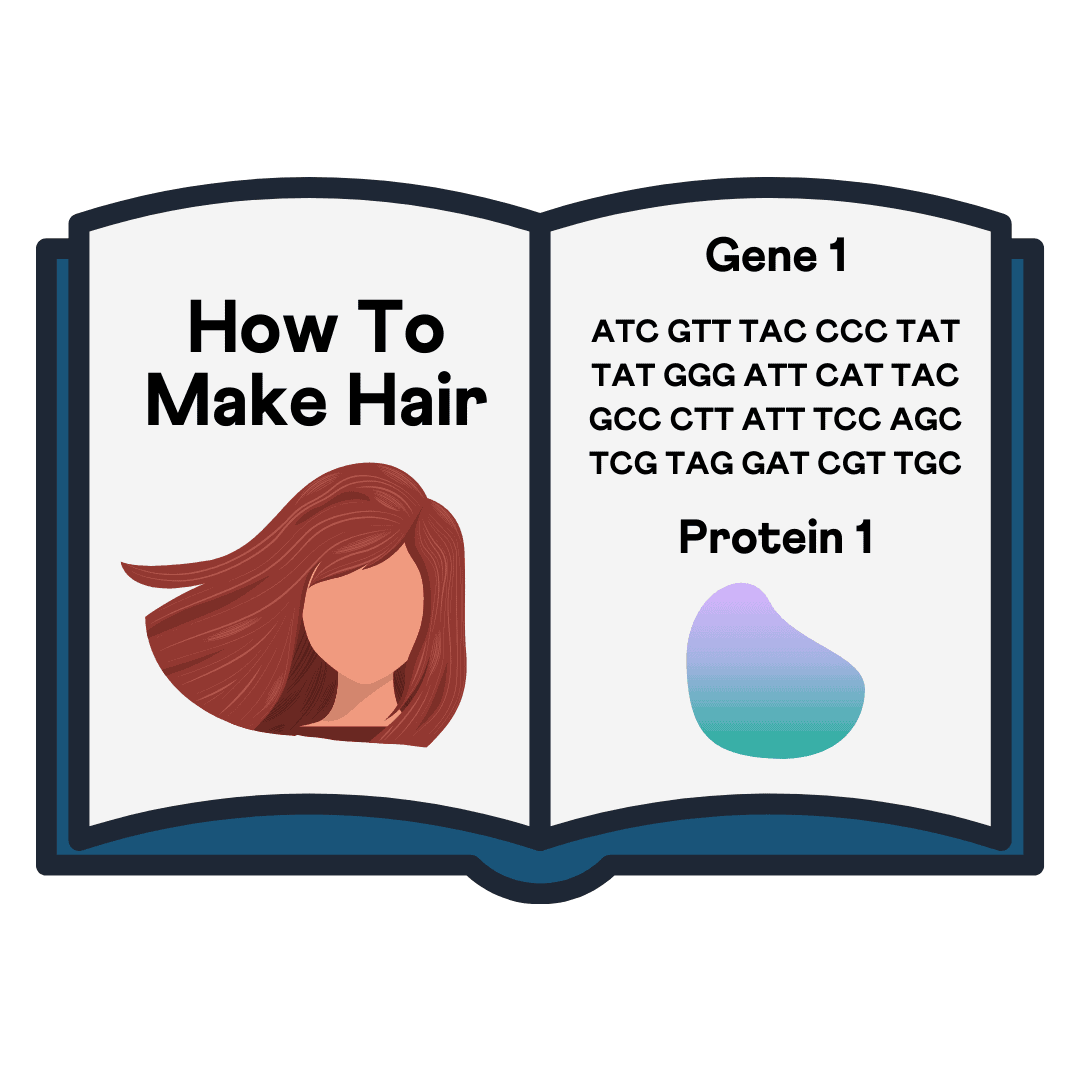
Within the DNA, there are thousands of genes that produce all the proteins required by the body. You have two copies of every gene: one from your mum and one from your dad. The mix of your genes is different from that of another person’s. In fact, only identical twins share the same genes.
Sometimes these genes contain faults, called mutations. In most cases, these faults do not have any dangerous effects. But certain mutations alter the proteins that play vital roles in the body. It can disrupt normal development and may lead to medical conditions.
Two genes, BRCA1 and BRCA2, are associated with breast cancer. Contrary to popular belief, these genes don’t cause breast cancer. In fact, they have a protective role against cancers! In some cases, BRCA1 and BRCA2 genes have mutations that interfere with their protective role. Though these mutations may not definitely cause breast cancer, they do increase the chance for it to develop.

A faulty BRCA1 or BRCA2 gene can be passed down from one generation to the next. If either your mum or dad carries a faulty version, then the chance of you having the faulty gene is 50%. Similarly, if you inherit one faulty gene, the chance of you passing it on to each child is 50%. Breast cancer genes cannot skip generations. People who have a family history are estimated to have at least a one-in-ten chance of carrying a faulty gene.

Genetic tests analyze the BRCA gene and help family members find out whether or not they are at increased risk for breast cancer. More than 1,000 mutations in the BRCA1 and BRCA2 genes are known to increase cancer risk.
Xcode Life’s BRCA genetic analysis includes 18 breast cancer-related traits.
Most genetic ancestry companies like 23andMe, provide your DNA information in the form of a text file. This file is called the DNA raw data. Your 23andMe raw data contains several of the BRCA gene markers, which can be analyzed to find out your breast cancer risk. This data looks like a bunch of letters and numbers, which may not make much sense to you.
But, Xcode Life can interpret all this information for you!

All you need to do is upload your raw data and order the BRCA and breast cancer report. Xcode Life then analyzes your raw data in detail to provide you with a comprehensive Breast Cancer Risk analysis.
Snoring is the loud or harsh sound from the nose or mouth that occurs when breathing is partially obstructed. The sound is produced when the soft palate and other soft tissues (such as uvula, tonsils, nasal turbinates, and others) in the upper airway vibrate.
Affecting nearly 90 million Americans, it can lead to disturbed, unrefreshing sleep, ultimately resulting in poor daytime function. Snoring is caused due to obstruction of air passage, resulting in the vibration of respiratory structures and the production of sound during breathing while asleep.
Snoring is more prevalent in males than in females. Certain risk factors such as genetic predisposition, throat weakness, obesity, mispositioned jaw, obstructive sleep apnea, sleep deprivation, alcohol consumption, and mouth breathing are associated with snoring.
Although there's no one "snoring gene," research has identified various genetic links to snoring with risk heritability ranging between 18 to 28%.
A study that used data from over 400,000 participants of European ancestry in the UK Biobank identified 42 strong genetic markers associated with snoring.
The top 2 genes were DLEU7 and MSRB3.
MSRB3 is associated with protein and lipid metabolism pathways, which are related to hippocampal volume (a region in the brain) and lung function.
Such genetic associations are consistent with the findings that severe bouts of snoring may be due to:
- Nocturnal oxygen desaturation (temporary drop in oxygen levels in hemoglobin)
- Lowered neuropsychological functions, with reduced ability to consolidate memory.
Snoring is not often considered a serious health concern except in some conditions. Snoring can usually be cured through simple home remedies. Light and infrequent snoring is completely normal. Snoring that is linked to obstructive sleep apnea (OSA) is, however, worrisome and needs to be treated.
https://pubmed.ncbi.nlm.nih.gov/32060260/
Xcode Life’s Personalized Medicine report targets genes that are associated with your response to drug therapies. This will help your physician understand your metabolic responses and prescribe the right drug.
Your genes produce drug-metabolizing enzymes, drug targets, and other proteins related to the action of drugs. Each individual has a unique genetic makeup. Hence, they might respond differently to certain medications.
Pharmacogenomic tests provide information about a person’s genetic makeup to help the physician decide which medications and what doses might work best for him or her. It also helps to reduce the cost and time associated with a trial-and-error approach to treatment.
Some interesting facts about genes and your medications:
The report can be used to optimize therapy for nearly 200 commonly prescribed drugs in multiple treatment categories,including statins, platelet aggregation inhibitors, biguanides, sulfonylureas, anticoagulants, beta blockers, antihypertensives, proton pump inhibitors, non-steroidal anti-inflammatory drugs, and antiarrhythmics.
The results of this report can be used as a supplement to the clinical decision-making process and reduce the cost and time associated with a trial-and-error treatment. In this report, we profile gene variants that influence your metabolic response to various drug therapies.
Based on the results of your genetic test, the report provides an insight into your genetic type.
The drugs are classified into various categories that include:
Depending on the gene type you carry, your metabolizer status is assigned for each drug. Normal or extensive metabolizers break down drugs at a normal rate. These people are likely to metabolize the drugs normally and experience the intended effect of the drug.
Poor metabolizers break down the drugs at a much slower than normal rate. The standard doses may not be as effective for them. They also may experience undesired side effects.
Ultra-rapid metabolizers break down drugs at a faster than normal rate. As a result, they may experience some undesirable side effects. They may also require a higher dosage of the drug.
The evidence level and strength are also mentioned, along with the gene analyzed in relation to drug metabolism. Treatment and dosage recommendations are provided for each drug covered in the report.
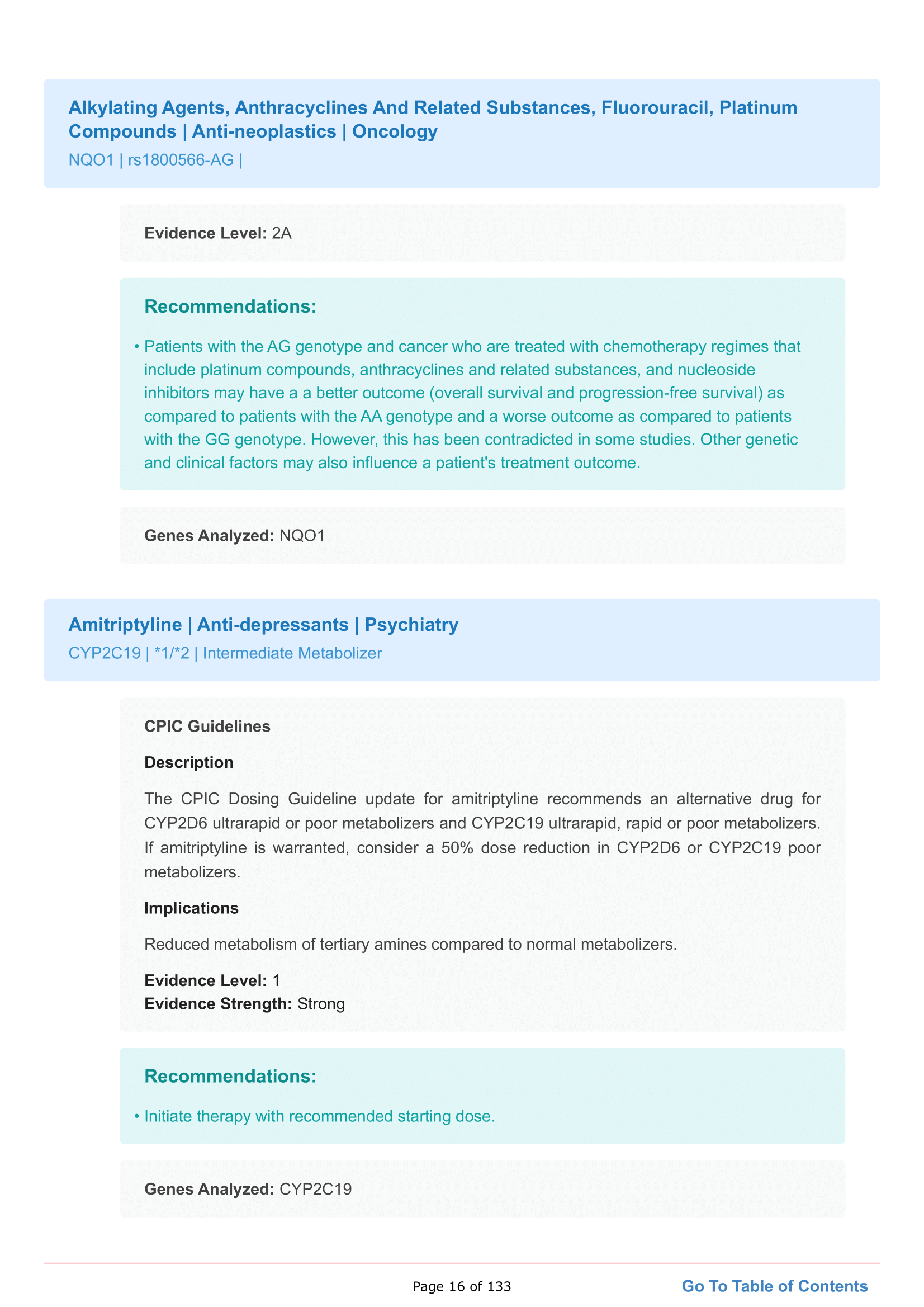
The report analyzes your response to 270+ drugs, including ACE Inhibitors, Caffeine, Carbamazepine, Codeine, Fentanyl, Ibuprofen, Metformin, Morphine, Selective serotonin reuptake inhibitors, Simvastatin, Tamoxifen, and Warfarin. For a comprehensive list of the traits covered, click here.
Xcode Life’s Carrier Status report profiles genes that are associated with several health conditions that can be passed on to your children.
A genetic carrier is someone who carries and potentially passes on a faulty gene associated with a disease but may or may not display the disease symptoms themselves. If a genetic carrier has children with another carrier for the same condition, then each child has a 25% chance of being affected by the condition.
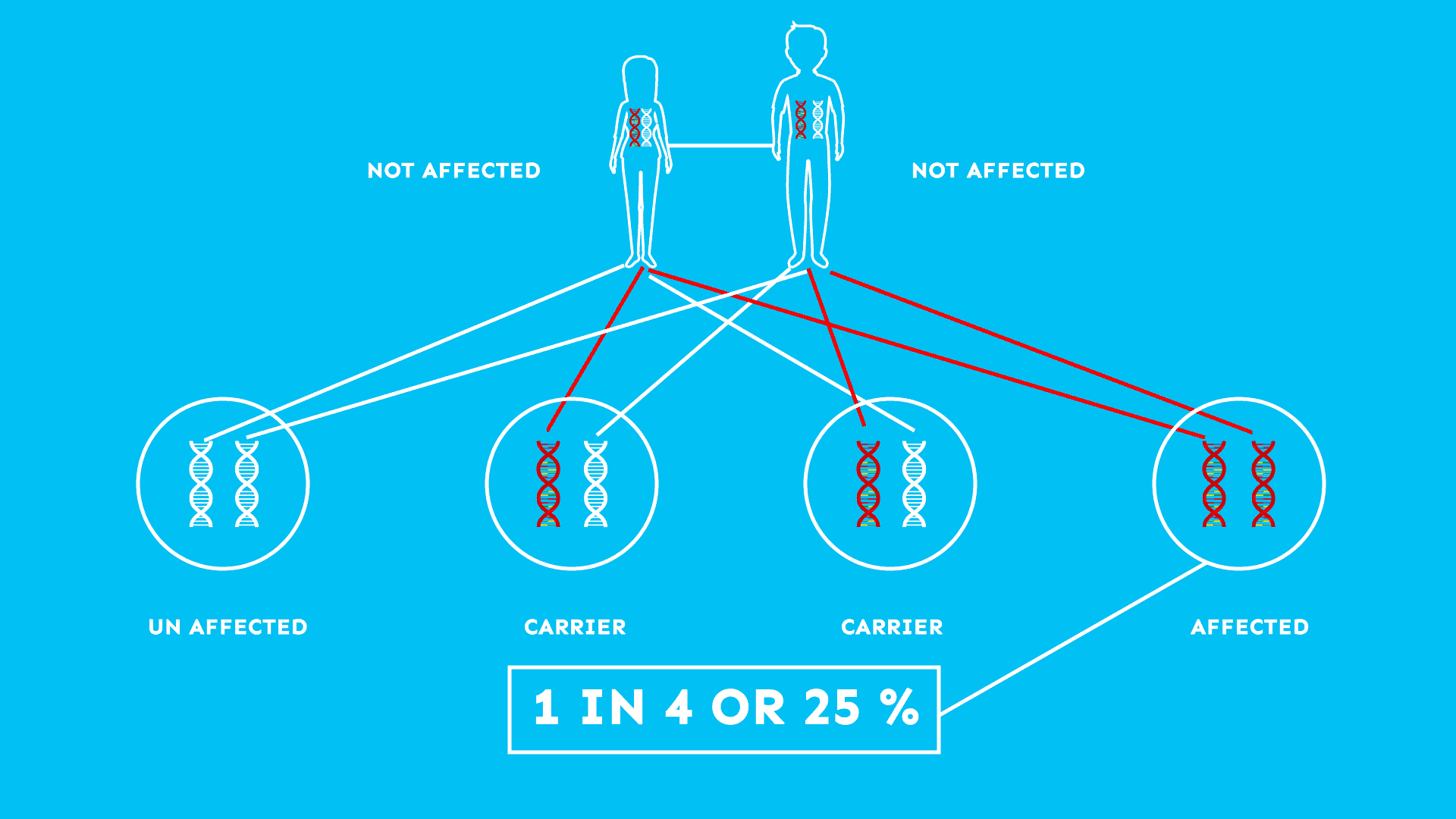
A genetic carrier screening test helps couples determine the risk of passing down genetic conditions to their child, either prior to conception (preferred) or in early pregnancy. Carrier screening is becoming an essential part of pregnancy planning, and allows you to make informed decisions about your reproductive options and prenatal care.
The Carrier Status Report analyzes your genetic risk of being a carrier for over 360 inherited conditions. In this report, pathogenic and likely pathogenic variants are reported.
The conditions are marked in green if you do not have any pathogenic variants for them. Red indicates the presence of a pathogenic variant associated with that condition.
Each condition also comes with the following details.
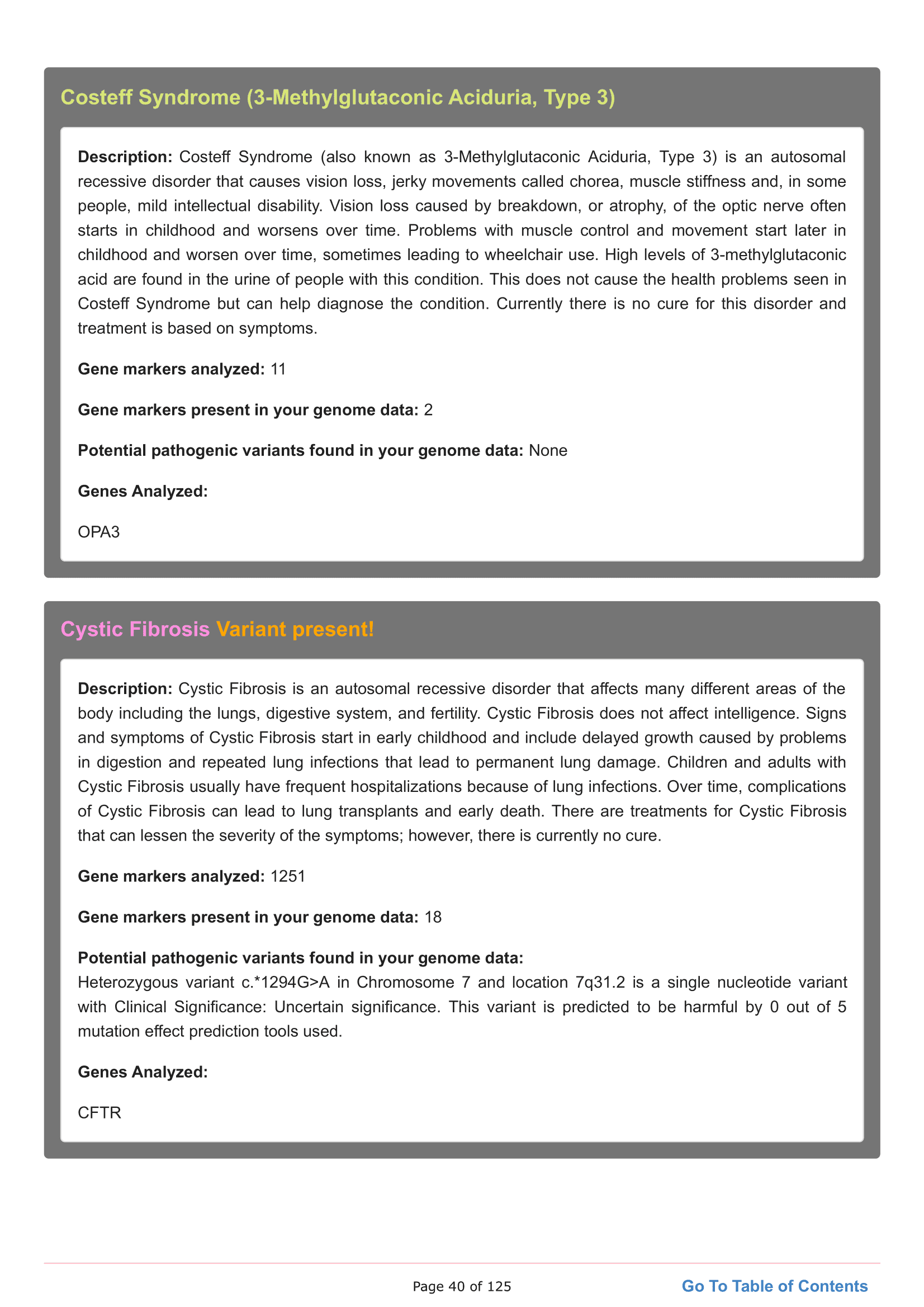
The potential pathogenic variant may be none in most cases. This is because these are rare variants, present in very few people. Additionally, ancestry tests cover only a small portion of your genome, and they may not reflect all the pathogenic variants present.
The report analyzes 360+ inherited conditions, including Alpha-1-antitrypsin deficiency, Beta Thalassemia, Bloom syndrome, Cystic fibrosis, Duchenne muscular dystrophy, Familial hypercholesterolemia (LDLR related), Glycogen storage disease type 7, Homocystinuria due to MTHFR deficiency, Phenylketonuria, Retinitis pigmentosa, Severe combined immunodeficiency, and Wilson disease. For a comprehensive list of the traits covered, click here.

Have you ever wondered why you look different from your parents, friends, or your friendly next-door neighbor? Except in cases of identical twins or a celebrity doppelganger, we all have this uniqueness in how we look and our characteristics and habits. What can be attributed to this uniqueness? Answering this involves digging up the age-old debate of genetics versus environment, more popularly, Nature versus Nurture.
Nature, referring to genetics, is the unique combination of genes you inherit from your biological parents. Your genes influence certain characteristics like blood group, eye color, natural hair color, etc.
Even certain health conditions are caused by a change in your genes. For example, cystic fibrosis is a condition caused by mutations in the CFTR gene.
The influence of genetics can be visibly seen across other species as well. For instance, the color of fruits and flowers of a plant is determined by its genetic makeup.
‘Nurture’ here refers to the environment. The environmental factors also blanket the lifestyle and other habits of an individual. For example, a person’s weight can be influenced by factors like diet and physical activities. The environment also influences the risk for certain health conditions like coronary heart disease and type 2 diabetes.
In plants, the amount of sunlight and water exposure can determine the height of the plants as well as the number of fruits/flowers produced. Can we really tease apart nature and nurture for human traits and characteristics?
Research on identical twins has been used to separately study the effects of genes and environment on specific characteristics. Identical twins are known to have the same DNA and are thus, ‘genetically’ identical. Therefore, theoretically, they must have identical characteristics.
But mostly, this is not the case. Identical twins may grow up to be two very different people with varied personalities and preferences. Since they have identical genetic makeup, these differences can only be attributed to environmental factors.

A study on smoker-non-smoker twins revealed that skin aging was way more accelerated in smoker twins than the non-smoker twin.

Thus, the uniqueness of organisms is not because of genetics or the environment acting alone. There is no winner in the Nature vs. Nurture debate. Human traits are influenced by both Nature and Nurture.
You can learn about the genes that influence various attributes, from your nutrition and fitness profile to cancer risk, through a simple genetic test. Most genetic tests provide your DNA information in the form of a text file known as the raw DNA data. This data may seem like Greek and Latin to you. We, at Xcode Life, can help you interpret this data. All you have to do is upload your raw data and order any of the thirteen genetic reports we offer. Xcode Life then analyzes your raw data in detail to provide you with a comprehensive genetic analysis.

How does your body know that you are full after a meal? Hunger creates an uncomfortable feeling, making you desire food. After hogging a pancake or two, you start to experience the feeling of fullness. What happens inside the body that gives rise to this feeling? This feeling of fullness, also termed satiety, is due to various inputs that your brain receives when you consume food. When food enters your stomach, the muscular walls of the stomach expand to accommodate the incoming food.
This stretching of the stomach is picked up by the nerves wrapped intricately around the stomach wall. These nerves communicate with the brainstem and the hypothalamus. They are the two main regions of the brain that control food intake.
Over 20 gastrointestinal hormones are involved in signaling your brain that you are full. Cholecystokinin is a hormone produced in the upper small bowel which induces the feeling of fullness. Eventually, you feel full and stop eating. This hormone also slows down the movement of food from the stomach into the intestines. This is done to give the body time to understand that you’re eating and filling up your stomach. You must have noticed that when you eat really fast, you don’t feel as full as when you take time to eat your food. This is why - your body needs time to realize that you’re eating food.
Insulin is also involved in the satiety response. Insulin release is triggered upon the entry of glucose. When insulin is released, it instructs the body’s fat cells to make another hormone called leptin. There are two groups of neurons in the hypothalamus: ones that promote the sensation of hunger and the others that inhibit it. Leptin blocks the neurons that drive the food intake, thus inducing satiety.
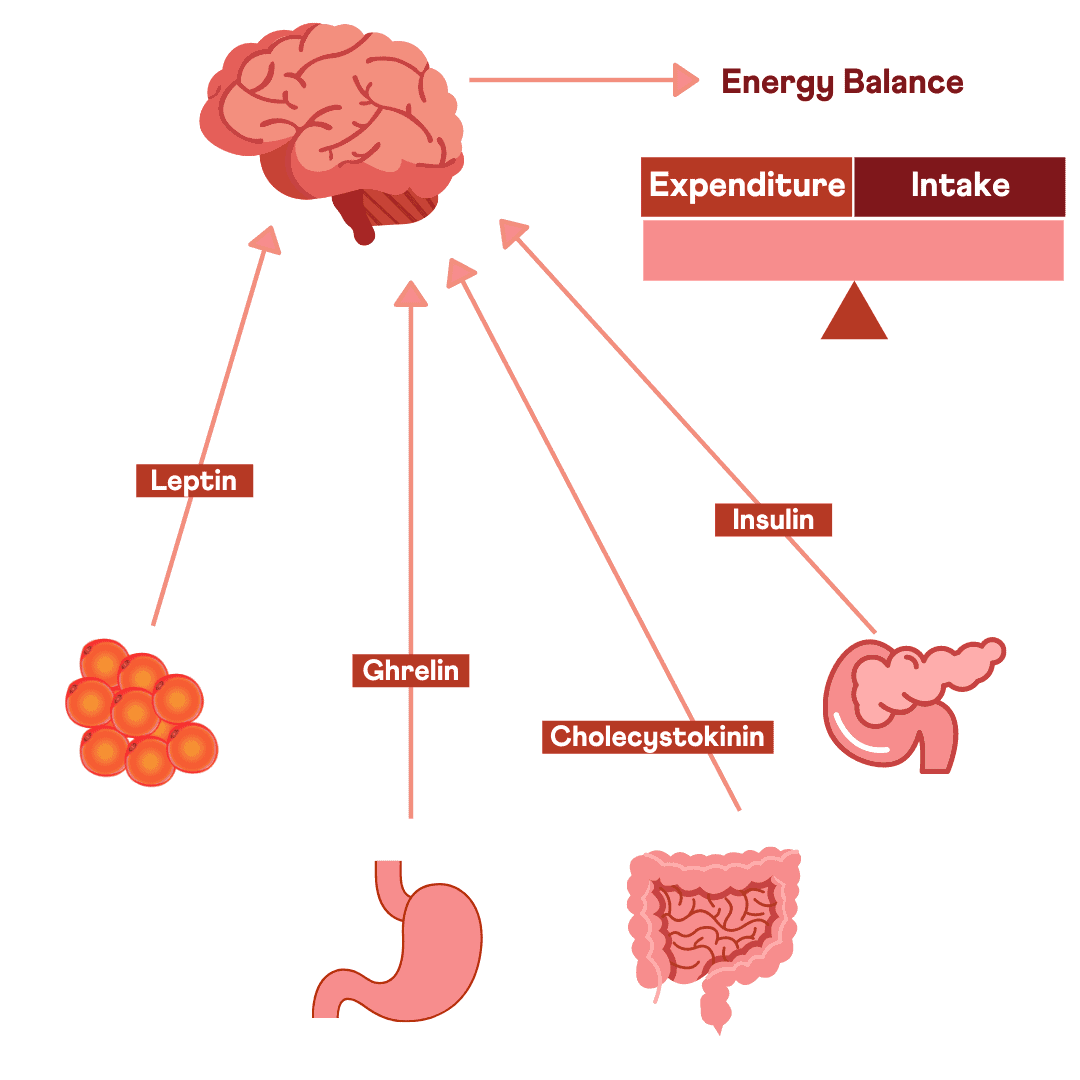
The genes that influence the production of the satiety hormones also play a role in how full you feel. If these genes contain any errors, it can lead to a defect in the hormones produced. This may result in a lower satiety response, which is one of the biggest contributors to overeating. The DRD2 gene is one such example. This gene carries instructions for the production of a subtype of the dopamine receptor. When dopamine binds to the receptor, it reduces the feeling of hunger, thereby making you feel full. Certain changes in this gene affect the way dopamine reacts with the receptor, leading to low satiety response and overeating. Other genes also influence several contributors to overeating, like food cravings and emotional eating. A simple genetic test can analyze your genes that control the various aspects related to overeating.
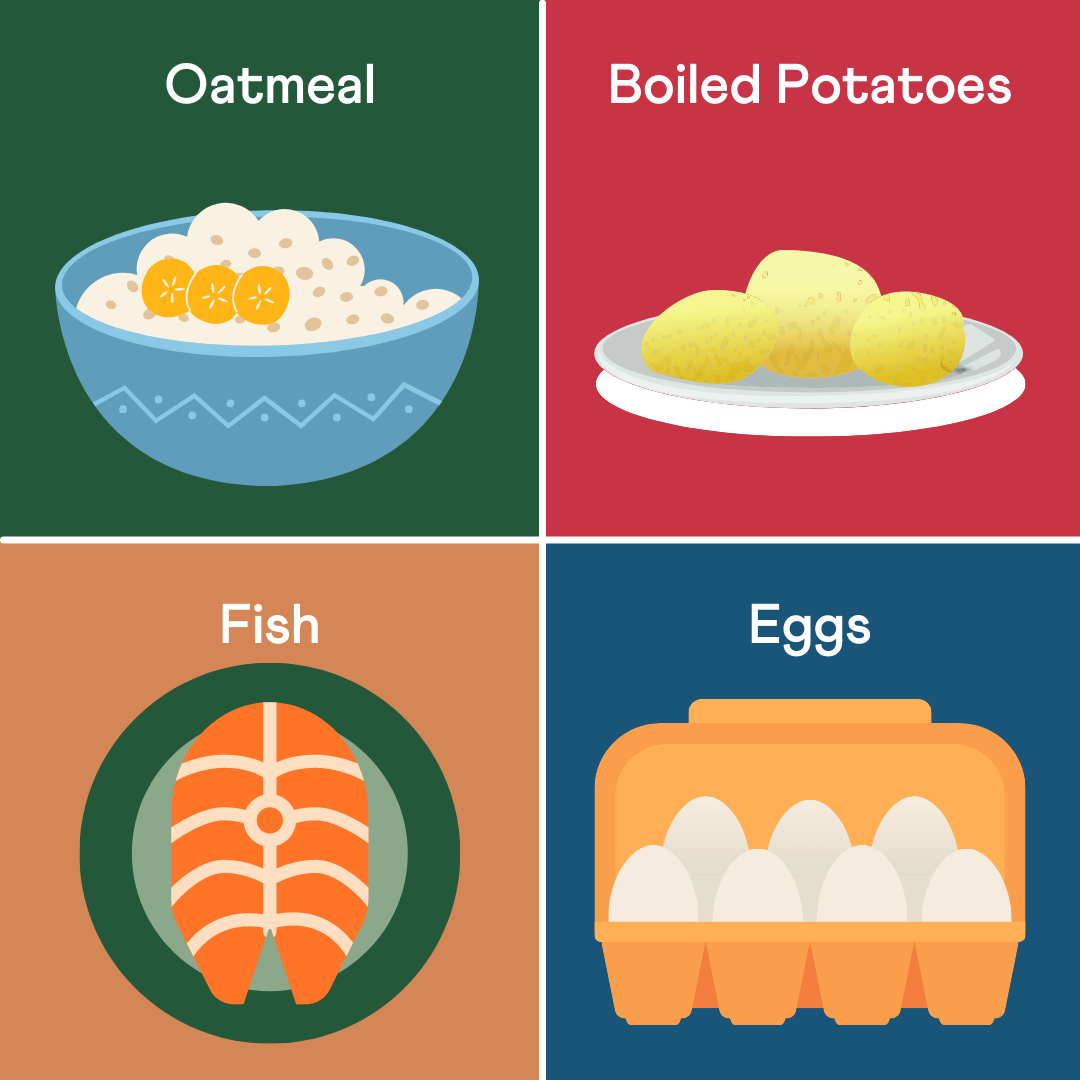
The micronutrient content, flavor, and texture of foods also influence your satiety. Further, some foods satisfy your hunger for longer, whereas others have a short-term effect. A soft drink gives you immediate satisfaction, but you feel hungry soon after. A protein-packed sandwich can keep you full for at least a few hours. This is because of the difference in nutrients in various foods. Food items that contain more protein, water, or fiber are more hunger-satisfying.
Most genetic tests provide your DNA information in the form of a text file known as the raw DNA data. This data may seem like Greek and Latin to you. We, at Xcode Life, can help you interpret this data. All you have to do is upload your raw data and order a nutrition report. Xcode Life then analyzes your raw data in detail to provide you with comprehensive nutrition analysis, including information on satiety and overeating.