Ultraviolet Radiation (UVR) rays are emitted from the sun and certain artificial sources like tanning beds, black lights, and halogen lights. These rays are invisible to the human eye and are measured in nanometers on the electromagnetic spectrum scale.
There are three types of UV radiation rays - UVA, UVB, and UVC.
Apart from the above damages to the skin, excess exposure to UV rays can lead to:
- Cataract
- Retinal tissue damage (damage to the tissues of the retina)
- Altered immune system functions
UV radiations are important for producing vitamin D. Vitamin D helps in absorbing calcium and keeps bones strong. It plays an important role in skeletal development too.
According to the World Health Organization (WHO), you should expose yourself to 5-15 minutes of sunlight at least 2-3 times a day to get your dose of vitamin D.
Factors like your skin color and sunscreen usage can influence these requirements.
The right amount of UV radiation also helps in the formation of blood cells and in keeping your immune system strong.
Controlled exposure to UV rays treats a variety of diseases like rickets, jaundice, psoriasis, and eczema.
The TYR gene produces the tyrosinase enzyme. This enzyme creates and controls melanin pigments. Melanin pigments give color to the skin.
There are two SNPs in the gene that increases a person’s risk for sunburns and sun tanning because of UV exposure.
The G allele of the rs1126809 SNP is considered risky and increases the chances of sunburn and suntan. The A allele of the rs1393350 SNP increases the risk of developing severe suntan on UV exposure.
The ASIP gene produces the Agouti-signaling protein and is responsible for distributing melanin pigments in the body. Mutations result in changes in skin color.
Interferons are proteins released by the body when a foreign body enters the system. The Interferon Regulatory Factor 4 gene produces proteins that regulate interferons.
The rs12203592 SNP of this gene is responsible for determining skin color and skin sensitivity. The minor T allele of this SNP results in lesser ability to tan and increases skin sensitivity to UV exposure.
The place you live in determines how risky UV exposure can be for your skin. People living in areas close to the equator experience strong UV rays, and hence the effect on the skin is worse too.
People living in higher altitudes suffer more from UV exposure as there is lesser atmosphere space to absorb the UV rays, and the rays reach the human skin with more intensity.
In summers, the sun is at a direct angle to the earth, and hence UV rays reach the earth’s surface stronger. This results in more exposure to UV rays. The period between 10 AM and 4 PM is when the sun is at the highest point in the sky. UV radiations cause intense damage to the skin during this time.
Metal, concrete, beach sand, etc., are surfaces that can reflect UV rays. When you are standing on such surfaces, you will directly be affected by the UV rays from the sun and also be exposed to the reflected rays. This can double your risk of developing photoaging and other skin conditions
Air pollutants seem to help reduce the risk of skin damage by absorbing and scattering UV radiations before they reach the skin’s surface. A study conducted in Beijing shows that on days with high air pollution levels, the amount of UV radiation that reached ground level reduced by up to 50%. (https://pubmed.ncbi.nlm.nih.gov/18637361/)
Certain kinds of medications can make the skin more sensitive to UV radiation and can increase the chance of skin damage. If you are prescribed one or more of the below medications, then you should be taking extra care to avoid photosensitivity.
- Antibiotics
- Antihistamines
- Antifungal medications
- NSAIDs
- Diuretics
- Retinoids
- Cholesterol controlling drugs
- Blood pressure medications
- Phenothiazines
Pick up broad-spectrum sunscreens with an SPF level of 15 or more. If you have very sensitive skin, SPF 30+ sunscreens work well. It is important that you reapply the sunscreens once every 3-4 hours of staying out in the sun.
Choose long-sleeved shirts and full pants that protect your skin better than shorter outfits. Make sure you pick tightly woven fabrics to improve sun protection.
The shadow rule says that if your shadow is shorter than you, UV radiation is intense. Stay away from direct sunlight during this time.
Including antioxidant-rich foods in your diet has been known to fight UV damage to the skin.
Some of the top antioxidant foods to eat are:
- All kinds of berries
- Watermelon
- Leafy greens
- Carrots
- Cauliflower, broccoli
- Green and back tea
- Ginger and garlic
You can choose accessories like hats, scarves, and sunglasses that make you look good and also help your skin stay protected from UV rays. Choose sunglasses that offer 100% UV absorption.
https://www.who.int/news-room/q-a-detail/radiation-the-known-health-effects-of-ultraviolet-radiation
https://www.cdc.gov/cancer/skin/statistics/behavior.htm
https://www.who.int/uv/health/uv_health2/en/
https://stanfordhealthcare.org/medical-conditions/cancer/skin-cancer/causes-skin-cancer/effects-uv-exposure.html
https://www.cancer.org/cancer/cancer-causes/radiation-exposure/uv-radiation.html
https://www.cancercouncil.com.au/cancer-prevention/sun-protection/understanding-uv-radiation/factors-that-affect-uv-radiation-levels/
https://www.fda.gov/radiation-emitting-products/tanning/ultraviolet-uv-radiation
To read your Promethease review report you will need to ensure that you are accustomed to some of the terms that are found in their report like magnitude and repute. It is difficult to sift through thousands of pages in your report. Once you organize the pages as per your unique needs it becomes a relatively easy task to.
Promethease allows users to analyze their genetic data and compare personal genomics results against the SNPedia database. SNPedia is a wiki-styled genetic data repository.
Though popular, it is often criticized for being too technical and difficult to read. You can take a look at Promethease's sample report here.
Promethease is a do-it-yourself (DIY) tool for health genetic information from 23andMe raw data. It is a third party online tool that provides consumers information about their genetic variants and how they affect your health. After 23andme FDA ban on providing health reports, people started using tools like Promethease to get more information from their DNA raw data, other than just locating distant cousins. Though Promethease is a good tool built on a repository like SNPedia there are a number of factors to consider before you decide to upload your raw data to Promethease. Promethease is popular as a low-cost offering, but it’s also very technical and disease-centric. There are many alternatives to Promethease to analyze your 23andme raw data, that are easy to follow and understand. Below we present a feature by feature comparison between Promethease and Xcode Life Sciences.
Promethease was one of the early companies to offer DNA raw data analysis based on 23andMe, Ancestry DNA raw data.
A DNA raw data is a file that contains information about your genetic variants. These are called single nucleotide polymorphisms or SNPs and account for the differences in different traits like eye and hair color, height, and skin pigmentation across individuals. Your ancestry DNA raw data is a lab-generated text file. It is usually in the following two formats
The whole-genome files have a size of 80-90 GB (30x). All the top consumer genetic testing companies like 23andMe, AncestryDNA, Family Tree DNA enable their customers to [download their raw data](https://www.xcode.life/23andme-raw-data/download-23andme-dna-raw-data-third-3rd-party-tool) directly from the website or request a download.
The raw data from different ancestry DNA testing companies have different numbers of genetic markers depending on the microarray chip used. For example, the 23andMe raw data has around 650,000 SNPs in its v5 chip and AncestryDNA has around 700,000 SNPs.
When the FDA (briefly) banned 23andMe from providing health reports, Promethease was the only alternative and gained popularity because of its free service and low turnaround time.
Promethease is criticized for its user-unfriendly interface based on several user reviews. Some well-known competitors for this tool are Xcode Life, Codegen, Interpretive, Nutrahacker, and GEDMatch.
MyHeritage offered Promethease free of charge through the end of 2019 and continues to maintain SNPedia as a free resource for academic and non-profit users. The raw data of Non-European users has been shifted to MyHeritage into new accounts created for them. However, users retain ownership of their DNA raw data file and are free to delete it from MyHeritage's server.
Promethease takes approximately 20 minutes to generate health report from your raw data.
Promethease offers health reports based on 23andme, Ancestry DNA, Family Tree DNA, and other ancestry raw DNA data providers for a price of $12. Once you upload your DNA raw data, you will get your report in about 20 minutes.
Earlier, the reports were offered free or at a discount. So many users tried them due to the free/low-cost aspect and the high accuracy that the vastness of their content seemed to imply. However, the reports left individuals more confused than clear.
So if you have a Promethease report that you still cannot make heads or tails of, read on.
Promethease is a wiki-style collection of peer-curated genetic information in contrast to expert-curated reports like Xcode Life's reports. You can search genes/variants/diseases as you would on Wikipedia. The results are pages of information. This is great for people who have degrees in genetics and want to learn about all the diseases they can get.
However, if you want organized information that you can use in specific aspects of your daily life, such as Nutrition, Fitness, or Ancestry, to enhance your health and wellbeing, then you may not find the Promethease reports all that helpful. Promethease's emphasis seems to be largely on the different diseases that one can get.
Once you transfer your DNA raw data to Promethease, you will get a lengthy report. Though it may look like a massive report on the face of it, the amount of potentially useful information in the Promethease report is quite limited. Understanding and interpreting this report is a challenge.
Let's break it down:
The total number of entries in a typical Promethease report = Approximately 25,000
The "Summary" component of the Promethease report is where the information pertaining to your genotype is given. This column, for the vast majority of the entries, has information that will not be useful to most people. It contains many terms that carry no useful information for the regular user.
The number of entries remaining after removing empty entries (no annotation) and terms such as "common in ClinVar," "common on affy axiom," "none," and "complete genomics,"," is 1482.
On further removal of more such terms (normal, common, etc.), you will be left with ~800 entries.
> So, only about 800 entries out of 25,000 (~ 3%) are potentially informative entries in the Promethease report.
A lot of people think that getting the additional health report from 23andme will help them get better results. That is not true! Whether you order the Health report or the Ancestry report from 23andme, the raw data you receive is the same!
This third party DNA raw data analysis tool, is a literature retrieval system from SNPedia which is a Wikipedia style repository where people can add information. It is not a systematic risk assessment tool. For example, for Alzheimer’s disease (AD), you will not get a summary of your risk for developing AD. Instead, you will get a list of scientific literature that is available that indicates or does not indicate your risk for AD for a specific variant. For a particular disease or trait, if there are 15 articles that report on that particular DNA location, based on your SNPs 2 information sources might indicate an increased risk, 5 might be neutral, and 3 towards the lower side. Promethease does not summarise these for you. Rather it returns all these 10 articles and makes you do the interpreting yourself. This is the major reason why many individuals are alarmed and confused by their Promethease report.
The vast majority of human traits are polygenic, meaning, several genes contribute towards that trait. Even if one carries a disease variant, they may also be carrying variants that reduce the risk of disease. Even in the case of Monogenic conditions- where one single gene leads to disease, scientist have found individuals carrying these deadly mutations but apparently healthy with no sign of disease. In a majority of the cases, the genetic risk is a small contributor towards the overall risk of that disease/condition. So, one must consider all of these things in interpreting their report.
Promethease only relies on SNPedia. Several other notable and high scientific authority tools are left out from the Promethease reports.
It is impractical to sift through the dump of information that you get (anticipate about 48,000 rows of data). The tool is equipped with different kinds of filters aimed at assisting you. Some of them are gene names, haplogroup names, diseases, drug names (referred to as “medicines”), medical conditions, names of genes and race.
Magnitude is a subjective parameter that measures the interest level of the information. Here is the table partially resourced from the SNPedia website that describes what each numerical value indicates.
| Magnitude | Description |
|---|---|
| 0 | Common genotype; nothing interesting known. |
| 0.1 | You have the common genotype; but varies for others |
| 1 | Not very interesting |
| (blank) | Not yet assigned a magnitude |
| 2 | Worth one read |
Good repute: The variation has a positive influence on you.
Not set: There is no verified information on the nature of the variation.
Bad repute: The variation has a negative influence on you.
According to the SNPedia website, it is better to leave the repute as “Not Set” as all genotypes have a little of both the “good” and “bad” repute.
This option allows you to see only the SNPs present in ClinVar. ClinVar is a freely accessible public archive of information on genetic variations specifically with clinical implications. It is maintained by the National Institute of Health (NIH). When you filter using this option you will find all the medical conditions that have been formally labeled by ClinVar.
How is Xcode Life Report different from the Promethease report?
Xcode Life puts together expert-curated references of variant annotations from several large databases and leading scientific journals.
The information is then organized systematically into topical reports such as Nutrition, Health, Fitness, Skin, Allergy, Ancestry, etc.
Each report is further organized into traits, which provide actionable insights into your genetic type along with specific recommendations. Xcode reports are easily readable, understandable, and implementable.
The core philosophy of Xcode reports, in contrast to Promethease's voluminous coverage of diseases, is to empower the user with actionable genetic information that they can use to enhance health and wellbeing. Each report is reasonably priced at around $20; additionally, there are package discounts if the user buys multiple reports together.
If you are not looking for anything specific and just want to satisfy your curiosity, then Promethease may be the way to go. Even then, it is very likely that you will be left scratching your head with a vast load of information that you can't make sense of. But, if you want specific, organized, and actionable insights from your genetic data about your health and wellbeing, then you certainly must try the Xcode Health reports.
| ATTRIBUTE | XCODE LIFE | PROMETHEASE |
|---|---|---|
| World Ranking on DNAtestingchoice.com | USA- #1 U.K- #1 129 reviews | U.K- #32 5 reviews |
| Description | Xcode Life is a global genetic testing company, specializing in a variety of genetic reports such as Nutrition, Health, Fitness, Skin, Allergy, among several others using raw data from any Ancestry company. | Promethease is a computer programme that was developed by SNPedia. It uses your genetic raw data to give you largely disease based reports.You will get to know which mutation confers what risk |
| Genetic raw data accepted from | ➤23andMe ➤ Ancestry.com ➤ Family tree DNA ➤ Genos ➤ DNA land ➤Genes for Good ➤My Heritage ➤WeGene ➤Helix.com ➤Living DNA ➤Ancestry.com ➤Living DNA ➤National Geographic and all other major international data providers. | ➤23andMe ➤Ancestry.com ➤Family tree DNA ➤Genos ➤DNA land ➤Genes for Good ➤My Heritage ➤WeGene |
| Ease of usage of report | The reports are on specific topics such as Nutrition, Allergy, skin, Fitness, health, precision medicine (drug sensitivity) and other topics. You don’t need the expertise to interpret the results as they are expert-curated. | Promethease results are do-it-yourself. This means that unless you are highly knowledgeable about the intricacies of SNPs and statistics, the process of interpreting their report can be cumbersome. |
| Recommendations | The report includes specific recommendations developed by a panel of experts. | Disease risk is communicated but no recommendations provided. |
| Focus areas | ➤Nutrition ➤Fitness ➤Health, ➤Precision Medicine ➤Carrier Status ➤Skincare ➤Ancestry ➤Weight Loss ➤Methylation and detox analysis ➤Allergies ➤ Breast cancer and BRCA | Promethease primarily focuses on Precision medicine and disease prediction. |
| Data safety | Client can delete their own information any time without having to secure permission from the company. | Deletes all data in 45 days |
| Organization of the report | The report is topical. The results are presented in a modular way. Example health, nutrition, fitness, Allergy etc. | The report is not segregated based on topics. You get to know which variants you carry and the odds ratio of developing the specific disease. |
There you have it! With information, free is not always good and useful. A lot of users come to Xcode after having tried Promethease for $5. If you just want to satisfy your curiosity and not really looking for anything specific, then Promethease may be the way to go. But, if you want specific, organized, and actionable insights from your genetic data about your health and wellbeing, then you certainly must try the Xcode Health reports!

Updated on January 15th, 2022
Xcode Life’s Gene Fitness report analyzes genes associated with your physical fitness, sports performance, and athletic ability. The report can help modify your fitness training according to your genetic type for better results.
Genetics is becoming more popular in the field of sports and fitness. Professional sports teams around the world are beginning to incorporate genetics in their fitness regime. Research shows that your efficiency in performing certain physical activities is linked to your genes.
The Gene Fitness Report profiles genes that have been shown to influence endurance, performance, aerobic capacity, power, strength, and other attributes related to fitness.
The Key Takeaways section of the report highlights how you are likely to respond to power and endurance exercises. Based on your genetic type, you will also find a personalized exercise plan, including the frequency, duration, intensity, and type of exercise that would best suit you.
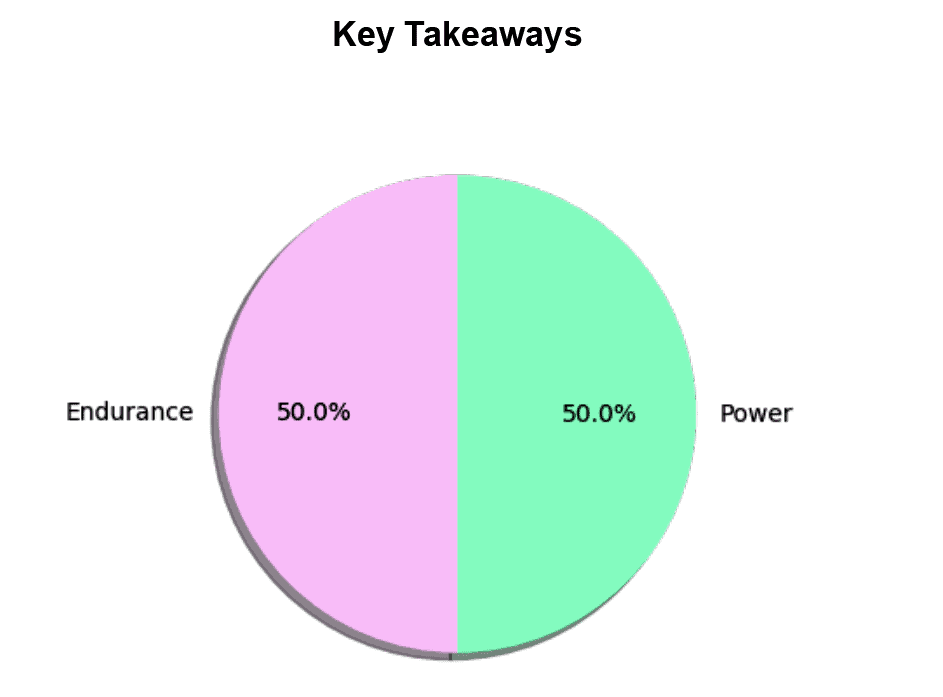
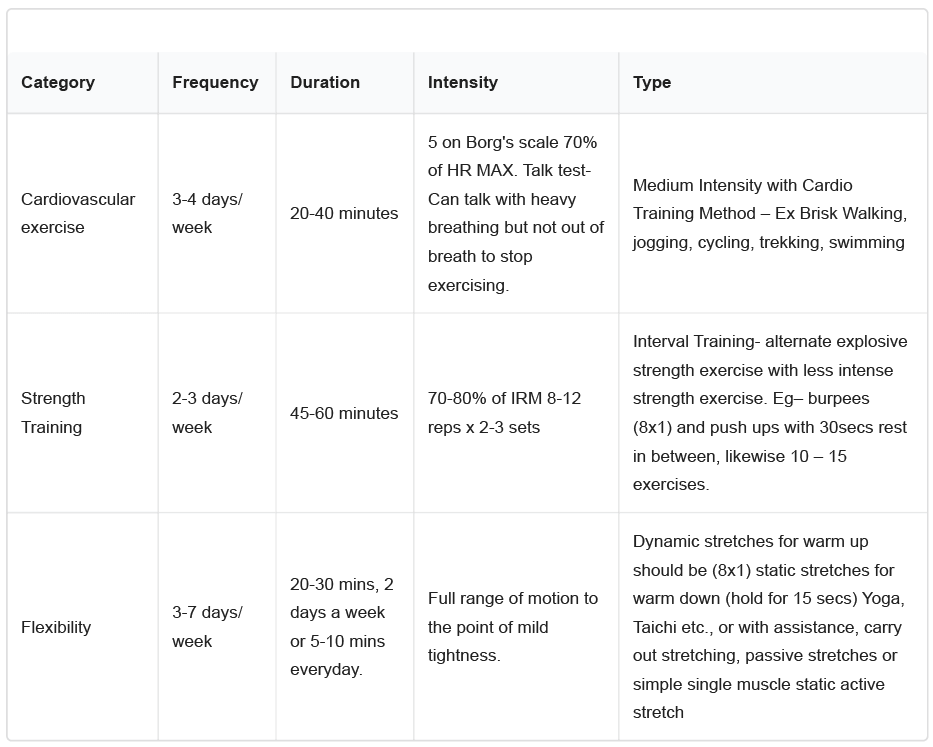
The Summary Table in the report indicates your outcome for each trait.
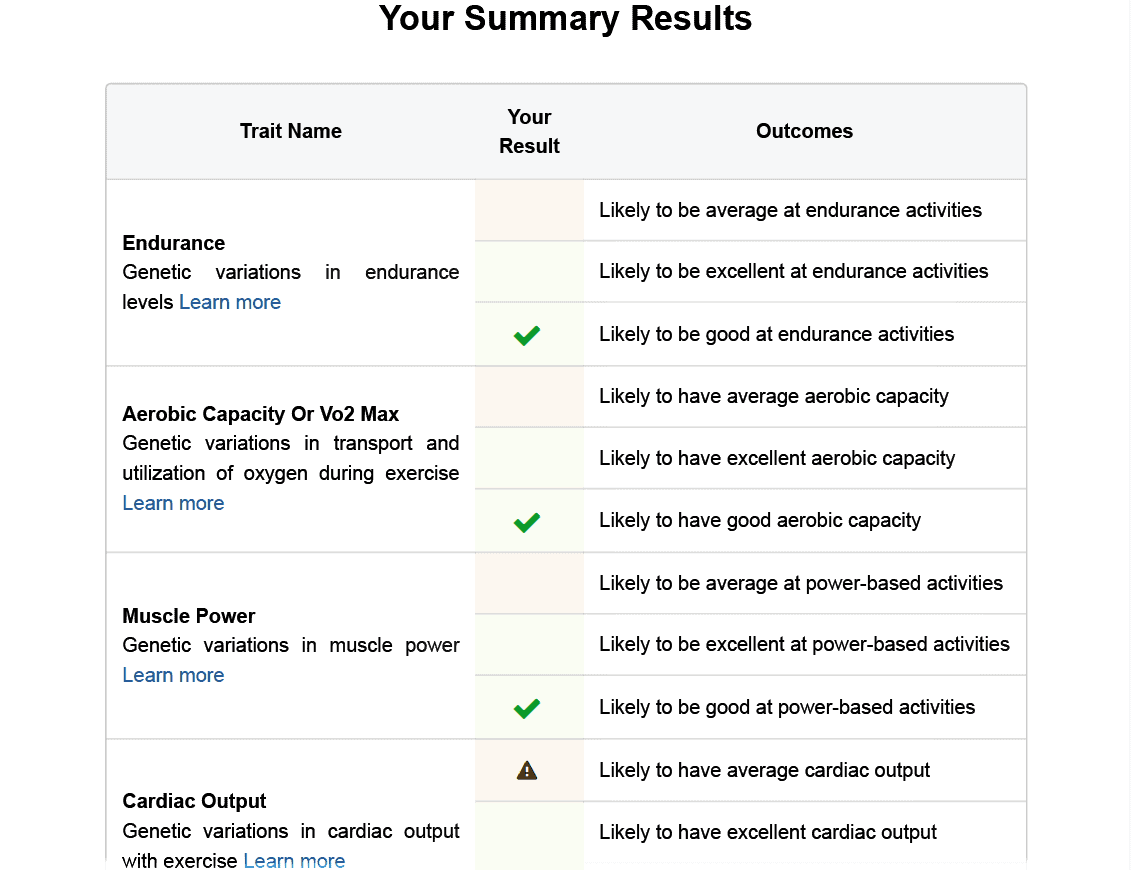
Along with your outcome, the details of the genes analyzed for each trait are also provided. The report comes with personalized recommendations based on your results. These recommendations are to be followed only after consulting a trained fitness professional. You can click on “Learn More” for more information on each trait.
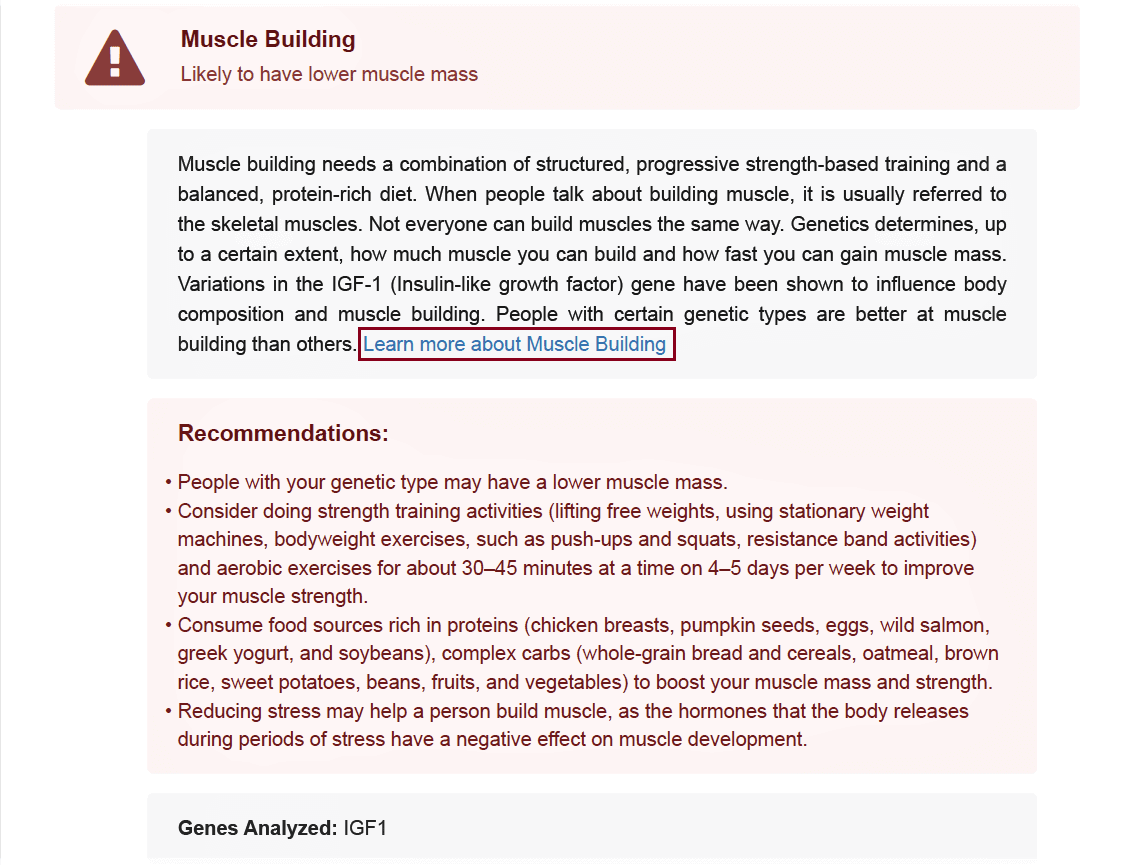
The report analyzes genes associated with 16 fitness traits which include, power, flexibility, exercise motivation, the likelihood of injury, and weight loss or weight gain with exercise. For a comprehensive list of the traits covered, click here.
The Gene Nutrition Report profiles genes that have been shown to influence nutritional traits, like diet and weight management, micronutrient requirements, food intolerances, and several other attributes relevant to nutritional well-being.
The relationship between your genes and your diet is a two-way street. What you eat affects your gene expression, and the gene variants you carry affect how you process the nutrients in your diet. Our genes play a role in how the nutrients in the food are broken down, absorbed, metabolized, and excreted. Analyzing these genes could answer questions like why some people eat a lot and not put on weight, why certain people can’t consume dairy without experiencing gastrointestinal troubles, and why some people experience caffeine jitters after just one cup of coffee.
The report analyzes various nutritional aspects like your preferences for fatty, sweet, and bitter foods, weight loss and weight gain tendencies on the consumption of various macronutrients, genetic risk for vitamin deficiencies, micronutrient requirements, optimal caffeine intake, and food sensitivities.
The Key Takeaways section of the report highlights the important outcomes of your report, along with the recommended macro breakup according to your genetic makeup.
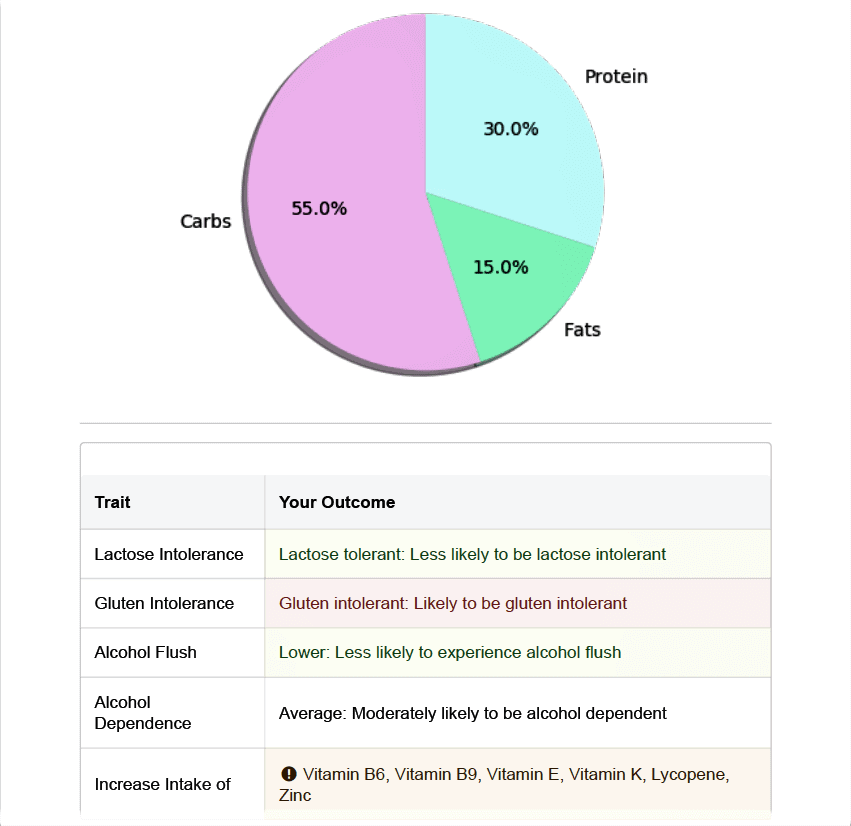
The Summary Table in the report indicates your outcome for each trait.
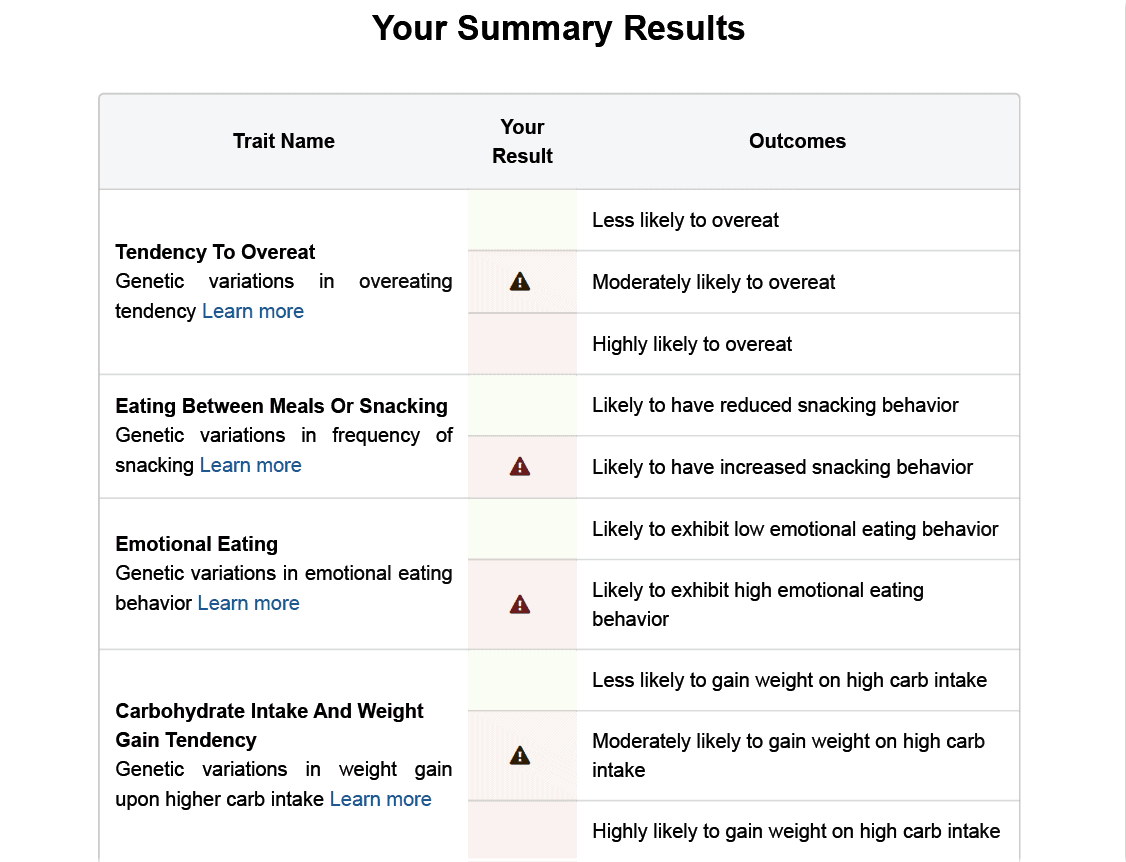
Along with your outcome, the details of the genes analyzed for each trait are also provided. The report comes with personalized recommendations based on your results. These recommendations are to be followed only after consulting with your medical practitioner. You can click on “Learn More” for more information on each trait.
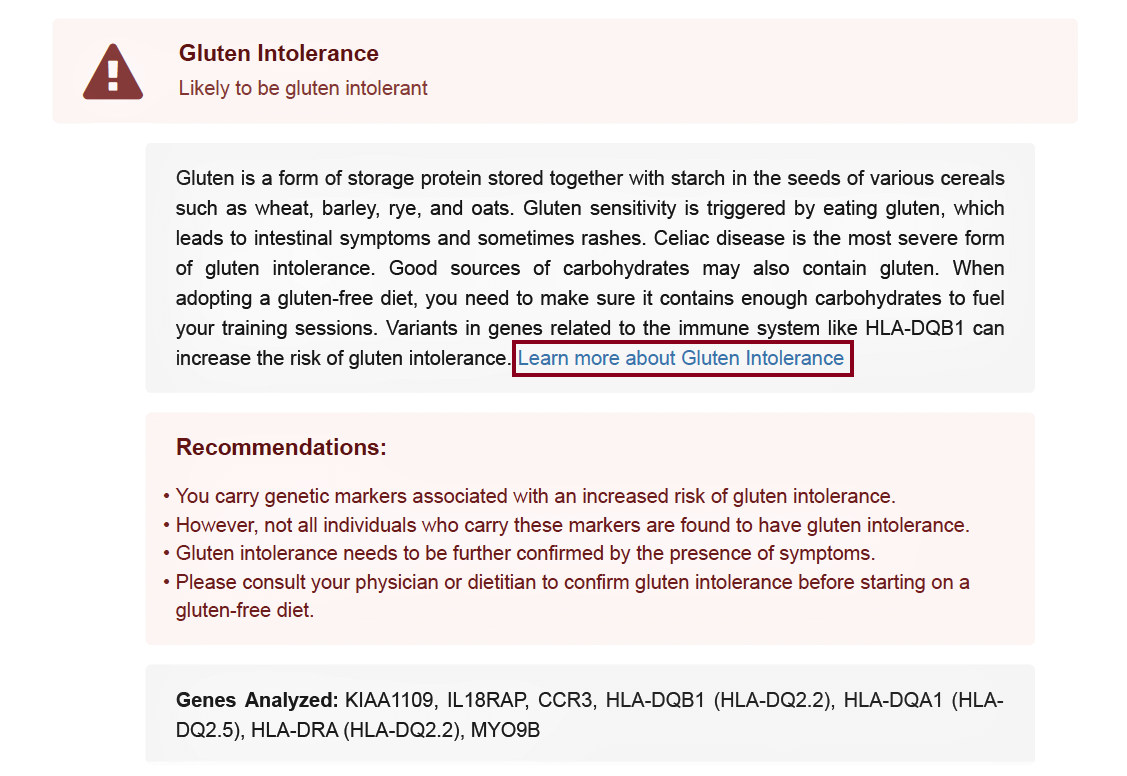
The report analyzes your response to macronutrients, micronutrient requirements, food sensitivities, and vitamin and mineral deficiencies risk. For a comprehensive list of the traits covered, click here.
Psoriasis is a chronic skin disease that causes the skin cells to multiply faster than normal. This leads to an overgrowth of skin cells that leads to scaling on the skin’s surface. The red, itchy, scaly patches are usually found on the elbows, scalp, knees, and lower back. It is considered to be an autoimmune disease.
There are different types of psoriasis - plaque psoriasis, nail psoriasis, guttate psoriasis, inverse psoriasis, pustular psoriasis, erythrodermic psoriasis, and psoriatic arthritis.
The symptoms of psoriasis include
- inflamed, red, raised patches of skin covered with whitish-silver scales
- plaque may also be present on the patches
- cracked and dry skin that is itchy and may bleed
- pitted and thick nails
- swollen and stiff joints
The symptoms are known to occur in cycles. They flare up for a few weeks and then subside. When they subside, you will be in remission and symptom-free till the symptoms appear again. Psoriasis can range from a few spots on your body to patches all over the body in severe cases.
Psoriasis is not a contagious disease. It does not spread between people but can spread to other parts of your body. People who have cardiovascular and metabolic syndrome, some trauma to the skin, or a family history of the condition are more prone to developing psoriasis.
Psoriasis results from a problem in the immune system where the body attacks itself. A type of white blood cells called T cells is usually produced in the immune system to fight off an infection. In the case of psoriasis, the T cells attack the skin cells by mistake. This causes excess production of skin cells and the formation of patches on the skin.
People with psoriasis are more prone to cardiovascular diseases, mental health conditions, obesity, type 2 diabetes, certain eye conditions, and psoriatic arthritis.
A person who has a family history of psoriasis is more likely to develop the disease. The percentage of people who have the disease and are predisposed to it genetically is small, only about 2 to 3 percent, according to the National Psoriasis Foundation (NPF).
The PTEN gene contains instructions for producing a protein called phosphate tensin homolog. This is found in all the tissues of the body and acts as a tumor suppressor. The function of a tumor suppressor is to prevent cells from multiplying and growing in an uncontrolled manner.
The PTEN enzyme is part of the cell death pathway called apoptosis in the body. It signals the cells to stop dividing and self-destruct. PTEN is involved in cell signaling that regulates the growth and multiplication of cells like keratinocytes. Keratinocytes are found on the outermost layer of the skin. PTEN is found to interfere with this pathway and stop the multiplication of cells. In psoriasis, the PTEN gene is found to be altered and loses its function.
rs76959677 and Psoriasis
rs76959677 is an SNP found in the PTEN gene. The G allele is found to increase the risk of developing psoriasis.
The IL13 gene contains instructions for producing a protein called interleukin 13. Interleukins are a type of cytokine that is produced by certain immune cells in the body. They are responsible for mediating and regulating immunity and inflammation.
Interleukin 13 is produced by a group of cells called Th2. This suppresses the activity of another group of cells. This pathway is implicated in psoriasis - the production by Th-2 cells is decreased. This leads to an excess of another type of cell called Th17 that produces certain molecules found in psoriatic conditions.
rs1295685 and Psoriasis
rs1295685 is an SNP found in the IL13/Il14 loci. The G allele is found to increase the risk of developing psoriasis.
The FASLG gene contains instructions for producing a protein called the Fas ligand. The Fas ligand is a protein that binds to another protein called Fas and induces the process of apoptosis (cell death). This process is mainly involved in immune system regulation.
Fas ligand is also involved in a pathway that induces the production of molecules that cause inflammation. These molecules are TNF-alpha and IL15. There is evidence that this pathway induces psoriasis.
rs12118303 and Psoriasis
rs12118303 is an SNP found in the FASLG gene. The C allele is found to increase the risk of developing psoriasis.
FUBP1, IKBKE, UBAC2, IL31, FUT2, and BRAP are a few of the other genes involved in psoriasis.
Apart from genes that can predispose you to this disease, a few non-genetic factors increase your risk of psoriasis. These factors also act as triggers for the onset of psoriasis symptoms. A combination of genetic and environmental factors is needed in most cases to trigger psoriasis.
- Cold temperatures
- Smoking and alcohol consumption
- Skin injury
- Stress and tension
- Infections that weaken your immune system (e.g., strep infection)
- Autoimmune disorders like arthritis or HIV
- Certain medications used for treating high blood pressure and malaria
Psoriasis cannot be cured entirely but can be treated to a certain extent. The symptoms can be managed and reduced.
Topical Treatment
- Topical treatment is directly applied to the skin and is helpful in treating mild to moderate psoriasis.
- Topical medications include corticosteroids, retinoids, salicylic acid, anthralin, and synthetic vitamin D.
- Pimecrolimus cream and tacrolimus ointment are also used.
Systemic medication
- People who do not respond well to topical treatment need to take oral or injected medication to help with moderate to severe psoriasis.
- These medicines are taken under the advice of a doctor as they have severe side effects.
- These include methotrexate, cyclosporine, retinoids, and biologics.
Light therapy
- This is done to treat moderate to severe cases of psoriasis.
- Ultraviolet or natural sunlight exposure decreases the rapid outgrowth of cells by slowing cell growth.
Over the counter (OTC) remedies
- These can help relieve very mild psoriasis.
- Coal tar, hydrocortisone creams, salicylic acid, and anti-itch medications can be used to relieve symptoms.
Home remedies
- Doing yoga, exercise, or meditating helps reduce stress, which is a major trigger for psoriasis.
- Adopt cold showers as showering with hot water can cause dry, itchy skin.
Diet
- A heart-healthy diet should be followed. The intake of saturated fats found in meat and dairy products should be reduced and substituted with omega-3 fatty acids. Omega-3 fatty acids are found in salmon, sardines, shrimp, walnuts, flax seeds, and soybean.
- A vitamin-rich diet that includes citrus fruits, green leafy vegetables, and berries is also recommended.
- Identify foods that trigger your symptoms and avoid them.
https://www.mayoclinic.org/diseases-conditions/psoriasis/symptoms-causes/syc-20355840
https://www.healthline.com/health/psoriasis
https://www.ncbi.nlm.nih.gov/pmc/articles/PMC5458077/
https://www.healthline.com/health/psoriasis/causes#prevention
https://link.springer.com/article/10.1007/s00403-018-1879-8
https://medlineplus.gov/genetics/gene/pten/#synonyms
https://www.sciencedirect.com/science/article/pii/S0002944010620809
GEDmatch is primarily a free website and a powerful genealogy tool that lets users upload their DNA raw data files to find related individuals. It offers a bunch of free tools as well as some paid tools. Read on to know how to get started with GEDmatch for in-depth research about your family history!
GEDmatch is a free genealogy website where users can upload their DNA raw data files to track down family members and learn more about their family history.
More reading: What is a DNA raw data file?
Cofounded by Curtis Rogers and John Olson in 2010, it is now owned by Verogen and is based in San Diego, CA. With a global genealogical database and 45+ genetic tools, GEDmatch focuses on genealogy research to provide accessible and effective data to its consumers.
GEDmatch allows you to compare your DNA raw data using a variety of easy-to-use applications, most of which are free. The services include 45+ genetic tools which help understand and explore your DNA and ancestry.
The following are the free tools offered by GEDMatch:
The One-to-Many DNA Comparison tool can be a great place to start. This tool provides a list of people that you share chromosome segments with, along with their email IDs for quick contact. You can also sort and filter your matches.
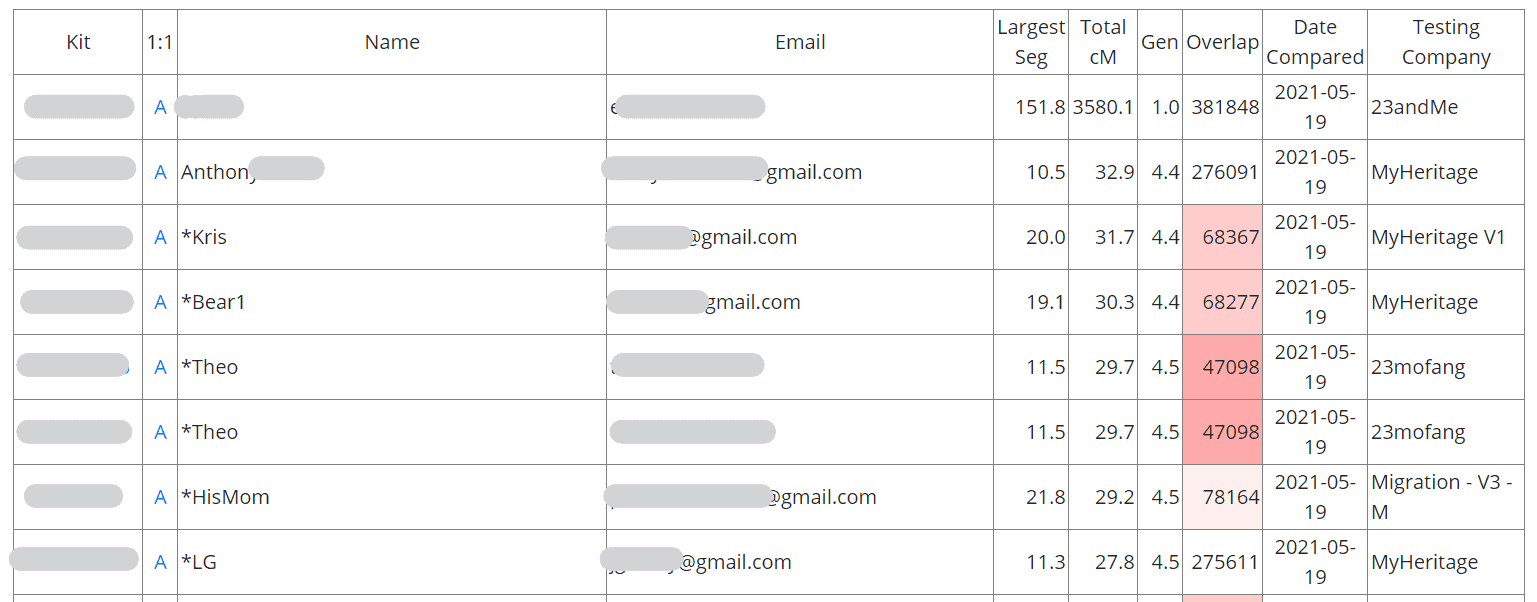
"Total cM" (centimorgans) refers to the total length of all substantial DNA segments you share with a DNA match. The larger the number of centimorgans you share with another user, the more closely you are related.
"Overlap" is the total number of SNPs or single nucleotide polymorphisms that you share with your match.
A one-to-one autosomal DNA comparison enables you to make detailed comparisons of two DNA profiles. The results include a list of shared chromosomes and their locations on the genome. You can view your results in tabular or graphical format, or both.
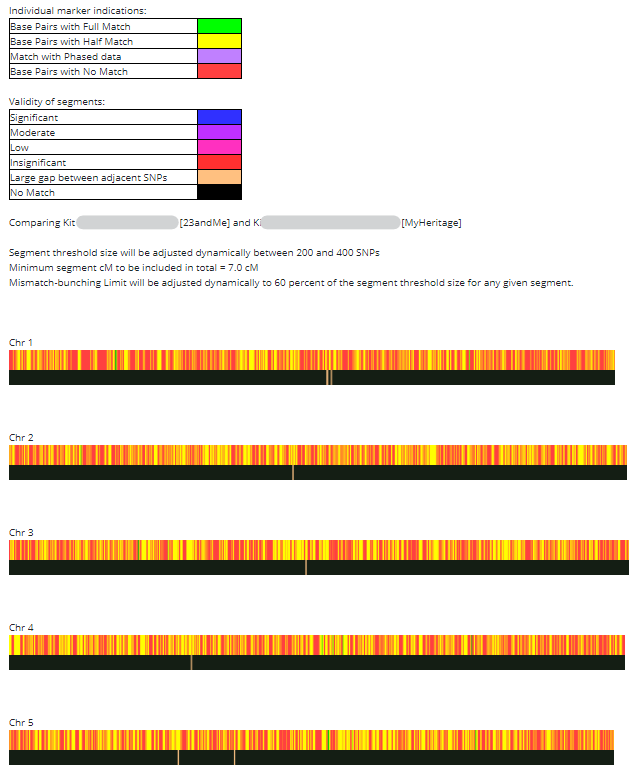
This tool allows you to see the percentage of each ethnicity in your DNA, displayed as a simple pie chart. There are also different calculators which provide specialized results for specific ethnicities.
There are 7 projects to choose from in the Admixture (Heritage) tool.
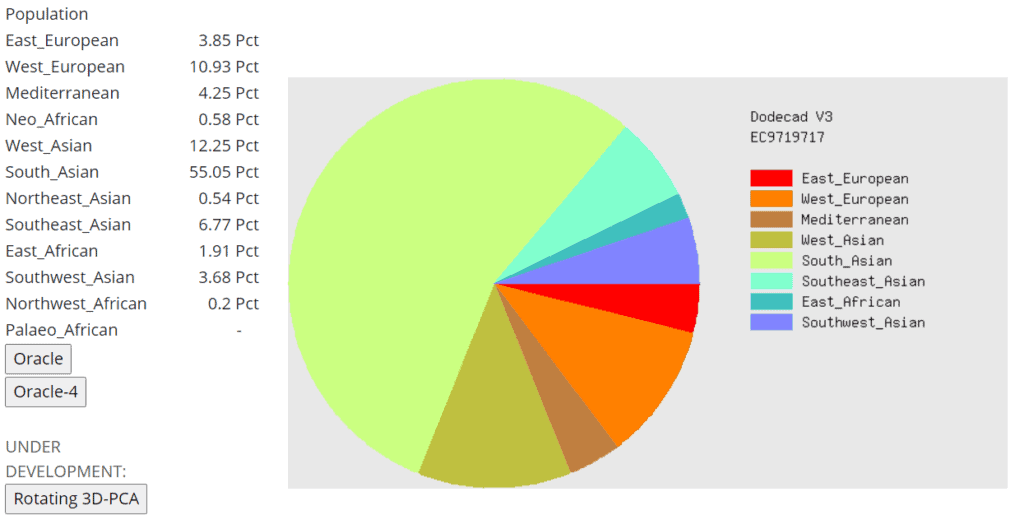
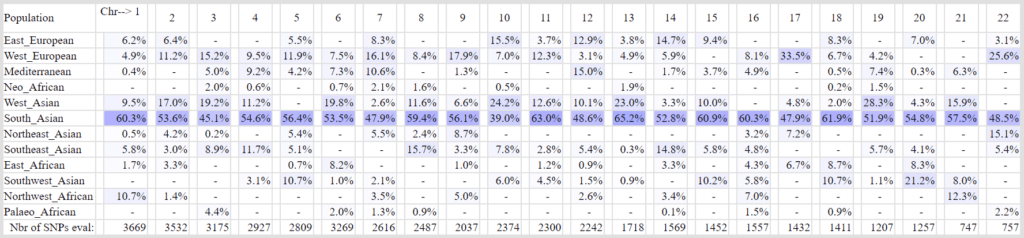
With this tool, you can examine segment matches between several individuals at the same time (up to 10). You can quickly identify shared common segments, which may indicate a single common ancestor for multiple people. The graphics used to display the results may not work in certain browsers.
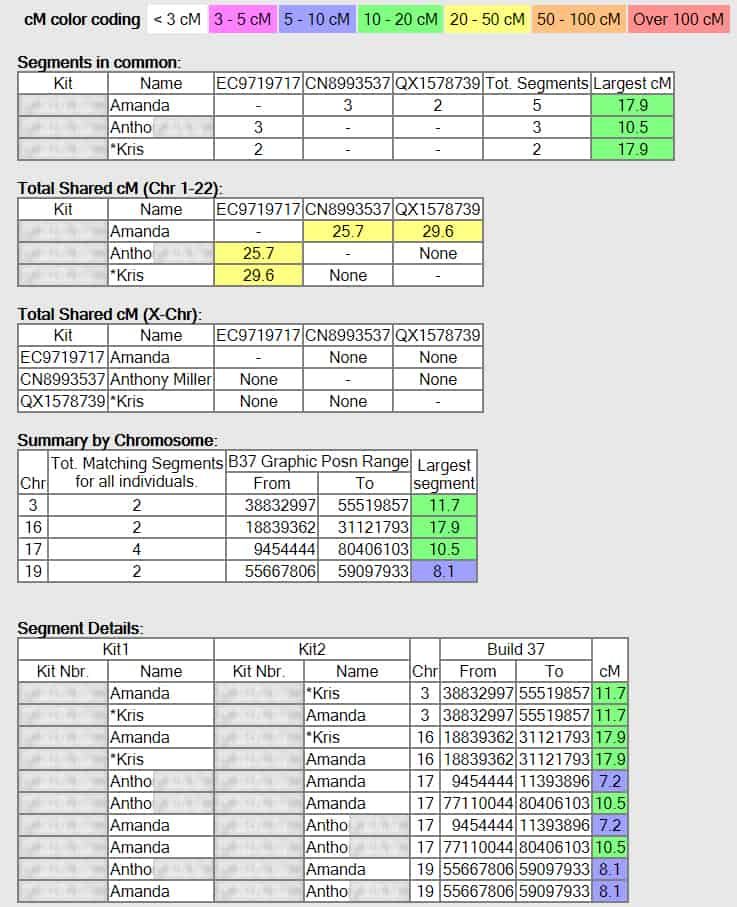
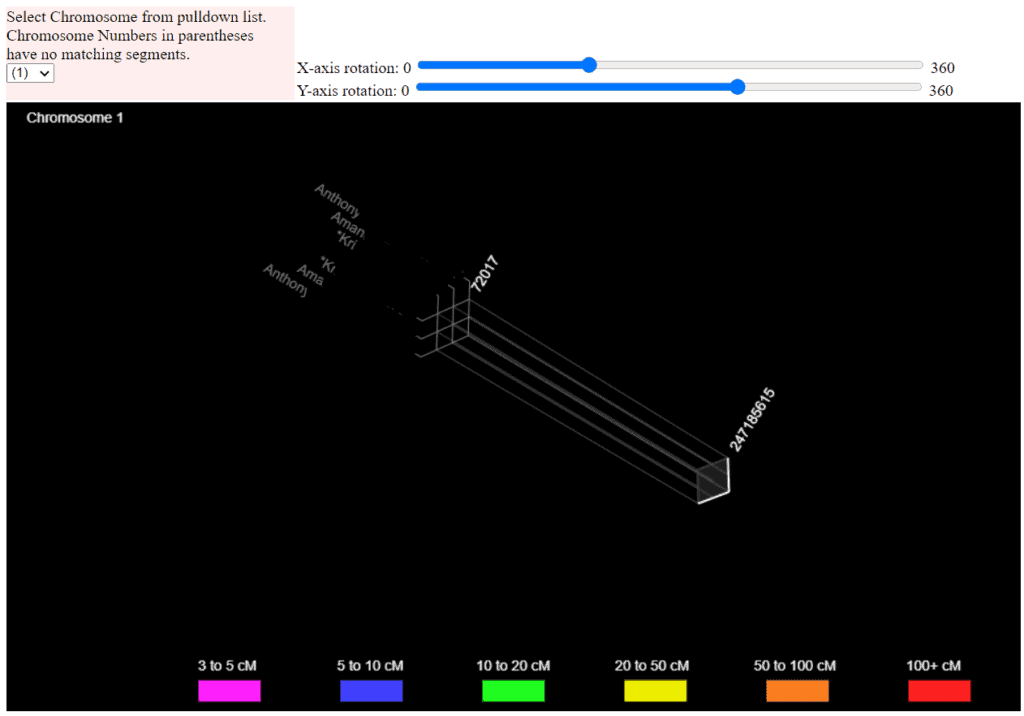
Segment Search: With this tool, you can search your top matches for overlapping segments. This can help you identify matches that share the most recent common ancestors.
Q-Matching Enhanced One-to-One: This tool is similar to the one-to-one comparison tool and compares your DNA with the DNA of a match. Additionally, it examines the quality of the shared segments.
Phasing Tool: It attempts to separate your paternal and maternal autosomal DNA.
Cluster Tool: This is a sorting feature that groups your matches into clusters based on the degree of similarity, indicating descent from a recent common ancestor."
These Tier 1 tools enable complex genealogy research and help investigate your DNA at a much more advanced level.
The page also displays the following information for signed-in users:
GEDmatch is predominantly free, with an option to pay for access to more advanced tools.
Three basic genealogy analysis tools (one-to-one, one-to-many, and admixture), along with 45+ other genealogic analysis tools, are available for free on your account.
Apart from these, you can gain access to more complex tools from the Tier 1 subscription priced at $10/month. The Tier 1 plan offers a choice between auto-renewal and an on-demand payment option.
GEDmatch collects your name, an optional alias, and email address for your registration. Once registered, other personal information such as your sex, genetic information, genealogy data, and payment information can be provided with consent.
GEDmatch automatically collects certain information regarding visitors to their site, solely for internal purposes, such as site improvement. This includes your IP address, browsing actions, information about your equipment, and usage patterns.
The site may use third-party tools to help understand statistical data about its visitors. GEDmatch does not reveal any personal information to these tools.
When you upload your DNA to GEDmatch, you can opt for one of the four privacy options:
Private: DNA data is not available to other people.
Public + opt-in: DNA data is available for one-to-many searches, including law enforcement searches.
Public + opt-out: DNA data is available for comparison to any raw data in the GEDmatch database, except law enforcement searches.
Research: DNA data is available for one-to-one comparison with public or research DNA. It does not allow one-to-many searches.
GEDmatch confirmed a breach in data privacy in July 2020, after genetic information was made available to the police. For further information, you can read GEDmatch's Privacy Policy.
GEDmatch is a standard tool that is recommended among various genealogy groups on Facebook. It has also proved to be useful for law enforcement investigations to solve crimes. GEDmatch helped with the arrest of the Golden State Killer, responsible for more than 50 rapes and at least 13 murders in California in the 1970s and 1980s. Ever since this case was solved, GEDmatch has transformed into a popular crime-solving tool.
The FBI and the police in California worked with a professional genealogist, Barbara Rae, to match DNA samples from the crime scene to GEDmatch profiles of the killer's third and fourth cousins.
Since then, GEDmatch has helped solve around 70 violent crimes. However, the site's new prominence as a crime-solving tool has divided genealogists concerned about this practice invading user privacy and those keen to work with law enforcement.