23andme Hemochromatosis status can be used to identify a hereditary condition in which the body absorbs the excess of iron from the food consumed. Iron is important for various functions like oxygen transport and for oxidative phosphorylation. While iron deficiency can lead to anemia, excessive iron can lead to iron-overload. The iron levels in the body can be determined by evaluating serum iron levels, serum transferrin and saturation of transferrin with iron. It has been estimated that 25 to 50% variation in these blood iron markers is due to genetic variants carried by an individual.

Normally about 8 to 10% of iron from food is absorbed in the body, however, in people with hemochromatosis, there is 4 times increase in absorption. This condition of iron overload is also known as genetic hemochromatosis and leads to the slow accumulation of iron which can eventually lead to organ damage. DNA raw data can be used to check for variants in the hemochromatosis gene, C282Y and H36D.
Evolutionary origin of hemochromatosis gene mutation:
Genetic variants to specific traits are inherited due to an environmental pressure that either triggered the mutation or which encouraged people with the variants to survive. Evolutionary biologists believe that this condition arose as a result of low iron reserves from food in the Celtic region, about 6000 years ago, which necessitated storage of available iron from food. Though this variant was beneficial during the period of poor iron reserves and when the risk of maternal iron deficiency was high, this condition can lead to serious health effects now, if left undetected.
What are hereditary hemochromatosis symptoms?
Hereditary hemochromatosis is present from birth, as it is caused due to the presence of a genetic variant. However, most people with this condition exhibit symptoms only during middle age. Men are more likely to show symptoms at an earlier age, in their 30s. Women begin to show symptoms only postmenopause, when they no longer lose iron during their monthly menstruation or during pregnancy.
The symptoms are usually mild or remain undetected as most of the symptoms are similar to common conditions. Hereditary hemochromatosis symptoms include
How do hemochromatosis gene variants lead to iron overload?
The liver secretes a hormone called hepcidin which is responsible for maintaining iron levels in the body, how much is absorbed and where it is stored. Certain genetic variants in the hemochromatosis gene disrupt the functioning of hepcidin and result in excessive absorption of iron from the food consumed. This excess iron is then stored in the liver and other major organs. Over a prolonged period of time, the excess of iron in such organs can lead to organ failure, diabetes or heart failure.
How do you find out your 23andme hemochromatosis status?
Upload your DNA raw data from 23andme to find out your hemochromatosis status. There are essentially two significant genetic variants in the HFE gene associated with hemochromatosis.
Significant of the two is C282Y, people who carry two AA are associated with a higher risk for hemochromatosis. According to a study published in the American Journal of Human Genetics, the C282Y variant contributes to 26% variation in ferritin levels among monozygotic twins and 20% phenotypic variation.
Using DNA raw data to find your hemochromatosis status
Upload your 23andme or your Ancestry DNA raw data to find which variants of rs1800562 you carry
| Genotype | Phenotype |
|---|---|
| AA | [Limitation] Likely higher risk for hemochromatosis |
| AG | [Limitation] Likely moderate risk for hemochromatosis |
| GG | [Advantage] Likely normal |
Upload your 23andme or your Ancestry DNA raw data to find which variants of rs1799945 you carry
| Genotype | Phenotype |
|---|---|
| GG | [Limitation] Likely higher risk for mild hemochromatosis |
| CG | [Limitation] Likely moderate risk for mild hemochromatosis |
| CC | [Advantage] Likely normal |
Who is a hemochromatosis carrier?
A person who has one risk variant of rs1800562 and one normal variant is considered to be a carrier. Approximately 1 in 10 Americans carry one copy of this variant and are carriers.
Compound heterozygous: People who carry one risk variant of rs1800562 and one risk variant on rs1799945 have a higher risk of developing hemochromatosis if the variants are on separate chromosomes, one from the father and the other from the mother.
What are the different types of hemochromatosis?
Apart from hereditary hemochromatosis, there are other hemochromatosis conditions that can lead to iron overload.
Will everyone with the hemochromatosis HFE C282Y variant develop iron overload?
Nearly 1 in 200 Americans carry two copies of the A variant of C282Y, which increases their risk for hemochromatosis. Not everyone who carries two copies of this variant develops hemochromatosis, only about 10 % develops iron overload. Early identification of the genetic variant carried will help in managing this condition and help prevent tissue damage due to excess iron.
How will knowing more about your 23andme hemochromatosis status help?
Identifying the genetic variant carried will help in altering lifestyle and dietary habits to prevent excess iron in the body, specifically in organs and tissues.
The following are some important ways to manage hemochromatosis
Upload your 23andme raw data or your Ancestry DNA raw data to find out your hemochromatosis status by availing Xcode health report here.
References
Genetic variants in MTHFR and vaccines-induced reactions have been discussed since the publication of the study titled “Genetic basis for adverse events after smallpox vaccination”, conducted by the Dartmouth Public School.
The study was carried out to identify the basis for adverse reactions among certain individuals to vaccines.
There were two independent studies that were detailed in the study about MTHFR and vaccinations.
It was found that study subjects who were vaccinia-naïve (had not been vaccinated before) developed pock at the vaccination site when vaccinated with the smallpox vaccine.
A section of the study subjects also developed fever, lymphadenopathy, or even rash, prompting the researchers to find out if genetic polymorphisms made them more susceptible to such systemic effects.
Single nucleotide polymorphism in the MTHFR gene (rs1801133) has been associated with adverse reactions to vaccines in the study involving smallpox virus.
This polymorphism leads to a change in amino acid from alanine to valine, affecting both the quality and the quantity of the MTHFR enzyme.
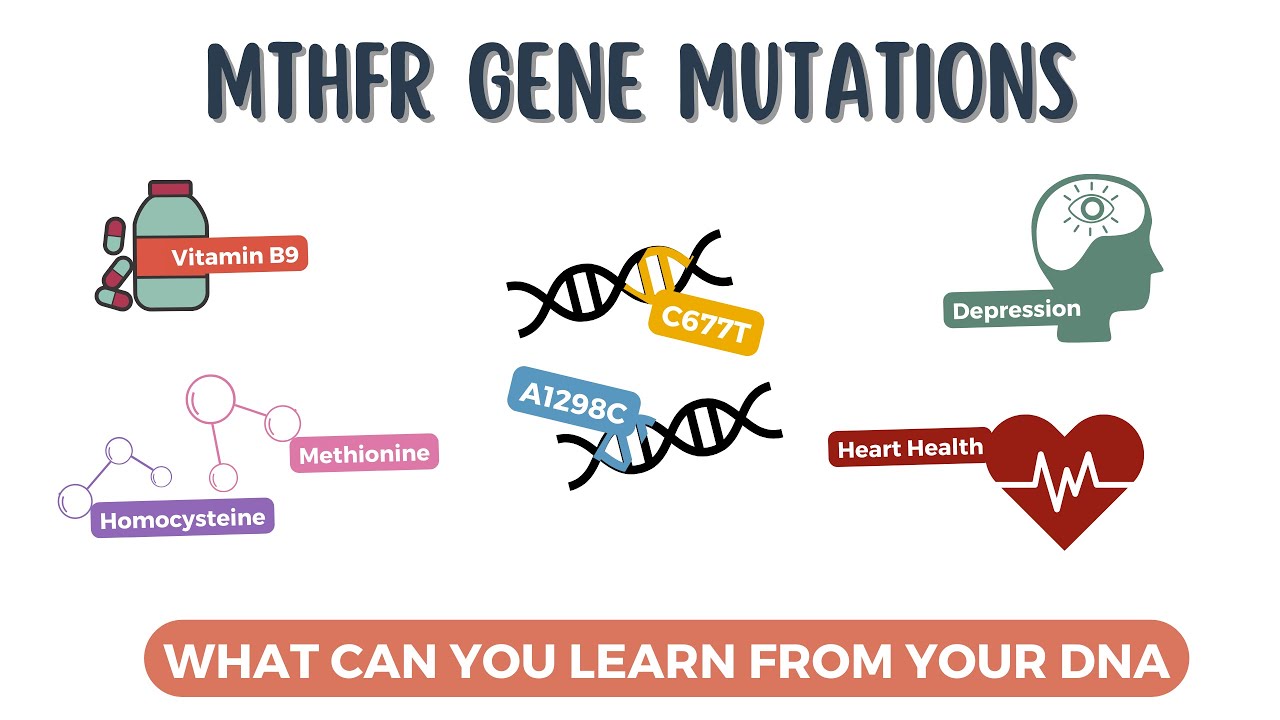
Top 3 Functions of MTHFR enzyme:
Effects of MTHFR Gene Mutations:
MTHFR genetic variation is associated with
The study details that an increase in homocysteine levels, associated with a certain genetic variant of MTHFR, could stimulate an inflammatory response. According to the study, this could lead to the adverse reaction due to the effect of MTHFR and vaccine injection.
An alternate pathway to explain MTHFR gene mutation and vaccines induced side effects is that the rapid proliferation of cells caused by vaccination can increase the need for DNA synthesis. Genetic polymorphism in the MTHFR gene, and thereby the activity of the MTHFR enzyme, may be significantly associated with this process. The study also noted that genetic variation in MTHFR and vaccines induced cardiac events should be evaluated in future research studies.
Though there does not seem to be considerable research associated with MTHFR mutation and vaccines, there is a lot of speculation about the safety of vaccination. This genetic variant in the gene MTHFR has prompted many groups to advocate against vaccination for children. However, we have not found sufficient scientific evidence to support this notion.
Insufficient evidence for MTHFR kids vaccination induced injury
Vaccine injury is one of the major topics of debate and, in the United States, there is an exemption from liability for drug manufacturers as well as for the physician. Though there are severe instances of vaccine injury, which includes permanent disability, an autoimmune condition or even death.
While there is under-reporting of vaccine injury, with symptoms showing up even after a few weeks, there have been very few gene based studies of significance.
Apart from the C677T variant in MTHFR, vaccines induced adverse effects were also found, in the study, to be significantly associated with genetic variants in the following genes
Since smallpox has been eradicated from most parts of the world, the relevance of this study and the genetic basis of MTHFR vaccine injury is questionable.
Apart from this study on small pox vaccine, another study was conducted on MTHFR MMR vaccine. This study conducted in 2014 was aimed at identifying genetic variants among children with MMR associated fever. There are 5 genes which were found to be associated with vaccine injury
Mercury is known to be a potent neurotoxin, however, a study conducted in 2014 showed a potential genetic basis. The study showed an initial association between A1298C (rs1801131) variant of MTHFR and vaccine injury. Another variant associated with variance in response to mercury was identified in PON1 (rs662). However, none of the vaccines currently in use include mercury.
Let’s look at the incidence of occurrence of serious adverse effects of vaccines.
Compare that with the number of people who are homozygous for C677T, the variant under study
Since 40% of the U.S population carries at least one copy of C677T polymorphism, and comparatively, very few people develop adverse effects, testing for MTHFR-vaccine effect is not appropriate, till further validation studies confirm the need for such screening.
MTHFR Mutations: Myths vs. Facts
Upload your raw data to find your MTHFR variant
MTHFR variants play an important role in the amount of folic acid supplementation required, as well as in the need for detoxification.
MTHFR and detox:
Some people are more susceptible to mold exposure or may require a longer period of detoxification to help their liver recover from all the pollutant exposure, but how do you find out who does? Upload your 23andme raw data or your ancestry DNA raw data to identify the variant present in your genes.
Though this information may not aid in understanding MTHFR and vaccine adverse effect correlation, it will help in identifying the variant carried and steps to align your lifestyle for better health.
References:
CYP2D6 is one of the most important enzymes associated with detoxification. 25% of clinical drug clearance is carried out by this enzyme, which includes antitumor drugs and antipsychotic drugs. This enzyme is also responsible for the metabolism of serotonin and dopamine and it also constitutes 40% of hepatic human phase I metabolism.

As humans, we are exposed to a lot of toxins, from the natural plant-based toxins to man-made toxins, to the pollutants discharged by chemical factories to chemicals present in skin creams among others. Our body, however, has the ability to remove certain toxic waste from it. The CYP2D6 enzymes coded by the CYP2D6 genes play an important role in liver detox.
Evolutionary and molecular aspects of CYP2D6
CYP2D6 belongs to the cytochrome P450 family of genes which originated from a prokaryotic ancestral gene. The CYP family of genes were instrumental in protecting the prokaryotes form oxygen toxicity. These genes constantly expanded and about 1.5 billion years ago, they expanded to include genes that were endogenous compound metabolising. The last expansion of the CYP genes occurred about 400 million years ago.
The CYP family of genes are found to be one of the most rapidly evolving genes, an imperative characteristic required to protect cells and to avoid injuries when the cells are exposed to toxins.
The CYP2D6 gene is present in chromosome 22q13.1 and contains more than 100 allelic variants. With the advent of farming and modern day practices, humans have restricted the type of food consumed. This has lead to a loss of selection pressure which is required to keep genes active. Therefore, humans have only one functional gene, while other organisms like rat or mouse have multiple.
CYP2D6 metabolizer status:
Evolution of human CYP2D locus has resulted in the following types of alleles
The metabolic activity of CYP2D6 depends on the highest functioning allele
| CYP2D6 metabolizer status | Alleles | Geographic distribution |
|---|---|---|
| Ultrarapid Metabolizers (UMs) | 2 fully functional alleles | 16% of Ethiopians, 3–5% of Caucasians, 2% of Swedish Caucasians. UMs are present in Oceania and North Africa. |
| Extensive Metabolizers (EM) | One fully functional and one reduced function allele | 70–80% of Caucasians |
| Intermediate Metabolizers (IM) | 2 reduced function alleles or one reduced function and one non functional allele | 10–17% of Caucasians. IMs are mainly in Asia |
| Poor Metabolizers (PM) | 2 non functional alleles | 19% of African Americans, 5–10% of Caucasians,1% Chinese population and 0.6% of South Indian population. PMs are found mainly in Europe |

Genetic Variants of CYP2D6 - How is it important?
"Identifying the CYP2D6 variant carried can help in finding out which medications will work for you or which toxins you are hypersensitive to."
The detox genes we carry work at different efficiencies and finding out about those helps us in understanding the metabolism and dosage of various drugs. A lack of CYP2D6 enzyme is associated with lowered drug effectiveness among drugs that require activation by CYP2D6
Use your 23andme raw data or your Ancestry DNA raw data to check for rs1135840 (CYP2D6 s486t )
This is one of the important and well known SNP of CYP2D6- CYP2D6 s486t
| Genotype | Phenotype |
|---|---|
| CC | Two non functioning alleles |
| CT | One non functioning allele |
| TT | Normal |
Use your 23andme raw data or your Ancestry DNA raw data to check for rs1065852
| Genotype | Phenotype |
|---|---|
| AA | Two non functioning alleles |
| AG | One non functioning allele |
| GG | Normal |
Use your 23andme raw data or your Ancestry DNA raw data to check for rs5080367
| Genotype | Phenotype |
|---|---|
| GG | Two non functioning alleles |
| TG | One non functioning allele |
| TT | Normal |
Apart from these SNPs that are reported in the 23andme reports, there are other important CYP2D6 polymorphisms which contribute to determining CYP2D6 activity. Authority sites like Pharm GKB list out the significant polymorphisms, all of which are included in the Xcode Life science’s PGX report. Upload your 23andme raw data or your ancestry DNA raw data into Xcode Life science’s dashboard to get your comprehensive report.
For the entire list of CYP2D6 inducers and CYP2D6 inhibitors, check out CYP2D6 in wikipedia.
As the liver is the major source of the CYP2D6 enzymes, ensuring a healthy liver is important.
Every individual should focus on liver detox, especially with the amount of processed foods that are consumed and the amount of synthetic chemicals that enter our water and food supply through industrial, agricultural and other activities. While people may look good on the outside, their internal organs may be stressed due to non clearance of toxins.
The liver is responsible for many essential functions like
The detoxification potential of a liver is very important and makes it important to focus on liver detox to keep it healthy.

There is an intricate drug-gene interaction which makes genetic testing for medication effectiveness imperative.
DNA testing for drug effectiveness can be used for the following
Pharmacogenomics is a growing industry with many physicians utilising DNA testing for drug effectiveness. The significance of this method of testing was understood by the former President of the United States, Mr. Barack Obama, who felt that pharmacogenomics could make US healthier. He had wanted to dedicate $215 million towards precision medicine in his budget, signalling the growing interest in the field.
CYP2D6 gene polymorphisms are included in the Xcode PGX reports and should be interpreted only by a medical practitioner to identify the right drug and the right dose for each individual.
References:
Assigning haplogroups during raw data analysis primarily depends on the number of Y chromosome and mtDNA gene markers present in your raw data. In some raw data files, such as in female samples, the Y chromosome data will not be present. In certain other cases, the company may not include Y and Mitochondrial DNA markers in their raw data or too few data points are present. In such cases, a haplogroup cannot be assigned.
For example, the autosomal raw data from Family Tree DNA’s Family Finder test does not contain markers from the Y chromosome and mtDNA. In this case, our tool will be unable to associate a haplogroup to the sample.
If you are getting a parent haplogroup such as H, N etc. this is likely because only the mutation corresponding to the parent haplogroup was found but not the ones corresponding to their subclades. This is also likely due to insufficient SNPs in your raw data file.
Below is a table showing the number of Y chromosome and mtDNA markers present in the raw data from different companies.
| Chip version | Illumina BeadChip platform | Y chromosome SNPs | mtDNA SNPs |
|---|---|---|---|
| v1 | Illumina 4-sample HumanHap550 Plus | 1,880 | (unknown) |
| v2 | Illumina 4-sample HumanHap550 Plus | 1,821 | 2,040 |
| v3 | Illumina 12-sample HumanOmniExpress Plus | 1,766 | 2,459 |
| v4 | Illumina 24-sample HTS iSelect HD | 2,329 | 3,154 |
| v5 | Infinium Global Screening Array-24 v1.0 BeadChip | 3,733 | 4,318 |
| - | Customized Illumina chip | 1,691 | 195 |
| - | Customized Global screening Array | (unknown) | 4,700 |
For some of you, especially those with AncestryDNA raw data, it is not uncommon to find a paternal haplogroup in your report.
In case you find this information in your report please feel free to ignore it.
To answer the question of why a paternal haplogroup is being assigned in the first place, it is necessary to describe a little about the way Ancestry DNA labels their chromosome. The Y chromosome is labeled as chromosome 24. If you open your raw data text file and search for chromosome 24, it should be completely devoid of any “calls” or values like A, T, G or C. If you find any such entries in the columns labeled Allele 1 and Allele 2 in your AncestryDNA raw data, that would be picked up by the algorithms of third party tools or websites and assign a relevant haplogroup to it.
Now for biological males, all the gene markers in the Y chromosome will have an entry, and correctly so since males have a Y chromosome. Hence the assigned haplogroup from this data is valid. However for biological females this will be assigned from whatever calls that are found in their raw data. Hence this information is not valid.
Food intolerance or food sensitivity describes the difficulty in digesting certain foods and can lead to unpleasant reactions like intestinal gas, abdominal pain, or diarrhea.
The symptoms of food intolerance appear only after a few hours of consuming the food.
It can be difficult to identify food intolerance as the symptoms are often mistaken for other conditions.
Some common symptoms of food intolerance include:
Food intolerances aren’t life-threatening. However, they can be very problematic for those affected.
Some causes of food intolerance are the absence of certain digestive enzymes (proteins that help with the digestion of food), some chemicals/additives in the food, and toxins.
Common food intolerances seen in people are:
While food intolerance is a problem with digesting food, food allergies are due to our immune system reacting to the food item itself.
Food allergy occurs when the immune system sees a specific component in the consumed food as an “enemy” to the body and sends out a response that results in allergic reactions.
The symptoms of food allergy occur soon after eating the food and are much more severe than those seen in the case of food intolerances.
In rare cases, food allergies can result in a reaction called ‘anaphylaxis’ where your blood pressure drops and your airway narrows down - this can potentially be life-threatening.
Mushrooms are loved worldwide as they contain flavor enhancers and are a gourmet’s delight. This makes them the most popular choice for pizza topping, after pepperoni!
Some nutritional facts about mushrooms
Mushrooms are a “powerhouse of nutrition” and not a white food to be avoided.
Some research studies show that they can be used to lower the risk of diseases such as cancer, Alzheimer’s, and Parkinson’s.
Also known as SLC22A4, this gene is located on the long arm or the q arm of chromosome 5.
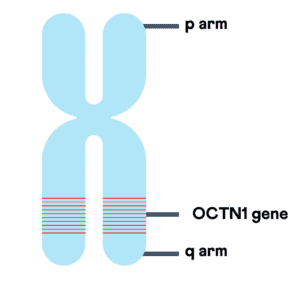
OCTN1 produces a protein that is responsible for the transport of positively charged compounds - in this case, ergothioneine - a substance present at high levels in mushrooms.
A study established an association between the OCTN1 gene and mushroom intolerance risk.
This interaction was observed among patients with Crohn’s disease.
Crohn’s falls under a group of diseases (called the inflammatory bowel diseases) that affect the digestive tract - the mouth, esophagus, stomach, small intestine, and large intestine. Crohn’s results in the inflammation or swelling of the digestive tract, which can lead to side effects like stomach pain, diarrhea, and weight loss.
rs1050152 of the OCTN1 gene has an association with mushroom intolerance. In a study conducted in the New Zealand population, among the people who were mushroom intolerant, it was found that the T allele of rs1050152 was present in a higher number (in people with and without Crohn’s disease). This suggests that having a T allele in rs1050152 can increase your risk for mushroom intolerance.
rs1050152 was previously found to be associated with a risk for Crohn’s disease.
The shiitake is an edible mushroom native to East Asia. Shiitake mushroom intolerance is one of the most common forms of mushroom intolerance.
The American chemical society in 2005 stated that mushroom contained the highest concentrations of ergothioneine, higher than either of the two dietary sources, wheat germ and chicken liver - which were previously believed to contain the most.
When compared with the other types of mushrooms cultivated in the US, the shiitake variety contained the highest amount of L-ergothioneine, which explains why shiitake mushroom intolerance is more common.
There have been reported instances of people developing sudden mushroom intolerance, without any prior incidents.
This could either be due to the type of mushroom consumed or a mushroom allergy.
The best way to find out is to take up a food intolerance test.
People at high risk for mushroom allergy include:
The best and the only way to avoid mushroom intolerance is to remove mushrooms from the diet completely.
The available study on the reason behind mushroom intolerance identified ergothioneine as the ‘component’ that leads to intolerance. So, it is also important to be wary of foods containing ergothioneine. Foods high in ergothioneine include:
Updated 13th March, 2021
Do you suffer from sniffles or a runny nose? Does drinking red wine make your face flush? Do you get sudden and unexplained headaches? These are some histamine intolerance symptoms which often feel like they appeared without any apparent trigger.
Histamine is a biogenic amine which is derived when the amino acid histidine is decarboxylated. This bioamine is stored in the mast cells and in the basophils and is produced by the body during allergic reactions. It is also known to be a neurotransmitter as well as a vasodilator. Though the condition is termed histamine intolerance, the body can ‘tolerate’ a certain amount of histamine. It’s only when there is histamine overload that people with reduced activity of the DAO enzyme start exhibiting histamine intolerance symptoms.
The body metabolizes histamine via the following two known degradation pathways
Apart from the histamine produced by the body, ingested histamine is also degraded by one of the two pathways.
Histamine intolerance symptoms include nasal congestion, irregular menstrual cycles, nausea, fatigue, vomiting, hives or headaches.
Histamine Intolerance test: A blood test to determine the level of DAO enzyme activity is not very definitive as the level of DAO enzyme in the blood is not reflective of its activity levels in the body. In a study conducted on 384 children with chronic abdominal pain, the level of serum DAO enzyme tested did not correlate with the levels of serum or urine histamine. When the children were put on a low histamine diet, 50% showed reduction in symptoms. According to ‘German guideline for the management of adverse reactions to ingested histamine’ (2017), measuring DAO enzyme activity in the serum was inconclusive in the detection of histamine intolerance.
Genetic testing for determining DAO enzyme activity can be used for informative purpose but there are other factors which could contribute to the development of histamine intolerance.
When there is a reduction in the activity of the DAO enzyme, it is shown to be associated with an increased risk of histamine intolerance. DAO enzyme is synthesized from the AOC1 gene. 23andme raw data includes the following polymorphisms
Use your 23andme raw data or your Ancestry DNA raw data to check for AOC1- rs10156191
| Genotype | Phenotype |
|---|---|
| CC | Normal |
| CT | Likely lower DAO enzyme activity |
| TT | Likely lower DAO enzyme activity |
Use your 23andme raw data or your Ancestry DNA raw data to check for- AOC1- rs1049742
| Genotype | Phenotype |
|---|---|
| CC | Normal |
| CT | Likely lower DAO enzyme activity |
| TT | Likely lower DAO enzyme activity |
Use your 23andme raw data or your Ancestry DNA raw data to check for-AOC1- rs1049793
| Genotype | Phenotype |
|---|---|
| CC | Normal |
| CG | Likely lower DAO enzyme activity |
| GG | Likely lower DAO enzyme activity |
Use your 23andme raw data or your Ancestry DNA raw data to check for-AOC1- rs2052129
| Genotype | Phenotype |
|---|---|
| GG | Normal |
| GT | Likely lower DAO enzyme activity |
| TT | Likely lower DAO enzyme activity |
Use your 23andme raw data or your Ancestry DNA raw data to check for-AOC1- rs2268999
| Genotype | Phenotype |
|---|---|
| AA | Normal |
| AT | Likely lower DAO enzyme activity |
| TT | Likely lower DAO enzyme activity |
MTHFR and histamine intolerance
The methylation cycle is also associated with the breakdown of histamine and other monoamine neurotransmitters. Finding out about the MTHFR mutations carried will help in identifying the extent of histamine clearance via the methylation pathway. To do this, 23andme raw data or Ancestry DNA raw data may be uploaded onto sites like Genetic genie which list out the various MTHFR mutations. However, although Genetic genie provides a list of SNPs, Xcode Life, provides recommendations and likely enzyme activity levels based on the 2 prominent MTHFR SNPs- C677T, A1298C.
The most effective treatment for histamine intolerance is to opt for a low histamine diet. Many research studies have found that elimination diet, or a low histamine diet, can help in identifying if an individual has histamine intolerance.
High histamine foods
Here is a list of high histamine foods
Intoxication due to histamine may occur due to consumption of spoiled tuna or mackerel, which are high histamine foods, and should, therefore, be avoided.
Low histamine foods
The bane of opting for low histamine foods is that it could increase the risk for malnutrition. Care should be taken to include sufficient nutrition to ensure good health.
A low histamine diet is primarily to identify the presence of histamine intolerance and it should be carried out by eliminating certain high histamine foods and then slowly adding them, checking for the return of symptoms. It should ideally be carried out under the supervision of a medical practitioner. The extent of histamine intolerance varies from one individual to another.
An ideal way of designing your own low histamine diet is to opt for one or two vegetarian meals. Meat should be consumed when it is prepared the same day, though the skin of poultry has high histamine levels, irrespective of when it is prepared. Portion control could also play an important role, a bit of lime present in a dish like hummus may not harm while a glass of lime juice could.
DAO supplement
One of the major factors for histamine intolerance is the reduced DAO enzyme activity. There are many DAO supplements that are available to boost the activity of this enzyme, thereby reducing the extent of histamine intolerance.
A word of caution on DAO supplement production, many of these have porcine sources and contain rice and corn, and so should be avoided by individuals with any allergies to these. Alternatively, pea shoots are high in DAO and can be consumed by vegetarians or people looking for alternate DAO supplement.
Histamine intolerance can affect your quality of life and finding out about the level of DAO enzyme activity based on genetic variations may help in altering the diet to reduce symptoms. Xcode Life reports include information on SNPs associated with histamine intolerance and can be purchased here.
References: