The Melanocortin 4 Receptor gene (MC4R) is associated with the synthesis of MC4R enzyme, a G protein coupled receptor which is found to bind to alpha melanocyte stimulating hormone. Among humans, this gene is shown to be associated with obesity.
There are two SNPs that are used in our panel, rs17782313 and rs12970134
In a study conducted on a North Indian population, people with the C variant (rs17782313) of the gene were associated with elevated obesity risk. In another similar study, the number of people with the C variant was found to be significantly higher among obese people than among others. In the same study, people with the A variant (rs12970134) were shown to have a strong association with obesity.
In a study conducted to assess physical activity, people with the C variant of the gene were found to carry out 3.5% less MET/per week when compared to people with other variants of the gene.
In a study, people with the C variant of the gene were shown to be associated with increased risk for nocturnal hypertension. In a similar study, people with the C variant of the gene, who had hypertension and were smokers, were shown to be associated with a higher risk for large artery stroke.
| CHIP Version | MC4R SNPs |
| 23andMe (Use your 23andme raw data to know your MC4R Variant) | |
| v1 23andme | Present |
| v2 23andme | Present |
| v3 23andme | Present |
| v4 23andme | Present |
| V5 23andme (current chip) | Present |
| AncestryDNA (Use your ancestry DNA raw data to know your MC4R Variant) | |
| v1 ancestry DNA | Present |
| V2 ancestry DNA (current chip) | Present |
| Family Tree DNA (Use your FTDNA raw data to know your MC4R Variant) | |
| OmniExpress microarray chip | Present |
In a study conducted to determine the reward value of food, people with the C variant of the gene were shown to be associated with increased energy intake.
In a study conducted to analyze the effect of MC4R gene variant on age and gender, women with the C variant of the gene were shown to be associated with a greater risk of obesity than men. People within 20-40 years were shown to be associated with obesity-related effects of the gene and there was a lower influence of the gene as age advanced.
| Genotype rs17782313 | Phenotype | Genotype |
| CC | [Limitation] More likely to have increased risk for obesity. [Limitation] Less likely to perform physical activity [Limitation] More Likely to have higher nocturnal blood pressure and increased risk for cardiovascular disease [Limitation] More Likely to have increased energy intake and fatty food preference | Practice mindful eating and consciously avoid increased consumption of high fatty food Associated with lower physical activity, so should consciously balance food intake with appropriate exercises. Women show a greater tendency to gain weight than men with this variant. Avoid smoking as it increases risk for stroke |
| CT | Moderate risk for obesity | Practice mindful eating and consciously avoid increased consumption of high fatty food Associated with lower physical activity, so should consciously balance food intake with appropriate exercises. Women show a greater tendency to gain weight than men with this variant. Avoid smoking as it increases risk for stroke |
| TT | [Advantage] Less likely to have increased risk for obesity. [Advantage] More likely to perform physical activity [Advantage] Less Likely to have higher blood pressure and increased risk for cardiovascular disease [Advantage] Less Likely to have increased energy intake and fatty food preference | Ensure a healthy balance between food intake and exercises. |
| Genotype rs12970134 | Phenotype | Recommendation |
| AA | [Limitation] More likely to have increased risk for obesity. | Practice mindful eating and consciously avoid increased consumption of high fatty food |
| AG | Moderate risk for obesity | Practice mindful eating and consciously avoid increased consumption of high fatty food |
| GG | [Advantage] Less likely to have increased risk for obesity. | Ensure a healthy balance between food intake and exercises. |
“Nutrigenetics, fitness genetics, health genetics are all nascent but rapidly growing areas within human genetics. The information provided herein is based on preliminary scientific studies and it is to be read and understood in that context.”
The Human Leukocyte Antigen system (HLA) gene is associated with the synthesis of Major Histocompatibility Complex (MHC), which are cell surface proteins that are associated with the regulation of the immune system. There are six single nucleotide polymorphisms of this gene complex, HLA DQ(rs7454108), HLA DQ 2.5 (rs2187668), HLA DQ 2.2 (rs7775228, rs2395182, rs4713586) and HLA DQ7 (rs4639334) which have been shown to be associated with gluten intolerance.
Farming and agriculture introduced humans to new proteins about 10,000 years ago. Gluten is one such protein present in wheat, which makes bread light and springy as it traps steam and carbon-di-oxide when the dough rises during baking. However, this protein cannot be completely broken down into amino acids like other proteins are. Instead it is broken down to the peptides- gliadin and glutenin. People with certain variants of the gene have been shown to react to these peptides, giving rise to classic symptoms of gluten intolerance like diarrhea, stomach cramps, tiredness and abdominal bloating.
Celiac disease is a severe form of gluten intolerance and it is found to affect 1% of the population. Non-celiac gluten sensitivity is a mild form of gluten intolerance. In India, more than 10% of the population has gluten intolerance.
The HLA DQ genes have been shown to be strong genetic predictors of celiac disease. In a study conducted to assess the genetic predisposition to gluten intolerance, nearly all the patients with celiac disease had the risk allele in the HLA DQ2 and the HLA DQ8 gene, with the absence of these variants in 100% of people without celiac disease.
In a study conducted to analyze the human leukocyte antigen alleles, people with the G variant of HLA DQ(rs7454108), T variant of HLA DQ 2.5 (rs2187668), G variant of HLA DQ 2.2 (rs7775228), T variant of HLA DQ 2.2 (rs2395182), G variant of HLA DQ 2.2 (rs4713586) and A variant of HLA DQ7 (rs4639334) were shown to be associated with predicting a reaction to gluten in the diet.
| CHIP Version | HLA DQ SNPs |
| 23andMe (Use your 23andme raw data to know your HLA DQ Variant) | |
| v1 23andme | Present |
| v2 23andme | Present |
| v3 23andme | Present |
| v4 23andme | Present |
| V5 23andme (current chip) | Present |
| AncestryDNA (Use your ancestry DNA raw data to know your HLA DQ Variant) | |
| v1 ancestry DNA | Present |
| V2 ancestry DNA (current chip) | Present |
| Family Tree DNA (Use your FTDNA raw data to know your HLA DQ Variant) | |
| OmniExpress microarray chip | Present |
| Genotype HLA DQ(rs7454108) | Phenotype |
|---|---|
| AA | [Advantage] More likely to be gluten tolerant |
| AG | Moderate risk for gluten intolerance |
| GG | [Limitation] More likely to be gluten intolerant |
| Genotype HLA DQ 2.5 (rs2187668) | Phenotype |
|---|---|
| CC | [Advantage] More likely to be gluten tolerant |
| CT | Moderate risk for gluten intolerance |
| TT | [Limitation] More likely to be gluten intolerant |
| Genotype HLA DQ 2.2 (rs7775228) | Phenotype |
|---|---|
| AA | [Advantage] More likely to be gluten tolerant |
| AG | Moderate risk for gluten intolerance |
| GG | [Limitation] More likely to be gluten intolerant |
| Genotype HLA DQ 2.2 (rs4713586) | Phenotype |
|---|---|
| AA | [Advantage] More likely to be gluten tolerant |
| AG | Moderate risk for gluten intolerance |
| GG | [Limitation] More likely to be gluten intolerant |
| Genotype HLA DQ7 (rs4639334) | Phenotype |
|---|---|
| GG | [Advantage] More likely to be gluten tolerant |
| AG | Moderate risk for gluten intolerance |
| AA | [Limitation] More likely to be gluten intolerant |
How can this information be used?
It is important to choose an appropriate diet based on the genetic profile
| For people with Risk Variant (Gluten Intolerant) People with gluten intolerance should completely avoid gluten in their food. There are many gluten free products available in the market. Rice is gluten free, which could be the reason behind the low prevalence of gluten intolerance among South Indians. People with moderate risk should watch out for symptoms associated with gluten intolerance and avoid it from the diet, only if there are symptoms. |
|---|
| For people with Normal Variant (Gluten Tolerant) Continue to include gluten in the diet as there is minimal risk associated with developing gluten intolerance. |
|---|
“Nutrigenetics, fitness genetics, health genetics are all nascent but rapidly growing areas within human genetics. The information provided herein is based on preliminary scientific studies and it is to be read and understood in that context.”
ACE gene codes for Angiotensin-Converting Enzyme.
This enzyme is a part of the Renin-Angiotensin System, which is responsible for maintaining blood pressure, and fluid and salt balance in the body.
The enzyme cleaves the protein angiotensin I at a particular site, converting it into angiotensin II.
This angiotensin II brings about constriction of blood vessels, thereby increasing the blood pressure.
ACE gene is located on the long arm of chromosome 17.
Mutations in the ACE gene have been associated with a severe form of the renal disease called renal tubular dysgenesis.
As the name goes, ACE inhibitors are medications that slow down or inhibit the effects of angiotensin-converting enzyme (ACE).
Such medications are involved in relaxing the blood vessels and reducing blood pressure levels.
They are primarily used as anti-hypertensive drugs.
The ACE inhibitors prevent the angiotensin-converting enzyme from producing angiotensin II.
This reduces blood pressure and makes it easier for the heart to pump blood, thereby improving the functioning of the heart.
ACE inhibitors can be used to treat the following conditions:
Common examples of ACE inhibitors are:
Like any other medication, ACE inhibitors too, have a few side effects. But, most of them are not a cause of worry.
These include:
According to a study conducted by researchers in Australia, it was observed that ACE deficient mice weighed 20% lesser than the mice with ACE activity. It was also observed that the ACE deficient mice had 50% less body fat, especially around the belly area.
The results from this study have suggested that ACE inhibitors might help in weight loss around the mid-section in humans.
This, along with the other effects of ACE inhibitors, might be cardio-protective.
Handpicked article for you: Is Dr. Rhonda Patrick Diet For You? Analyze Your DNA Raw Data To Find Out Your Nutritional Needs!
ACE inhibitors are cardio and renoprotective.
They reduce systemic vascular resistance in patients with hypertension, chronic renal disease, and heart failure.
ACE inhibitors as we know by now cause a fall in the blood pressure.
Intrarenal efferent vasodilation is also observed along with a fall in the glomerular filtration pressure.
These events are said to be renoprotective.
However, when the glomerular filtration is critically dependent on the angiotensin II-mediated efferent vascular tone, giving ACE inhibitors to the patient can induce acute renal failure.
The systemic and renal hemodynamic consequences, both benefits and adverse effects, are brought about by the depletion of sodium.
Treating such patients with diuretics and ACE inhibitors, along with some sodium intake restrictions, can improve their therapeutic efficiency.
So, if the patients have a high risk of adverse renal effects to ACE inhibitors, their dosages should be titrated appropriately, and renal function and potassium levels should be closely monitored.
ACE inhibitors and beta-blockers are both classes of drugs that are used to treat hypertension.
Though their goal is the same, their mechanism of action is entirely different.
ACE inhibitors work by preventing the conversion of angiotensin I to angiotensin II.
Thus, they cause the relaxation of blood vessels and lower the blood pressure.
Beta-blockers, on the other hand, block epinephrine (adrenaline) and norepinephrine (noradrenaline) from binding to beta receptors on the nerves.
This reduces the heart rate and subsequently lowers blood pressure.
Both these classes of drugs have their side effects and drawbacks.
In most cases, a combination of one or more anti-hypertensive drugs is used to treat high blood pressure.
Hypertension is a widespread and highly prevalent lifestyle disease.
It is a medical term given for consistently high blood pressure over 120mm Hg systolic and 80mm Hg diastolic.
Hypertension is characterized by the flow of blood at high pressure against the walls of the blood vessels.
As a result, the workload of the blood vessels and the heart increases substantially.
Over a period of time, this force and friction on these tissues end up damaging them, and this can precipitate many conditions.
Some of them include:
Hypertension can be of two types: Primary and secondary.
When the rise in blood pressure levels is due to a non-identifiable cause, it is known as primary hypertension.
However, when there is an increase in the blood pressure levels due to an underlying condition, it is called secondary hypertension.
Some common causes of hypertension include:
Though hypertension is often silent, in some cases, the patient does show some symptoms. Like:
| Stage | Severity | Blood pressure range (mm Hg) |
|---|---|---|
| I | Prehypertension | 120/80 to 139/89 |
| II | Mild Hypertension | 140/90 to 159/99 |
| III | Moderate Hypertension | 160/100 to 179/109 |
| IV | Severe Hypertension | 180/110 or higher |
Individuals who are in the prehypertension stage can progress to the other stages if immediate action is not taken.
Untreated cases of hypertension can even be fatal.
One of the primary causes that result in hypertension is poor lifestyle choices, which includes an unhealthy diet.
So, to reduce the blood pressure levels and maintain it under the limit, certain dietary recommendations should be followed.
DASH diet is an acronym for Dietary Approaches to Hypertension diet.
The plan includes adopting a diet which includes fruits, vegetables, whole grains, low-fat dairy, nuts and seeds, legumes, fish, and poultry.
The most important aspect is to eat foods that are rich in potassium, calcium, magnesium, protein, and fiber and avoiding foods rich in sodium.
DASH diet is low salt and low sugar diet that does not allow the intake of desserts, sweetened drinks and beverages, red meat, and processed meats and fats.
The diet allows a maximum of 2000 calories a day, which includes:
In most cases of primary hypertension, blood pressure levels can be brought down by a combination of medications, dietary changes, regular exercise, and lifestyle modifications.
Once the blood pressure has been controlled, the individual can maintain his/her blood pressure levels within a reasonable range by living and eating healthy.
In many cases, a precautionary medication is advised to prevent the blood pressure from shooting up.
Our kidneys are responsible for water and salt regulation.
More the salt we consume, more the kidneys tend to retain water.
The increased water retention results in an increase in our systemic blood pressure.
This leads to increased pressure on the walls of many blood vessels, which may result in organ damage.
Of the many factors that can cause hypertension, the ACE gene also plays a role.
We know that the blood pressure in the body is controlled by the kidneys.
But, to be more specific, the Renin-Angiotensin System or RAS system is responsible for regulating it.
Some genetic variations are related to the RAS system, the most common one being the insertion/deletion polymorphism of the ACE gene.
So, essentially, the interactions between the ACE I/D polymorphism, sodium intake the RAS system determine your blood pressure and influence the risk of developing hypertension.
It was observed that the DD genotype of ACE and the TT genotype of ACE2 were significantly high in female hypertensives and the T allele of ACE2 was also linked to male hypertensives.
| SNP | Genotype | Implications |
|---|---|---|
| rs2106809 | AA | Small decrease in the diastolic blood pressure when treated with captopril |
| AG | Small decrease in diastolic blood pressure when treated with captopril | |
| GG | Higher decrease in diastolic blood pressure when treated with captopril as compared to women with the AA or AG genotype. |
SNP rs4308 is located on chromosome 17.
Presence of the A allele is responsible for the increase in the diastolic blood pressure.
This SNP locus also features as a target of anti-hypertensive drugs.
The ACE gene has been linked to athletic performance.
A genetic variation consisting of 287 DNA bases when inserted into the ACE gene causes a decrease in the ACE enzyme activity.
This version of the gene is called the ‘I’ version.
This variation is shown to be present in athletes, especially sprinters.
The presence of this insertion has been seen in many athletes who perform well in endurance sports such as wrestling, swimming, triathlons, etc.
Though the exact mechanism of how the ACE I gene contributes to fitness and athleticism is unknown, it probably has something to do with an increase in the heart rate, blood pressure, and muscle growth during training.
SNP rs4343 of the ACE gene has the ‘A’ and ‘G’ allele.
The A allele is associated with the insertion or I variation, whereas the G allele of the gene is associated with deletion or the D variation.
The G allele results in an increased risk of heart disease (GG) whereas, the minor A allele shows an increased association with endurance-based athletes.
SNP rs4343 has also recently been linked to susceptibility to migraine, where a G/G polymorphism was seen in patients with migraine with aura as compared to patients of migraine without aura.
| CHIP Version | VDR SNPs |
| 23andMe (Use your 23andme raw data to know your ACE Variant) | |
| v1 23andme | Present |
| v2 23andme | Present |
| v3 23andme | Present |
| v4 23andme | Present |
| V5 23andme (current chip) | Present |
| AncestryDNA (Use your ancestry DNA raw data to know your ACE Variant) | |
| v1 ancestry DNA | Present |
| V2 ancestry DNA (current chip) | Present |
| Family Tree DNA (Use your FTDNA raw data to know your ACE Variant) | |
| OmniExpress microarray chip | Present |
The hepatic lipase gene (LIPC) is associated with the synthesis of hepatic lipase enzyme (LIPC) which catalyzes the hydrolysis of fat. Hepatic lipase converts intermediate-density lipoprotein (IDL) to low-density lipoprotein (LDL).It is expressed in the liver and in the adrenal glands. Specific alleles of this gene are known to either increase or decrease hepatic lipase levels, and due to linkage disequilibrium, the levels of lipoprotein lipase, which is associated with variations in the plasma HDL levels. People with the T variant of the gene are shown to be associated with higher baseline HDL levels.
| CHIP Version | LIPC SNPs |
| 23andMe (Use your 23andme raw data to know your LIPC Variant) | |
| v1 23andme | Present |
| v2 23andme | Present |
| v3 23andme | Present |
| v4 23andme | Present |
| V5 23andme (current chip) | Present |
| AncestryDNA (Use your ancestry DNA raw data to know your LIPC Variant) | |
| v1 ancestry DNA | Present |
| V2 ancestry DNA (current chip) | Present |
| Family Tree DNA (Use your FTDNA raw data to know your LIPC Variant) | |
| OmniExpress microarray chip | Present |
People with the C variant of the gene were associated with reduction in weight, body fat and visceral fat.
In a study investigating the effects of endurance training on plasma lipoprotein levels, people with the C variant of the gene have been found to be associated with exercise mediated reduction in VLDL and increase in HDL. The benefit of exercise was found to be more in men with CC genotype than women.
In a meta-analysis study conducted on children, boys with the T allele had a higher BMI and higher risk of obesity. In another study, boys with the T variant of the gene were found to be associated with higher HDL level on high fat intake.
In a study conducted to determine gene-nutrient interactions, people with the T variant on a low fat diet (less than 30% of energy from fat) have been shown to be associated with higher HDL levels. In a study conducted to identify how Chinese, Malays and Asian Indians in Singapore were exposed to similar environment but where Asian Indians had three times the rates of myocardial infarction compared to Chinese, found that a complex interplay of environmental and genetic factors gave rise to these ethnic differences. A high fat diet was shown to be associated with higher serum triglyceride and lower HDL-cholesterol concentrations in people with the T variant while those with the C variant were shown to be associated with lower serum triglyceride and higher HDL cholesterol under the same dietary conditions. People with the T variant of the gene may have an impaired adaptation to a high fat diet, increasing the risk for cardiovascular disease.
In a study conducted on the LIPC gene variant and insulin sensitivity, the baseline insulin sensitivity was found to be similar between the gene variants but, upon exercising, people with the C variant were shown to be associated with higher insulin sensitivity. In a similar study, men with the T variant were shown to be associated with an improvement in insulin sensitivity when MUFA and carbohydrate rich are consumed instead of SFA fat. There was no association with women with the T variant and between diet and insulin sensitivity among men and women with the C variant.
| Genotype | Phenotype | Recommendation |
| CC | [Limitation] More likely to have lower baseline HDL [Advantage] More likely to have higher HDL level upon exercising [Advantage] More likely to have higher HDL on high fat diet [Advantage] More Likely to have improvement in insulin sensitivity upon exercising [Limitation] Less Likely to have improvement in insulin sensitivity when on MUFA and Carbohydrate rich diet | Likely increase in HDL upon exercising Including exercise routines is beneficial to HDL levels and insulin sensitivity |
| CT | Slightly improved insulin sensitivity upon exercising | Likely increase in HDL upon exercising Including exercise routines is beneficial to HDL levels and insulin sensitivity |
| TT | [Advantage] More likely to have higher baseline HDL [Limitation] Less likely to have higher HDL level upon exercising [Limitation] More likely to have Lower HDL on high fat diet [Limitation] Less Likely to have improvement in insulin sensitivity upon exercising [Advantage] More Likely to have improvement in insulin sensitivity when on MUFA and Carbohydrate rich diet | Likely increase in HDL level when on MUFA and Carbohydrate rich diet People with this gene variant would benefit from consuming low fat diet and carbohydrate rich diet |
“Nutrigenetics, fitness genetics, health genetics are all nascent but rapidly growing areas within human genetics. The information provided herein is based on preliminary scientific studies and it is to be read and understood in that context.”
DRD2 is a protein-coding gene that is located on chromosome 11.
The Dopamine Receptor Gene (DRD2) is associated with the synthesis of DRD2, which is the main receptor for all antipsychotic drugs.
The hormone Dopamine is a neurotransmitter and its secretion is increased during emotional upheavals.
From an evolutionary aspect, this hormone is released in response to some adverse condition, to prepare the body for a flight or fight response.
Under normal circumstances, when dopamine binds to DRD2 receptor, it should lower feelings of hunger and increase satiety.
Specific alleles of the DRD2 gene have been shown to be associated with a lower amount of DRD2 in the brain, which could lead to binge eating or overeating.
Before we look at the function of dopamine receptors, let’s understand what is dopamine.
Dopamine is a very important neurotransmitter and neurohormone in the body, which is responsible for enabling communication between nerve cells in the brain.
Dopamine is also linked with the brain's pleasure and reward system, and also controls movement.
Apart from this, dopamine also plays a role in memory and focus.
Dopamine receptors are important when we talk about certain neurological disorders like Parkinson’s disease.
Dopamine is produced by the substantia nigra in the brain( a part of the basal ganglia) which is responsible for controlling movement.
So, a steady flow of dopamine to these dopamine receptors ensures that controlled bodily movements occur normally.
But, when there is a decrease in dopamine reaching the receptors, movement, controlled movement and motor skills are affected, as we see in case of Parkinson’s disease.
The reverse of this happens in Tourette’s syndrome, where there is an excess of dopamine leading to excessive movements.
Dopamine receptors ensure adequate neurological signaling to allow dopamine to perform its functions and abnormal dopamine receptor signaling results in neuropsychiatric disorders.
These receptors are also the prime target of neurological drugs such as antipsychotics.
There are 5 types of dopamine receptors – DRD1 to DRD5.
It is a member of the D1-like receptor family and is the most abundant dopamine receptor found in the CNS.
The DRD1 receptor is found in the cortex, striatum and the limbic system of the brain, and the cardiovascular system.
It modulates the actions of dopamine receptor D2.
When dopamine binds to the DRD1 receptor, it regulates the growth and development of nerve cells in the brain and influences behavioral responses.
This receptor is a member of the D2-like receptor family and is found in many regions of the brain but has the highest concentration in the basal ganglia.
Since the basal ganglia comprise of structures responsible for motor control and learning, the DRD2 receptor mutations result in diseases such as schizophrenia or disorders like myoclonus dystonia.
Along with the DRD1 receptor, the DRD2 receptor reinforces the effects of drug abuse.
This is a part of the D2-like receptor family-like Drd2 and is mainly present in two regions of the limbic system – the islands of Calleja and nucleus accumbens.
These two areas of the brain are primarily involved in reinforcing pleasure activities and emotions like addiction, laughter, etc.
It has been researched that mutations in this receptor can increase the susceptibility to a hereditary essential tremor 1, which is a type of movement disorder.
It is also a member of the D2-like receptor family and is the receptor that is targeted by medications that are aimed at treating neurological disorders such as Parkinson’s and Schizophrenia.
This receptor is involved in motor coordination and exploratory behavior in humans.
A mutation in the DRD4 receptor can result in attention deficit hyperactivity disorder and dysfunction of the autonomic nervous system.
It is a member of the D1-like receptor family, just like DRD1.
These receptors are present in the limbic system of the brain and have a variety of functions such as long-term memory, smell, emotion, and behavior.
It has been shown that the D5 receptors have a higher affinity than the D1 receptors which means that they bind more easily to dopamine.
The SNP rs1800497 is also known as the Taq1A polymorphism of the dopamine D2 receptor(DRD2).
In a study conducted on obese people, Binge eating disorder and it was found that it was significantly associated with SNP rs1800497 and rs6277 that show enhanced or increased dopamine production.
The presence of the A1 allele is associated with reduced dopamine receptor availability in the brain thereby it was hypothesized that carrying this allele would increase the risk of emotional eating, especially in adolescents.
People with the T variant of the gene were found to be associated with increase in emotional eating behavior.
A recent study conducted on children found that T variant predisposes them to greater energy intake and higher risk of obesity.
Also, the presence of the T variant improves the speed of processing in individuals as compared to those who have the C variant.
The G allele of SNP rs4245150 of the DRD2 gene is associated with an increase in worry and anxiety.
| Trait | SNP | Gene | Genotype | Risk |
|---|---|---|---|---|
| Perceptual speed | rs3758653 | DRD4 | CT | T variant is associated with better performance on processing speed |
| Anxiety | rs4245150 | DRD2 | TG | G variant associated with risk of anxiety |
In a study conducted to determine linguistic language learning ability, people with the CC genotype were shown to be associated with better concatenative memory.
Another study conducted on older people, it was found that people with C variant had better associative memory.
A research was conducted to determine the genetic basis of bilingual ability, the T variant was found twice the amount among Spanish-English bilinguals than among only English speaking students.
| Genotype (rs1800497) | Phenotype | Recommendation |
|---|---|---|
| CC | [Advantage] More likely to have higher amount of DRD2 in the brain [Advantage] Less likely to have binge eating disorder [Advantage] More likely to have better associative memory [Limitation] Less likely to be bilingual | Less likely to have binge eating disorder More likely to have better memory Including activities that improve memory will further enhance the ability |
| CT | Moderate amount of DRD2 in the brain with moderate binge eating behavior | More likely to have binge eating disorder Consciously avoid eating when in distress or when feeling low Store healthy snacks which will avoid unhealthy binge eating |
| TT | [Limitation] More likely to have lower amount of DRD2 in the brain [Limitation] More likely to have binge eating disorder [Limitation] More likely to have better associative memory [Advantage] More likely to be bilingual | More likely to have binge eating disorder Consciously avoid eating when in distress or when feeling low Store healthy snacks which will avoid unhealthy binge eating More likely to be bilingual Learn new languages and tap into your innate potential |
The different types of D2-like receptors are found in different regions in the brain.
The D2 receptors are in high concentration in:
The D3 receptors are more limited in distribution and are found mainly in the nucleus accumbens of the limbic system.
However, less number of the D3 receptors are found in:
D4 receptors are the least in number in the brain and these are found in moderate levels in:
We often meet people in our social circles who are food-O-holics or are ‘foodies’ as they call themselves.
Most of these people struggle to control themselves when they see food or cannot prevent themselves from overeating.
But, on the other hand, we see some people who know exactly how much they want to eat and stop at a time when they feel they are full. These people avoid overeating.
While it may seem easy to prevent overeating, it is a habit that is difficult to break.
But, can one stop overeating?
Well, of course, you can! Here are a few effective ways to stop overeating:
these include watching TV or browsing through your phone, tablet or computer.
When you are distracted while eating, you tend to focus less on how much you are eating, often leading to excessive eating.
As these can make you feel full soon and yet you haven’t loaded up on excessive amounts of food or calories.
Including whole grains, salads, vegetables, fruits, etc., is a good way to increase the fiber content of your meals.
If you are seriously trying to avoid overeating, there are high chances that you have tried to keep food that you tend to indulge in away from you.
However, this behavior tends to backfire when you fall prey to the temptation and your problem of overeating is still unsolved.
Feel free to balance out the food items you eat and occasional indulgence will do no harm.
When we eat chips from a packaged packet or munch on popcorn from a tub, we tend to binge eat on them without knowing the quantity we are consuming.
The best thing to do in such cases is getting out just the proportioned or measured amounts of food items onto the plate.
Having a set routine for your three meal and snack-time is one of the time-tested methods to prevent overeating.
When you eat your meals regularly, your body knows how much it needs.
When you eat erratically or tend to skip meals, you feel more hungry due to a calorie deficit and this leads to overeating during the next meal.
When you consume foods that are high in proteins such as a high protein breakfast, it tends to lower the hunger causing hormone ghrelin, thereby preventing overeating.
It is also a great idea to consume some yogurt in your breakfast for the same reason.
It is often said that one must eat slowly and each meal should last a minimum of 20 minutes.
This is because this is the time needed by your stomach to convey to your brain that it is now full and that you need to stop eating.
However, in today’s lifestyle, people tend to eat really fast to save on time and get back to work.
This leads to unintentional overeating and we often don’t realize it.
There is no substitute for water.
Consuming more water throughout the day and keeping yourself hydrated also helps you feel less hungry, thereby preventing overeating during mealtimes.
Every now and then we come across diets that promise you weight loss and a healthy lifestyle.
But, these diets are not sustainable and people often fall back into their old lifestyles.
We all feel anxious in our day to day lives, especially in today’s world where we all struggle for something or the other.
It is okay to suffer from anxiety once in a while but in many individuals, it becomes a chronic problem.
Anxiety which is chronic in form has detrimental effects on one’s mind and body and severely impacts the quality of one’s life.
While there are many medications in the market that help reduce or treat this condition, it is best to resort to some natural methods of doing so. Some of these are:
Sleep is the best healer and medicine for our body for this is when our body relaxes completely.
People suffering from anxiety often find it difficult to get good sleep but they can use some tips to improve their sleep duration and quality.
When your mind and body have relaxed enough, you tend to feel the difference in your anxiety levels.
Caffeine causes mental alertness, can make your mind active and can cause nervousness.
So, if you already suffer from anxiety, avoid caffeinated foods and drinks and resort to something more calming and soothing to both your mind and your body.
Alcohol makes teleports you to another world, doesn’t it?
You feel comfortably numb or sedated and it gives you a sense of calmness.
But, the reality is that once the effect of alcohol starts to wear off, anxiety returns, and this time even more strong.
So, it is best to avoid resorting to alcohol and staying completely off it if you suffer from anxiety.
Just like alcohol, many people reach out for a puff when they are most stressed.
But, though the nicotine tends to offer you solace at that moment, in the long term, it tends to push you more towards developing an anxiety disorder.
Though quite a clichéd statement, eating healthy is actually beneficial for reducing your stress levels.
One must avoid foods that contain too much sugar, artificial sweeteners, flavors and colors, chemicals, dehydrating agents and preservatives.
All these affect one’s mood and temperament and can increase anxiety levels.
The age-old art of meditation removes any negative and disturbing thoughts and helps instill a sense of calmness and peace of the mind.
However, it is easier said than done and this remedy often takes time but has repeatedly shown to reduce anxiety and people.
While slow, fast breathing is seen in cases of anxiety, practicing deep breathing while you meditate can help counter anxiety.
What differentiates those homebodies who love to spend days on end at home and those that have this irking urge to undertake a holiday just a few days after they have returned from a long vacation?
Well, blame it on the DRD4-7R gene that is called as the ‘wanderlust gene’.
This gene codes for increased curiosity and restlessness and is present only in 20% of the population.
When proper history was taken while studying the gene, most people had a history of travel or will to travel.
This gene has also been linked to the first settlers in the continent of Africa who had the courage to migrate farther away from home, thereby spreading across the globe.
A mutant form of this DRD4 gene, the 7r makes people more likely to take risks, explore new places, new food, cultures, new ideas, drugs, and sexual opportunities.
Few scientists also link this DRD4 7r gene with migration.
A few scientists have also linked this behavior that is ‘out of control’ and hints at those people who wish to quit their high paying jobs for a few months of vacation, which is clearly irrational.
However, for a species as vast as humans in terms of genetics, it is unfair and rather difficult to pin down one particular gene for people who travel.
References:
“Nutrigenetics, fitness genetics, health genetics are all nascent but rapidly growing areas within human genetics. The information provided herein is based on preliminary scientific studies and it is to be read and understood in that context.”
Does your 23andme, Ancestry DNA, FTDNA raw data have DRD2 gene variant information?
| CHIP Version | DRD2 SNPs |
| 23andMe (Use your 23andme raw data to know your DRD2 Variant) | |
| v1 23andme | Present |
| v2 23andme | Present |
| v3 23andme | Present |
| v4 23andme | Present |
| V5 23andme (current chip) | Present |
| AncestryDNA (Use your ancestry DNA raw data to know your DRD2 Variant) | |
| v1 ancestry DNA | Present |
| V2 ancestry DNA (current chip) | Present |
| Family Tree DNA (Use your FTDNA raw data to know your DRD2 Variant) | |
| OmniExpress microarray chip | Present |
The Methyl Tetra Hydrofolate Reductase gene (MTHFR) is associated with the synthesis of the MTHFR enzyme, which converts folate obtained from the diet into an active form. The active folate is involved in the re-methylation of homocysteine to methionine. MTHFR gene variations determine how the body utilizes folate from the diet. People with the T variant of the gene are associated with lower levels of MTHFR enzyme which increases the risk for folate deficiency when there is a low intake of folate in the diet.
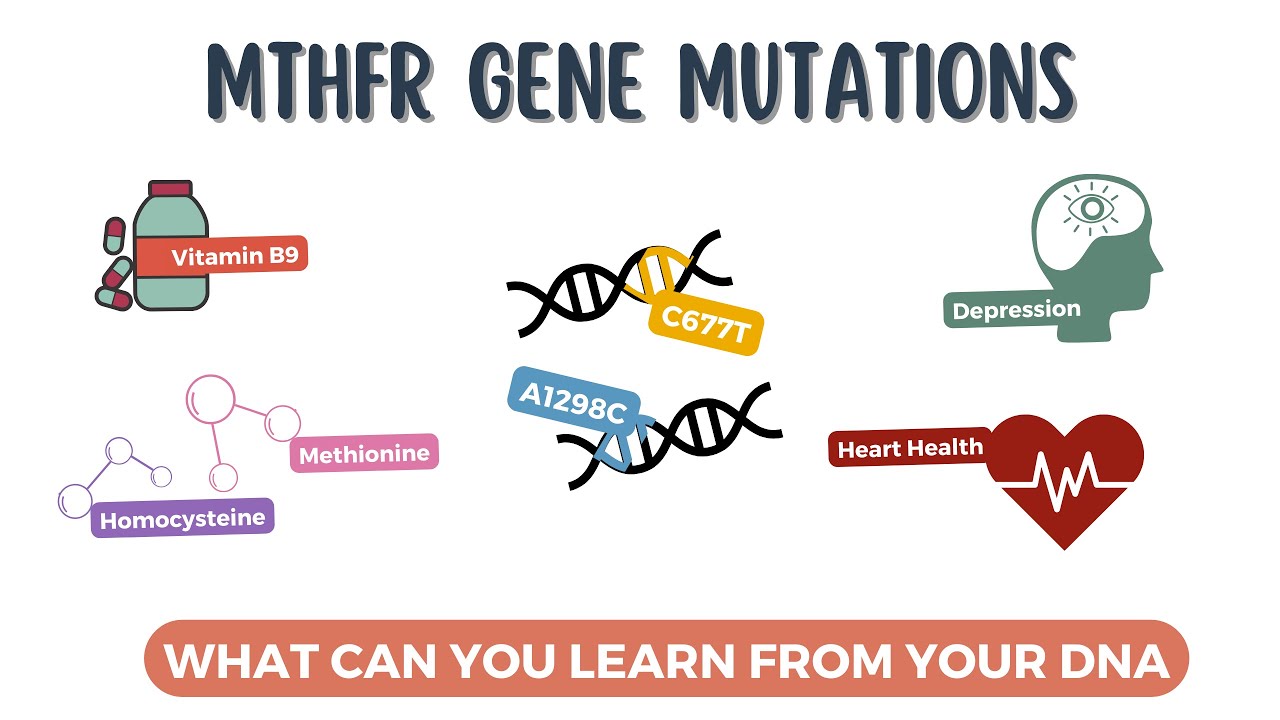
In a study conducted on people with major depressive disorder, people with the T variant with low folate intake were shown to be associated with an increased risk of elevated plasma homocysteine levels. Elevated levels of homocysteine are found to be associated with an increased risk for depression, bipolar disorder, neural tube defects, Alzheimer’s disease, and schizophrenia. Homocysteinemia is also associated with increased oxidative stress and DNA damage, triggering apoptosis and excitotoxicity.
In a meta-analysis, taking into account 50 research studies on the influence of MTHFR gene on neural tube defects, the presence of maternal T variant of the gene was associated with increased risk for neural tube defects among newborns.
People with the T variant of the gene are associated with increased risk for hypertension by 24-87% and CVD by 40%. Intake of sufficient amount of riboflavin lowered blood pressure among people with the T variant of the gene.
In a study conducted on the South Asian population, men with the T variant were significantly associated with male infertility.
In a meta-analysis with nearly 74,000 participants, people with the T variant of the gene were shown to be associated with an increased risk for breast cancer.
People with the T variant of the gene were shown to be associated with higher plasma homocysteine levels with an increased risk for rheumatoid arthritis. A similar study also showed an association between the T variant of the gene and an increased risk for rheumatoid arthritis.
| CHIP Version | MTHFR SNPs |
| 23andMe (Use your 23andme raw data to know your MTHFR Variant) | |
| v1 23andme | Present |
| v2 23andme | Present |
| v3 23andme | Present |
| v4 23andme | Present |
| V5 23andme (current chip) | Present |
| AncestryDNA (Use your ancestry DNA raw data to know your MTHFR Variant) | |
| v1 ancestry DNA | Present |
| V2 ancestry DNA (current chip) | Present |
| Family Tree DNA (Use your FTDNA raw data to know your MTHFR Variant) | |
| OmniExpress microarray chip | Present |
In a study conducted on the Eastern Indian population, people with the T variant of the gene were shown to be associated with vitamin B12 deficiency and hyperactivity and impulsiveness.
People with the T variant of the gene were associated with non-response to methotrexate in the treatment for rheumatoid arthritis.
| Genotype rs1801133 | Phenotype | Recommendation |
| TT | [Limitation] More likely to have lower MTHFR enzyme activity [Limitation] More likely to have hyperhomocysteinemia [Limitation] More likely to deliver babies with Neural tube Defects (Women) [Limitation] More Likely to have higher blood pressure and increased risk for cardiovascular disease [Limitation] More Likely to have rheumatoid arthritis [Limitation] More Likely to have ADHD [Limitation] More likely to be infertile (Male) [Limitation] Less likely to respond to Methotrexate (for treatment of rheumatoid arthritis) | Include at least 400 mcg of folate in the diet every day Folate-rich foods include romano beans, white beans, lentils, asparagus, okra, green leafy vegetables Include sufficient riboflavin in the diet to lower risk for hypertension. Riboflavin-rich foods include Mushroom, spinach, lamb, milk and natural yogurt |
| CT | Moderate level of MTHFR enzyme | Include recommended daily intake (RDI) of folate and riboflavin in the diet. |
| CT | [Advantage] More likely to have higher MTHFR enzyme [Advantage] Less likely to have hyperhomocysteinemia [Advantage] Less likely to deliver babies with Neural tube Defects (Women) [Advantage] Less Likely to have higher blood pressure and increased risk for cardiovascular disease [Advantage] Less Likely to have rheumatoid arthritis [Advantage] Less Likely to have ADHD [Advantage] Less likely to be infertile (Male) [Advantage] More likely to respond to Methotrexate (for treatment of rheumatoid arthritis) | Include recommended daily intake (RDI) of folate and riboflavin in the diet. |
“Nutrigenetics, fitness genetics, health genetics are all nascent but rapidly growing areas within human genetics. The information provided herein is based on preliminary scientific studies and it is to be read and understood in that context.”