Does a tasty plate of Eggs Benedict send you into a sneeze spiral? Do you often find yourself with red and itchy skin? Well, it looks like you are not alone! According to the Asthma and Allergy Foundation of America, more than 50 million Americans experience some type of allergy every year. Hay fever, food allergy, skin allergy are very common in the United States.
People living with allergies are no strangers to 'antihistamines.' What are antihistamines, and how do they help manage your allergies? To understand that, let's first look at histamine. Histamine is generally our body's ally.
A few of the many functions it performs are contraction of smooth muscles, acid secretion in the stomach, stimulation of the brain to keep it active, and lowering our blood pressure.
Histamine is released by the immune cells when you come in contact with possible allergens. This generally protects your body from allergic reactions.
Sometimes, the immune cells release histamine in response to components in the environment or food that are harmless. In other words, the immune system mistakes a non-allergen for an allergen and mounts an allergic reaction.
This overreaction leads to watery eyes, nasal congestion, swelling, itching, vomiting, or diarrhea. In severe cases, your airways may swell, and enough oxygen cannot be supplied to your organs. It can at times even be fatal when it leads to an anaphylactic shock. This needs to be treated with an 'EpiPen' immediately. EpiPen is basically an injection of epinephrine to treat your severe allergic reaction instantly.
Antihistamines are used to treat mild to severe allergy symptoms. They act by blocking the effect of histamine, hence the name ANTIhistamines.
So, why do some people react so badly to the build-up of histamine?
This is all thanks to a condition called HISTAMINE INTOLERANCE. This condition either causes a rapid build-up of histamine in the body and/or results in an inability to break down histamine effectively.
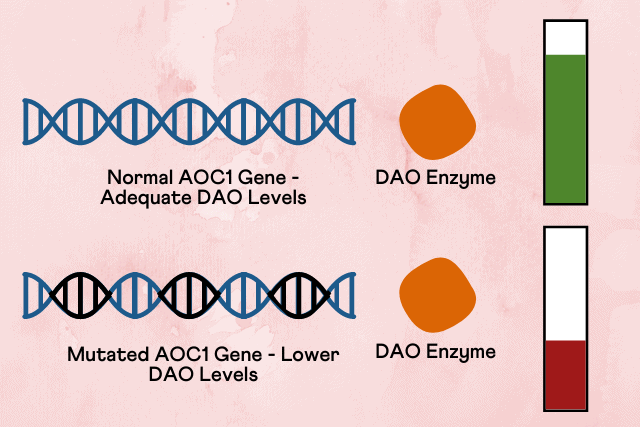
An enzyme called diamine oxidase, DAO for short, is responsible for breaking down histamine. Lower levels of this enzyme result in histamine intolerance. A few factors that influence the DAO enzyme levels include conditions like inflammatory bowel disease, medications that block DAO action, and certain histamine-rich foods that cause DAO dysfunction.
AOC1, or Amine Oxidase Copper Containing 1, is a major genetic contributor to histamine intolerance. This gene is responsible for the production of the DAO enzyme. If you carry a ‘faulty’ version of the AOC1 gene, then less DAO is produced, leaving you highly prone to allergic reactions.
Histamine intolerance can be treated by following a low histamine diet and taking DAO supplements.
A simple genetic test can help identify your risk for histamine intolerance.
It involves analyzing what version or variant of the AOC1 gene you carry.
Most genetic ancestry tests provide your DNA information in the form of a text file called the raw data. This typically looks like a bunch of numbers and letters that can be decoded to obtain useful health information. This is where Xcode Life comes into play.
All you have to do is upload this file and order any of the 13 in-depth health reports. The AOC1 gene for histamine intolerance is analyzed as a part of the Gene Allergy report. It also includes various seasonal and environmental allergies.
| Parameters | LivingDNA | Xcode Life |
| Type of genetic testing | DNA kit and raw data analysis | DNA raw data analysis |
| Ancestry reports | Offered | Not offered |
| Health reports | Not offered | Offered |
| Pharmacogenomic reports | Not offered | Offered |
| Raw data upload | AncestryDNA, 23andMe, MyHeritage, FTDNA, Illumina, Gene by Gene, and National Geographic. | DNA raw data from all major providers accepted. Comprehensive list |
| Number of reports | 3 | 10 |
| Price | Only ancestry $99 Ancestry + Nutrition and Fitness $179 | Reports: $30-$50 Bundles: $160-$199 (up to 10 health and wellness reports) Price details |
| Sample reports | Not available | Available as detailed report walkthrough videos |
Living DNA, a UK- based genetic company, was founded by husband-wife duo David Nicholson and Hannah Morden in 2002. The company initiated the One Family World Project in 2017, aimed at eliminating racism with a global family tree. The company offers ancestry and wellbeing reports and strives to be the first to map and describe a global family tree.
Living DNA offers a range of genetic testing products:
This kit provides insights into fitness and nutrient traits. In addition, users will receive personalized diet and fitness recommendations based on their genetic results. This kit covers the following categories:
Source: LivingDNA website
This kit provides information on deep ethnic ancestry. It offers access to ancestry reports across 150 regions & sub-regions, including a global family ancestry report going back to around 500 years. This kit covers the following categories:
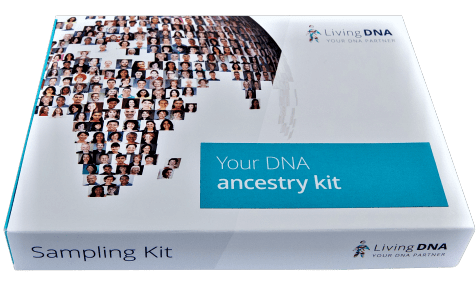
Source: Living DNA website
This kit is a package of both an ancestry test and a wellbeing test.
Apart from this, Living DNA offers a free 7-day email course. This course will help you understand the relevance of DNA and the DNA testing process.
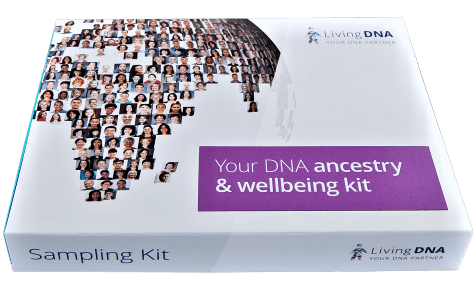
Source: LivingDNA website
Living DNA ships their autosomal DNA testing kits all over the world. You can order the kit online. The DNA kit is a cheek swab kit.
Once you register with LivingDNA, you'll be provided with the following options:
This option requires you to fill in some personal details before uploading your DNA file. Living DNA accepts DNA files from 23andMe, AncestryDNA, Illumina, Gene by Gene, FamilyTreeDNA, and MyHeritage.
You can check out our DNA raw data download guides here:
How To Download Your Raw Data From FTDNA
How To Download Your Raw Data From AncestryDNA
How To Download Your Raw Data From 23andMe
How To Download Raw Data From MyHeritage DNA
Choosing this option allows you to enter an activation code provided with your DNA testing kit.
If you do not already have a DNA file, the company offers DNA testing services by purchasing a swab kit.
Living DNA also allows users to opt for the Family Network feature, which is a free service that matches users to relatives around the globe. One can opt into or out of this feature at any time through the Relatives tab on the profile.
Source: LivingDNA website
Once these steps are complete, your kit is active for use, and you can access Living DNA's services.
The dashboard containing profile information allows users to navigate through the following:
Living DNA takes around 72 hours to process DNA uploads and up to 8 weeks to send the DNA samples to the lab for testing. Users will be notified via email when the results are ready.
Living DNA offers detailed ancestry reports, covering an ancestral range from 80,000 years ago until recent times.
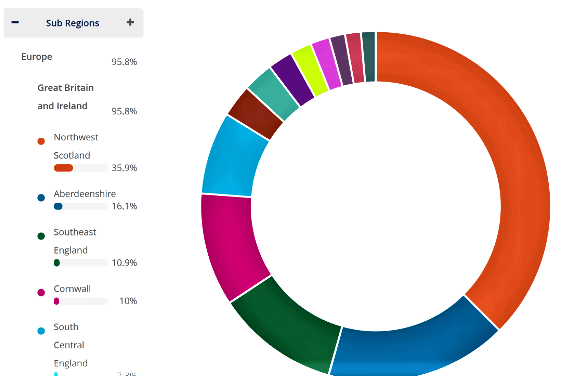
Image: Subregions
This report enables users to make better lifestyle choices to optimize their wellbeing and improve their quality of life with dietary and exercise changes based on their genetic makeup.
The Wellbeing Report focuses on the following:
Users will learn how their body responds to and metabolizes different vitamins
The report includes personalized nutritional dietary recommendations
The report suggests the best type of exercise for the user based on their genetic makeup
Users will receive insights into how their body processes different foods
The report provides personalized fitness routines and advice based on your genetic profile and lifestyle
Users will receive recommendations for the best way to relax and recover after a workout.
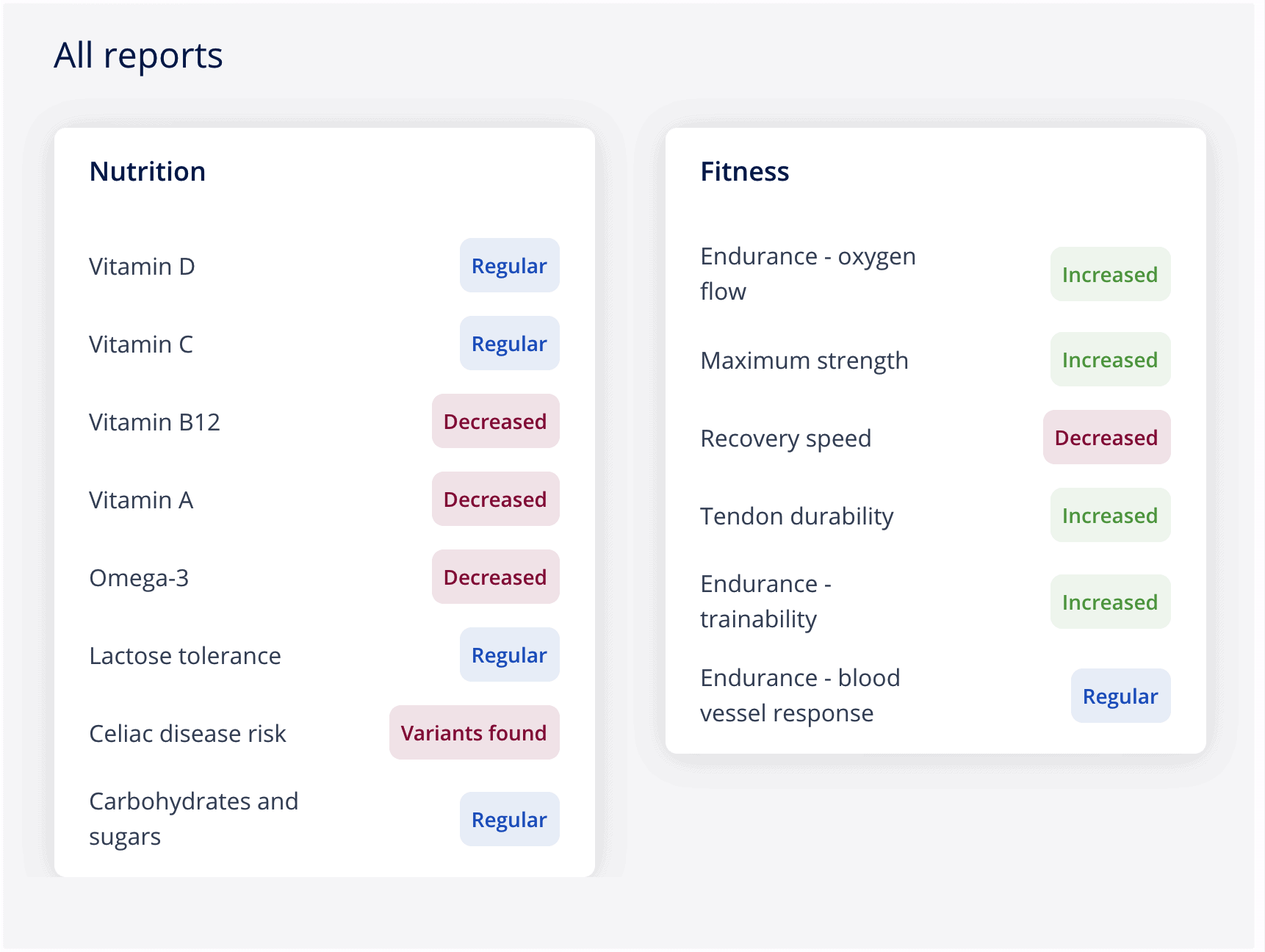
Image: Wellbeing report overview
Living DNA price points range from $99 to $199, exclusive of shipping. The shipping charges are between $49 and $99 within the US based on the region.
The costs of purchasing kits on Living DNA are as follows:
Living DNA claims that they are committed to user privacy and handle your data with integrity.
The company only collects and stores user information to improve the quality of its services. Personal information includes name, email, card details, and user activity.
Genetic information is stored separately from personal details. Confidentiality is maintained by labeling DNA samples with random barcodes, identifiable only to help with customer queries.
The company takes measures to ensure user security. It stores DNA samples securely and also gives users the option to delete their data at any point.
Living DNA does not sell user data to any third parties. Users can consent to research and opt-out of it at any time. However, we use aggregated data to improve the quality of our systems.
For further information, read the Living DNA privacy policy.
Living DNA co-founders Hannah and David opened the RootsTech 2018 conference with a presentation as platinum sponsors.
Living DNA launched affordable genealogy and wellbeing DNA kits at the lowest retail price point.
Living DNA made an impressive entry into the DNA testing kit market and a solid choice as a 3-in-1 DNA testing kit.
Living DNA reviews by TechRadar states that the kits are expensive and ancestry results are vague.
Trustpilot reviews on Living DNA show that 30% of 171 customers voted it to be excellent while 44% voted it bad.
You can find few Living DNA reviews on Reddit
SelfDecode was founded in 2014 by Joe Cohen with its headquarters at Newport Beach, California, US. The company offers personalized DNA testing and provides health and wellness reports by analyzing your genetic data.
Selfdecode also has some tools to analyze your genome and a personalized genetics blog that helps you understand your DNA results.
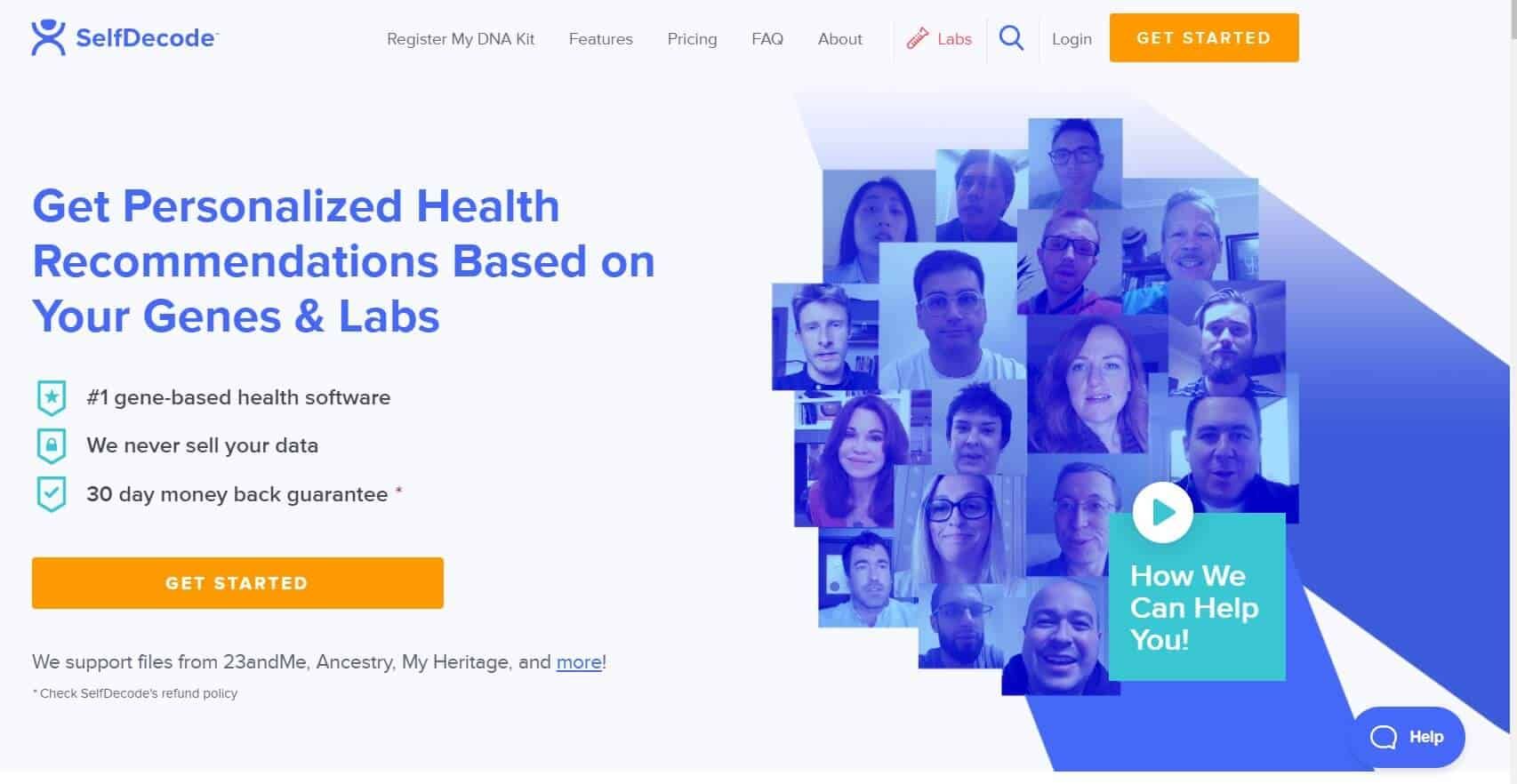
The company's most attractive offering would be its DNA Wellness Reports. These reports:
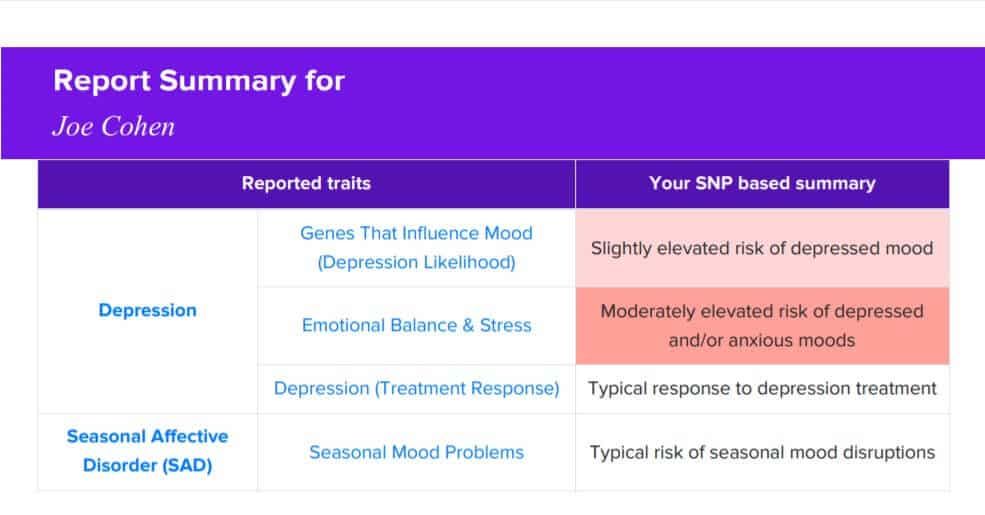
The wellness package includes the following reports:
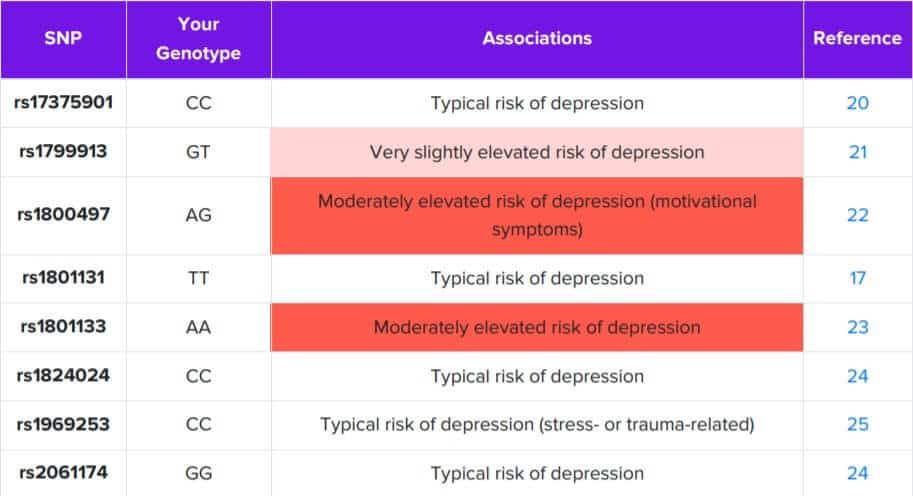
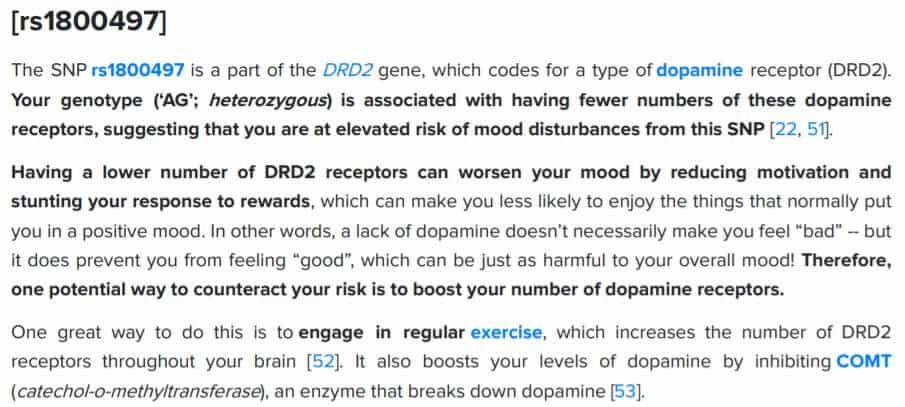
Source: https://s3.us-east-2.amazonaws.com/sd-genereports-launchjul2018/Sample+report.pdf
SelfDecode has a Personalized Genetics Blog, which the company claims to be the first and only one of its kind. The features that make this service unique are:
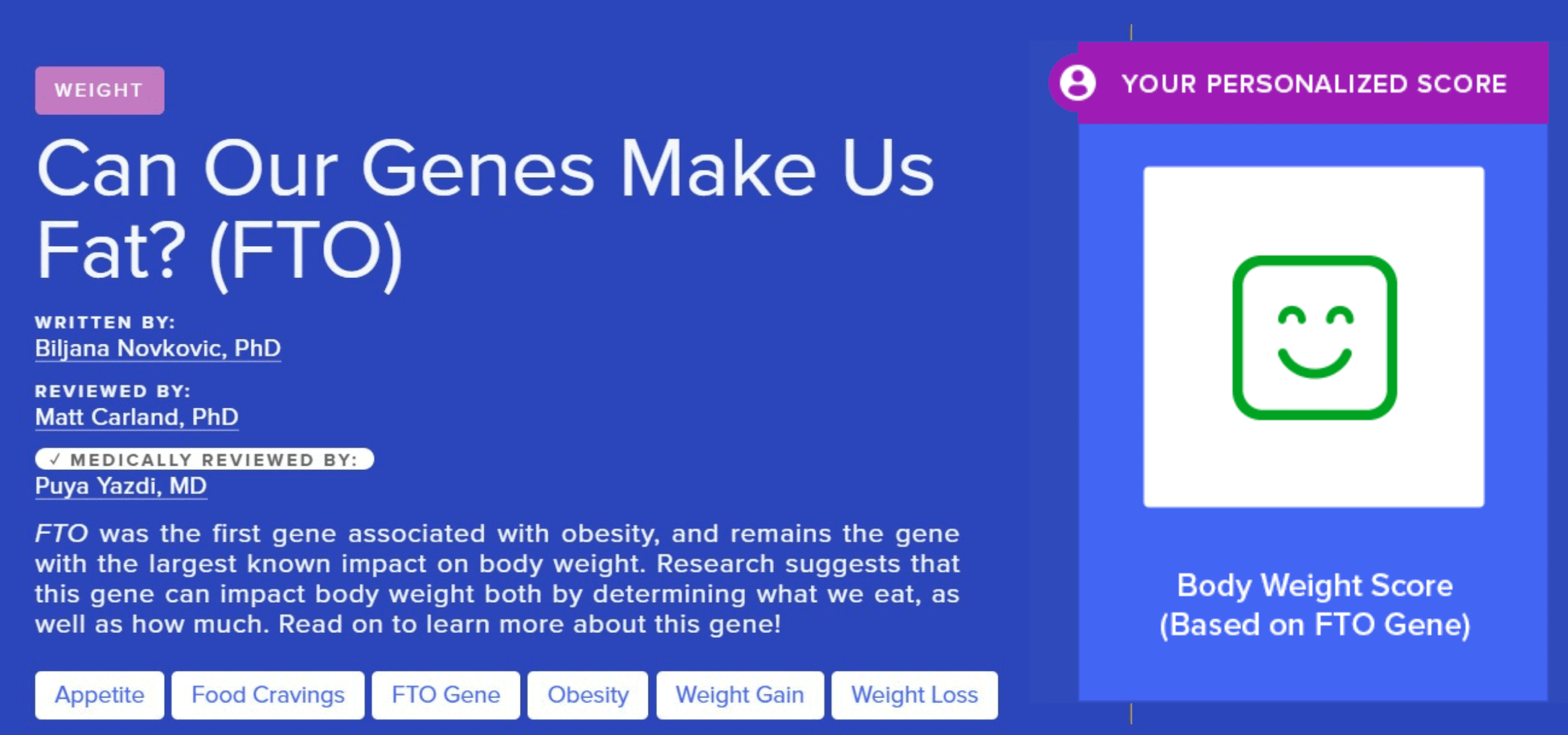
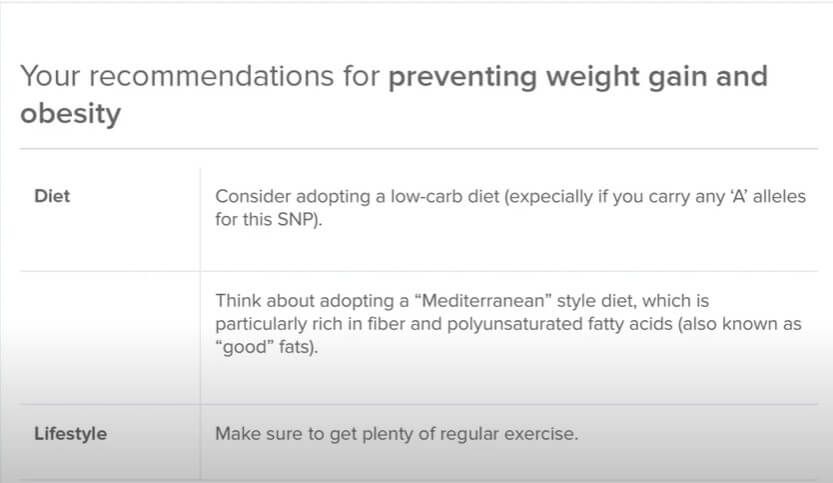
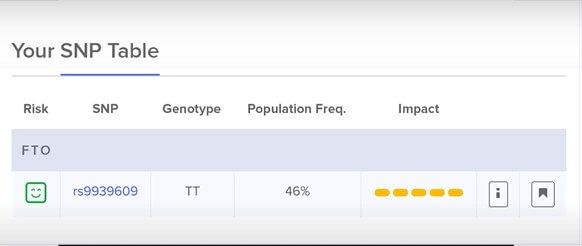
For more information, consumers can watch the SelfDecode Blog walkthrough video.
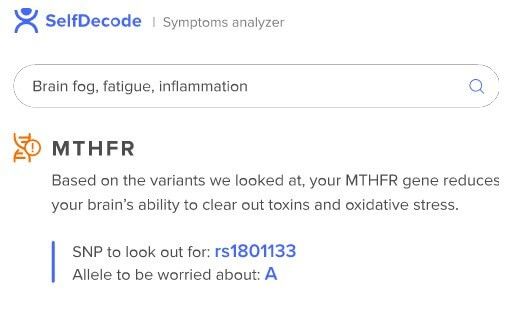
SelfDecode offers the Symptoms and Conditions Analyzer tool where the consumer can search for anything - any symptoms or conditions.
For example, upon searching for symptoms like brain fog and fatigue, the search results will find the consumer's risk variants from their DNA data and outline the gene influencing these symptoms.
However, this tool isn't available for free.
Check out Xcode Life's FREE Gene Tool To Explore Your DNA Raw data for various genes, conditions, SNPs, and symptoms!
SelfDecode's Lab Test Analyzer Tool is an independent subsidiary that consumers can access with or without using SelfDecode's genetic services. Consumers can sign up for Lab Test Analyzer to avail its facilities. Signup in either SelfDecode or Lab Test Analyzer lets the consumer use the other service free of cost.
The Lab Test Analyzer unlocks and reveals critical information by analyzing lab test results:
The tool analyzes over 500+ lab markers, with more being added regularly.
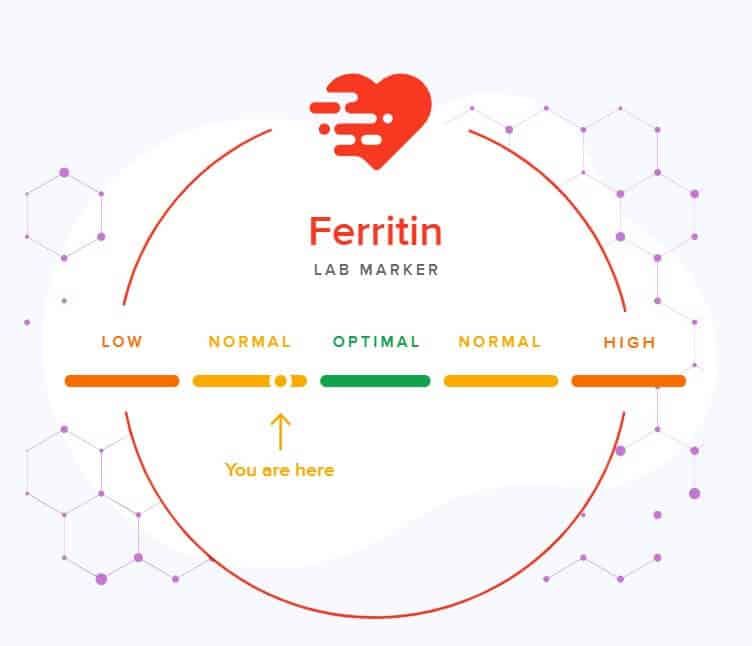
The tool also analyzed Health Goals information hidden in the lab results:
Lab Analyzer Pricing
| Plan | Pricing |
| Annual | $97 |
| Lifetime | $297 |
| Professional | Yearly - $599Monthly - $199 |
SelfDecode ships its DNA test kits worldwide.
Consumers can order the test kit online. The DNA test sample is a simple cheek swab.
SelfDecode has no provision for free signups and free reports.
Consumers have to sign up for one of the plans offered by the company. Upon successful payment and eventual signup, consumers will be given two options:
This requires the consumer to provide some personal information before uploading DNA raw data.
SelfDecode accepts raw DNA data files from 23andMe, Ancestry, Courtagen, FamilyTreeDNA, MyHeritage, Atlas, MapMyGenome, Diagnomics, DNALand, and LivingDNA (among others). They also support whole-genome sequenced files from Dante labs.
| You can check out our DNA raw data download guides here:How To Download Your Raw Data From FTDNAHow To Download Your Raw Data From AncestryDNAHow To Download Your Raw Data From 23andMeHow To Download Raw Data From MyHeritage DNA |
Registering the DNA test kit
This requires the user to enter the barcode on the kit, name, ethnicity, sex, and birth year to successfully register your kit.
Once successfully registered, your DNA test kit is ready to use, and you can avail of the company's services.
Test results usually take six to eight weeks, by which time you can log in and access your results. Further, you can also access SelfDecode Insights and DNA Wellness Reports depending on your plan type.
The SelfDecode DNA test kit comes for $90.
For mere signup, the company requires the user to get a subscription:
Annual subscription plan - $194 excl. DNA test kit price
This plan only includes five premium DNA Wellness reports/year, whereas an additional charge at a 50% discount is applicable to access other reports.
The plan comes with a provision to cancel anytime.
Lifetime Access Plan - $599 excl. DNA test kit price
This plan includes access to all current and future DNA Wellness Reports.
SelfDecode offers exclusive services and plans if the user is a professional.
According to SelfDecode’s website, the Pro membership gives practitioners:
SelfDecode claims to be committed to its service to the community and complies with its Terms of Service.
SelfDecode collects personal information such as name, address, email address, phone number, and credit card or payment information upon account creation. Additionally, the company also asks for the demographic data of the user.
SelfDecode uses the information it collects to improve its services and develop better and new services.
SelfDecodes's Platform Consent lists terms of consumer consent which the company uses to store the genetic information uploaded and provide SelfDecode Insights.
Upon account closure, SelfDecode retains some account information on purchases and keeps backup and archival copies of information files following state or legal obligations or regulatory requirements.
For more information, please read SelfDecode's privacy policy.
Trustpilot reviews on SelfDecode show that 85% of 160 customers voted it excellent while 5% voted it bad. SelfDecode has a 4.5-star rating on Trustpilot.
On dnatestingchoice, SelfDecode was ranked 13th out of 109 companies in the Health Testing sector.
| Parameter | SelfDecode | Xcode Life |
| Type of genetic testing | DNA kit and raw data analysis | DNA raw data analysis |
| Health reports | Offered | Offered |
| Pharmacogenomic reports | Not offered | Offered |
| Raw data upload | 23andMe, Ancestry, Courtagen, FamilyTreeDNA, MyHeritage, Atlas, MapMyGenome, Diagnomics, DNALand, and LivingDNA | DNA raw data from all major providers accepted. Comprehensive list |
| Number of traits | 33 | 3000+ |
| Price | With DNA kits: $284 - $689 | Reports: $30-$50Bundles: $160-$199 Price details |
| Sample reports | Not available | Available as detailed report walkthrough videos |

What is it about sugary foods that just make our mouths water? There's actually a scientific explanation for this salivation! The term 'sugar' refers to a class of carbohydrate molecules that include glucose, fructose, sucrose, maltose, lactose, dextrose, and starch.
So, how does your brain react to these sugar molecules? As soon as the sugar hits the tongue, it activates the sweet receptors. They, in turn, send a signal to the specific region of the cerebral cortex in the brain. The signal activates the reward system in the brain, which is a series of chemical reactions. This “reward” is communicated through the release of dopamine, which is popularly known as the “happy hormone.”
Incidentally, food-reward is a common form of animal training routines. An animal is rewarded with a treat when it performs certain actions, and animal trainers routinely use this programming of food-reward in zoos and entertainment venues and other animal training facilities. Basically, when you feel this sense of reward, your brain motivates you to "do it again"!
Interestingly, food is not the only thing that activates this reward system. Drugs, sexual behavior, and socializing have all been studied to stimulate this sense of reward.
While the reward system induces pleasurable feelings, overactivation of this system is really not good for the body! Overconsumption of drugs can send our body into dopamine overdrive, which leads to the sense of 'feeling high.'
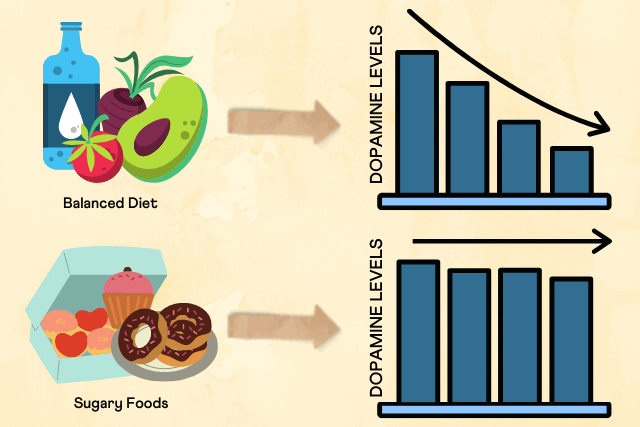
Non-sugary foods, like your veggies, have no effect on dopamine. Thus, when you eat a balanced meal every day, your dopamine levels begin to level out. This will make you want to include more varieties of foods in your diet. How does this happen?
Our brains are tuned to be attentive to different kinds of tastes for two reasons - to be able to detect spoilt food and to seek out different nutrients our body needs for healthy functioning.
With sugar-rich foods, the dopamine levels never level out, and as a result, we do not tend to seek new foods. This can put you at risk for health conditions like diabetes and obesity, and various nutritional deficiencies.
Your preference for sweet foods is influenced by the sweet taste receptors in your tongue. Their expression, in turn, is influenced by the TAS1R2 and TAS1R3 genes. If you have a higher expression of the sweet taste receptors, you are likely to be more sensitive to the sweet taste and hence consume less sweet foods.
You can identify your tendency to prefer a specific taste by studying your genetic makeup. All you need is your genetic ancestry test raw data to get started! You can upload this file and order a nutrition report.
Xcode Life then analyzes your raw data in detail to provide you with comprehensive nutrition analysis, including your genetic preference for various tastes.
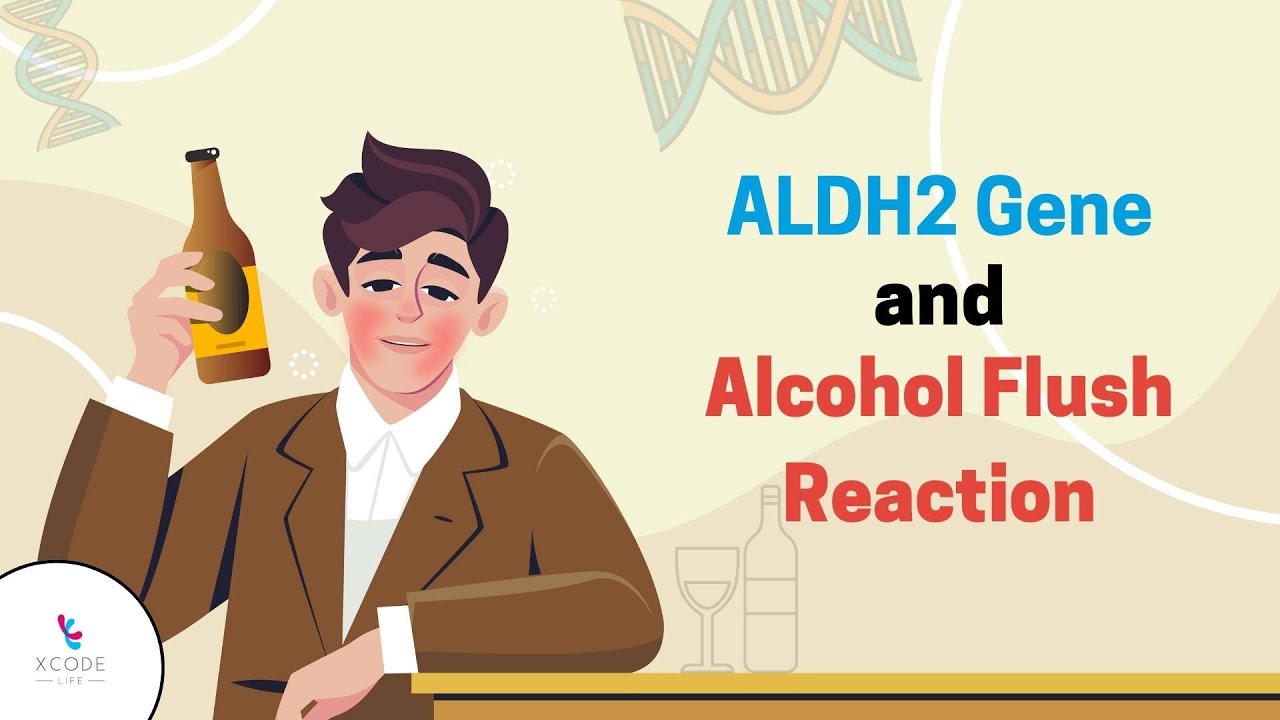
Does your face turn red after a couple of sips of wine? Do you sense facial flushing whenever you go out for drinks? This facial flushing is technically known as the alcohol flush reaction. It is caused by a genetic fault known as ALDH2 deficiency or Aldehyde Dehydrogenase 2 deficiency.
Nearly 36% of the East Asian population has ALDH2 deficiency. Due to its high prevalence among Asians, it is also called the Asian Glow.
What is this deficiency, and what does drinking have to do with it?
It's all linked to how your body processes alcohol. When you drink, most of the alcohol is taken to the liver and converted into acetaldehyde by an enzyme called alcohol dehydrogenase. Acetaldehyde is a dangerous chemical compound, classified as a group 1 carcinogen, or cancer-causing substance, by the WHO. A build-up of acetaldehyde takes a bad toll on the body.
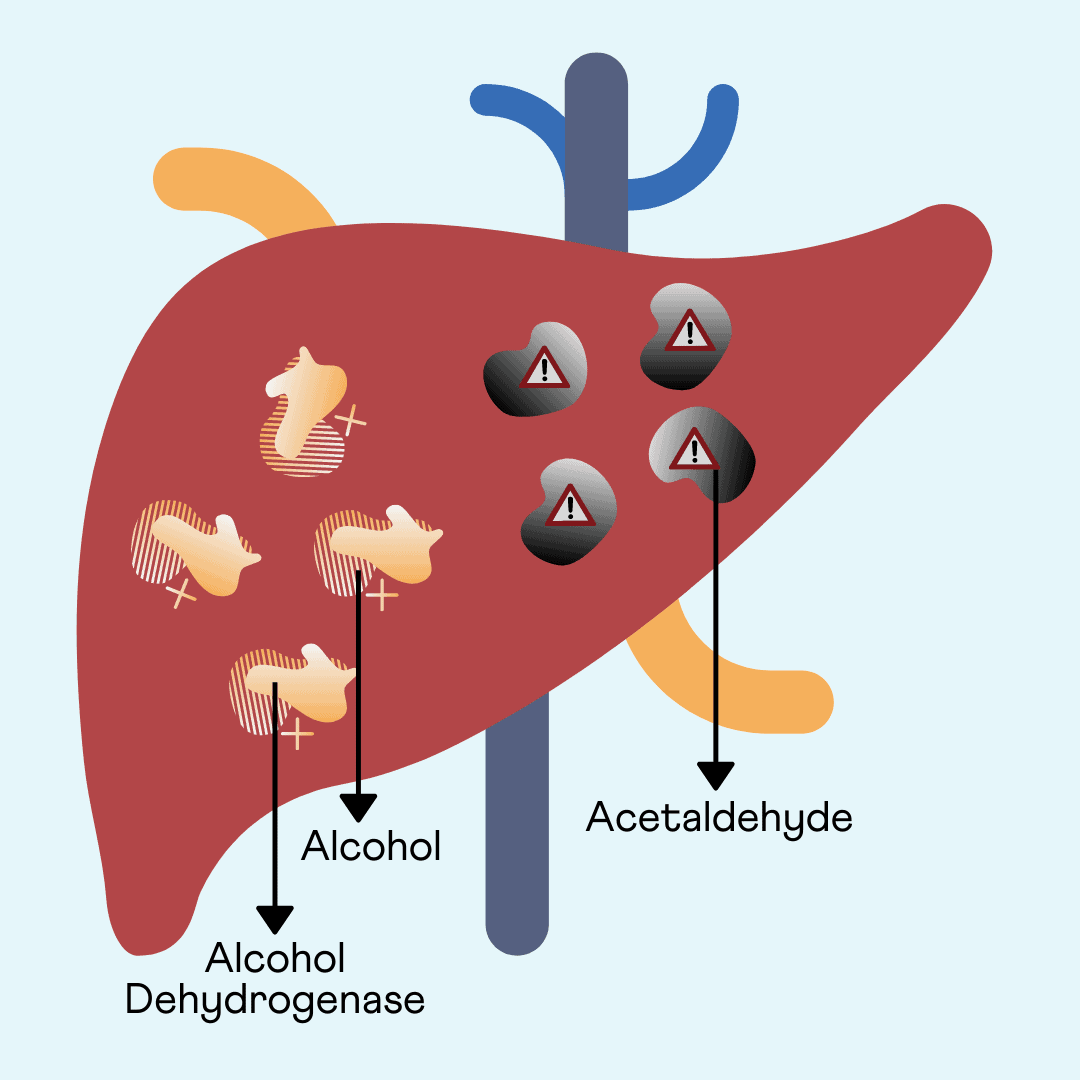
But, don't worry, our body has a way to fight this. The savior is the ALDH2 enzyme, which converts the harmful acetaldehyde to acetic acid. Acetic acid is not harmful to the cells. But this defense mechanism doesn't guarantee a free pass to drink all you want. If you're ALDH2 deficient, the conversion of acetaldehyde to acetic acid happens at an extremely slow pace. This may result in a rapid build-up of acetaldehyde in the body. Other than a dreadful hangover, this can also cause flushing, headaches, vomiting, and heart palpitations.

The major concern is the increase in the risk of esophageal and head and neck cancer due to acetaldehyde accumulation. According to a study, if an ALDH2 deficient person drinks less than two cans of beer every day, the risk of esophageal cancer is 40 times higher than a normal person. If the same person drinks more than two cans a day, the risk increases by 400 times. When combined with smoking, the risk further increases. The acetaldehyde produced by burning tobacco is seven times more than the amount from drinking.
You can find out all by yourself. All you need is a band-aid and some strong alcohol or liquor.
This is obviously not a 100% accurate diagnosis.
If you are looking for a diagnosis, a genetic test would be the way to go!
Genetic tests can help find out if you carry faulty genes that may increase your risk for alcohol flush. Most genetic tests provide your DNA information in the form of a text file called the raw DNA data. This data may seem like Greek and Latin to you.
We can help you out at Xcode Life and interpret all this information for you. All you have to do is upload your raw data and order a nutrition report. Xcode Life then analyzes your raw data in detail to provide you with comprehensive nutrition analysis, including details on Alcohol Flush Reaction!
The common ingredient in your tea, coffee, and energy drinks, caffeine, is the strongest psychoactive drug in the world. It is not a secret that caffeine helps you stay awake. But, how does it manage to do that?
Let's first look at how your brain puts you to sleep.
Adenosine triphosphate, or ATP, is the energy currency of your body. ATP is broken down into a molecule called adenosine in the brain. Adenosine moves around the neurons keeping up your energy levels throughout the day.
As the day progresses, some of these adenosine molecules exit the neurons and bind to the receptors. This causes sleepiness. There are two adenosine receptors, A1 and A2A. A1 receptors are found on neurons that keep the brain awake, and A2A receptors are found on neurons that initiate sleep.
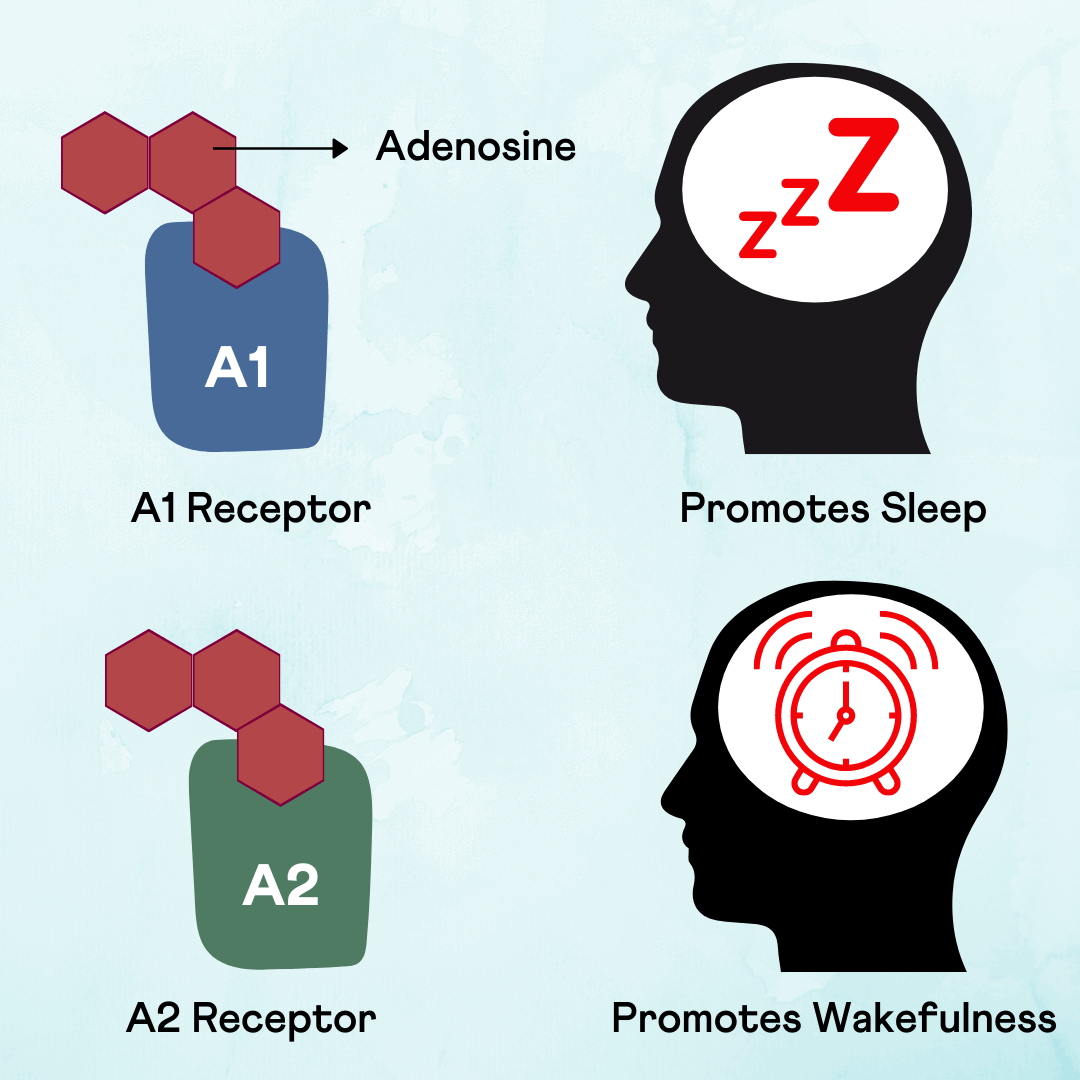
When adenosine binds to the A1 receptor, it reduces the activity of the neurons. When it binds to the A2A receptors, it increases the activity of the receptor. The combination of this binding, along with a few other hormonal changes, makes you sleepy. When you sleep, the adenosine is slowly released from the receptors, and when there isn't enough left to bind to the receptors, you wake up from a refreshed night of sleep.
Caffeine and adenosine are similar in structure. So, the caffeine can mimic the adenosine molecules and bind to the A1 and A2A receptors. However, caffeine's structure isn't identical to adenosine. As a result, it doesn't produce the "sleepy" effect.
Instead, it wards off sleepiness by preventing the adenosine molecules from binding and initiating the sleep process.
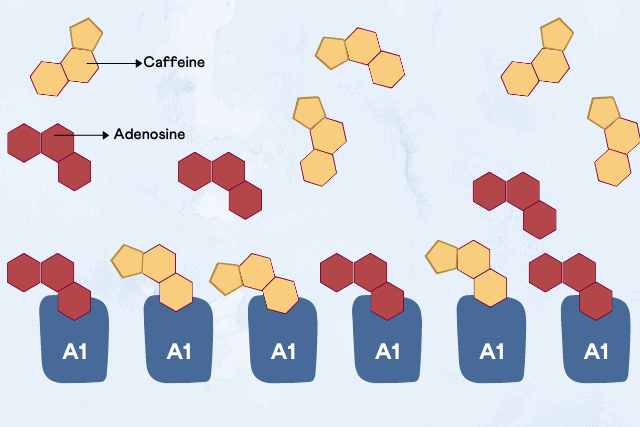
But this effect lasts for only two to four hours, depending on how fast your body can break down the caffeine. This largely depends on your genes. When your body starts getting used to the caffeine intake, it produces more adenosine receptors to counteract the effect of caffeine. You may have to end up consuming more caffeine to stay awake!
Increased caffeine consumption leads to increased production of the receptor, which again results in increased caffeine consumption. It is a pretty vicious cycle that can make you a chronic caffeine drinker! As a result, you eventually develop caffeine tolerance. When you abruptly bid farewell to caffeine, you may end up feeling way too drowsy because of the additional adenosine receptors in the brain. This is called caffeine withdrawal.
Caffeine withdrawal is characterized by other symptoms like:
They can last up to a week till the number of receptors goes back to normal. Caffeine isn't as addicting or life-threatening compared to drugs like cocaine. People tend to have a mild physical dependence on this drug. People cannot overdose on caffeine easily. An average adult would have to have about 100 cups of coffee, which amounts to 10 grams of caffeine, to experience any lethal effects of caffeine.
The adenosine receptors are also found in the heart and kidneys. Activation of the receptors decreases the activity of these organs as well. Reduced urine output and heart rate prepare the body for a good night's sleep. However, when caffeine goes and binds instead, it results in increased heart rate and urine production. This is manifested as caffeine jitters and dehydration.
Caffeine isn't very dangerous; however, children should avoid it. Scientists haven't understood the effect of caffeine on a developing brain yet. It is also unhealthy for an adult to be consuming too much caffeine. Sleep and rest are essential for healthy brain function and well-being.
The genes that metabolize caffeine can say a lot about how much caffeine is "healthy" for you. A genetic test can help identify your caffeine metabolizing status.
Xcode Life's Gene Sleep report profiles genes that influence sleep upon caffeine consumption. All you need is your genetic ancestry test raw data to get started!