Fitness refers to the state of being physically fit and healthy.
It is also a broader term which encompasses the state of optimal health and well-being, not only w.r.t physical health but emotional and mental health as well.
It is the act of healthy living and the ability to perform daily chores, occupations, sports, etc.
The fundamentals of fitness are smart eating and active living.
It increases the ability of your lungs and heart to provide the required amount of oxygen and fuel your body throughout sustained workloads. E.g., jogging, swimming, cycling
It is the ability to move all your joints to the maximum range of motion. E.g., stretching individual muscles and performing lunges.
It increases the ability of your muscles to perform continuously without fatigue. E.g.: Cycling, Step machines, and elliptical machines.
It builds more strength by improving the contractibility of muscles through the usage of resistance. E.g., bench press, leg press, and bicep curls.
It is the proportion of fat and fat-free mass in your body. This is measured by underwater weighing, skinfold readings, and bioelectrical impedance. This kind of fitness includes exercises that help you reduce the fat masses including burpees, push-ups, interval training, weighted squat jump, etc.
Little steps like doing some sit-ups during a commercial break, walking to nearby stores instead of driving, taking the stairs instead of the elevator, etc. can help your body be on the move
A personal trainer can suggest an optimal workout for you and ensure that you stick to your regimen. Your trainer can also help you come up with an optimal diet that can aid weight loss
Recommended article for you: Genetic Facts About Sports, Fitness and Athletic Performance
Being fit can do you all sorts of wonders, from giving you a mental boost to improving your sex life.
The US Department of Health & Human Services recommends a minimum of 150 minutes per week of moderate aerobic activity or 75 minutes weekly of vigorous activity.
Taking part in physical activities regularly can help you fall asleep faster and also can improve the quality of your sleep.
Regular exercising lowers the incidence of cancers. (Colon, Prostate, Uterus & breast)
Workouts have been proven to reduce your stress levels and thereby subside your blood pressure and prevent heart disease risks.
Exercising regularly boosts your energy levels and keeps you energetic throughout the day.
While most people set a single or a narrow spectrum of fitness goal(s) like building more muscles or improving physical appearances, general fitness heads toward broad goals of overall health and well-being.
Appearance markers of good health such as muscle tone, healthy skin, hair, nails, heart, and other organs are improved by general fitness. It also prevents/delays age-related health deteriorations.
You need sheer dedication, will power and hard work to stay fit.
Once you get rid of those extra few pounds via good diet and physical activities, the fear of regaining them will help you stay on track,
Flexibility is a concept that people tend to overlook when it comes to exercises. Flexibility training improves quality of life and also aids your balance training
Doing physical activities for extended periods of time can build up your endurance. E.g., Walking as far as you can for several times daily and slowly increasing the distance over time.
Different kinds of exercises target different areas in the body, but for the most part, compound exercises serve you the best.
Compound exercises combine different workouts, making sure that predominant of your body muscles are being toned.
Some compound exercises include squats, clean & press, and deadlift activities.
Strenuous activities like running, biking and other cardio workouts fall under aerobic exercises. Such workouts get your heart rate up and make you breathe harder
They help combat health conditions like hypertension, type 2 diabetes, and cardiovascular diseases.
Strength exercises aid weight loss by burning calories from lean muscles by using your body's resistance
Focusing on your body's center of gravity, balance exercises help stabilize your body's position and enables to improve your posture
Flexibility exercises help increase the range of motion of your muscles, thereby decreasing the risk of muscle strain and injury during strenuous physical activities
All these four types of exercises in combination, complement each other and are enormously beneficiary to your health.
About three to five workouts per week can produce good results.
It is important to take a few rest days between workout sessions.
An equal number of days should be assigned to cardio workouts and strength exercises.
Genetic tests help identify the type of diet you can follow to lose weight.
Based on your genetic variations, they can tell you whether a low-carbohydrate diet or a low-fat diet can help you shed those pounds.
Genetic testing may be particularly useful for people with undiagnosed rare genetic conditions that hinder the absorption on particular nutrients.
Carb-sensitive individuals can benefit from a low-carb diet and fat-sensitive ones from a low-fat diet.
Studying how one’s nutrition and genetics interact is an exciting field which is still under exploration.
Although understanding the genes that are responsible for obesity can be useful, an aggressive public health approach is essential for weight loss.
There are a variety of DNA tests that can predict your perfect diet and workout regimen based on your genes.
Such Lifestyle DNA tests can not only predict your risk of developing diseases but also provide you clues pertaining to your nutrition, fitness, sleep or even the wine you might prefer!
These tests can reveal how your genetics respond to exercises and also provide a genetically-guided training regimen and a weight-loss plan designed exclusively for you.
These tests cost between $25 to around $200 depending on the type of tests, and they identify genetic markers linked to specific traits.
Based on your genetics, there might be a slightly better chance of shedding weight if you follow a particular type of diet and perform a specific kind of exercises.
However, it is necessary to understand that a person’s weight loss plans and fitness regimens to work efficiently also depends on other non-genetic factors and environmental factors.
The DNA diet plan investigates your results from tests (from either 23andMe or AncestryDNA) that provide in-depth genetic profiles and then advise you about how to lose weight.
The program takes into account more than 100 aspects of your DNA and then shortlists about 20 dieting tips suitable for you.
You get customized meal plans, grocery lists, recipes, and workout regimens as well.
There are also smartphone apps that feature tools that help you to scan the barcode of a food product in a grocery store and find out if your diet plan approves it or not.
The results also identify the risk of obesity based on your genetics.
The plan considers genes related to safe alcohol consumption.
It is based on previously published studies that have associated generics to nutrition.
Although these plans make it easier to find out what to eat or buy, it is recommended that you consult an expert nutritionist before making any radical nutrition changes.
Yoga can work your entire body, help burn fat as well as tone your muscles.
Including yoga poses in your fitness regimen can aid in overall improvements in both fitness and strength.
Yoga is known for both its mental and physical health benefits and does more than just burning calories.
Yoga is an overall body-mind workout which combines strengthening and stretching poses along with deep breathing and meditation/relaxation.
There are more than a hundred different forms of yoga; some are fast-paced & intense while others are gentle and relaxing.
The intensity levels of yoga asanas vary with its type.
Xcode Life’s Fitness Report provides information on endurance, aerobic capacity, heart capacity, ligament strength, and more than 15 such traits.
Nutrition can be defined as the process of providing or supplying the food required for health and growth.
It is also the branch of science and human medicine which deals with the practice of consuming and utilizing foods.
Moreover, a nutritious diet helps to strengthen the body's immunity.
The three main types of heterotrophic nutrition are:
There are seven essential macronutrients and micronutrients that our body requires every day, that include:
Handpicked article for you: 15 Amazing Facts on How Genes Affect Your Diet & Nutrition
Nutrition is vital for an individual's health and can make you maintain a healthy weight and reduce your risks of chronic health conditions.
It is estimated that about one-third of adults in the U.S are obese and approximately 17% of children and adolescents are obese.
Even for individuals of healthy weight, a poor diet can lead to health risks such as hypertension, heart diseases, diabetes, osteoporosis, cancer, etc.
Healthy eating will help you to get the required body nutrients.
Good nutrition: the key to good mental and physical health is consuming a balanced diet; eating the right food at the right time.
You have to eat a combination of foods from different food groups to meet your constitutional requirements every day.
A healthy diet consists of foods from each group taken in a recommended amount, with foods low in sugars and fat and low in sodium.
The basic principles of nutrition are:
The nutritional requirement for an average human being includes the following:
The benefits of good nutrition include the following:
Poor nutrition can affect an individual's natural health and wellbeing.
It can impair an individual's ability to lead an active and enjoyable life.
Precisely, improper nutrition can lead to stress, make you tired and reduce your capacity for chores and over time, it can lead to increased risk of diseases and health conditions like:
Handpicked article for you: Worrier Or Warrior? Analyze Your DNA Raw Data For COMT – The Warrior Gene
Needless to say, the brain is an essential body organ, and its primary function is to instruct other organs to perform each of their tasks.
Hence it is essential to keep the brain working in its optimal condition by consuming a healthy diet.
Certain foods can affect your brain and impact your memory, mood and increase your risk for certain conditions.
This can be easily prevented by avoiding those negative-impacting foods from your diet.
Recommended article: Why most things you know about nutrition and weight loss are plain wrong!
The signs that your body is getting adequate nutrition include:
A healthy diet includes the following:
Children (2-8 yrs old) 1400-2000 calories per day; Adolescent girls & women- 2200 calories per day; Adolescent boys & men- about 3000 calories per day
Here is a list of vitamins that your body require:
There are nine water-soluble vitamins and four fat-soluble vitamins, that includes:
It is mportant for cellular growth & development.
Sources: Dairy products, Fish, egg yolk, etc.
Essential for maintaining a healthy metabolism.
Sources: Cereals, grains, seeds, nuts, legumes, pork, etc.
It is an essential element for energy metabolism, adrenal function, proper vision, and healthy skin.
Sources: Dairy products, cereals, grains, lean meat, poultry, etc.
It is mportant for healthy growth and energy metabolism.
Sources: Seafood, milk, eggs, legumes, poultry, etc.
It Serves various bodily functions, fat metabolism and normalizes blood sugar.
Sources: Broccoli, avocado, eggs, milk, poultry, legumes, lentils, etc
It aids in the production of happy hormones- serotonin, dopamine, and melatonin.
Sources: Nuts, meat, Banana, poultry, Avocado, legumes, whole grains, etc.
It is essential for a healthy metabolism.
Sources: Whole grains, nuts, yeast, soybeans, egg yolks, etc.
It is required for the synthesis of DNA, RNA, RBCs and is very important for pregnant women since it helps prevent birth defects.
Sources: Liver, yeast, green leafy vegetables, avocados, legumes, asparagus, etc.
It is essential for the production of myelin for nerve fibers, DNA, RNA, and RBCs.
Sources: All animal products.
It helps to strengthen your blood vessel walls, promotes wound healing, iron absorption, prevents atherosclerosis, aids immunity and acts as an antioxidant.
Sources: Citrus fruits, melons, berries, peppers, broccoli, potatoes, etc.
The sunshine vitamin helps calcium absorption, maintains and builds healthy teeth and bones.
Sources: Milk, Butter, egg yolks, fatty fish, etc.
It guards fatty acids maintain RBCs and muscles and is an important antioxidant.
Sources: Eggs, margarine, mayonnaise, nuts, seeds, cereals, etc.
It helps in blood clotting.
Sources: Spinach, broccoli, green leafy vegetables, Cabbage, Cauliflower, cereals, fish, liver, beef, eggs, etc.
Per FSC (Australia New Zealand Food Standards Code), the ideal diet for an average adult includes:
Note: This is just a guide, but an individual’s intake may vary depending on their lifestyle and energy needs.
A food that has the right amount of proteins, essential fats, carbohydrates, vitamins, and minerals is called complete food.
Restricting yourself to one meal per day may have long-term adverse effects.
Some of the signs of nutritional deficiencies have been listed below:
Processed foods are harmful as they contribute majorly to obesity and health conditions globally.
Here are some reasons to justify this:
Vitamin supplements are not required for everyone, as long as you can obtain all the essential nutrients from a healthy and balanced lifestyle.
Some people opt to take vitamin supplements, but long-term administration could be harmful.
The Department of Health recommends specific supplements for a particular group of individuals who might be at risk of deficiency, as described below:
DRV is a system of nutritional requirements system followed by the United Kingdom Department of Health and the European Union’s Food Safety Authority.
The DRV system is of three types:
The World Health Organization (WHO) recommends not more than 10% of an adult’s calories, i.e., less than 5% of added sugars, that too from natural sugars from honey, syrups and fruit juices.
According to this, the daily sugar limit is up to 6 tsp (for women) and up to 9 tsp (for men).
The National surveillance system is an approach that helps detect malnutrition and identifies populations who might be at risk of malnourishment.
Their report emphasizes the information, description, and methods used for monitoring nutrition in 16 different developing countries throughout the world.
The National Nutrition Monitoring & Related Research Act (1990) was enacted to establish a comprehensive, coordinated program and related research to help improve health assessment and nutrition of the U.S population.
Per the act,
A program is required to achieve coordination of federal nutrition monitoring efforts within a decade and assist state and local governments in participating in a nutrition monitoring network.
An inter-agency board is necessary for developing & implementing the program.
An advisory council required to offer scientific and technical advice and evaluate program effectiveness.
The Dr. Rhonda Patrick diet covers the following core diet strategies:
Apart from these diet strategies, she makes sure that she also includes all the essential vitamins and minerals required for optimal health.
Xcode Life’s Nutrition Report provides information on openness, extraversion ness, intelligence, entrepreneurship potential, and more than 25 such traits.
Anxiety is a mental condition that is characterized by feelings of excessive nervousness, worry, apprehension, and uneasiness.
These can interfere with a person’s behavior and change how they process emotions.
"Anxiety is one of the most common mental disorders; affecting 40 million adults in the United States.
Anxiety affects both your physical and mental well being, resulting in short or long term effects on your body.
From physical pains to a weakened immune system, anxiety can take a toll on your body. These effects include:-
Hand-Picked article for you: Have Your 23andMe Raw Data? Use It To Get 500+ Health-Realted Genetic Traits!
The term anxiety encompasses a multitude of mental disorders which include:
Although an accurate diagnosis can be provided only after clinical evaluation, there are a few signs and symptoms which could be a reason enough to suspect anxiety disorder. These include:-
"If you experience any of the above-mentioned symptoms for long durations, seeking professional help for suitable diagnosis is advisable.
Anxiety triggers can vary from one person to the next. Often, it is more than just a single trigger. However, a lot of people suffering from anxiety share a said set of triggers. These include:
If you feel that you are experiencing symptoms of anxiety, seeking professional help should be your priority.
Other than the help the professionals offer, there are a few things that you can do yourself to try and alleviate the symptoms of anxiety.
Anxiety by itself can drain you out completely, and when it comes to your workplace, you may experience the worst of it.
There are a few things that can help you manage your symptoms
Two parts of the brain, namely the amygdala and the hippocampus are involved in processing anxiety.
The amygdala alerts the rest of the brain and triggers an anxiety response in case of some danger, while the hippocampus stores such threatening events as memories.
The feeling of anxiety is part of your body's stress response.
Your fight or flight response is triggered, and your system is flooded with norepinephrine and cortisol.
It is also accompanied by physical symptoms like an increase in heart rate and perspiration.
Such responses are designed to give you a boost to perception, reflexes, and speed in dangerous situations.
However chronic stress may end up being detrimental to the brain.
"A recent study has shown that chronic stress could cause a structural degeneration of the prefrontal cortex and hippocampus thereby inhibiting the brain’s control over stress response.
Though both anxiety and panic attacks share a lot of common ground, they are in fact not one and the same.
Anxiety is something that builds gradually and is ideally related to something that has the potency to be stressful or threatening.
Panic attack, on the other hand, is an abrupt onset of intense fear and almost every time occurs out of the blue.
An individual facing a panic attack is often seized with terror and apprehension.
Anxiety attack strikes due to an anticipation of a potentially dangerous situation, while a panic attack usually strikes when you are actually facing that dangerous situation.
Both conditions share a list of similar symptoms including palpitations, shortness of breath, nausea & dizziness, chest pain, etc.
The common treatment options for both include therapy, prescribed medications, and self-help strategies.
The symptoms of anxiety, like shortness of breath, tingling sensations, and chest pain, can have rattling effects on your brain.
As debilitating and scary as the symptoms might be, anxiety by itself cannot kill you.
Heart palpitations during an anxiety attack may make you suspect a heart attack, but such symptoms usually pass after some time.
Although anxiety cannot kill you, chronic anxiety and stress can lead to other health issues like hypertension, heart diseases, and the weakening of the immune system.
So in order to prevent such anxiety-related illnesses, it is very important to seek professional help and keep the symptoms at bay.
Cancer risk is complex and involves many factors like our genes, environment, and lifestyle.
While anxiety and depression may be symptoms of underlying medical conditions like brain tumors (especially in the older age), they do not give rise to cancerous conditions.
However, the development of cancer could be a reflection of another confounding factor like a poor diet or poor physical health (due to anxiety).
These, in turn, could be potential risks for cancer.
Regardless of the link to cancer, anxiety is a serious illness, and enough attention should be paid to manage it.
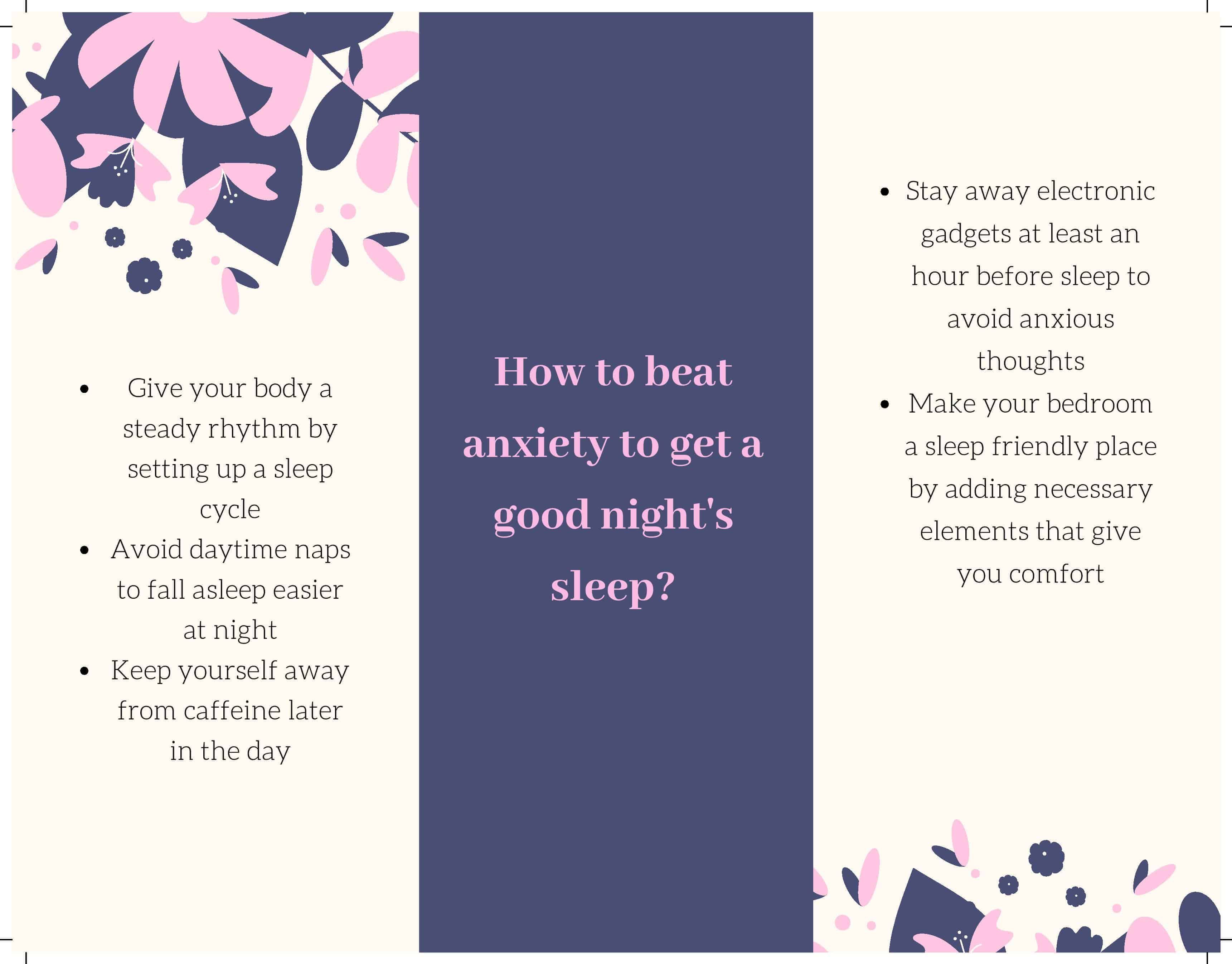
People with anxiety disorders are generally prone to sleep issues.
Troublesome thoughts and fears tend to keep them awake at night. This sleep deprivation can be linked to conditions like:-
If a drug (either taking it or stopping it) induces anxiety symptoms, it is called substance-induced anxiety disorder.
But if your pre-existing anxiety condition is just exacerbated by the drug, it does not fall under substance-induced anxiety.
Medications can cause different reactions in different people. Some medications target the same part of the brain that plays a role in anxiety symptoms. These include:-
While some studies link the usage of oral contraceptive pills (OCP) to anxiety, not every woman who consumes it faces anxiety symptoms.
The hormonal changes brought about by the OCPs act as a strong trigger for anxiety.
The synthetic hormones present in OCPs are said to promote more binding of sex and thyroid hormones, thereby lowering their levels in circulation.
This can induce hypothyroidism, weight gain, and depression.
"OCPs are also known to deplete vitamins, minerals, and antioxidants which may again trigger the symptoms of anxiety
Tachycardia, an increase in the rate of heartbeat (response to anxiety), in serious cases can interfere with the normal functioning of the heart and make you more susceptible to sudden cardiac arrests
The first level of treatment for anxiety is therapy.
It is not advisable to take over-the-counter prescribed medications for anxiety.
It is always important to consult with a medical practitioner before starting a course of anti-anxiety medicines.
Such medications come under 4 primary classes:-
(citalopram, escitalopram, fluoxetine, fluvoxamine, paroxetine, sertraline)
Works the same way as SSRI and block the reabsorption of serotonin and norepinephrine
(duloxetine, venlafaxine)
Prescribed instead of SSRI and SNRI on account of fewer side effects
(amitriptyline, imipramine, nortriptyline)
Sedative drugs that release the tension in muscles and help with relaxation
(alprazolam, chlordiazepoxide, diazepam, lorazepam)
"Other medications include monoamine oxidase inhibitors, anticonvulsants, beta-blockers, and atypical antipsychotics.
Minerals like calcium and magnesium help to nourish the nervous system and prevent anxiety, panic attacks, and restlessness, or irritability.
Anxiety can be influenced by environmental factors as well as genetic factors.
When it comes to the heritability of anxiety, science is still hazy on that.
Even though a person whose parents have anxiety disorder doesn’t inherit it, he/she is definitely at a greater odds of developing it in the future.
Here is where we can bring in the term “genetic predisposition”.
It basically describes the increased likelihood of someone developing a condition, based on their genetic makeup.
So in other words, that person becomes genetically susceptible to developing anxiety.
Even if the disorder itself is not passed down, the particular set of inherited genes may play a role in the predisposition of anxiety.
There are several genes that contribute directly or indirectly to the body’s response to stress.
Studying the variations in such genes can help predict how you may be able to handle stress
The Xcode Life Gene Health report does not help with the treatment directly but provides you with insights on how to hack your genes to understand a little more about how anxiety affects your body.
You can upload your DNA raw data from 23andMe, Ancestry DNA, Family Tree DNA, etc. to get information about the genetic variants of anxiety that you carry.
A lot of children with anxiety go undiagnosed because they don’t present with the obvious symptoms as adults do.
Even a child struggling in a particular subject might be indicative of anxiety. The signs that you should look out for include:-
Before putting children on anti-anxiety medications, therapies can be considered after consultation with a medical practitioner.
Cognitive-behavioral therapy (CBT) helps with distorted thinking and dysfunctional behavior.
It puts children in a “safe environment” and exposes them to anxiety triggers in increments.
The purpose of this is to make them accustomed to the triggers and normally respond to them.
Exposure therapy also works in the same way but digs deeper into the roots.
The way to a healthy mind is through a proper diet. Here are some food suggestions that may provide some relief from anxiety.
It contains flavonoids that improve brain functions. It also increases serotonin levels
Tryptophan also helps regulate sleep
Without the fiber, the body absorbs too much sugar from the juice
Separation anxiety is the fear of being separated from a particular person or sometimes even a pet.
Although separation anxiety is mostly associated with kids and children, it is common among adults too.
People with separation anxiety might experience the following:-
The dynamics of establishing a “permanent cure” for anxiety is more complex than it may seem.
Even though medications are available to treat the symptoms of anxiety, they don’t reverse the disorder itself.
The many forms of anxiety disorders can be well-tackled using therapies and medications, but none promise a cure for these conditions.
The nature of anxiety by itself is chronic and recurring.
Herbal supplements or other treatments may help to put a temporary fuse on it and might make you feel that you are anxiety-free.
But these just work around the symptoms and do not deal with the underlying issue.
While we’re on this, it is also important to know that you do not need to reverse your anxiety disorder totally to lead a normal, happy life.
As long as you learn to manage the symptoms and gain control over your anxiety, you’ll be good to go.
Except for a few extreme cases, anxiety is not something that should be eradicated from our system completely.
The fight-or-flight response triggered by anxiety keeps us on our toes and boosts our reflexes, enabling us to face threats in a better way.
A little bit of anxiety can be considered as a survival mechanism that helps us get through stressful situations.

Schizophrenia is a severe mental disorder that is characterized by hallucinations, delusions, scattered or disorganized thoughts, and cognitive disabilities.
It usually occurs in early adolescence or early adulthood between the ages 16-30 yrs.
It is more common in men than in women and affects about 1% of the global population.
Schizophrenia can be slow in development where an individual does not know that he/she has been suffering from the condition for long and in some cases, it can develop suddenly.
The signs and symptoms are often difficult to distinguish from other similar mental disorders.
There are many indications shown by individuals who have schizophrenia.
These signs are difficult to recognize in teenagers. A few symptoms include:
Schizophrenia can strike without a warning.
It is also often diagnosed late as it is mistaken for other mental disorders with similar signs.
However, there are some early or first signs that can help detect this mental condition:
Hand-Picked article for you: Have Your 23andMe Raw Data? Use It To Get 500+ Health-Realted Genetic Traits!
The early signs seen in children include:
Like we saw earlier, diagnosing schizophrenia is often done after ruling out other conditions with similar symptoms and signs.
However, to test if a person is suffering from the condition, the diagnosis includes the following steps:
There are new genetic tests that are being developed to determine how likely an individual is to develop schizophrenia.
These tests are currently in the initial stages, but once they are successfully launched, they can help health professionals to detect the risk and intervene much before the condition develops in a high-risk individual.
Mental disorders develop as a result of a combination of genetic, social psychological and environmental factors.
There are no specific genes or mutations that can tell you with 100% certainty that an individual will or will not develop a mental health disorder.
However, having a family member or relative with one does put you at an increased risk of developing a mental health disorder.
The International Classification of Diseases Manual-10 (ICD-10) classifies Schizophrenia into five subtypes:
However, in 2013, the Diagnostic and Statistical Manual of Mental Disorders 5th edition (DSM-V) changed this method of classification and brought all these subtypes into one umbrella –schizophrenia.
Paranoid Schizophrenia is the most common type and develops at a later stage than other types of the disease.
Schizotypal is a personality disorder where the individual loses track of how his/her behavior affects others and are often described as odd or eccentric among their close circle.
The symptoms of this disorder include social withdrawal, avoiding close relationships and intimacy, being emotionally unavailable or distant, hallucinations, eccentricity or peculiar behavior.
This disorder is diagnosed when these symptoms become very disabling or persistent.
In fact, schizotypal is seen as a premorbid, arrested or a mild form of schizophrenia.
A person who has schizophrenia having active symptoms rarely knows that he/she is sick.
They are convinced that their hallucinations, delusions, opinions, etc. are all true and correct and refused to accept that there is something wrong with them.
The onset and course of schizophrenia are divided into three stages:
It is the initial stage of the disease, and there are barely noticeable changes in the individual in the way he/she talks or behaves.
Some minor changes include poor performance at school, withdrawal from people, becoming more, etc.
This stage occurs between 15-25 in males and 25-35 in females.
This is the second stage in the course of schizophrenia.
The psychotic symptoms appear in this stage.
The symptoms that occur in this stage are known as ‘florid’ symptoms.
After the ‘florid’ symptoms of the acute stage subside, the recovery stage begins.
It often starts with the person slipping into depression when they start to comprehend the effect the disease has had on their lives.
After each active stage, the ability of the individual to function effectively reduces and so, it is essential to avoid relapses after successful treatment.
The exact cause of schizophrenia is unknown.
However, a combination of genetic, psychological, emotional and environmental factors play a role in increasing one’s risk of developing the disorder.
There are also a few triggers that can play a direct role in causing schizophrenia in people who are at risk. Two most common ones include:
The causes that trigger paranoid schizophrenia are the same as that for other types of the disorder.
Genetics, stress, drug abuse and familial history of the disease are possible to trigger factors for paranoid schizophrenia.
The two most common approaches to treat schizophrenia are anti-psychotic medications and different types of psychotherapies.
Different forms of psychotherapy are used and each has its ability to reduce or effectively eliminate the symptoms of the disorder.
These therapies include:
However, no single of these methods as mentioned above can effectively treat and cure schizophrenia.
A combination of medications, cognitive remediation, illness education, emotional support, and social skills training are the best treatment for schizophrenia.
Since schizophrenia is often diagnosed late, it tends to have a profound adverse effect on the patient and his/her life.
If left untreated, schizophrenia can cause emotional, physical and behavioral problems in the patient’s life.
Few complications of untreated schizophrenia include:
The two pillars of schizophrenia treatment are medications and therapy.
However, a minimal number of patients are able to live a normal life without antipsychotic medications.
The reason for this is that they well-functioning individuals and can cope better with the condition.
This also reduces the side-effects anti-psychotics can have on the individual due to their long-term use.
Many studies have been conducted to determine if mental health conditions run in families.
Some disorders and conditions like schizophrenia, schizoaffective disorder and depression do run in families, and if someone in your family suffers from any of these, the other members are at risk of developing the same.
Some of these are due to your genes. However, the chance of not developing a mental health condition is higher than the possibility of developing it.
Having said that mental health disorders run in families, the next logical question that comes to mind is will you develop one if you have no familial history.
The answer to this lies in the understanding of how one develops schizophrenia.
Schizophrenia develops as a result of genetic predisposition and environmental factors that affects a child’s mind either during pregnancy, birth or in early childhood.
Additional factors later on in life can further aggravate an already vulnerable or susceptible individual.
So, even if no one in the family has schizophrenia, one can develop it due to environmental and psychological causes later in life.
As mentioned above, no one is born with schizophrenia.
It is a condition that develops as a result of a combination of genetic, psychological, environmental and social factors.
Schizophrenia has a definite genetic component that predisposes one to an increased risk of developing the disease.
Having a relative or a family member with the genes can put one at an increased risk of developing the condition.
However, though some genes increased the likelihood of one developing the condition, no gene takes full responsibility for the pathology.
The genetic risks associated with schizophrenia are due to Single Nucleotide Polymorphisms(SNPs) and Copy Number Variants (CNVs).
Both of these act as risk factors but are not the only cause for one developing schizophrenia.
Many studies have been conducted to detect the genetic aspects of schizophrenia.
According to the researchers at UCL genetics institute, gene variations that prevent the neurotransmitter receptor N-methyl-D-aspartate receptor (NMDAR) from functioning correctly cause schizophrenia.
NMDAR is a protein that carries information between the brain cells in response to the neurotransmitter glutamate.
There are three genes that code for this NMDAR- GRIN1, GRIN2A, and GRIN2B.
A fourth one FYN codes for a protein called Fyn that controls NMDAR functioning. Mutations in any of these genes are said to cause schizophrenia.
Vitamin B supplements have shown significant success in treating schizophrenia cases. The vitamin B types that are helpful include:
The benefits of using magnesium in treating various mental health conditions, including schizophrenia, is promising.
Magnesium supplements induce rapid recovery from depression, calm the nervous system, both of which are helpful in schizophrenic patients.
Magnesium can block the NMDA receptors that in turn inhibit the excitatory neurotransmission and help calm the nervous system.
Treatment for schizophrenia is multi-fold and diet and nutrition are a part of the paradigm.
They tend to improve the effectiveness of other treatments given and reduce the adverse effects of the medications.
Few things in the diet that can help cure schizophrenia include:
People with schizophrenia often have high levels of inflammatory chemicals in their body, but low levels of omega-3 fatty acids in their blood.
The omega-3 fatty acid is commonly found in fatty fish and walnuts. Increase the intake of Omega-3 fatty acids will also be beneficial.
Note: Any recommendations that are mentioned should be carried out only after consultation with a qualified genetic counselor or medical practitioner.
Aerobic exercise therapy is very useful in treating patients with schizophrenia.
Regular aerobic exercises are said to increase the individual's ability to understand and function according to researchers at the University of Manchester.
Aerobic exercises like cycling, treadmills, etc. also improve the cognitive functioning in patients.
Yes. Schizophrenia can develop when a person who is susceptible to the disorder biologically is exposed to environmental factors such as high stress, drug or substance abuse, and alcohol abuse.
It is also triggered in teenagers and young adults when their bodies are undergoing hormonal and physical changes.
Drugs do not directly cause schizophrenia. But, misuse of drugs like cannabis, cocaine, marijuana, LSD, and amphetamines are known stressors to the mind and can trigger the disorder in high-risk individuals.
Men tend to develop schizophrenia at an earlier age than women.
While men develop the disease between 16-25 yrs of age, women tend to develop it after 30.
The average age of onset of the disease is 18 for men and 25 for women.
Schizophrenia makes it difficult for people to be loving, caring and form close personal bonds and maintain relationships.
These individuals tend to socially aloof and can appear distant and cold.
However, most people who develop schizophrenia were healthy when they got into relationships.
Even though the personality of individual changes due to the condition, relationships can survive when both partners get the right kind of support.
About 70% of schizophrenic patients experience hallucinations of various types – visual, auditory, tactile or olfactory.
Visual hallucinations include seeing things– people, events, objects, lights, etc., that are not present.
Perception gets altered and leaves the person with an inability to judge distances as well.
Auditory hallucinations include hearing voices; instructions sound like whispering or murmuring that are non-existent.
These voices can make the individual do some dangerous tasks that can cause injury or death.
Tactile Hallucinations include the feeling that they have been stabbed, wounded, hurt, or something is crawling up on or inside them, whereas in real life they are fine and safe.
Olfactory hallucinations include smelling things that are not existent.
Psychotic break means losing contact with reality, hearing, seeing feeling or smelling things that are non-existent, having hallucinations and delusions, unable to comprehend things happening around, having disorganized thoughts, all of which are seen in patients with mental disorders.
One cannot just burst into a ‘psychotic break’ and snap right out of it.
This is a complex, ongoing event that needs to be treated using combination therapy to cure the individual of the disorder altogether.
Alcohol and drug abuse are considered to be high-risk factors for developing mental disorders, including schizophrenia.
If a person suffering from schizophrenia drinks alcohol, his/her condition can deteriorate and can make the disease worse.
While no one is born with this condition, all patients before the disease sets in have average intelligence.
However, at the onset of disease, the different lobes of the brain like the frontal and temporal lobes become impaired or malfunction due to which most schizophrenic patients lose their cognitive abilities, their ability to reason, comprehend and organize their thoughts.
As a result of this, they tend to score low on IQ or other intelligence tests.
The answer to this question is based on the severity of the individual’s illness and symptoms.
A person with harmless hallucinations and delusions finds it more comfortable to join the workforce as compared to someone who has negative symptoms.
Cognitive deficit problems are also a hindrance for someone who wants to work.
However, schizophrenic patients who are under treatment and respond positively to it, find being functional helpful for their therapy.
Individuals with DID tend to have multiple personalities that come out at different times.
However, in schizophrenia, the patients have no multiple personalities.
The disorder is characterized by hallucinations and delusions where people see or hear things that are not real.
The rate of suicide attempts is higher in patients with DID than in patients with schizophrenia.
PTSD occurs in individuals after a traumatic or stressful event in life.
There is a symptom overlap between PTSD and schizophrenia.
Trauma increases one’s risk of both conditions, and patients with schizophrenia have a higher chance of developing PTSD.
Due to the symptom overall, there are quite a few times when a psychotic disorder is misdiagnosed as PTSD.
While anxiety falls under the neurosis category, schizophrenia is a type of psychosis.
The difference is that a person suffering from neurosis like anxiety disorder knows that he/she is suffering from the disease.
Whereas, in the case of psychosis like schizophrenia, the individual doesn't know that there is something wrong with them.
So, a person with an anxiety disorder can never develop schizophrenia.
No matter how worse or severe their anxiety gets, a person with the disorder must be reassured that he/she will not develop schizophrenia as a result of their disease.
There is no way one can prevent this disorder.
But, in patients being treated, it must be ensured that they follow the treatment and therapy being provided to them to prevent a relapse.
Learning more about the risk factors helps in preventing the condition from setting due to early intervention.
Like any other disease, schizophrenia doesn’t pick and choose its patients based on if one is famous or not.
You would be surprised to know that many famous, high-achieving people have the condition.
Some of them include John Forbes Nash Jr (A Nobel Laureate in Economics), Tom Harrel (A Jazz Musician), Dr. Jame’s Watson’s Son, Albert Einstein’s son, Syd Barrett from the band Pink Floyd, and Mary Todd Lincoln (Abraham Lincoln’s wife).
What is Multiple Sclerosis?
A long-term disease which attacks your Central Nervous System (CNS), affecting your brain, spinal cord, and optic nerves.
The potentially debilitating disease could cause permanent damage to the nervous system.
The symptoms of Multiple Sclerosis (MS) vary depending on the amount of nerve damage, and on the types of nerves affected.
While some individuals might lose their ability to walk, others might experience long periods of remission without any new symptoms.
Although there is no cure for MS, treatments can help speedy recovery from attacks. It could also help to modify the course of the disease and manage symptoms.
As per the American National Multiple Sclerosis Society, this disease affects women three times more than men.
While most of the symptoms of MS are common in the patients of both genders, some of them are especially seen in women.
Although MS usually affects individuals who are between 20-50 years of age, children and teens could also get affected.
About 2-5% of individuals affected with the disease develop symptoms before 18 years of age.
In most cases, MS patients can lead a normal life, but it is difficult to predict whether or not their condition will improve or deteriorate.
This is because the disease varies from one person to another.
However, MS isn't a fatal condition.
A recent study of about 2,300 patients with multiple sclerosis reported that SNPs from HLA regions, most notably rs4959039, shows an increased risk for multiple sclerosis regardless of HLA-DRB1*1501 status. (1)
Although Multiple sclerosis isn't generally the cause of death, it can be a severely disabling condition.
Their life expectancies get reduced due to complications from the disease or other related medical issues.
Even though there isn't a cure for MS yet, there are several new medications to treat it, reduce the number and severity of relapses and can also delay the long-term progression and complications of the condition.
Per the National Multiple Sclerosis Society, 2.3 million people across the world are affected by MS, the main population being the people in the age group of 20-50 years.
Although there are no laboratory tests to detect the condition, genetic testing can discover gene variants associated with the risk of the condition.
This could pave the way towards finding new ways to diagnose and treat the condition.
MS is a chronic autoimmune disease that affects your CNS.
Although the primary cause remains uncertain, it appears that its etiology is multifactorial including both genetic and environmental factors.
For example, exposure to stress has been suspected as a factor that could aggravate MS.
Based on a study (T. Riise et al.), there was no major role in stress for developing multiple sclerosis.
But stress could be a potential risk for multiple sclerosis.
Though MS could be hard to identify during the early stages, there is a blood test that promises a faster diagnosis and may also help to predict the efficiency of treatment.
This blood test is based on the theory that MS is an autoimmune disease.
They collect the immune cells of the patient, check if those cells get ready for an attack while exposed to neural antigens.
If that happens, there are good chances that the person has MS.
While there are no blood tests that specifically detects MS, there are ones that can help rule out other diseases or health conditions like Systemic Lupus erythematosus, Sjogren's, vitamin deficiencies and certain rare hereditary diseases.
Apparently, there is a genetic test that discovers genetic variants associated with predispositions of MS at a very early stage.
Such early detection of DNA risk variants might help the patients get more aware of the symptoms and find ways to treat the condition.
Studies have shown that the two genes DDX39B and IL7R are associated with increased risk of multiple sclerosis.
They emphasize that their findings may also open the door to tests that can screen individuals with a family history of MS.
This early detection of DNA risk variants may help people to be more aware of MS symptoms.
Hand-Picked article for you:
Both MS and fibromyalgia might have symptoms such as headaches, joint pain, muscle aches, numbness, tingling sensation in the extremities, fatigue, memory problems.
Also, both these conditions are more common in women than in men.
However, in MS, MRI shows brain lesions, but in fibromyalgia, it doesn't show up.
In addition to all the physical disabilities and difficulties associated with the disease, MS also has profound emotional consequences.
Lack of enough knowledge about the disease could add anxiety to the sufferer, especially when they are newly diagnosed.
Apart from such emotional stress, demyelination and damages to the brain's nerve fibers can cause emotional changes.
However, medications like corticosteroids can significantly help control such emotions.
Apart from physical disabilities, MS patients also struggle with behavioral changes such as:
End-stage MS can progress to severity at which the patients typically lose their physical independence.
It can cause mobility loss and other life-altering symptoms, and such patients might require dedicated care such as access to palliative care services, to meet their needs.
In such cases, life expectancy also gets reduced up to 5-10 years.
The advanced symptoms include pain (in muscles, nerves & joints), tremors, sensory changes, spasms, stiffness and cramps in the muscles, bowel or bladder incontinence, UTIs, constipation, mobility limitations, chewing & swallowing difficulties, speech difficulties, emotional disturbances, and pressure sores.
End-stage MS might also trigger life-altering changes and worsen the quality of life which can lead to social isolation.
Although there's no fail-safe plan for eating right with MS, it is really important to follow a healthy diet. Including two liters of water and 30 grams of fiber daily along with other nutritional items, low fats, and refined sugar is what experts recommend.
Some specialists who suggest a more aggressive eating plan advice Swank diet (developed by Dr.Roy Swank)- one that is stringently low in fat, ban all dairy products, gluten, legumes, saturated fat from animal sources, and stresses on fish and fish oils.
While such plans get controversial, there is every good reason to eat a healthy diet and avoid things that are known to be bad for everyone.
Hand-Picked article for you: Have Your 23andMe Raw Data? Use It To Get 500+ Health-Realted Genetic Traits!
While consuming a nutritious diet is important, avoiding certain foods is equally important for MS patients.
Although avoiding these is usually recommended, MS patients should consult their doctors to check if they should remove the following from their diets:
MS Hug- It is a symptom of MS wherein the patients feel like a tight band has been tied around the chest or torso which results in a very painful experience.
The MS hug feels different from a person to another.
For some MS hug can manifest as a burning or tingling sensation, and for others, it may manifest as sharp pains.
It can be long or short lasting or in some cases, even be persistent all the time.
The duration of the hug and the level of pain and discomfort caused will affect how one chooses to manage their symptoms.
Heat, stress and fatigue and other such situations where your body might not be running at a 100% efficiency can trigger an MS Hug.
It is important for MS patients to discuss with their doctors about any triggers that they have noticed.
When MS patients stop taking their medications, they might experience a relapse of their symptoms.
Even patients with long periods of disease stability can relapse if they stop taking their medications.
Check the Xcode Life's Report Finder to help you find the right report
Currently, there is no cure for MS, but it is hoped that cutting-end technologies would find a cure soon.
Fortunately, there are several FDA approved drugs that can modify the course of the disease by limiting new areas of damage in the central nervous system, by reducing the relapses, and postponing the progression of disability.
There are also many technological advances and therapies that MS patients can use to manage their symptoms more effectively.
There's no evidence that MS can be transmitted from one person to another.
Thus, the disease is not considered contagious and cannot be caught from a person with it by coming into contact.
While many researchers opine that it is not hereditary either, individuals with an affected first-degree relative might be at risk for developing the disease.
New research suggests that individuals who have inherited a genetic mutation on gene NR1H3 might be more prone to it.
Though MS isn't an inherited disease, there are genetic risks that may be inherited.
The risk of developing the disease is 1 in 750-1000.
If one among a pair of inherited twins is affected with MS, 1/4 cases, the other twin also develop the disease.
Among first-degree relatives of MS patients, the risk if high, but not as high as that of identical twins.
Around 200 genes have been identified to contribute to the overall risk of developing the disease.
A Study led by Malgorzata et al. provides evidence to support that MS can be hereditary. The study looked at 30 first-degree relatives of people with MS, and the results confirmed that relatives of people with MS have a higher risk of developing brain damage. And it is unknown if such brain changes might develop into the disease.
Research studies have proven that first degree relatives of MS patients might be at risk of developing the disease.
Among patients diagnosed with MS, some might have Familial MS- a condition when at least two other family members are diagnosed with the condition.
Family members of MS patients might share some of the same genes, inferring that there is a higher risk of developing MS if it runs in the family.
However, it cannot be said with certainty that the particular combination of disease-causing gene variants gets passed between generations.
There are many MS patients who do not have any family history related to the condition.
Numerous factors can be responsible to increase the risk of developing MS.
Mutations in the HLA-DRB1 gene are the strongest genetic risk factors for developing MS.
Also, mutations in the IL7R gene (Human leukocyte antigen (HLA) complex especially HLA-DRB1*15:01 - the strongly linked genetic factor can cause MS.
Since HLA-DRB1 and IL-7R genes are both involved in the immune system, changes in either of them might be related to autoimmune responses that can damage your myelin sheaths and nerve cells and lead to MS.
Methylenetetrahydrofolate reductase is an enzyme whose deficiency leads to impairments in folate metabolism and is thus implicated as risk factors for neural tube defects.
C677T and A1298C MTHFR mutations are said to be linked to neural tube defects.
MTHFR mutations also affect vitamin B12 and homocysteine metabolism.
When your MTHFR gene enzyme is defective, nutrients like folic acid, vitamin B12, etc.- whether acquired via food sources or from supplements, cannot be properly utilized.
Since you need the enzyme to make your body utilize these nutrients, defective enzyme makes it impossible.
Although there is no way to treat the defective gene, it can at least be prevented or partly managed by using active B vitamins.
These supplements skip over the MTHFR enzyme, allowing your body to be nourished regardless of the defective enzyme's function. Using such supplements can help manage MS.
The deficiency of Vitamin D is associated with an increased risk for MS, mutations in VDR (Vitamin D receptor) gene might contain genomic regulatory elements relevant to the pathogenesis of MS.
Also, when the genotype and haplotype frequencies for polymorphisms in this gene were analyzed, it was found that the VDR T-allele and the Bft haplotype could increase MS susceptibility and can also influence its clinical manifestations.
It has been reported that elevated plasma homocysteine and reduced folate and Vitamin B levels can result in MS.
Homocysteine (Hcy), folic acid (FA) and vitamin B (Vit B) have key components of One carbon metabolic pathway (OCMP) and the genetic factors of OCMP play a major role in the development of MS.
(OCMP is a part of cellular metabolism which is comprised of folate and methionine cycles and supports the critical function of the synthesis of thymidylate, purines, and methyltransferase reactions)
Note: Any recommendations that are mentioned should be carried out only after consultation with a qualified genetic counselor or medical practitioner.
MS and other disorders like autism, ADHD, fibromyalgia, autoimmune disease, heart diseases, neural tube defects, and miscarriages have been linked to mutations in the MTHFR gene.
These mutations might lead to a condition called homocystinuria which is a disorder in which abnormal levels of homocysteine and methionine in the body might lead to cognitive issues, eye problems, abnormal clotting, and congenital heart abnormalities.
While movement disorders except for tremors such as parkinsonism are seen less frequently in MS cases, investigations have shown that MS contains inflammatory and autoimmune aspects of Parkinson's disease (PD).
Although there is no clarity if the relationship between MS and PD is casual or not.
There is a probability that MS plaques can affect the basal ganglia or such structure which play a vital role in the nigrostriatal pathway that leads to dysfunction of the extrapyramidal pathway to cause Parkinson's disease.
Check for genetic variants associated with multiple sclerosis in Xcode Life's Gene Health Report
Lactose intolerance is a digestive disorder caused due to an inability to digest lactose, a sugar found in milk and other dairy products. Lactose is broken down by an enzyme called lactase, which is produced in the small intestine.
WATCH: The Genetics of Lactose Intolerance
There are four types of lactose intolerance with a different cause for each class.
This is the most common type of lactose intolerance. Most of us are born with enough lactase enzyme to digest lactose.
By the age of 5 (in African Americans, by 2), the lactase levels decrease, making lactose digestion challenging for our bodies.
Primary lactose intolerance is more common in people with Asian, African, and Hispanic ancestry.
Low lactase secretion can occur due to intestinal conditions like Crohn's disease and celiac disease. Certain injuries and surgeries can also lower lactase production and an inability to digest lactose, causing secondary lactose intolerance.
It occurs in premature babies. It usually lasts only for a short duration after birth and goes away on its own.
This is a rare type of genetic disorder. It is caused when a defective lactase-producing gene is passed on from both the parents to the offspring(s). As a result, there is a complete absence of lactase in the child from birth.
Typically, the symptoms appear anywhere between 30 minutes to 2 hours after consuming any dairy products. Some commonly observed symptoms include:
The severity of symptoms depends on the amount of lactose consumed and the amount of lactase produced by the individual.
Most people with lactose intolerance can consume some lactose without getting symptoms.
The symptoms persist until your body manages to eliminate the lactose fully.
It could be about 12 hours for some individuals, while it could be much longer for others.
When the body forces out the undigested lactose through your digestive system, you might experience pain and discomfort.
Digestive system transit time (the time is taken to digest and eliminate any substance) can be tracked using activated charcoal capsules dosed according to your weight.
People with a mild case of lactose intolerance can have up to 12 grams of lactose without experiencing symptoms or maybe a few mild symptoms
Handpicked article for you: Worrier Or Warrior? Analyze Your DNA Raw Data For COMT – The Warrior Gene
The primary test that your physician may ask you to take up is abstaining from dairy products and check to see if the symptoms subside.
Your stool samples can also help in making the diagnosis- a watery, loose, or foamy stool can indicate that you are lactose intolerant.
However, to confirm the diagnosis, the following tests are mostly used:
Yes, you can do this simple test for lactose intolerance at home:
Studying the mutations- C/T-13910 and G/A-22018 located upstream the gene that codes for the enzyme lactase-phlorizin hydrolase can be a useful tool to diagnose hypolactasia (The condition causing Lactose malabsorption).
Primary lactase deficiency, which is the most common cause of lactose intolerance throughout the world, is caused by an inherited genetic fault running in families.
Congenital lactase deficiency or congenital alactasia is the disorder where infants suffer from not being able to digest the lactose present in breast milk or formula, causing diarrhea.
Such infants might even develop dehydration and weight loss if they do not switch to lactose-free infant formula.
Congenital lactase deficiency in infants is inherited in an autosomal recessive pattern (Both copies of the LCT gene in each cell is mutated).
The parents being individuals with the autosomal recessive condition, each carry one copy of the mutated gene, and may not experience any symptoms. However, when they both pass on the defective genes (25% chances), the infant could, as a result, be intolerant to lactose.
The type of variations in the regulatory element in the MCM6 gene inherited from one’s parents decides the ability to digest lactose in adulthood.
One copy of the altered regulatory element is enough to sustain lactase production.
Individuals who haven’t inherited such variations from either parent will have a certain degree of lactose intolerance.
Hand-Picked article for you: Have Your 23andMe Raw Data? Use It To Get 500+ Health-Related Genetic Traits!
Some cheese like cheddar and parmesan, probiotic yogurts, heavy creams have low lactose levels and can be added to your diet in minimal amounts.
When you are digesting other foods simultaneously, gastric emptying can get slower, and lactose, which makes up just a small proportion of the total food may not create many problems.
The bacteria present in yogurt and kefir can produce a lactase-like enzyme which can make your food to digest even though it contains lactose.
Lactase supplements allow the breakdown lactose into glucose and galactose so that your body can absorb the sugars without experiencing symptoms
Except for sporadic cases, every infant can produce lactase enzymes which helps the small intestine digest the lactose sugar.
But with age, one’s lactase levels can start to decline, and it can prevent the lactose you eat from going to your colon without being digested.
The bacteria there might break down the sugar and cause flatulence and fluid in that process.
It is quite common for people to develop lactase deficiency in adulthood.
Per the NIH report, about 65% of the global population has a lowered ability to digest lactose after infancy.
The genetic factors can be equally responsible for lactose intolerance.
Your body tends to secrete the enzyme lactase only when instructed to do so by the gene LCT which can get less active over time and result in lactose intolerance.
The condition which can begin as soon as a person turns two years old, may not manifest itself until a person reaches adolescence or adulthood.
The ideal diet for the lactose intolerance emphasizes on the foods to avoid more than about what to eat.
Needless to say, it is essential to avoid or reduce the amount of lactose-containing foods.
But, it is also important to read food labels to exclude canned, boxed, frozen, and prepared foods like bread, lunch meats, salad dressings, cake, cookie or pancake mixes, coffee creamers, etc., that contain lactose ingredients (like cream, cheese, butter, milk, milk solids, dried milk, whey, etc).
Excluding dairy from your diet can make you more prone to vitamin D and calcium deficiency.
Some calcium-rich, dairy-free foods include:
Vitamin D and calcium supplements can also be consumed upon your physician's advice.