It is hard to believe that caffeine, a stimulant that holds popularity in battling fatigue and improving creativity, can do any harm.
Caffeine sensitivity is a term that describes the efficiency of the human body to process caffeine and to metabolize it.
We have all heard of co-workers who drink 6 cups of coffee, the recreational drink for nearly 60% of Americans, every day, and friends who guzzle a cup an hour before bedtime.
Yet there are some of us who feel jittery, anxious, or even restless after a single cup.
So, is caffeine a scourge, a tonic, or a mix of both?
For starters, coffee has a few benefits.
A large research study showed that Americans get more antioxidants from coffee than from any other dietary source.
Other studies have shown that there are several nutrients in a cup of brewed coffee, like Magnesium, Niacin, and Potassium, depending on the soil nutrients and the type of processing.
Adenosine is an organic compound that inhibits arousal and promotes sleepiness upon binding to its receptor.
Caffeine has a structure similar to adenosine and works as an adenosine receptor antagonist.
It competes with adenosine to bind to the adenosine receptor.
This process promotes wakefulness.
Though this can affect the quality of sleep among certain people, it could help in situations like driving at night or averting jet lag, where mental alertness is critical.

According to the U.S. Food and Drug Administration (FDA), 300 milligrams of caffeine are consumed every day by the average American. The Mayo Clinic states that drinking up to 400 milligrams per day is safe, which is approximately 4 cups.
A good cup of coffee is the most popular caffeine delivery mechanism that comes with a few health benefits like being a good source of antioxidants, warding off liver disease, and protecting against Parkinson’s.
The health risks and benefits have been understood, over the years, however, caffeine and metabolism, or the way in which our body processes the chemical, varies on several key factors.
| Beverage | Caffeine content (mg) |
|---|---|
| Coffee | 8 oz cup - 95 mg |
| Espresso | 1 oz shot - 63 mg |
| Green tea | 8 oz cup - 28 mg |
| Black tea | 8 oz cup - 26 mg |
| Energy drinks | 8 oz cup - 91 mg |
| Sodas (Cola) | 16 oz cans - 49 mg |
| Coffee liqueur | 1.5 oz shot - 14 mg |
| Dark chocolate | 1 oz square 24 mg |
Caffeine, an alkaloid, is also known as 1,3,7-trimetilksantin.
It is acidic in its pure crystalline form and is found in over 60 plant species.
The enzyme CYP1A2 is responsible for the metabolism of caffeine in the liver.
Due to potentially ineffective CYP1A2 enzyme activity, some people can experience issues like caffeine jitters after 2-3 cups of coffee per day.
Such slower metabolizers of caffeine may experience problems with blood pressure, headaches, etc.
The CYP1A2 gene regulates the synthesis of the enzyme, and small variations in this gene have an association with the efficiency of caffeine metabolism.
Some people have a genetic predisposition to produce very little of CYP1A2 enzyme while others may produce a large amount.
Approximately 10% of the population is found to be rapid caffeine metabolizers, which rates them high on caffeine sensitivity.

Approximately 10% of the population are found to be rapid caffeine metabolizers, which rates them high on caffeine sensitivity.
The polymorphism associated with caffeine metabolism is rs762551.
Studies have shown that individuals with AC or CC genotypes are slow metabolizers of caffeine.
These individuals have a high caffeine sensitivity.
They tend to have a slightly increased risk for heart attack upon consumption of more than 2 cups of coffee every day.
Individuals who have the A.A. genotype in the specific polymorphism of the CYP1A2 gene may be fast metabolizers.
These individuals have a low caffeine sensitivity.
A study conducted on 553 individuals found that people with this genotype had a 70% reduction in the risk of a heart attack on increased caffeine consumption.
The polymorphism in the CYP1A2 gene is well studied and is useful to determine the caffeine metabolism status.
This, in turn, can shine some light on the tendency to consume caffeine.
The 23andMe reports provide caffeine metabolizer status.
There are other well known 23andMe third-party tools, like Xcode Life, that can provide a better understanding.
Upload your 23andMe raw data to find out your caffeine metabolism status.
| Genotype | Phenotype |
|---|---|
| CC | [Slow Metabolizers] Likely higher risk of heart attack when more than 4 cups of coffee are consumed |
| AC | [Slow Metabolizers] Likely higher risk of heart attack when more than 4 cups of coffee are consumed |
| AA | [Fast Metabolizers] Likely lower risk of heart attack on increased consumption of coffee |
23andMe DNA raw data is the genetic information obtained after a genetic test, and it is usually provided as a text file.
This information can be downloaded after utilizing the 23andMe login provided to all 23andMe customers.
There is a wealth of information provided by ancestry DNA that can be used to identify a number of health and nutrition-based traits.
Use your ancestry DNA login to download your Ancestry DNA raw data.
You can then upload your Ancestry DNA raw data onto our site to identify the caffeine metabolizer status.
23andme vs. AncestryDNA vs. Xcode Life pertaining to caffeine metabolizer status
| 23andme | Ancestry DNA | Xcode Life |
|---|---|---|
| Provides ancestry and health reports | Provides only ancestry reports | Provides Ancestry and health reports |
| Caffeine metabolism status provided in 23andme reports | Caffeine metabolism status not provided in Ancestry DNA reports | Caffeine metabolism status provided in Xcode reports |
| Caffeine Consumption status NOT provided in 23andme reports | Caffeine Consumption status NOT provided in Ancestry DNA reports | Caffeine Consumption status provided in Xcode reports |
People of certain genetic types tend to have a genetic predisposition to drink more cups of coffee.
Identification of this tendency will help in moderating coffee consumption, taking into account the caffeine metabolism status of the individual.
Genetic tests can help identify such parameters.
After all, it would be good to know if you are prone to guzzling down a little too much, especially when your caffeine sensitivity scale is tipped at the wrong end.

*Xcode Life does not have direct affiliate connections with any ancestry genetic testing service providers like 23andMe, Ancestry DNA, Family Tree DNA etc.
Have you tried our Merge tool yet?
Updated on March 13th, 2021
There are a variety of online 23andMe raw data tools for interpretation that allow people to upload their raw data to get back different kinds of reports. You can broadly classify these tools into “tools for experts” and “tools for everyone”.
A study on consumer usage of third party raw data analysis tools was published in November 2017 in the journal Molecular Genetics & Genomic Medicine that using feedback from social media platforms like Twitter and Reddit. According to the results of the study, only 34% of the participants were “very satisfied” with the results provided by third-party raw data analysis service providers. However, 47% of the participants reported that, though they knew the information in the reports were valuable they needed more help in interpreting this information better.
According to Sarah Nelson, the author of another study on 23andme raw data tools and their methods:
In conducting interviews with tool developers, I came to realize something quite remarkable: many (roughly half of those I interviewed) don’t think they are interpreting genetic data at all. Rather, they view the tool as simply linking users’ genetic data to relevant scientific publications or genetic annotation databases, acting as what one developer called a “bridge the literature.” It became clear that developers view these bridging or linking activities as distinct from interpretation, the latter involving further personalizing or packaging the information for the user.
The complete study including details of the methodology can be found here.
23andme raw data tools like Promethease links available literature to the rsIDs that are found in the raw data of the user. Genetic Genie, another 23andme raw data tools, lists down the rsIDs and “+/-”, “-/-” or “+/+” to indicate one mutated, no mutations, or both mutated alleles respectively. But what does this mean to someone who is looking to make dietary or lifestyle changes based on the genetic report? Given that genetic testing is an upcoming field with many myths and misconceptions, it is an uphill task to get consumers to understand the benefits of knowing more about your genetics.
Good news is that there are already tools that cater to both the common folks and the geeks. Here is a list of 3rd party tools that perform raw data analysis to give different types of reports.
DNA.Land is a not-for-profit community website run by academics affiliated with Columbia University and the New York Genome Center. The site offers a biogeographical analysis, imputation and a relative-matching feature.
Wegene provides an ancestry re-analysis of 23andMe results.
A service using raw DNA data to compile reports about how genes influence traits. Traits covered include eye color, earwax type, armpit odor, lactose intolerance, Asian Flush, and taste and smell sensitivity. Identifies the ancient origins of genes; reports on whether certain alleles originate in Europe, Asia, Eurasia, or Africa. Users can see how genes have been passed down from parents to a child.
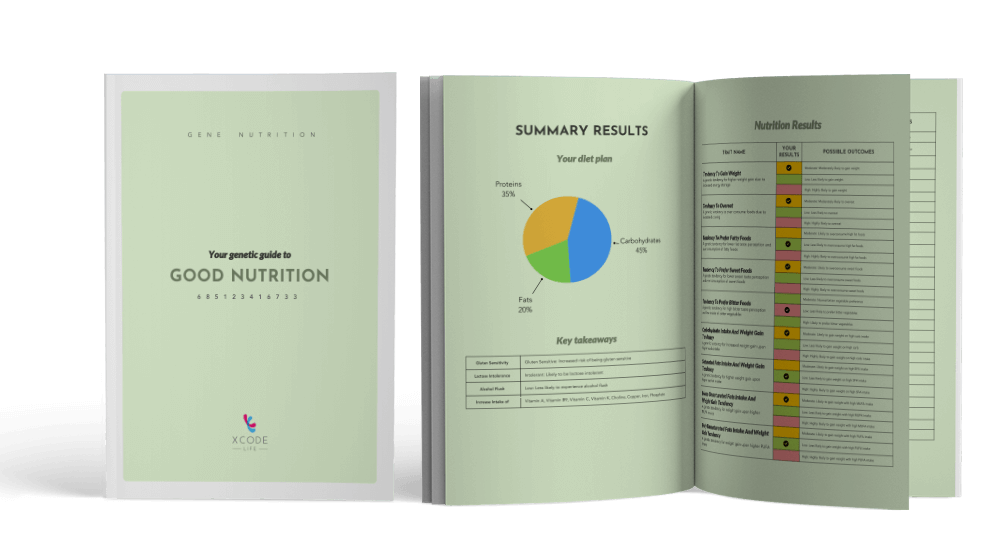
Xcode Life Xcode produces thoroughly curated, easy to understand genetic reports that can be used by professional practitioners as well as individuals. They can re-analyze data from 23andme, AncestryDNA, FTDNA, MyHeritage, Living DNA, Vitagene, Dante Labs among several other companies.
DNA Fit is a company which accepts raw data from 23andMe for $50 for mainly nutrition and fitness reports.
Livewello Provides health and trait reports using raw data from 23andMe, AncestryDNA, and FTDNA for physicians and advanced users. Twenty traits are provided with the Livewello Gene App. A subscription is required to access the manually curated health reports. The website also offers free health record managers and data charting applications.
Vitagene Is a genetic testing company that does raw data analysis for nutrition, fitness and nutrient supplements. These are bundled into their health package. However, they do not have a dedicated health report that covers disease predispositions.
Anabolic genes Anabolic genes is an online third-party raw data analysis tool for mainly nutrition and fitness reports. They were previously only accepting biological samples. They have now tied up with Genetic Concept for raw data analysis of only 23andme raw data.
Athletigen Is tool that is limited to sports-related reports which include nutrition and fitness
Nutrahacker focuses on reports related to vitamin supplement information
Genetic Genie It is an online tool that uses your raw data from 23andme. It returns a report with a list of genes related to the methylation and detox pathways, the rsIDs and the status of the allele as given in the 23andme raw data file.
Strategene is an online tool that analyses your raw data to give information on 20 genes, which the website refers to as “core SNPs”. For information on more genes which are referred to as “Bonus SNPs,” you need to pay extra. This will add information on 10 additional SNPs.
GeneKnot A site which allows the user to upload genome data and compare DNA with other people with similar disease risks.
Promethease Accepts data from any genetic genealogy company and will generate health and trait reports based on current literature.
Codegen A free comprehensive health report using 23andMe raw data.
A) Genetic Dating Sites
The ‘DNA Romance’ service analyzes your DNA to forecast the level of chemical attraction between you and other members, to help you find your perfect partner.
B) Wine Tasting
Vinome analyzes your DNA and taste preferences, then matches you with wines selected for your unique palate. They also have an online store for wines bottles that suit your taste.
3) Merchandise
Helix has an online store for some interesting merchandise like scarves, tote bags, and tartans. The patterns are formed by assigning one color for each nucleotide (A, T, G, C). You can even choose the color that you want to be assigned to each base.
DNA Geek offers interesting products like Haplotees, gears, and mugs. You can get your haplogroup printed on them and flaunt your origins.[/vc_column_text][vc_custom_heading text="Other 23andme raw data tools
" font_container="tag:h2|text_align:center" use_theme_fonts="yes"][vc_column_text]These are tools that cannot be used unless you have a definite background knowledge in genetics and statistics.
David Pike's Tools started off as a personal experiment or analysis of autosomal raw data results from companies like 23andme. It was then made available publicly for anyone to do their own personal analysis of their autosomal raw data.
Imputeme is a service that imputes 23andme/Ancestry DNA/MyHeritage data to provide extra SNPs as well as multi-SNP risk-signatures for all common disease traits, and extra rare-mutation investigations.
Infinome is an online tool that enables you to look up each of the SNPs in your 23andme or Ancestry DNA raw data and check the associated risk that the SNP confers for a particular disease.
Type of reports:
Interpretome is a set of online tools from Stanford University for analyzing your personal genomic data.
OpenSNP allows customers of direct-to-consumer genetic tests to publish their test results, find others with similar genetic variations, learn more about their results, find the latest primary literature on their variations and help scientists to find new associations.
Oxford Statistics Phasing Server is a free utility to phase whole genomes based on VCF files
Reich Lab software comprises of a range of tools available from the Reich Lab. These programmes are likely to be of interest to advanced users.
WATCH: How to interpret your MTHFR report
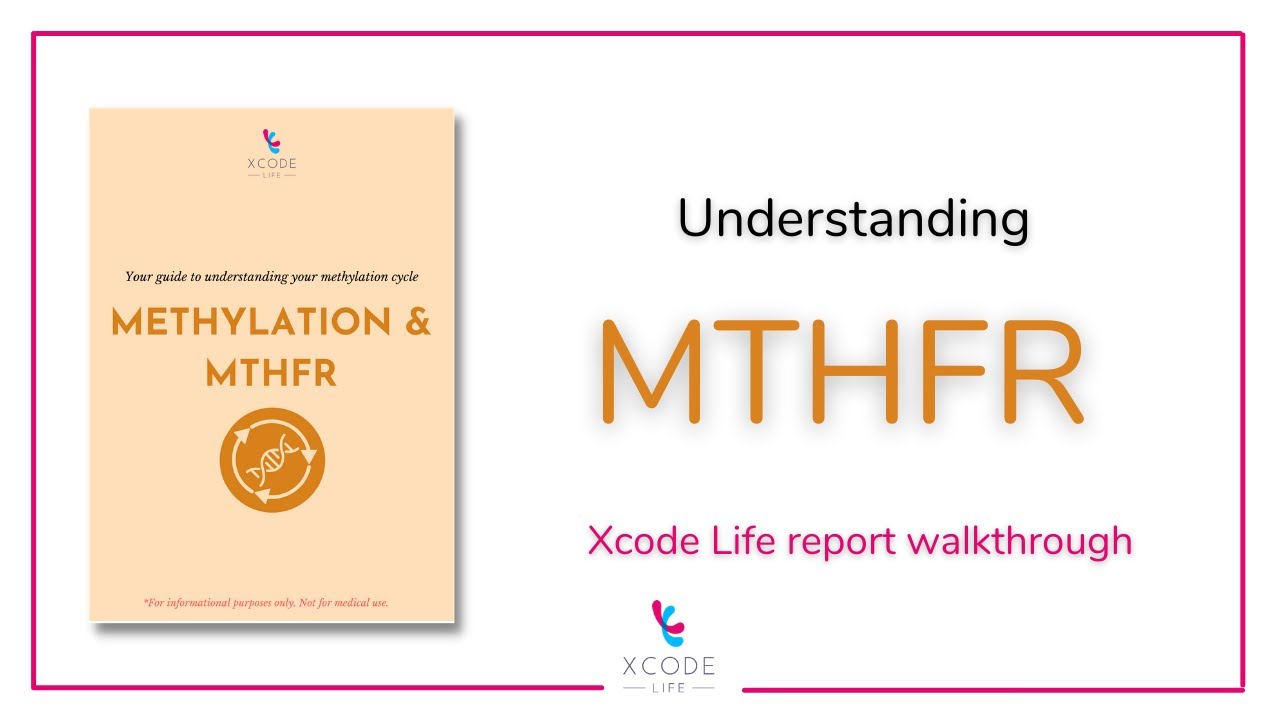
The methylenetetrahydrofolate reductase (MTHFR) gene carries instructions for the production of an enzyme with the same name.
This important enzyme is associated with the processing of amino acids, which are the building blocks for protein molecules.
In the MTHFR pathway, the enzyme converts 5,10-methylenetetrahydrofolate into 5-methyltetrahydrofolate.
This is one of the steps in the process that converts the ‘ harmful’ amino acid homocysteine to the ‘useful’ amino acid, methionine.
All of us have the MTHFR gene. But the type of MTHFR gene differs from person to person.
To explain this better, let’s take the example of blood groups. All of us have red blood. But you may have O+ve blood type, while the other person may be A-ve - and these different blood groups have different health implications.
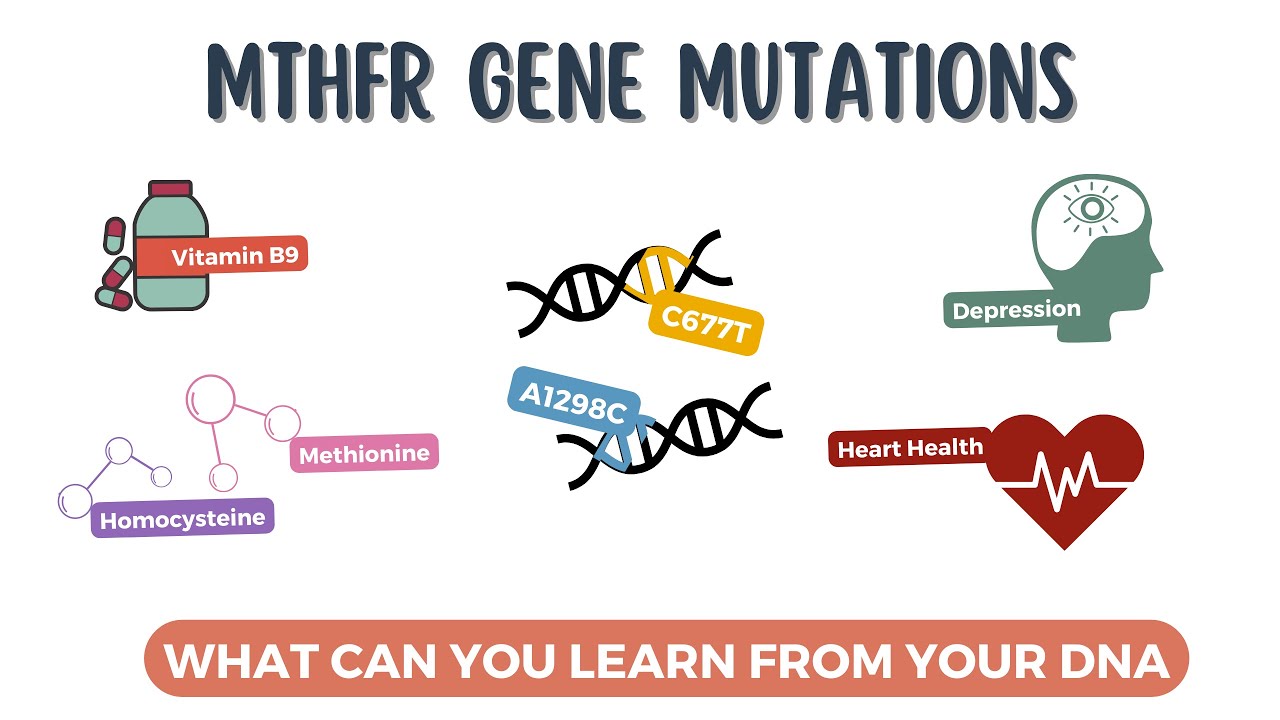
Like how O+ve and A+ve are the most common blood types, the MTHFR gene also has 2 common variants (type): C677T and A1298C, the former being more common than the latter.
About 40% of the American population have the C677T type, which has been associated with up to 80% reduction in the enzyme’s efficiency
This reduction has been found to lead to increased levels of homocysteine, which in turn increases the risk of venous thrombosis and heart disease.
Once you learn about the type of MTHFR gene you carry, its effects can be ameliorated by simple fixes such as dietary changes and folic acid supplements.
MTHFR mutation prevalence in the U.S,
MTHFR C677T mutation is the most common and is found at a higher frequency in certain ethnic populations.
MTHFR C677T: Homozygous vs. Heterozygous
MTHFR mutations are typically referred to as heterozygous or homozygous. Heterozygous means only one copy of the variant allele, which here is T. So the person's MTHFR gene type will be CT.
Homozygous means two copies of the variant allele - TT
MTHFR mutation prevalence in North America, Australia, and Europe
A positive MTHFR test result indicates that you have any of the above-mention change in one or both copies of your MTHFR gene.
While only one copy of the change is less likely to cause any health issues, two copies can significantly increase your risk for conditions associated with higher homocysteine levels.
23andMe provides your genomic information in the form of raw data that can be easily accessed and then uploaded onto sites like Xcode Life to find out the specific variant carried.
| AA | 2 copies of the variant allele, reduction in MTHFR enzyme activity by nearly 80% |
| AG | 1 copy of the variant allele, reduction in MTHFR enzyme activity by 40% |
| GG | Both normal alleles, no reduction in enzyme activity due to this polymorphism |
| GG | 2 copies of the variant allele, reduction in MTHFR enzyme activity |
| GT | 1 copy of the variant allele, reduction in MTHFR enzyme activity |
| TT | Both normal alleles, no reduction in enzyme activity due to this polymorphism |
Apart from 23andMe, raw data from companies like AncestryDNA.com, FTDNA.com, and other similar genetic testing service providers may be uploaded to find out more about your MTHFR gene mutations.
| Contents | MTHFR status from 23andme raw data | MTHFR status from Ancestry DNA raw data |
|---|---|---|
| Raw data | 23andme raw data can be downloaded | Ancestry DNA raw data can be downloaded |
| MTHFR C677T and A1298C | 23andme MTHFR test includes these two SNPs | AncestryDNA MTHFR test includes these two SNPs |
| MTHFR test cost | 23andme test cost is $99 | Ancestry DNA test cost is $99 (with a 10% discount on offer currently) |
| MTHFR test report | 23andme report does not include information on MTHFR gene. Information is present as raw data which needs interpretation. | Ancestry report does not include information on MTHFR gene. Information is present as raw data which needs interpretation. |
| MTHFR gene report from Alternate providers | A variance report generated using 23andme raw data V5 chip has less number of SNPs compared to ancestry DNA. | A variance report generated using Ancestry DNA raw data has more number of SNPs compared to 23andme V5 chip. |
Here are a few studies which show an association with various health conditions among people with the different types of the MTHFR gene.
According to the NIH, there are over 40 mutations in the MTHFR gene that are associated with poor enzyme activity and the associated increase in homocysteine levels in the body.
Certain genetic testing companies check for only the two major MTHFR gene mutations, while there are many others, like us, who give you a detailed report based on the 23andme MTHFR variants present in the 23andme raw data.
The Xcode Life MTHFR report covers several of these genetic variations covered in the NIH publication above.
Congratulations on getting your ancestry DNA test done. You are now part of a group of about 12 million plus individuals around the world who have undergone an ancestry genetic test from companies such as 23andme, AncestryDNA, Family Tree DNA, MyHeritage, Living DNA, among others.
Quick facts about ancestry DNA tests:
Total number of people who have taken an ancestry genetic tests: 12 million
Number of new individuals taking the ancestry genetic tests every year: 2 - 3 million
Number of individuals in 23andme database: 2.5 million
Number of individuals in AncestryDNA database: 4 million
Number of gene markers (SNPs) in a typical ancestry DNA test: ~700,000
Also, read an NIH article on what your raw data from Direct To Consumer DNA testing can tell you about yourself
Now that you have received your results and ancestry analysis from either 23andme or ancestryDNA or whichever company you ordered the test from, its time to look beyond just ancestry and explore what else can be done with your ancestry DNA raw data from 23andme and other companies. But first, a few things about ancestry DNA test raw data.
When you send out your spit sample to companies like 23andme or Family Tree DNA, your spit sample is processed through analyzers which produce a string of alphabetical characters, which represent a sample from your genome. This file containing characters is known as the raw data file
File size: 16 MB in text format, 5.6MB in zip format.
Number of markers: 600,000+
Type of Test: Genotyping
Once you have your ancestry results from 23andme, AncestryDNA or Family Tree DNA, you can request your raw data file or download it directly from the respective websites. Each company has its own protocol, but it is simple to follow. You can learn how to download your raw data from 23andme, Ancestry DNA or Family Tree DNA.
Once you have downloaded your raw data, you can find out more about various aspects of yourself. We will get to the list of things you can do with your 23andme raw data a little later in this article.
Either way, the DNA raw data is yours, so you should go ahead and download it so that you can use it for getting more information about yourself.
The raw data is not in a human-readable format. 23andme analyzes the raw data to estimate your ancestry composition and reports it back to you in a human-readable format. If you ordered a health analysis from 23andme, then you would have also received a 23andme health report which is also in a human-readable format.
There are close to 700,000 genetic markers in your genome data that not only contain information about ancestry but also about several aspects of your health and wellness.
For example, your genetic data may contain information about whether you can digest milk as an adult (lactose intolerance), or whether you are gluten sensitive (prone to celiac disease) or hundreds of other such aspects about your health and wellness. The FDA recently approved 23andme markers for genes like BRCA (implicated in breast cancer) and APOE (implicated in Alzheimer's).
Once you have downloaded your 23andme raw genetic data, you are now ready to explore a variety of tools at your disposal to understand yourself better and align various aspects of your life such as diet, nutrition, fitness, wellness in alignment with your genetics.
Where should you start?
Start by exploring this website.
There is plenty of information here on various aspects of your genetics and your health. The information in our blogs is expert-curated from high authority scientific research articles. Moreover, you will find articles and comprehensive lists of various genetic services and companies that offer them.
All analysis is based on first-hand experience or through closely monitoring top review sites or opinion forums. The information is updated on a regular basis so you can bookmark it on your browser to check back for updates anytime.
Here are a few articles to get you started:
What is health risk analysis?
Human health is a complex interplay between genetics and the environment (lifestyle, diet, activity, stress and other triggers). Your genes and environmental factors play a vital role in your health and well-being. Genetic health risk analysis is a systematic analysis of all SNPs that confer a risk against those which do not to give you a possible estimate of your risk of manifesting a particular disease.
How to use this information?
Health analysis from your 23andme raw data can be used to become aware of your health predispositions. This is not for diagnostic purposes. You can use your 23andme raw data to know your potential risk of developing type 2 diabetes and other conditions thereby make lifestyle modifications that will help prevent developing these conditions. The 23andme raw data health analysis is helpful in the management of lifestyle diseases.
Some other popular health reports:
Below, you will find a list of tools you can use to get your health analysis from your 23andme raw data.
What is diet and nutrition raw data analysis report?
Response to food varies between individuals. This is the reason why some people have food allergies and others don’t. For the same reason, carbohydrates can contribute to weight gain for some and not for others. Let’s look at some of the nutrition information that you can get from your 23andme raw data:
Check out more such interesting reports
How to use this information?
Gene nutrition reports contain information about your macronutrient metabolism, micronutrient requirements, food intolerances and much more. The Xcode nutrition reports are very simple to follow. You can share it with your dietitian or gym instructor who will in-turn help you optimize your diet and fitness routines.
What is a carrier status report?
If you are a carrier for a condition, you may not show symptoms of the health condition but may pass it on to the next generation. Your 23andme raw data has markers for analysis of your carrier status for inherited health condition like Cystic Fibrosis (CFTR gene).
How to use this information?
You can take this report to your genetic counselor who will help you interpret your results appropriately.
Check out the list of inherited health conditions covered by 23andme in the table below:
| Type 2 diabetes Hypertension Cardiovascular disease Obesity Thrombosis Familial Hypercholesterolemia Beta Thalassemia Atrial fibrillation Cardiomyopathy Hypertriglyceridemia Cystic fibrosis Depression Epilepsy Psoriasis Rheumatoid arthritis Scoliosis | Chronic Obstructive Pulmonary Disease (COPD) Non-Alcoholic Fatty Liver disease Ulcerative Colitis Stroke Bone Mineral Density Osteoarthritis Anxiety Depression Gallstone disease Glaucoma Gout Hemochromatosis Anemia Multiple sclerosis Crohn’s disease | Osteoporosis Age-related Macular Degeneration Chronic Kidney Disease Asthma Vitiligo Migraine Alzheimer’s Disease Parkinson’s Disease Schizophrenia Bloom’s Syndrome Beta Thalassemia Hemophilia Glycogen storage disease Alopecia Areata Anorexia |
The Xcode Life Carrier Status report covers all inherited conditions in the 23andme health report in addition to more than 500 inherited health conditions. The Xcode carrier status report covers the highest number of inherited health conditions based on 23andme raw data.
What is the MTHFR report?
MTHFR is an abbreviation for the MTHFR gene that produces an enzyme called methylenetetrahydrofolate reductase (MTHFR). Methylenetetrahydrofolate reductase is an important enzyme for vitamin B9 metabolism (folate). Your 23andme raw data file contains your MTHFR gene status which influences the methylation pathway. This has some strong health implications in conditions like stroke, neural tube defects, cardiovascular diseases, preeclampsia and many psychiatric disorders.
How to use this information?
The MTHFR report will help individuals with the conditions given below. The gene markers in MTHFR and other genes are covered, each of which contributes their own effect to the methylation pathway.
What is a gene allergy report?
Gene allergy reports give you an idea of how probable it is for you to be allergic to more than 20 allergens. Close to 20-25% of the adrenaline administrations in schools happen because the allergies were unknown at the time of the reaction. The gene allergy report gives you a heads-up and helps you be prepared. Both common and lesser-known allergies are covered in the report:
How to use genetic allergy reports
By reading your genetic predisposition to allergies you will get an early warning about potential allergens to which you may show an allergic response. This will help you avoid circumstances that might make you exposed to those allergens.
What is gene fitness report?
Recent research has confirmed that our efficiency of performing various physical activities is influenced by the cumulative effect of a number of genes.
Inheritance of favorable genetic type provides an advantage in athletic and sports performance. Genes play a key role in influencing your athletic ability, sports performance, and physical fitness.
The gene fitness report profiles genes that have been shown to influence endurance performance, aerobic capacity, power/strength activity performance and several other attributes relevant to fitness.
How to use the gene fitness report
You can show your gene fitness report to a sports specialist who will help you optimize your fitness routine. If you are not a professional athlete you can still use your reports to make simple amendments to your work-out plans to suit your genetic capabilities.
Number 1: Xcode.Life 23andMe Raw Data Analysis and Interpretation
Consistently ranked as top genetic analysis provider in the world by a consumer DNA testing agency- DNA Testing Choice, Xcode Life provides a variety of affordable and expertly curated reports including health reports, nutrition, medication sensitivity (precision medicine), fitness, allergy, skin, carrier status, breast cancer and BRCA, methylation and MTHFR, ancestry and other custom reports starting from $10.
These reports come with DNA raw data analysis and interpretation and specific recommendations for people with your genetic type.
Number 2: 23andMe.com Health analysis reports
23andMe.com provides a health report for an additional $99 (see table below). However, all of the traits provided by 23andme in their health reports are also covered in the Xcode Life health report and a lot more. Many individuals purchase the 23andme ancestry analysis and bundle it with Xcode Life health analysis.
| Genetic Health Risk Report | Wellness Report | Trait Report | Carrier Status Report |
| BRCA1/BRCA2 (Selected Variants) Age-Related Macular Degeneration Alpha-1 Antitrypsin Deficiency Celiac Disease G6PD Deficiency Hereditary Hemochromatosis (HFE‑Related) Hereditary Thrombophilia Late-Onset Alzheimer's Disease Parkinson's Disease | Alcohol Flush Reaction Caffeine Consumption Deep Sleep Genetic Weight Lactose Intolerance Muscle Composition Saturated Fat and Weight Sleep Movement | Ability to Match Musical Pitch Asparagus Odor Detection Back Hair (available for men only) Bald Spot (available for men only) Bitter Taste Cheek Dimples Cilantro Taste Aversion Cleft Chin Earlobe Type Early Hair Loss (available for men only) Earwax Type Eye Color Fear of Heights Finger Length Ratio Freckles Hair Photobleaching (hair lightening from the sun) Hair Texture Hair Thickness Light or Dark Hair Misophonia (hatred of the sound of chewing) Mosquito Bite Frequency Newborn Hair Photic Sneeze Reflex Red Hair Skin Pigmentation Sweet vs. Salty Toe Length Ratio Unibrow Wake-Up Time Widow's Peak | ARSACS Agenesis of the Corpus Callosum with Peripheral Neuropathy Autosomal Recessive Polycystic Kidney Disease Beta Thalassemia and Related Hemoglobinopathies Bloom Syndrome Canavan Disease Congenital Disorder of Glycosylation Type 1a (PMM2-CDG) Cystic Fibrosis D-Bifunctional Protein Deficiency Dihydrolipoamide Dehydrogenase Deficiency Familial Dysautonomia Familial Hyperinsulinism (ABCC8-Related) Familial Mediterranean Fever Fanconi Anemia Group C GRACILE Syndrome Gaucher Disease Type 1 Glycogen Storage Disease Type Ia Glycogen Storage Disease Type Ib Hereditary Fructose Intolerance Herlitz Junctional Epidermolysis Bullosa (LAMB3-Related) Leigh Syndrome, French Canadian Type Limb-Girdle Muscular Dystrophy Type 2D Limb-Girdle Muscular Dystrophy Type 2E Limb-Girdle Muscular Dystrophy Type 2I MCAD Deficiency Maple Syrup Urine Disease Type 1B Mucolipidosis Type IV Neuronal Ceroid Lipofuscinosis (CLN5-Related) Neuronal Ceroid Lipofuscinosis (PPT1-Related) Niemann-Pick Disease Type A Nijmegen Breakage Syndrome Nonsyndromic Hearing Loss and Deafness, DFNB1 (GJB2-Related) Pendred Syndrome and DFNB4 Hearing Loss (SLC26A4-Related) Phenylketonuria and Related Disorders Primary Hyperoxaluria Type 2 Rhizomelic Chondrodysplasia Punctata Type 1 Salla Disease Sickle Cell Anemia Sjögren-Larsson Syndrome Tay-Sachs Disease Tyrosinemia Type I Usher Syndrome Type 1F Usher Syndrome Type 3A Zellweger Syndrome Spectrum (PEX1-Related) |
Number 3: DNAFit
DNA Fit is a fitness genetic testing company limited to providing DNA nutrition reports and DNA fitness reports or a diet and fitness combination report.
Number 4: GEDMatch
GEDMatch is a third party tool that allows for you to upload your raw data to find matches across ancestry genetic testing companies like 23andme, Ancestry DNA, and Family Tree DNA. However, their tool is not compatible with the latest 23andme v5 chip.
Number 5: Promethease.com
It is an online software that simply retrieves information on selected SNPs that is found in your 23andme raw data. The reports are based on SNPedia a wiki-style information repository.
You can see more tools and comparisons in the table below.
| Tool | Price | Categories covered |
| Xcode Life - the highest number of reports - 3000+ markers analyzed - 750 + traits covered | Starting at $30 (Free reports available with pack products) | Nutrition Fitness Allergy Skin Health Sleep Personality BRCA and Breast Cancer MTHFR and Methylation Personalized Medicine Caffeine (free) |
| Promethease | $12 | Basic health and reports |
| Genetic Genie | Free; Option for voluntary donation starting from $5. | Only methylation and detox analysis |
| GEDMatch | 3 free tools, 45+ premium tools. | Ancestry. Mainly for family matches using combined 23andMe, Ancestry DNA, Family Tree DNA databases. |
| Genomelink | Free (~100 traits); $14 monthly subscription for 312 traits | Nutrition, personality, intelligence, physical, and sports traits |
| SelfDecode | 1 free report; $278-$695 and $99 annual memebership fee | Nutrition, fitness, and health |
| MyTrue Ancestry | Basic version is free.; Membership costs up to $596 | Ancestry reports only |
| Genomapp | 3 reports are free; Other reports cost up to $25 | Health conditions and precision medicine |
| Livewello | 1 free trait; Up to $25/month subscription | Nutrition and Precision Medicine |
| Strategene | $95, only one report | Metabolic pathway information |
| Enlis Genomics | 1 free report; Other reports up to $80 | Scientific health reports only |
| Nutrahacker | 1 free report, other reports up to $145 | Genetic traits, nutrition, metabolism, fitness, lactation etc |
| DNAFit/Circle DNA | 5 bundle reports ($379) | Fitness, medicine, skin, mental health, maternal health etc |
Different companies have different procedures and protocols when it comes to your data. When you sign up with one of these companies, you are signing off on long disclaimers and agreements that you may or may not have fully read. Some companies will use your data for research or store it indefinitely unless you ask for it to be deleted. Some may share it with various partner/affiliate agencies. It is up to you to be aware of the policies of the specific company and direct them to how you want your data to be treated.
At Xcode Life, you are in charge of your data at all times. Users can delete their files from their account by themselves at any time without needing to inform or securing permission from Xcode Life.
The diversity of the South Asian population, especially in a country like India with a significant difference in ethnicity even between the north and the south zones, have intrigued scholars and ancestry enthusiasts equally. Moreover, political propaganda has led to spread of a distorted understanding about the already complex structure of the South Asian population. Till date a popular story doing rounds is that of the Aryans conquering the Indian subcontinent during the course of their extensive invasions. Another unsubstantiated claim is the out-of-India migrations.
The recent study that was preprinted by Bio-Archives in late March this year titled “The Genomic Formation of South and Central Asia” examines the ancestry of ancient Indians using genetic ancestry methods. This large scale study, that is yet to go through peer-reviewing has been co-authored by 92 experts from premium universities across the globe. The study used the genome-wide data obtained from DNA samples from 612 ancient individuals. The samples included those from Turan (a region in easter Iran which now covers Uzbekistan), Turkmenistan and Tajikistan, Kazakhstan and South Asia. Out of the 612 samples, 362 were studied and compared with the genomic data from present-day individuals including around 250 groups within South Asia.
Ancient India was predominated by two major groups namely the Ancestral North Indians and the Ancestral South Indians. This forms the founding premise of the paper. The formation of these two major groups could be the result of the genetic mixing between following types of populations:
| Ancestral North Indians (ANI) | Chamar, Dusadh, Gujarati, Punjabi, Sindhi, Kol, Dharkars |
| Ancestral South Indians (ASI) | Velamas, Telugu, Srilankan Tamils, Pulliyar |
| Ancestral Austroasiatic (AAA) | Naga |
| Ancestral Tibet Burmese (ATB) | Burmese |
This population was first created by the population mixing between the Iranian agriculturalists and the South Asian hunter gatherers. Consequently both these populations were found to be there in the gene pool of the Ancestral North Indians and the Ancestral South Indians. The Ancestral South Indians are formed of the South Asian hunter-gatherers and the Iranian agriculturalist the South Asian hunter gatherers having a bigger share of the fraction. On the other hand, the Ancestral North Indians are a genetic mix of both the above groups along with the Steppes pastoralists.
This implies that the Indus Valley population originated from the South Asian hunter-gatherer and Iranian agriculturalist population. As the Indus Valley population moved south, they mixed with the South Asian hunter-gatherers to form the Ancestral South Indians. Similar interactions of the Indus Valley population with the Steppes pastoralist in the north created the Ancestral North Indians.
This study is a definite blow to misconstrued versions of the origin of the South Asian population. For one, the out-of-India theory is improbable in the genetic level, since migration patterns indicate the gene flow into the South Asian region and not the opposite.
The “Ancestral South Indians” (ASI) were created from a mixing of the Indus periphery individuals with the Ancient Ancestral South Indians around 4,000 years ago. Between approximately 4,000 and 3,200 years ago populations from the Steppe grassland arrive, carrying admixture from Iranian farmers, as well as people from the Steppe. They mix with the ASI population, though a few groups, such as the Kalash, mix directly with InPe, and create unmixed “Ancestral North Indian” (ANI).
As more information comes through, like the results from the Rakhigarhi excavation site that is estimated to date back around 4,700 years, the pieces will only fit in more clearly and serve to confirm this largely unsolved puzzle.