If you feel drawn to new-age diets' impressive health benefits, you're in the right place. Paleo and keto diets have skyrocketed in popularity recently, thanks to social media. Their common goal? To improve your health. Yet, the internet can't decide which is better for weight loss. Picking the right diet can be tricky. To make the right choice, it's essential to understand the differences between the paleo and keto diets.
The Paleo diet is a style of eating that mimics the habits of Paleolithic hunter-gatherers.
Also called the "caveman diet," it promotes eating foods that were available to early humans for optimal health.
It rejects modern food processing techniques and additives, claiming they damage your health.
Foods permitted under the Paleo diet are:
Foods excluded from the Paleo diet include dairy, grains, legumes, and processed sugars.
Beyond dietary changes, the Paleo philosophy promotes awareness of total body wellness, lifestyle practices, and the environmental impact of our food choices.
Ketosis is a metabolic process whereby your body uses fats to produce energy.
Accordingly, the keto diet aims to induce ketosis by skewing your dietary intake to include more fats.
This eating plan focuses on maximum fat and minimal carb intake.
Numerically, the keto diet includes:
Some research supports the idea that higher dietary fat levels should ideally lead to fat breakdown and, eventually, weight loss.
| Paleo Diet | Keto Diet | |
| Concept | Excludes processed foods and promotes whole foods. | Limits carbohydrates and proteins, increases fat consumption for ketosis. |
| Dairy | Excluded | Excludes milk and yogurt (high in carbs) Retains cheese (low in carbs, provides potassium) |
| Beans and legumes | Excluded | Excluded |
| Vegetables | Included, except corn and potatoes | Included, except high-carb potatoes, beets, and sweet potatoes |
| Fruits | Included | Includes low-carb fruits like berries, melons, and oranges |
| Oils | Includes coconut oil and olive oil | Includes most oils |
| Bread and grains | Excluded | Excluded |
| Nuts | Included | Includes low-carb nuts (almonds, walnuts, peanuts) |
| Seeds | Included | Included |
| Meat | Encourages free-range, grass-fed, and wild-caught meat | Included |
Despite their ideologies, the Paleo and Keto diets have a few similarities. Both diets:
If your primary goal is to lose weight, the keto diet could be more effective since it strongly limits carbohydrate intake.
Amongst all macronutrients, carbohydrates have the most significant impact on blood glucose levels.
Increased blood glucose causes increased insulin secretion, which promotes fat storage.
Thus, a keto diet with lesser carbohydrate intake could help keep weight in check.
The Paleo diet promotes weight management through a more balanced approach that includes carbohydrates.
On the other hand, the keto diet promotes cutting out carbohydrates entirely from your diet to induce ketosis in the body.
Since the Paleo diet encourages a more balanced approach, it might be slightly healthier than the keto diet.
That said, nutrition is personal, and there is no one-size-fits-all approach.
The Paleo diet might be more effective for some, whereas the keto diet might be more effective for others.
Always consult a doctor or a registered dietician before starting a new diet.
Drawbacks of the Paleo diet:
Drawbacks of the keto diet:
It might be possible to combine both these diets for maximum benefits. For instance, you can cut out all processed foods from your diet as the Paleo diet recommends and go dairy-free as keto prescribes.
The Paleo diet might be slightly safer than the keto diet. The Paleo diet offers more food choices, whereas the keto diet is more restrictive, limits your food choices, and might be more challenging to follow.
What Is The O Blood Type Diet?

Reviewing The Most Popular Diets Of 2024
The Ultimate Guide To Anti-inflammatory Diet + Food List PDF
https://www.livescience.com/paleo-diet-vs-keto-the-difference-explained
https://pmc.ncbi.nlm.nih.gov/articles/PMC6371871
https://pmc.ncbi.nlm.nih.gov/articles/PMC8004139
Lima beans are a type of green or cream-colored legume with a flat, rounded shape. Named for the capital of Peru, they have a mild flavor and smooth texture. They have been consumed in Central and South American regions for centuries due to their high energy and nutrient content. Like other legumes, they grow in pods and can be consumed fresh, dried, frozen, or canned. Today, they're regarded as a superfood. Here's everything you need to know about Lima beans and whether they're the right fit for your diet.
The smooth texture of lima beans often earns them the tag of 'butter beans.'
Sometimes, vendors sell the beans at different stages of growth with a more greenish color, leading to some confusion.
However, Lima beans and butter beans are one and the same.
They’re referred to as butter beans in the United Kingdom and southern USA.
According to the US FDA, 100 g of Lima beans contain the following nutrients:
| Nutrient | Quantity |
| Protein | 7.8 g |
| Total dietary fibre | 7 g |
| Total sugars | 2.9 g |
| Minerals: | |
| Calcium | 17 mg |
| Magnesium | 43 mg |
| Phosphorus | 111 mg |
| Potassium | 508 mg |
| Sodium | 2 mg |
| Zinc | 0.95 mg |
| Vitamins: | |
| Thiamin | 0.161 mg |
| Niacin | 0.421 mg |
| Choline | 32.5 mg |
| Vitamin B6 | 0.161 mg |
Like most beans, they are rich in fiber and other nutrients, such as proteins, amino acids, minerals, and vitamins.
These nutrients activate vital enzymes, maintain heart and brain health, and ensure overall health and wellness.
However, in addition to their nutrient composition, Lima beans are incredibly versatile and can be consumed in several ways, earning them the superfood tag.
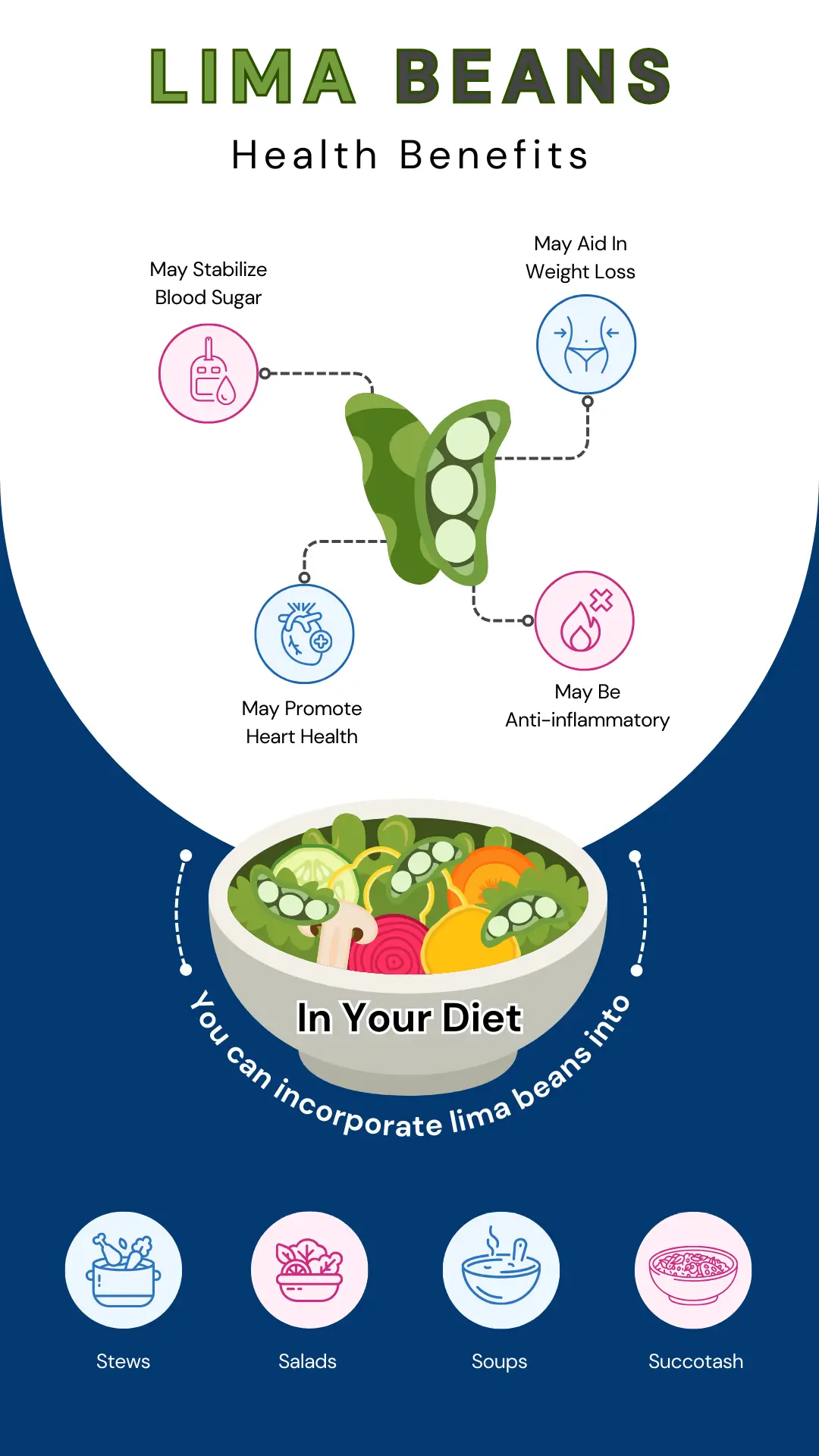
The health benefits of Lima beans are manifold.
Some of these benefits include:
Lima beans have a low glycemic index (a measure of blood sugar increase due to food consumption).
Lima beans are also fiber-rich, further helping control blood sugar levels.
According to a 2020 study, such legumes may help reduce fasting blood glucose levels and help control blood sugar in people with type 2 diabetes.
Lima beans are very heart-healthy foods owing to their high fiber content.
Their dietary fiber content also helps reduce cholesterol and inflammation.
They're rich in potassium which helps regulate blood pressure effectively.
Thanks to their protein and fiber levels, lima beans can promote weight loss.
These nutrients keep you full for longer, reducing the urge to snack and overeat- two of the biggest contributors to weight gain.
Including lima beans in your diet, therefore, may help you shed some extra pounds!
Some studies have shown that lima beans demonstrate anti-inflammatory and antioxidant activity.
They also effectively inhibit the growth of both Gram-positive and negative bacteria.
These properties could make Lima beans a promising ingredient in the nutraceutical industry.
It's rare, but you may also be allergic to lima beans if you have a legume or bean allergy.
Other potential side effects of lima beans are:
There's a simple workaround—soaking the beans before consuming them can significantly reduce the amount of antinutrients and linamarin in them, preventing any adverse health effects.
Other side effects that may occur due to their high fiber content or excessive consumption are:
Lima beans can be used dry, cooked, frozen and canned.
If you buy them dried, always cook them before consumption.
It helps to soak them in water overnight before cooking.
You can incorporate these beans into the following:
Despite their health benefits, they should be consumed in moderation.
Eating them in excess can result in bloating, gas, and stomach discomfort.
100 g of Lima beans has around 7.8 g of protein, slightly higher than most beans.
A complete protein contains every essential amino acid, and these beans do not fulfill this requirement.
Lima beans contain 7 g of dietary fiber, which reduces total cholesterol and low-density lipoprotein (LD) or bad cholesterol.
The dietary fiber forms a gel in the intestines, blocking fat and cholesterol absorption.
Lima beans are an excellent heart-healthy food as they are rich in fiber, potassium, magnesium and low in sodium.
They help reduce weight, cholesterol, and blood sugar levels, all promoting heart health.
Lima beans are good for your kidneys because they are high in fiber, iron, magnesium, and protein and low in fat.
They provide phosphorus, an essential mineral for people with kidney disease.
Their potassium content helps replenish any potassium lost during dialysis.
Spirulina For Men: Top 10 Health Benefits
Reviewing The Most Popular Diets Of 2024
The Ultimate Guide To Anti-inflammatory Diet + Food List PDF
Could something as simple as drinking water impact your mood? If you've been feeling more anxious than usual lately, your hydration levels could be the culprit. Most people simply don't get the fluids they need every day. Dehydration is prevalent among older adults, affecting up to 28% of this population. Research indicates that an alarming 75% of Americans are chronically dehydrated. As we age, staying hydrated becomes more and more essential. Let's understand the signs of dehydration and how it could evolve to trigger anxiety.
The following signs of dehydration can appear in adults and children.
It’s best to address them as soon as possible.
Common signs of dehydration include:
In infants, dehydration can look like:
If you notice these symptoms in a child to a severe degree, seek medical help immediately.
Chronic dehydration can impact health differently depending on the severity and duration. Some long-term effects include:
However, the long-term effects of dehydration are challenging to track, especially with conditions that take time to develop, such as cancer.
A significant amount of research suggests a correlation between dehydration and anxiety.
Studies have shown that when the body is dehydrated, anxiety levels can rise, though the increase is typically not severe.
A 2018 study examining the relationship between water intake and mental health found that individuals who consumed more water had a lower risk of anxiety and depression.
While the link between dehydration and depression was stronger, inadequate water intake also contributed to heightened anxiety levels.
A smaller-scale study in 2014 discovered that individuals who typically drink plenty of water felt more anxious and less calm as their water intake decreased.
Conversely, when participants increased their water consumption, they reported feeling happier, regardless of their usual drinking habits.
A 2015 study tracking mood and hydration levels among healthy women revealed that lower water intake was associated with increased tension, depression, and confusion.
A similar 2011 study found a connection between dehydration and tension in healthy men, indicating that lower hydration levels had links to higher tension levels.
Dehydration can have a significant impact on emotional health. Along with anxiety, it can induce negative feelings such as:
In severe cases, dehydration can cause dizziness and heart palpitations, similar to the extreme symptoms of stress or anxiety disorders.
When dehydration triggers anxiety, drinking plenty of water is one of the first steps to feeling better.
Staying hydrated helps restore the body's balance, and some studies suggest that increasing water intake may also alleviate dehydration-induced anxiety.
Along with water, sports drinks can help rehydration, particularly when your body flushes out electrolytes through excretion, sweat, or during sickness.
These drinks can help restore essential minerals like sodium and potassium, crucial in maintaining hydration and overall well-being.
In more severe cases of dehydration, particularly when it leads to intense anxiety or physical symptoms, medical attention may be necessary.
Medical professionals may give fluids and electrolytes directly into the veins to restore the body's hydration levels and relieve any associated symptoms, including anxiety.
Preventing dehydration requires drinking enough fluids each day.
There isn’t a specific amount that works for everyone, as each person has different needs.
You may need to drink more in certain situations:
Some groups are more likely to get dehydrated, including:
Yes, it is possible to be dehydrated even if you don't feel thirsty. It’s common in older people, who may not experience the same thirst sensation as younger individuals.
Additionally, the body's water needs can increase during hot weather or illness, making dehydration easier.
It's essential to be mindful of your water intake, especially in these situations.
Drinking water can help alleviate some dehydration-related anxiety symptoms.
Even if it doesn’t instantly dispel anxiety, the hydration can re-stabilize cognitive and emotional functions, which can help ease tension eventually.
Your daily water needs depend on various factors, but general guidelines provide a helpful starting point.
According to experts, an average adult living in a mild climate should aim for:
This figure includes water, other drinks, and your diet’s water content. Usually, 20% of your fluid intake typically comes from food.

Is Sleep Meditation For Anxiety Effective?

How Does Anxiety Affect Your Brain?

Benefits Of Clove Water: Weight Loss, Lower Inflammation & More
https://www.ncoa.org/article/10-reasons-why-hydration-is-important
https://www.ncbi.nlm.nih.gov/pmc/articles/PMC6147771
https://www.ncbi.nlm.nih.gov/pmc/articles/PMC3984246
https://pubmed.ncbi.nlm.nih.gov/25963107
https://pubmed.ncbi.nlm.nih.gov/21736786
https://www.healthline.com/health/anxiety/dehydration-and-anxiety
https://www.medicalnewstoday.com/articles/dehydration-and-anxiety
https://www.news-medical.net/health/What-is-Urolithiasis.aspx
https://www.mayoclinic.org/diseases-conditions/dehydration/symptoms-causes/syc-20354086
https://www.medicalnewstoday.com/articles/chronic-dehydration
Rheumatoid arthritis (RA) is a chronic autoimmune condition where the body’s immune system attacks the tissues in joint linings. While the exact cause of RA is unknown, researchers think it may be due to genetic, hormonal, environmental, and lifestyle-related factors. While there’s no cure for RA, the right treatments can relieve some symptoms. These symptoms differ across the 4 stages of rheumatoid arthritis. Learning about these stages can help you offer meaningful support to RA patients.
While most people associate RA with chronic joint pain and inflammation, it is actually a progressive autoimmune disease.
It progresses through four unique stages, namely:
In the earliest stage of RA, people experience mild, localized symptoms.
What Happens: RA-related inflammation remains limited to the joint for now.
The tissues swell, often causing pain. While the bones are not damaged, the joint lining is inflamed.
Symptoms: Stiffness, pain, and joint swelling like the fingers and knuckles.
The symptoms are mild and hard to detect at this stage, and most people at this stage of RA are not aware of their condition.
Prompt management of RA at stage 1 includes a 12-week treatment, and most cases end with successful remission.
Since doctors often don’t diagnose RA at stage 1, it usually progresses to stage 2 or the moderate stage.
What Happens: Joint lining inflammation begins to damage the bone and cartilage around it.
Symptoms: While symptoms may not become apparent at this stage, some people may experience:
Despite these symptoms, blood tests do not reveal RA antibodies yet, making it hard to diagnose at this stage.
At this stage, the disease is officially deemed severe.
What Happens: Bone damage at the joint continues and progresses to the cartilage.
With the joint cushion damaged, the bones rub together, causing pain and swelling.
Symptoms: Besides pain and swelling, other symptoms may become apparent, like:
At the final stage of RA, joint movement is almost entirely irregular.
Progression to stage 4 takes many years; not everyone experiences every stage.
What Happens: Bone, cartilage, and the entire joint unit are gradually destroyed.
Without any separation or cushion, the bones fuse, preventing any movement at the joint.
Symptoms: While there is no inflammation at the joint at this stage, people may still experience
If your doctor suspects your symptoms indicate rheumatoid arthritis, they will recommend a Rheumatoid Factor (RF) test.
RFs are antibodies of different types and participate in forming immunoglobulin G (IgG).
People with RA have an elevated (>20 IU/ml) rheumatoid factor (RF) in their blood.
This elevation also helps diagnose diseases like tuberculosis and Sjogren’s syndrome.
Based on the presence of this RF and antibodies called anti-cyclic citrullinated peptides (anti-CCPs), rheumatoid arthritis can be of two types:
Seropositive individuals may also have manifestations like rheumatic nodules and vasculitis outside the joint.
Though RA is a progressive disease, each patient’s journey could differ.
People with stages 1 and 2 of rheumatoid arthritis usually do not experience any symptoms.
As the disease progresses to stages 3 and 4, they may experience the following:
How your rheumatoid arthritis progresses depends upon many factors:
Understanding how your disease is likely to progress also helps your doctor determine the most effective treatment plan for you.
An RA diagnosis isn’t necessarily the end of the world.
Some tips to prevent the progression of the disease include:
Treating rheumatoid arthritis is primarily aimed at optimum symptom management and sending the disease into remission.
Common treatment modalities used for rheumatoid arthritis include:
Remaining sedentary, being irresponsible with your medications, and staying down in the dumps for extended periods can worsen rheumatoid arthritis significantly.
Cool packs, gentle exercises, hot baths, and pain medication can all help combat a sudden, painful rheumatoid arthritis flare-up.
Orange, tomato, pineapple, and carrot juices contain many antioxidants that help combat inflammation from rheumatoid arthritis flare-ups.
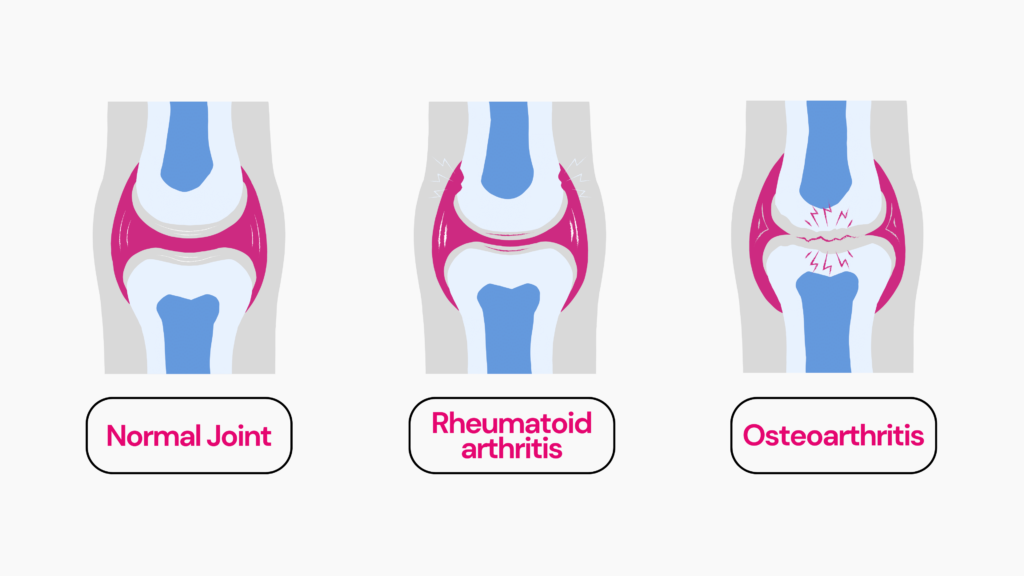
Is Arthritis Genetic?
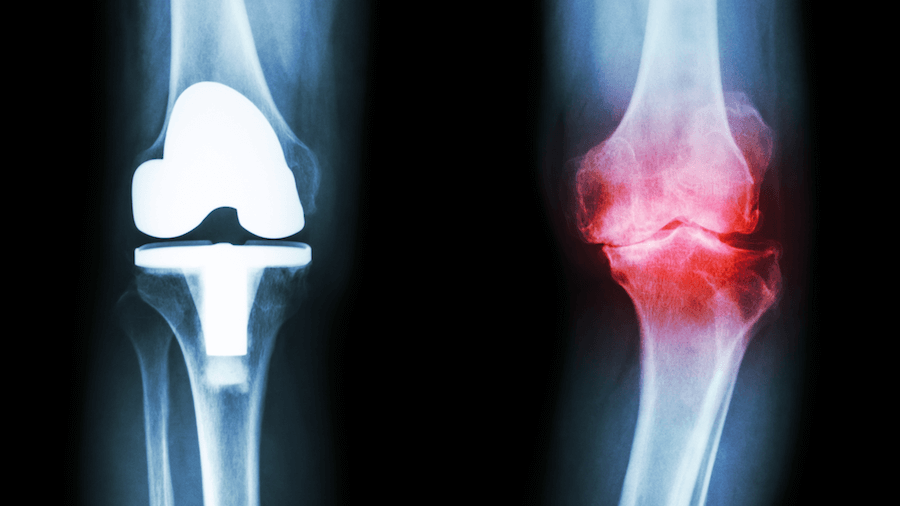
Is Osteoarthritis Genetic?

The 7 Stages Of Lewy Body Dementia, Explained
Starting your day with a combination of protein powder and coffee, or "proffee," has become a popular choice for fitness enthusiasts and health-conscious individuals alike. This trendy beverage promises to boost energy levels, support weight loss, and enhance workout recovery—all in one cup. But is it as effective and safe as it sounds? Experts weigh in on this trendy drink, its benefits, and potential risks.
Yes, you can. Adding protein powder to your coffee may just be one of the best ways to increase your protein intake and get your caffeine kick in the mornings.
This drink, which goes by the nickname Proffee, is commonly made by adding a scoop of whey powder to black coffee or espresso.
Adding protein powder to coffee is generally considered safe.
However, it is important to adjust the amount of protein powder to meet your needs.
It’s generally recommended to consume not more than 1-2 scoops per day.
Similarly, drinking 2-3 cups of coffee is safe for most; however, some may need to consume less.
Protein is key for building and repairing bones, muscles, cartilage, skin, hair, and nails. It is best taken in small amounts throughout the day.
The recommended intake of protein is around 0.25 - 0.4 g per kilogram of body weight.
Adding protein powder to your morning coffee can boost your protein intake early in the morning, making your breakfast wholesome.
Both protein and caffeine have proven benefits when it comes to weight loss.
Protein is highly satiating - meaning it can keep you fuller for longer, thereby curbing calorie consumption throughout the day.
It also helps burn more calories since more energy is required to digest protein compared to carbs or fats.
Caffeine lowers the levels of hunger hormones, increases the levels of satiety hormones, and boosts metabolism, thereby aiding weight loss.
For people engaging in intense cardio and strength training, the protein intake must be 1.2 - 1.7 g per kilogram of body weight.
Protein helps muscle recovery post-workout and caffeine aids in muscle contractions and delays muscle fatigue.
Consuming proffee before or after a workout offers similar benefits.
Not many are a fan of the taste of protein powders and shakes. So, if coffee is your thing, then adding proffee can be a good option for you.
Surveys suggest that while many skip their breakfasts, most have their morning coffee.
Although not a meal replacement, adding protein to coffee is an easier way to get your morning dose of protein.
If protein powder is added to blended oats, peanut butter, seeds, and instant coffee, your new proffee can be your breakfast!
Scientific research supports the potential benefits of combining coffee and protein powder, though the evidence for some claims is stronger than others.
Did you know your genetics may influence how your body processes caffeine?
Some people are naturally "fast metabolizers" of caffeine, while others may experience jitters and slower caffeine clearance due to genetic factors. Curious about how caffeine works with your unique biology?
Check out our blog post: How It Works: Caffeine and Genetics
or explore our Genes and Caffeine Report to discover your caffeine sensitivity profile.
While proffee is promoted as a convenient way to boost protein intake and enjoy your caffeine fix, its effectiveness and safety can depend on your individual health needs.
To provide clarity, nutrition experts share their insights on the benefits, potential drawbacks, and best practices for incorporating protein powder into your coffee routine.
Here’s what they have to say.
Anna Bohnengel, a registered dietitian and fertility nutritionist, notes that women (or those assigned female at birth) are more prone to elevated cortisol levels in the morning.
Drinking coffee on an empty stomach can worsen this.
To counteract this, she recommends consuming protein alongside coffee to maintain muscle and support fat metabolism.
However, adding protein powder to coffee isn’t the only solution—a protein-rich breakfast paired with coffee works just as well.
Catherine Gervacio, a registered nutritionist-dietitian and certified exercise nutrition coach, highlights that people with gut issues should be cautious when combining protein powder with coffee, as it could lead to an upset stomach.
She also advises those with pre-existing health conditions, such as kidney disease, to carefully plan their macronutrient intake.
Catherine insists on consulting a healthcare provider before incorporating proffee into their diet.
Bree Phillips, a registered dietitian at UCSF Health, emphasizes the convenience of protein coffee for those struggling to meet their protein requirements throughout the day.
She explains that adding protein to coffee can help fill nutritional gaps, particularly for people who often skip meals or find it difficult to incorporate enough protein in their diet.
However, she also warns people to evaluate their actual protein needs before jumping on this trend.
Dawn Menning, a registered dietitian, also offers similar views in terms of proffee being a convenient way to consume protein.
Experts agree that while protein coffee offers convenience and potential nutritional benefits, it’s important to ensure it fits your unique health needs.
For individuals with specific health concerns, consulting a healthcare provider can help determine whether this trendy beverage is a good fit.
Whether you choose proffee or a traditional protein-rich breakfast, the goal is to balance nutrition and personal wellness.
Adding protein powder to coffee is safe for most people, but here are some potential side effects:
*to mitigate risks, choose clean-label products from reputable brands.
By understanding these side effects and taking preventive measures, you can safely enjoy the benefits of protein powder in coffee without compromising your health.
Adding protein powder to your coffee is simple and can be done in a few easy steps. Here’s how you can make your own “proffee”:
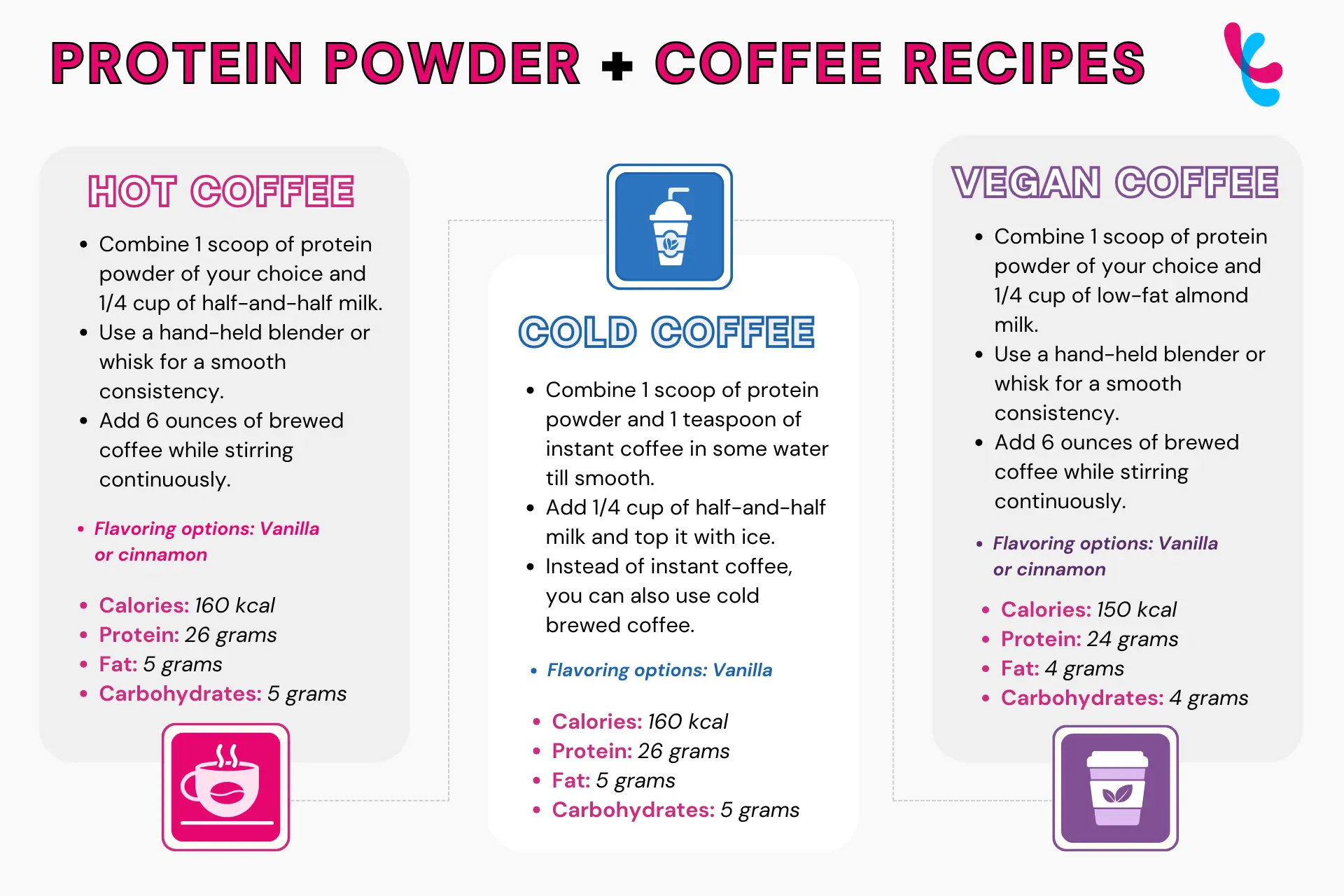
Yes, you can drink coffee after consuming protein powder. Many people combine the two for convenience or have them separately, depending on their preferences.
No, there is no strong evidence to suggest that coffee interferes significantly with protein absorption. However, excessive caffeine intake may affect digestion in some individuals.
It’s generally recommended to use one scoop of protein powder (20-30 grams) in your coffee, but this may vary based on your daily protein requirements and dietary preferences.
Consuming protein before coffee can help stabilize cortisol levels, particularly in the morning, and reduce the potential muscle breakdown caused by elevated stress hormones.
Whey protein is one of the most popular options due to its smooth texture and fast absorption. Plant-based proteins, like peas or soy, can also work, depending on dietary preferences.

Is Vitamin Water Good For You? What The Experts Say

Exercise Snacking: The Key To Staying Fit When You’re Too Busy

Top Five Teas For Better Gut Health In 2024
Many Americans may be MTHFR deficient and unaware of the same. MTHFR gene mutations can lead to nutritional deficiencies, fatigue, mental health issues, cardiovascular problems, and even neural problems in growing fetuses.
MTHFR deficiency can be handled with dietary supplements. Keep reading to learn the best multivitamins for MTHFR mutations and ways to combat the effects of the mutated gene.
The MTHFR (methylenetetrahydrofolate reductase) gene provides instructions for the production of the methylenetetrahydrofolate reductase enzyme.
This enzyme helps process various amino acids in the body. Amino acids are the building blocks of proteins.
The MTHFR enzyme helps convert an amino acid called homocysteine to methionine.
Methionine is an essential amino acid involved in hundreds of everyday operations at the cellular level.
The MTHFR enzyme also converts one form of folate (5,10-methylenetetrahydrofolate) into the active form called 5-methyltetrahydrofolate so the body can use it.

Certain variations in the MTHFR gene can lead to MTHFR deficiency.
This condition is caused by low levels of MTHFR enzymes in the body due to impaired functioning of the MTHFR gene.
People with MTHFR gene mutations may have high levels of homocysteine and low serum folate levels.
One commonly noted Single Nucleotide Polymorphism (SNP) in the MTHFR gene is rs1801133.
People carrying the TT genotype of this SNP may have significantly high levels of homocysteine and lower levels of serum folate.
According to studies, about 25% of Hispanics and 10-15% of Caucasians in North America are born to have the TT genotype of this SNP and have an increased risk of developing MTHFR deficiency.
MTHFR mutations affect the ability of the body to convert folate into its usable form. So, people with MTHFR mutations may have folate or vitamin B9 deficiency.
Vitamin B12 requires the active form of folate to be absorbed by the body. As a result, folate deficiency can, in turn, lead to vitamin B12 deficiency.
While the MTHFR mutation doesn’t directly lead to vitamin B6 (pyridoxine) deficiency, there may be connections between these two.
A 2016 study reports that pyridoxine may help better recycle folate in the body and improve folic acid metabolism.
As a result, vitamin B6 may bring down the buildup of unmetabolized serum folic acid levels.
MTHFR mutations may cause B complex and other nutritional deficiencies. These may lead to various health conditions, including the following.
The risk of developing the conditions depends on the type of MTHFR mutation present.
Methylated vitamins are specially formulated versions of certain B vitamins, like B12 and folate (B9), that are more easily absorbed and utilized by the body.
For some people, especially those with specific genetic variations, regular forms of these vitamins might not be efficiently processed, leading to deficiencies despite adequate intake.

Since MTHFR mutations affect the way the body processes certain vitamins, one of the important ways of handling the condition is nutritional supplementation.
Methylated vitamins are some of the best multivitamins for MTHFR mutation. It is advised to consult with your doctor before you start on any new supplements.
Since people with low levels of the MTHFR enzyme cannot process folate, they may benefit from picking up methyl folate supplements.
Methylfolate is a reduced and more active form of folate that the body can readily use.
Active vitamin B12 is B12 attached to a carrier protein called transcobalamin. This protein in the body helps transport vitamin B12 to the tissues.
This form of B12 is easily absorbed by the system, despite the levels of the MTHFR enzyme.
Pyridoxal-5-Phosphate (P5P) is an active form of vitamin B6 available as a supplement.
Like the other B complex supplements above, the active form of this vitamin is readily absorbed by the body and helps prevent vitamin B6 deficiency in people with MTHFR mutations.
Women with specific MTHFR gene mutations may have a higher risk of developing vitamin D deficiency.
A 2020 study reports that women with the homogenous MTHFR 677TT mutation had lower vitamin D levels than those with the CT and CC genotypes.
As a result, women with a mutated MTHFR gene may benefit from getting their vitamin D3 levels checked regularly to ensure they aren’t deficient.
NAC is an antioxidant and FDA-approved drug derived from the amino acid L-cysteine.
It is commonly used to treat respiratory conditions.
According to studies, NAC may help lower elevated levels of homocysteine in the body, helping convert this amino acid into its active proceeding form.
Glutathione is a type of antioxidant produced in all the cells in the body.
It plays vital roles, including eliminating free radicals, maintaining mitochondrial DNA, helping detoxify the body, and acting as a cofactor for different enzymes.
Homocysteine must be converted into its active form, cysteine, which is then required to produce glutathione.
In people with MTHFR mutation, homocysteine conversion doesn’t happen. This may lead to glutathione deficiency too.
While the MTHFR mutation does not cause magnesium deficiency, this mineral may help reduce cardiovascular risk in people with this gene mutation.
MTHFR mutation increases the risk of heart attacks and strokes. Magnesium can reduce these risks.
Migraines are also a common side effect of low levels of MTHFR enzymes, and magnesium helps with migraines too.
Methylated multivitamins may offer benefits like better energy levels and increased mental clarity for kids, especially those with MTHFR mutations.
However, multivitamins can have side effects like headaches and stomach issues.
Consult a qualified pediatrician before starting your kid on any supplements.
While folic acid is often discussed in the context of pregnancy and for females, the benefits of methylated vitamins for men are not out in the open.
However, excessive intake can lead to side effects, and folic acid can interact with certain medications. It's important to consult a healthcare provider before starting any supplementation regimen.
Some potential benefits include:
Vitamin B12 shots may be one of the best ways to improve B12 absorption by the body.
When compared to oral B12 supplements, shots are quick-acting. These don’t have to be taken as frequently as oral supplements too.
Different types of B12 shots are available, and your doctors may be able to identify the best one for your needs.
The MTHFR A1298C variant may increase the risk of colon cancer and schizophrenia.
A supplement composition of vitamin B6, B12, folate, and glutathione or methionine may benefit people with the MTHFR A1298C variant and reduce cancer and mental health risks.
Individuals with the MTHFR C677T variant may have higher homocysteine levels in the body. Vitamin B12 supplements or shots may help bring these levels down.
Eating foods rich in vitamins B12, B6, folate, vitamin D, and magnesium may help counteract the effects of MTHFR mutations. Here are some of the best foods to choose from.
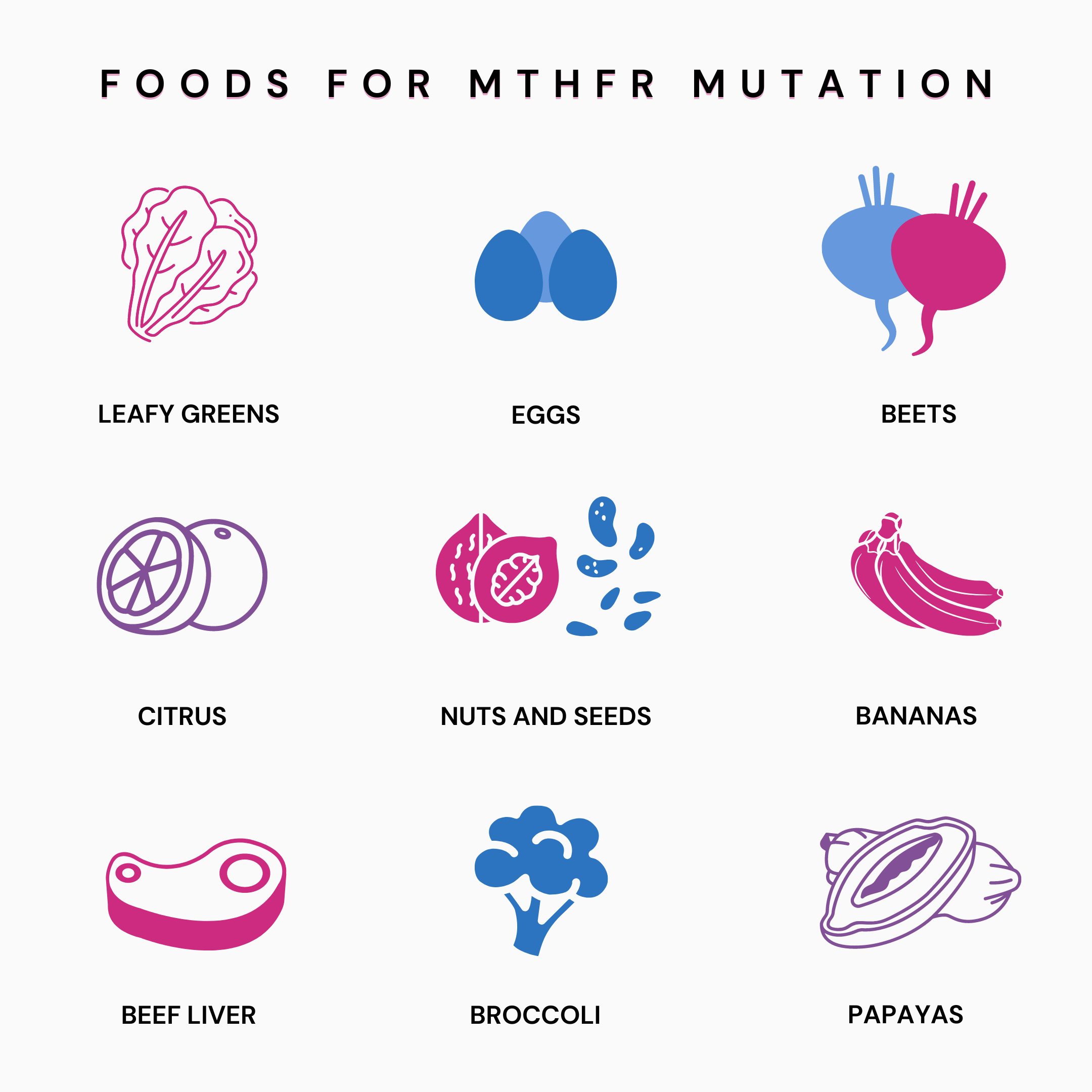
| Vitamin B12-rich foods | Vitamin B6-rich foods | Folate rich foods | Vitamin D-rich foods | Magnesium-rich foods |
| Beef liver | Beef liver | Leafy greens | Beef liver | Pumpkin and chia seeds |
| Clams | Poultry | Lentils | Cod liver oil | Dry nuts |
| Sardines, tuna, and salmons | Sardines, tuna, and salmons | Broccoli | Sardines, tuna, and salmons | Soybeans |
| Milk and dairy products | Chickpeas | Avocado | Fortified milk and dairy products | Spinach |
| Fortified cereals and eggs | Fortified cereals | Asparagus | Egg yolk | Brown rice |
| Fortified nutritional yeast | Drak leafy greens | Whole grains | Fortified orange juice | Edamame |
A simple blood test may be able to identify specific vitamin and mineral deficiencies.
A combination of a healthy diet and the right supplements can help improve nutritional levels and combat the effects of MTHFR mutations.
If you have an MTHFR mutation, supplementing with vitamin B12 may be beneficial, as these mutations can impair your body's ability to utilize B12 effectively, potentially leading to deficiency symptoms and elevated homocysteine levels. However, it's important to consult with a healthcare provider to assess your specific needs and determine the appropriate dosage and form of supplementation.
For individuals with MTHFR mutations, L-methylfolate (5-MTHF) is generally considered the best form of folate supplementation, as it bypasses the metabolic issues associated with these mutations. L-methylfolate not only effectively increases circulating folate levels but also helps reduce homocysteine levels, which is crucial for cardiovascular health.
Methylated vitamins are already in their active, bioavailable form, making them more easily absorbed and utilized by the body compared to non-methylated forms that require conversion. This can be problematic for individuals with genetic variations such as MTHFR mutations.