Around 6.2 million Americans of 65 years and above are ravaged by Alzheimer's. Alzheimer's is characterized by amyloid plaques in the brain. A new study found that people taking certain drugs for type 2 diabetes had less amyloid protein in the brain. Further, people taking these drugs also displayed a slower cognitive decline.
Alzheimer’s is one of the ten leading causes of death in the US. Medically, Alzheimer’s is a progressive neurological disorder, i.e., the nerve cells in the brain start to die, and the brain shrinks.
The area of the brain to get affected earliest is the hippocampus, which is responsible for memory. However, the onset of disease can occur much earlier than the appearance of the first symptoms.
Gradually, neuronal cell death progresses to other areas of the brain. This leads to severe memory impairment and loss of ability to carry out everyday tasks.
To date, there is no cure or treatment for Alzheimer’s. Further progression of the disease ultimately results in death due to severe loss of brain function involving dehydration, malnutrition, or infection.
Xcode Life’s Gene Health Report analyzes 50+ genetic markers for Alzheimer’s disease to give possible predisposition and recommendations. Check your Alzheimer’s Disease risk here.
Biological markers or biomarkers are characteristics that can be objectively measured as an indicator of a pathological or normal physical process.
For Alzheimer’s, scientists usually look for two proteins as the disease’s biomarkers.
Amyloid plaques are stacked forms of the beta-amyloid protein fragment. Beta-amyloid is a protein fragment cut from the amyloid protein precursor (APP). Usually, these protein fragments are cleansed from the brain by microglia.
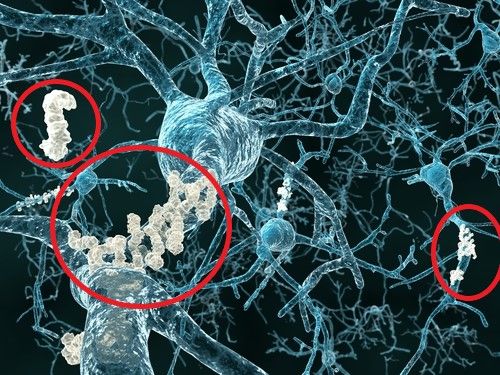
Image Source: Brain Blogger
The image here depicts amyloid plaques formed around nerve cells in the brain.
In Alzheimer's patients, the beta-amyloid does not get eliminated and starts forming clusters in the brain. In their early cluster stage, the beta-amyloid starts destroying synapses or nerve junctions - leading to memory loss in the individual. Upon forming plaques, the beta-amyloid protein contributes towards brain/nerve cell death.
Tau proteins are part of the neuron’s (nerve cell) internal support and transport system.
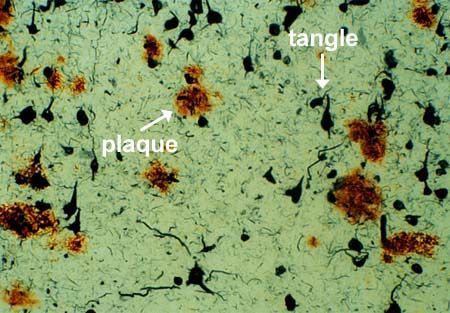
Image Source: Utah Public Radio
In Alzheimer’s, the tau proteins change their shape and structure to form tangles in the neuronal fibers. These tangles disrupt normal tau protein functioning and become toxic for the cells, thus leading to cell death.
The most prevalent genetic risk factor for Alzheimer’s is the ApoE (apolipoprotein E) gene. The 𝜀4 type of this gene is known to confer the highest risk factor and is present among 50% of Alzheimer’s patients.
The ApoE gene present on chromosome 19 makes a protein that helps transport cholesterol and other fat molecules through the bloodstream.
While there are two other types of the ApoE gene (𝜀2 & 𝜀3), only the 𝜀4 variant is associated with increased risk for Alzheimer’s. Having one or both copies of ApoE 𝜀4 in the body increases Alzheimer’s risk. The prevalence of individuals carrying one copy is about 25%, while only 2-3% carry both copies.
Know your ApoE gene Status with Xcode Life’s Gene Health Report.
Alzheimer’s is one of the diseases where age, especially old age, plays a significant role. Although Alzheimer’s development is not part of the normal aging process, old age increases the risk.
MCI is characterized by a decline in memory and associated thinking abilities, disrupting an individual's normal societal or work-environment functioning. Usually, an MCI diagnosis with primary memory deficit leads to Alzheimer's associated dementia.
Certain factors which pose a risk for cardiac problems also increase Alzheimer’s risk. Some of them are
Additionally, people with type 2 diabetes are at a higher risk of Alzheimer's disease. This may be due to higher blood sugar levels which have been linked to amyloid plaque buildup.
DPP-4 inhibitors or gliptins are oral diabetes drugs used to block the enzyme dipeptidyl peptidase-4. DPP-4i acts on incretins (a group of hormones that stimulate the release of insulin). In addition, it reduces glucagon (a hormone that increases blood sugar levels), thereby decreasing blood sugar levels.
A previous study exploring the effect of DPP-4i use on dementia among type 2 diabetes patients revealed an increased impact on dementia, albeit not in Alzheimer’s patients.
Studies revealed an increased risk of inflammatory bowel and hypoglycemia when combined with another class of diabetic drug, sulphonylureas (like glipizide and glimepiride), in type 2 diabetic patients.
Know your body’s predisposition to the metabolism of DPP-4i and sulphonylurea drugs with Xcode Life’s pharmacogenomics report, Personalized Medicine.
Scientists at the American Academy of Neurology explored the effect of DPP-4i use in Alzheimer’s patients who may/may not suffer from type 2 diabetes (T2D).
The study involved 282 people with either pre-clinical, early, or probable diagnosis of Alzheimer's. Individuals were of an average age of 76 and were followed for a six-year period. These people comprised of:
Researchers measured the amyloid content in the individuals’ brains using a brain scan.
Study participants were made to take a common thinking and memory test called Mini-Mental State Exam (MSME) every 12 months for 2.5 years to track cognitive decline. The test consisted of questions like counting backward from 100 by sevens or copying a picture on paper. The score ranged from zero to thirty.
Between the three subgroups, Alzheimer’s individuals having T2D and on DPP-4i drugs:
Further adjustment of factors that could affect MSME scores, the same Alzheimer’s individuals with T2D and using DPP-4i drugs scored even lower decline by 0.77 points per year.
Triple-negative breast cancer (TNBC) is one of the aggressive subtypes of breast cancer that occurs in women. Unfortunately, the prognosis and management of TNBC pose great difficulty. However, a new study by the University of Texas M. D. Anderson Cancer Center reports an association between statin use and improved survival rates among TNBC affected individuals.
TNBC is a subtype of breast cancer that lacks any receptors generally found in breast cancer cells. The other types of breast cancers have receptors for any of these hormones:
*Note: Receptors are proteins that receive chemical signals by binding to specific molecules.
TNBC represents about 10-15 % of all breast cancers.
The presence of even one of the receptors makes treating breast cancer easier. Doctors can then treat cancer by targeting these receptors to get inside the cancerous cell and destroy it.
However, in TNBC, the lack of receptors limits the treatment options.
According to the American Cancer Society, based on diagnosis information between 2010-2016, the 5-year survival rate for TNBC affected individuals is 77%. However, these statistics are subject to variation depending on the cancer progression stage and grade of the tumor.
Know about your BRCA status and risk for breast cancer using Xcode Life’s BRCA and Breast Cancer Report.
Statins represent a class of drugs usually prescribed for heart attacks and stroke. Statins help in lowering blood cholesterol levels.
Statins can be broadly classified into lipophilic and hydrophilic statins. Lipophilic statins are fat-soluble, and hydrophilic are water-soluble.
Notably, lipophilic statins quickly enter the cells and communicate with cell membranes. In contrast, hydrophilic statins show more selectivity to liver cells.
Explore your body’s response to different types of statins with Xcode Life’s Personalized Medicine report.
The earliest research to report a link between statin and TNBC was a study in 2013. According to the study, statins activate the inhibition of TNBC through the PI3K pathway. They also suggested Simvastatin as a potent candidate for the treatment of TNBC, especially for wild-type (a form of the gene occurring naturally and predominating a population) expression of PTEN in the TNBC tumors.
Another study, done in 2017, to investigate the outcome of statin use on TNBC produced mixed results. The study observed no apparent association between statin use and overall survival (OS) in an unselected cohort of TNBC patients.
However, statin use significantly improved OS within a specific group of test subjects whose cholesterol and triglyceride levels were controlled. In addition, statin use showed a pronounced effect on survival rate even for another group of triple-negative patients who experienced metastatic failure.
*Note: 1. Overall survival: Length of time from the diagnosis date or start of treatment that a patient is still alive.
2. Metastasis: Stage of cancer where the cancerous cells start migrating from their origin site and infect other healthy parts of the body.
In 2019, a study found that the effect of statin use on breast cancer survival depended on the duration of statin use. In the test subject group, patients who had a medical history of statin use for more than five years experienced a conspicuous improvement in survival rate.
(NB: The findings of the study were irrespective of breast cancer type or receptor subtype)
In 2020, a statistical study on the clinical outcome of statin use on breast cancer diagnosis involving multiple research studies found a significant association between statin use and decreased recurrence rate and breast-cancer mortality in women.
| Year | Study | Outcome |
| 2013 | Statin induces inhibition of triple negative breast cancer (TNBC) cells via PI3K pathway. | Statin activates inhibition of TNBC through the PI3K pathway |
| 2017 | Impact of Statin Use on Outcomes in Triple Negative Breast Cancer. | Statin use improved survival rates in TNBC patients who:Had their cholesterol and triglyceride levels controlledExperienced metastatic failure |
| 2019 | Impact of long-term lipid-lowering therapy on clinical outcomes in breast cancer. | Long-term (>5 years) use of statin improved survival rates in TNBC patients |
| 2020 | Association Between Statin Use and Prognosis of Breast Cancer: A Meta-Analysis of Cohort Studies. | Significant link between statin use and decrease in the recurrence rate of TNBC and disease-specific mortality in women. |
A study led by Kevin Nead of the University of Texas M. D. Anderson Cancer Center explored the outcomes of statin use in breast cancer patients. This study was the first to investigate the effect of statin use on all subtypes of cancer, focusing mainly on TNBC.
According to Nead, “Previous research has looked at breast cancer as only one disease, but we know there are many subtypes of breast cancer, and we wanted to focus our research on this particularly aggressive form of breast cancer that has limited effective treatment options.”
The study analyzed 23,192 female patient data included in the Surveillance, Epidemiology, and End Results (SEER)-Medicare registry and the Texas Cancer Registry (TCR)-Medicare databases between 2008-2015. Patients were at least 66 years of age and diagnosed with stage I-III breast cancer.
2281 patients out of 23,192 were individuals who commenced statin use within 12 months of a breast cancer diagnosis. Out of these 2281 patients, 78.1% were white, 8.9% were black, 8.4% were Hispanic, and 4.5% belonged to other races.
The study also assessed the type-specific effect of statin on breast cancer outcomes.

Night shift work can impact your circadian rhythm by making you operate in a way that is “unnatural” to your sleep-wake cycle. A recent study has reported that people who work night shifts are at an increased risk of developing atrial fibrillation and heart disease. The study further reported that among the night shift workers, women who are physically inactive are at the highest risk.
Atrial fibrillation (AF) is characterized by irregular and often rapid heart rate that can increase the risk of stroke, heart failure, and other heart-related ailments.
Generally, the chambers of the heart work in coordination to pump the blood. However, in AF, the two upper chambers of the heart (right auricle and left auricle) beat chaotically and out of coordination with the two lower chambers (right and left ventricle) of the heart.
Some common symptoms associated with AF include :
Learn Your Genetic Risk for Atrial Fibrillation with Xcode Life’s Gene Health Report
Night shift workers, on average, get two to three hours less sleep than other workers. They often sleep through the day in two split periods; a few hours in the morning and then around an hour before starting the night shift.
It’s challenging to keep the sleep environment dark, free of noise, and relatively calm. A person working the night shift is at greater risk of various health conditions due to the disrupted circadian rhythm.
Researchers suggest that working the night shift may lead to hormonal and metabolic changes, which can increase the risk for obesity, diabetes, and heart disease.
Further, studies report that circadian misalignment results in a drop in levels of the weight-regulating hormone leptin. This can increase heart disease risk by prompting an increase in appetite.
The study included 286,353 people who were in paid employment or self-employed.
The study cohort was divided into:
The researchers adjusted their analyses for several factors like age, sex, ethnicity, education, socio-economic status, diet, smoking, body mass index, sleep duration, and chronotype that could alter the risk of developing AF.
The researchers, therefore, adjusted these risk factors.
The following were observed in the study:
The study further revealed two more interesting findings.
Avoid Caffeine Close to Bedtime
Caffeine inhibits your body’s ability to feel sleepy. So, avoid food and drink containing caffeine at least 4 hours before your bedtime.
Maintain A Sleep-Conducive Environment In Your Bedroom
Light exposure can activate all the processes in your body associated with wakefulness, making it difficult for you to fall asleep. Use blackout curtains or blinds that can help block the light entry.
Eat Healthy
Shift work has been associated with an increased risk of metabolic disorders. Limit sugar intake and increase protein intake. Eating small, frequent meals can also help maintain your metabolic health.
Exercise Regularly
Avoid daytime exercising when on shift work, as it can promote wakefulness. But, make sure to adopt a consistent exercise routine as this can help lower the risk for heart disease.

Vitamin E is a group of 8 different nutrient compounds: 4 types of tocopherols and four types of tocotrienols. Both tocopherols and tocotrienols are types of vitamin E nutrients.
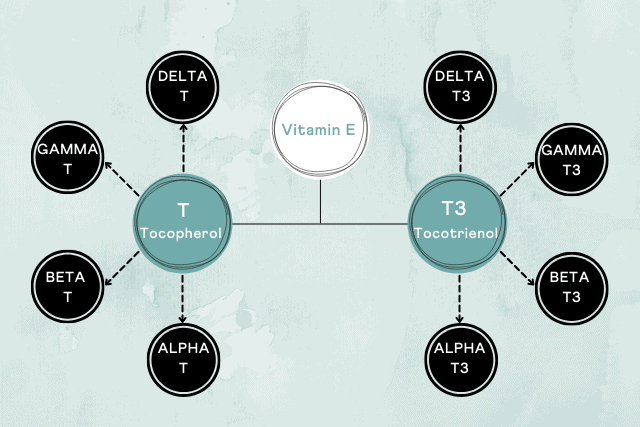
Image: Forms of Vitamin E
The most predominant form of vitamin E in the body is α-tocopherol. It comprises over 90% of the vitamin E found in the body. This form was first isolated from wheat germ oil. Interestingly, the “tokos” in α-tocopherol stands for “childbirth.”
Animal studies have revealed that a deficiency of α-tocopherol increases the risk of infertility. That’s why this nutrient is also known as anti-infertility vitamin or anti-sterility factor X.
Vitamin E is an essential nutrient, which means we need to obtain this nutrient through food sources.
Some foods rich in vitamin E are almonds, sunflower seeds, avocados, peanut butter, pine nuts, rainbow trout, and pumpkin.
Vitamin E is a potent antioxidant and protects our body from the damaging effects of free radicals.
Free radicals are unstable molecules that are harmful to the healthy cells in our bodies.
Vitamin E also has anti-aging properties.
Once vitamin E enters the body, it is absorbed by the intestines and stored in the adipose tissues, commonly known as body fat. On-demand, the adipose tissues are broken down to release vitamin E.
Here, it is important to know that the liver only acts on α-tocopherol and converts it into a form that is usable by the cells in the body. All other types of vitamin E are excreted out.
A healthy adult woman requires about 8 mg of vitamin E per day. In men and pregnant women, the requirement increases to 10 mg per day.
Vitamin E deficiency can result in a weakened immune system, muscle damage, vision loss, and nervous system-related disorders.
Many conditions like cystic fibrosis, short bowel syndrome, and chronic pancreatitis prevent effective absorption of fats, including the fat-soluble vitamin E. So, they can increase your risk for vitamin E deficiency.
Genetics is another important factor that contributes to vitamin E deficiency.
The TTPA gene is crucial for regulating vitamin E levels in the body. It contains instructions for the production of α-tocopherol transfer protein. This protein is responsible for the distribution of vitamin E obtained from the diet to all the cells and tissues of the body.
Any changes in this gene can affect the amount of the protein produced, and hence the vitamin E levels. People who have these changes are at a higher risk of vitamin E deficiency.
A simple genetic test can reveal your genetic status of vitamin E deficiency.
Most genetic tests provide your DNA information in the form of a text file called the raw DNA data. This data may seem like Greek and Latin to you.
At Xcode Life, can help you interpret this data. Upload your raw data and order a nutrition report.
Xcode Life then analyzes your raw data in detail to provide you with comprehensive nutrition analysis, including information on your vitamin E requirements.
Also Check Out: Gene Nutrition Report Walkthrough!

Folate (Vitamin B9) is also known as folic acid or folate. "Folic" is derived from the word "folium," meaning leaves, as in green leafy vegetables. Needless to say, leaves are one of the richest sources of vitamin B9.
The vitamin B9 we eat is absorbed in the jejunum region of the small intestine after going through minor structural changes.
In most cases, dietary sources of vitamin B9 are sufficient to meet this nutrient's requirement. Other than the leafy greens, some foods rich in vitamin B9 are beans, whole grains, seafood, peanuts, and sunflower seeds.
The Recommended Dietary Allowance or RDA for folate is 400 mcg/day for healthy adults. The RDA for lactating and pregnant women are 500 and 600 mcg/day, respectively.

Folate deficiency in pregnant women is one of the leading causes of neural tube defects, a birth abnormality, in babies.
Symptoms of vitamin B9 deficiency include extreme tiredness, pale skin, headaches, and heart palpitations.
Vitamin B9 needs to be converted into a form called tetrahydrofolate or THF to be effectively used by the body. The conversion of folic acid to THF is carried out by an enzyme called THF reductase.
This conversion is a very crucial step in the MTHFR cycle.
THF plays a very important role in converting a harmful amino acid called homocysteine to a safe and useful amino acid called methionine.
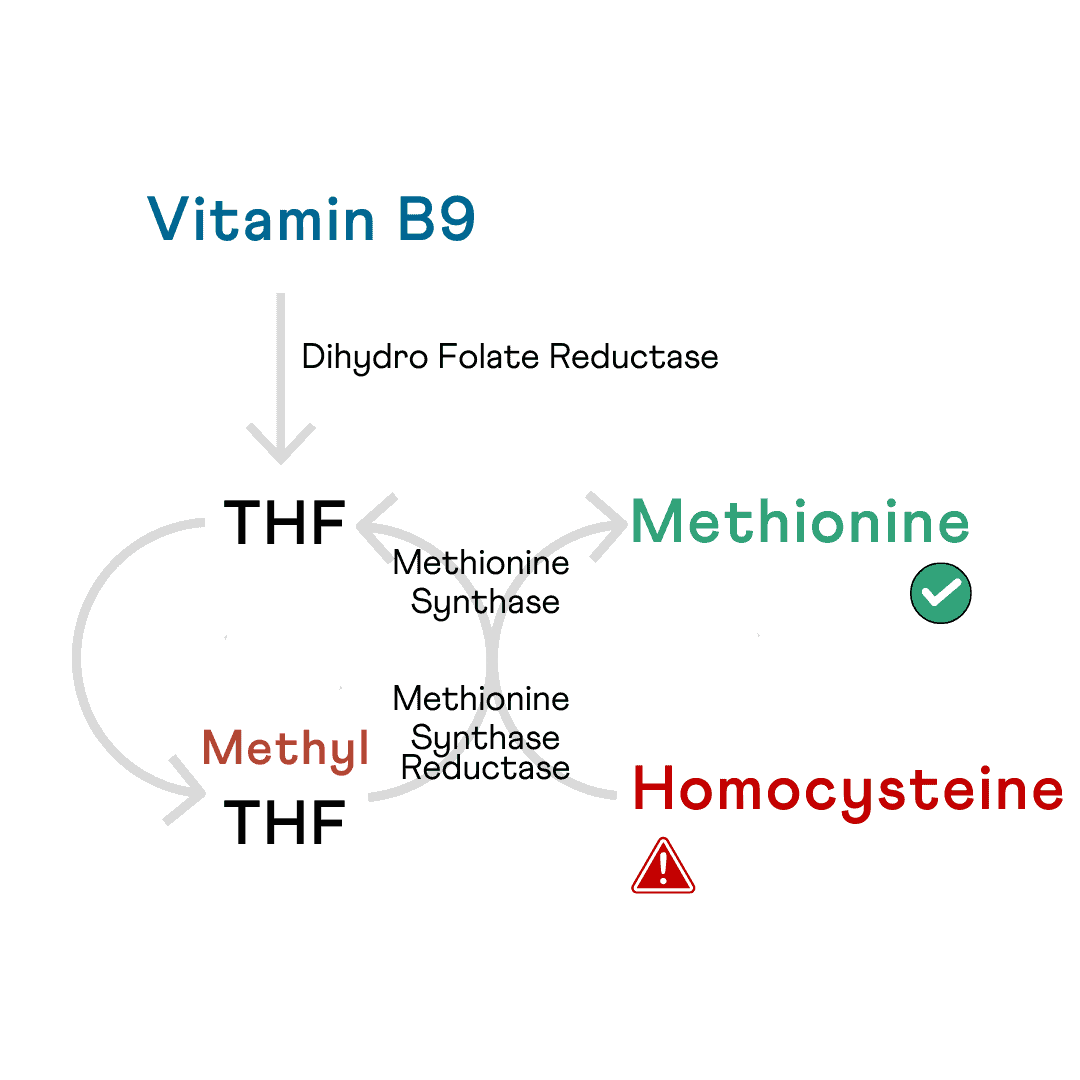
Image: Folate Cycle
The MTHFR gene is a well-known gene associated with folate deficiency. This gene helps the conversion of inactive vitamin B9 such as folate, or folic acid, to active B9, the THF.
30-60% of people have a change in this gene that ultimately leads to low vitamin B9 levels in the body.
Other genes like MTYL1 also influence your vitamin B9 levels.
Fortunately, vitamin B9 deficiency comes with a simple fix - increasing your dietary folate intake. In some cases, folate supplements may be advised.
A simple genetic test can reveal your genetic status of vitamin B9 deficiency.
Most genetic tests provide your DNA information in the form of a text file called the raw DNA data. This data may seem like Greek and Latin to you.
At Xcode Life, can help you interpret this data. Upload your raw data and order a nutrition report. Xcode Life then analyzes your raw data in detail to provide you with comprehensive nutrition analysis, including information on your vitamin B9 requirements.
Breast cancer is one of the most common types of cancer affecting American women. On average, 13% of American women will develop this invasive condition.
Many genetic and environmental factors can increase or decrease a person’s risk of developing breast cancer.
One such factor is the amount of fat you consume.
Dietary fat is a macronutrient needed in the right amounts to keep the body healthy and nourished.
The fat you consume is usually stored as a reserve in the adipose tissue and used as an energy source when you consume fewer calories than what the body needs.
Fat also helps absorb fat-soluble vitamins like vitamin A, D, E, and K.
Fats play a role in protecting your internal organs, keeping you warm, and controlling the action of different hormones.
High levels of dietary fat may increase the sex hormones in a woman’s body (estrogen and progesterone). Some researchers assume that this may be why fats increase the risk of breast cancer, especially hormone-receptor-positive breast cancers.
High dietary fat intake also increases the risk of obesity. Obesity, in turn, increases postmenopausal ER-positive breast cancer risk by increasing estrogen production in the body.
A 2003 study assessed the risk of breast cancer in 90,655 premenopausal women between the ages of 26 and 46. This 8-year study identified 714 cases of breast cancer during the follow-up.
According to the study, women who had consumed high animal dietary fats had a slightly increased risk for breast cancer. The study identified that red meat, animal fat, and dairy products specifically increased cancer risk.
Does The Type of Fat Matter?
There are four major types of dietary fatty acids.
Saturated and trans fat are considered unhealthy fats as they increase blood cholesterol levels and lead to heart conditions.
Unsaturated fats are healthy as they bring down cholesterol levels and also boost heart health.
When it comes to breast cancer risk, the type of fat you consume definitely matters. Many studies relate saturated fats and trans fats to an increased risk for breast cancer. Conversely, some unsaturated fats seem to be protective against breast cancer.
A 2003 meta analysis studies the risk of breast cancer in people who consumed excess dietary fats.
According to the meta-analysis, short-term and long-term studies found that people who consumed excessive saturated fats and meat had a 13% higher risk of breast cancer.
Another combined analysis study that included data from 12 case-controlled studies found a positive relationship between saturated fat intake and breast cancer.
This study also reports that with changes in the diet, up to 24% of postmenopausal women and 16% of premenopausal women in North America decreased their risk of developing breast cancer.
Industrial Trans Fatty Acids (ITFAs) are trans fats produced in industries and added to various dairy products, snacks, and pastries. Ruminant Trans Fatty Acids (RTFAs) are made in the bodies of cows, goats, sheep, and other animals as a result of bacterial action. RTFAs are present in most animal fats, and consuming these fats increase RTFA levels in the body.
The European Prospective Investigation into Cancer and Nutrition (EPIC) found a positive relationship between ITFA and RTFA consumption and the risk of breast cancer in 318,607 women.
A 2005 study analyzed the effects of unsaturated fatty acids on breast cancer risk. The study reported that omega-3 fatty acids, a type of polyunsaturated fatty acid, brought down the risk of breast cancer.
In contrast, omega-6 fatty acids, a different kind of polyunsaturated fatty acid, increased the risk of breast cancer.
A 2015 article observed the interaction of omega-3 fatty acids and omega-6 fatty acids in the development of breast cancer in 1463 breast cancer patients and 1500 controls. The study suggests that American women can reduce their risk of breast cancer by increasing their omega-3 fatty acid intake (omega-3 has anti-inflammatory properties) and decreasing the consumption of omega-6 fatty acids (Omega-6 induces inflammation).
When it comes to MUFAs, the type of food plays a role in increasing or decreasing cancer risk.
A 1993 meta-analysis study reported that MUFAs also increase a woman’s risk of developing breast cancer.
Another study reported that oleic acid and palmitic acid, types of monounsaturated fatty acids, increased the risk of breast cancer in women.
Olive oil, which is rich in MUFA, seems to protect against cancers, though. People who chose olive oil over other lipids like butter had high levels of protection against all cancers, including breast cancer.
The DOCK1 gene (Dedicator of cytokinesis gene) helps create the DOCK180 protein that plays a role in signaling between cells.
rs113847670 is a single nucleotide polymorphism or SNP in the DOCK1 gene. It is associated with breast cancer risk. The T allele of this SNP results in 5 times higher risk of developing breast cancer on excess intake of saturated fats.
| Allele | Implications |
| T | 5-times higher risk of developing breast cancer on excess intake of saturated fats |
| C | Normal risk of breast cancer on excess intake of saturated fats |
Obesity is one of the factors that can contribute to increased breast cancer risk. Excess intake of fats can lead to weight gain and obesity too. As a result, the combination of obesity and excess fat intake can aggravate breast cancer risk.
This is true, especially in post-menopausal women. Such women can bring down their risk of breast cancer by limiting saturated and trans-fat intake.
Other than cutting back on fats, the following dietary changes can help lower breast cancer risk:
Genetic testing will tell how harmful fat consumption is for your body. If you are at higher risk of developing breast cancer because of fat intake, talk to a nutritionist to control the risk.