Pesticides are routinely used in agrochemical industries to prevent, repel, mitigate or kill pests that can damage the produce. It is a broad term and usually includes fungicides, herbicides, acaricides, bactericides, nematicides, rodenticides, etc.
Based on their chemical structure, pesticides can be of the following types – Organochlorine, Organophosphorus, Carbamates, and Pyrethroids. Unfortunately, while consuming fruits, vegetables, and other products, we inadvertently consume some pesticides.
Pesticides are called xenobiotics, i.e., foreign compounds that are not produced by the body but found in it. The organochlorine group of pesticides are the most widely used and are predominant pesticides in the environment. They also have the potential to accumulate in the body’s adipose (or fat) tissues. These pesticides alter enzyme activities and cause harmful effects on the nervous system.
Since pesticides have a long half-life (they take a long time to reduce to half of their concentration in the body), the body has to eliminate them regularly.
The metabolism of pesticides occurs in two phases – Phase I and Phase II reactions. Metabolism is the process by which chemicals like pesticides that enter our body are broken down into smaller components, made less toxic, and more water soluble to enable their easy elimination from the body.
In some cases, detoxification can result in the formation of a toxic product. This is called the bioactivation of a pesticide.
Pesticides are lipophilic (or fat-soluble) substances. This nature helps them to enter the cell membrane and bind to various lipoproteins in the blood. Since they are fat-soluble, they are insoluble in water and are not easily eliminated from the body. To remove them, they are converted into polar compounds that are easily eliminated from the body.
Phase I: In the first phase, these fat-soluble pesticide molecules are converted into polar compounds by adding a polar group. This process occurs either by oxidation, reduction, or hydrolysis reaction. The end product of the phase I reaction now serves as a substrate (or starting compound) for phase II reaction.
Phase II: In Phase II of pesticide metabolism, the polar compound gets attached to substances in the body such as sugars, amino acids, glutathione, phosphates, and sulfates. This conversion to a polar compound makes pesticides less toxic and easy to eliminate.
Metabolism of xenobiotics like pesticides occurs in all tissues and organs as it is a defense mechanism to eliminate toxic products and reduce any harmful effects on the organism. Though all organs and tissues show some amount of pesticide metabolism, detoxification occurs more actively in organs like the kidney, liver, and intestine.
Enzyme groups like the Cytochrome P450 (or the CYP enzymes), NADPH Cytochrome C Reductase, and Flavin-Containing Monooxygenase (FMO) play an important role in the metabolism of pesticides in the body. Other enzymes that play a role in pesticide detoxification include dehydrogenases, reductases, and Glutathione S Transferase.
Failure to eliminate pesticides from the body can lead to their accumulation and subsequent toxicity. The toxicity of pesticides is expressed in terms of LD50. It is defined as the single exposure dose of a substance per unit bodyweight of the organism and is the abbreviation for Lethal Dose 50%.
Based on this LD50 value, pesticides can be of the following types, based on their toxicity scale:
| Category | LD | Examples |
| Extremely Toxic | 1 mg/kg(ppm) or less | Parathion, aldicarb |
| Highly Toxic | 1-50 mg/kg(ppm) | Endrin |
| Moderately Toxic | 50-500 mg/kg(ppm) | DDT, Carbofuran |
| Slightly Toxic | 500-1000 mg/kg(ppm) | Malathion |
| Non-Toxic | 1-5 gm/kg |
Organophosphorus pesticides hinder the activity of an enzyme (acetylcholinesterase enzymes) important for the proper functioning of the nervous system. The toxicity effects of organophosphorus compounds are rapid, and symptoms appear immediately after exposure. Exposure to these pesticides can be hazardous for people with reduced lung function and a history of convulsive disorders.
Two primary groups of genes are involved in the metabolism of pesticides, particularly organophosphates. These include the CYP genes and PON gene family.
CYP Genes
The CYP genes and enzymes perform a vital role in the metabolism of pesticides. Some genes that play a role include CYP1A1, CYP1A2, CYP2A6, CYP2B6, CYP2C8, CYP2C9, CYP2C19, and CYP2D6. In addition, CYP2B6 and CYP2C19 play an essential role in phase I detoxification of pesticide metabolism.
The CYP2B6 Gene
The CYP2B6 gene and its variants (different forms) are studied in relation to chlorpyrifos (CPS), a broad-spectrum organophosphate insecticide. This substance is said to be neurotoxic to humans, which means it affects the nervous system.
Chlorpyrifos oxon (CPO) is a toxic by-product of CPS metabolism and is produced by the CYP2B6. Two forms, CYP2B6 *5 and *8, convert chlorpyrifos to chlorpyrifos oxon.
CYP2B6*6 is another form of interest in the metabolism of chlorpyrifos. Studies suggest that CYP2B6*6 has increased activity but a reduced potential to activate chlorpyrifos in the human liver cells compared to other variants. Due to this, people with the *6 form of the CYP2B6 gene are less susceptible to chlorpyrifos toxicity.
The CYP2C19 Gene
The CYP2C19 gene has many forms, with CYP2C19*2 being the most common one. CYP2C19 acts as a catalyst in the metabolism of methoxychlor, a pesticide. However, in people having the non-functional form of the gene (also called poor metabolizers), the role of the CYP2C19 gene is performed by the CYP1A2 gene.
The PON1 Gene
The PON gene family comprises three genes– PON1, PON2, and PON3. PON1 or Paraoxonase 1 is a calcium-dependent enzyme and is located on chromosome 7. This means that the activity of this enzyme depends upon the availability of calcium. There is increasing evidence from studies that variations in the PON1 gene increase an individual’s susceptibility to organophosphate toxicity (https://www.liebertpub.com/doi/10.1089/dna.2012.1961).
Organophosphates induce low-grade inflammation in humans, and PON1 gene variations have shown to cause intoxication in Cameroonian and Pakistani pollution (https://www.ias.ac.in/public/Resources/General/jgen/16-299-020217.pdf). Two variations or SNPs of this PON1 gene are essential in the metabolism of pesticides. These include rs662 and rs7493.
Individuals having the T allele are said to be at a higher risk of developing organophosphate toxicity than those having the C allele.
Studies show that children with the C allele exposed to pesticides before their birth tend to have a greater abdominal circumference, more body fat content, high blood pressure, and BMI than those who have not been exposed. However, these features were not observed in children having TT genotype.
Avoiding exposure to pests by preventing their entry into your home, garden, and lawn is an excellent way to stay clear of any pesticides they have.
Since pesticides can cause toxicity, it is a good idea to use non-chemical pest control methods. Some of these options include natural pesticides, mechanical traps, sticky traps for more minor pests, and vacuuming during a flea infestation.
If you have to use pesticides, always read label instructions before you purchase the product. Then, follow the instructions on the label to use the pesticide. Always wear protective gear to avoid direct contact with the chemical, and make sure you prepare and use the pesticide away from food or other consumables.
The risk of exposure to pesticides is high even when you store them in your home. Ensure safe storage of pesticides in your house by keeping them under tightly closed containers. Keep them out of reach of children and yours. If your skin gets exposed to a pesticide, wash your hands properly. Always change your clothes or have a bath after working with pesticides to avoid any form of accidental inhalation of particles or their consumption.
If you are exposed to pesticides regularly due to your job or profession; it may be a good idea to get genetic testing done as individuals having the T allele in SNP rs662 are said to be at a higher risk of developing organophosphate toxicity as compared to those having the C allele.
Magnesium is the fourth most abundant mineral in the body! In fact, all our cells contain magnesium!
Most of it is stored in the bones, muscles, and soft tissues. It plays an important role in numerous body functions.
Magnesium is a cofactor. Cofactors are not proteins; they attach to a protein, mostly an enzyme, to help activate it. Magnesium is involved in more than 300 enzymatic reactions in the body.
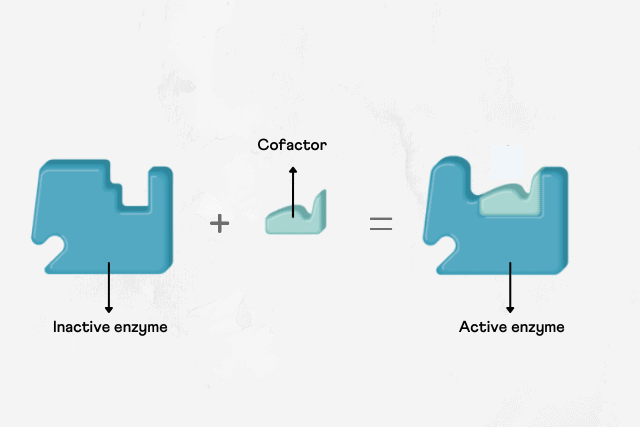
It also plays a crucial role in metabolism by breaking down the food you eat to provide your body with energy. Adenosine triphosphate, or ATP, is the main source of energy in the body. For ATP to be active, it must bind to magnesium.
Magnesium, along with calcium, plays an important role in muscle contraction and relaxation. During exercise, magnesium maintains a balance of electrolytes, both within and outside the muscle cells, thereby preventing muscle cramps.
This process doesn’t just benefit your skeletal muscles, but your heart muscles too! It regulates the rhythmic contraction and relaxation of the heart muscles, thereby keeping a check on your blood pressure.
Magnesium also helps form new bone cells in order to maintain bone strength.
Studies show that about 68% of the US population does not meet their daily magnesium requirements.
The recommended daily intake is 400 milligrams for adult males and 310 milligrams for adult females.
This varies with age and other factors like pregnancy or underlying health conditions.
Magnesium deficiency or hypomagnesemia can lead to muscle weakness, cramping, numbness, irregular heartbeat, loss of appetite, and several other symptoms.
In certain cases, people may also have very high levels of magnesium, and this is termed hypermagnesemia.
The mineral content of these foods depends on the nutritional content of the crop and soil.
Sometimes, you might need magnesium supplements to meet your daily recommended intake.
The magnesium levels in your body are partly influenced by your genes. CASR is one such gene, which contains instructions for producing a protein called the Calcium Sensing Receptor.
The CASR protein mainly regulates calcium levels but also influences the reabsorption of magnesium in the kidneys.
Certain types of this gene can increase your risk of magnesium deficiency by reducing the reabsorption of magnesium.
Through a genetic test, you can find out if you have any genetic variations that affect your magnesium levels.
Most genetic tests provide your DNA information in the form of a text file called the raw DNA data. This data may seem like Greek and Latin to you.
Xcode Life, can help you interpret this data. All you have to do is upload your raw data and order a nutrition report. Xcode Life then analyzes your raw data in detail to provide you with comprehensive nutrition analysis, including information on your magnesium levels.

Vitamins are organic substances needed for the growth and development of the human body. Ascorbic acid or Vitamin C is one such vitamin.
It was discovered in the 1920s by Albert von Szent Györgyi as the molecule that can cure scurvy. Scurvy, which is caused by severe Vitamin C deficiency, can turn fatal if left untreated.
Vitamin C is now an established drug and is commonly used as a supplement. Vitamin C must be consumed through food or diet. It can be excreted out of the body easily because of its water solubility.
Some animals like cats and dogs can synthesize this vitamin on their own, whereas some birds, fish, and humans cannot.
Though humans have the gene needed for vitamin C production, it has been inactivated through evolution.
The gene crucial for converting L-Gulonolactone into ascorbic acid, the active form of vitamin C, is heavily mutated. This gene contains instructions for producing an enzyme called gluconolactone oxidase or Gulon. These mutations were accumulated over time as humans evolved. These genes that accumulate mutations and are not functional are termed pseudogenes.
You must be wondering why a process so crucial is prevented from happening in our bodies. The answer to this lies in understanding the function of this gene.
There are a few theories to answer this question.
The first one is that hydrogen peroxide is a byproduct of this process.
Hydrogen peroxide is a reactive oxygen species, ROS for short. A buildup of ROS in the body can lead to disease conditions. By not synthesizing vitamin C, our body prevents the buildup of ROS.
Another theory talks about the function of vitamin C as a regulator.
Vitamin C regulates the transcription factor Hypoxia-Inducible Factor 1α, HIF1α for short. This is responsible for regulating the production of several stress-related genes.
This shows that there are actually some advantages to the absence of vitamin C synthesis in the body. Additionally, human ancestors have had plenty of vitamin C in the fruits and berries they consumed in the rain forests.
Your genes can also influence how effectively vitamin C is absorbed and used by the body. SLC23A1 and SLC23A2 genes are involved in the absorption and distribution of vitamin C. Mutations or changes in these genes also influence the absorption of vitamin C by the body.
You can find out if you have any genetic variations that affect your vitamin C levels. This can be done through a genetic test.
Most genetic tests provide your DNA information in the form of a text file called the raw DNA data. This data may seem like Greek and Latin to you.
Xcode Life, can help you interpret this data. All you have to do is upload your raw data and order a nutrition report.
Xcode Life then analyzes your raw data in detail to provide you with comprehensive nutrition analysis, including information on your vitamin C levels.

Vitamin B12, also called cobalamin, is one of the crucial nutrients for DNA synthesis and red blood cell formation. It is a water-soluble vitamin and is easily absorbed into and metabolized by the body. Vitamin B12 is crucial for preventing megaloblastic anemia, a blood condition that makes people tired and weak.
The vitamin B12 requirements vary according to age and health conditions. An average healthy adult's Recommended Dietary Allowances or RDA of vitamin B12 is 2.4 micrograms. This requirement increases to 2.4 and 2.8 micrograms for pregnant and lactating women, respectively.
As you age, the absorption of several nutrients, including vitamin B12, is reduced. The RDA for elderly individuals varies from 25 to 100 micrograms.
It is quite easy to obtain this vitamin from dietary sources like fish, meat, egg, and dairy products. If you do not consume meat or dairy, you can still get your vitamin B12 from fortified food sources, like plant-based milk, cereals, and grains.
But natural food sources provide more vitamin B12 than fortified ones. People on vegetarian and vegan diets are at an increased risk for vitamin B12 deficiency.
Some notable symptoms of vitamin B12 deficiency include pale skin, fatigue, mouth ulcers, mood changes, and confusion. It can also lead to megaloblastic anemia, characterized by the circulation of abnormally large red blood cells.
A common cause of vitamin B12 deficiency is pernicious anemia, in which your immune system mistakenly attacks cells that are required to absorb vitamin B12.
Other causes of vitamin B12 deficiency may include certain medications like proton pump inhibitors and gastrointestinal disorders like Crohn's disease.
Genetics is another factor that can influence vitamin B12 levels. Based on your genes, you may be inclined to either have increased or decreased levels of vitamin B12.
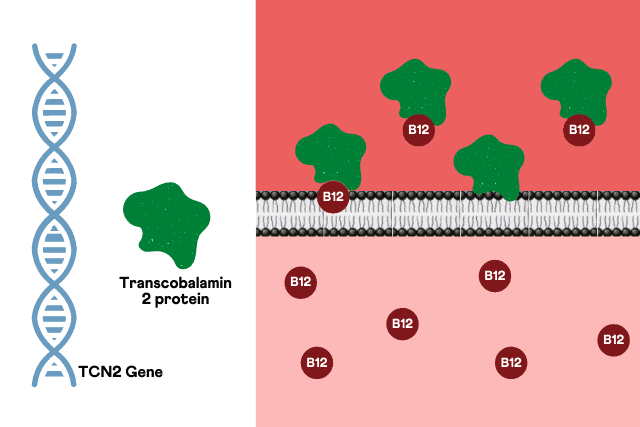
The TCN2 gene contains information to produce the transcobalamin 2 protein, which is involved in the transportation of vitamin B12 from blood to the cells in the body. Certain changes in this gene can affect your vitamin B12 levels in the body.
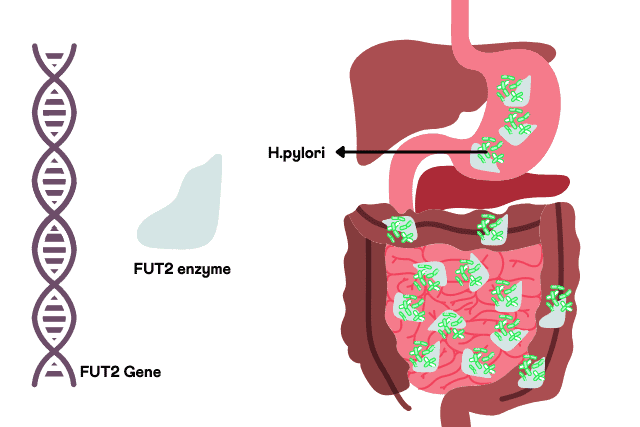
FUT2 is yet another important gene that influences the absorption of vitamin B12 in the body. FUT2 contains information to produce an enzyme that is necessary for the attachment of a harmful bacteria called Helicobacter pylori to the digestive tract. This bacteria impairs the absorption of vitamin B12 from food.
You can find out if you have any genetic variations that affect your vitamin B12 levels. This can be done through a genetic test.
Most genetic tests provide your DNA information in the form of a text file called the raw DNA data. This data may seem like Greek and Latin to you.
We, at Xcode Life, can help you interpret this data. All you have to do is upload your raw data and order a nutrition report. Xcode Life then analyzes your raw data in detail to provide you with comprehensive nutrition analysis, including information on your vitamin B12 levels.

Vitamin D plays a major role in maintaining bone health. It helps the body effectively utilize calcium from the diet.
Some food sources of vitamin D include egg yolk, dairy, fatty fish, and grains. Exposure to sunlight is a major source of vitamin D. The UV rays in sunlight induce vitamin D production in the skin. About 15 minutes of exposure to sunlight is recommended to maintain optimal vitamin D levels.
In today's world, people may not have enough exposure to sunlight.
Sunscreens are commonly used to prevent sunburns and tans, thereby blocking UV rays and the production of vitamin D. A sunscreen of SPF 30 can reduce the amount of vitamin D produced on sunlight exposure by more than 90%.
The worldwide prevalence of vitamin D deficiency is very high, as high as 50%. Vitamin D deficiency leads to bone loss, pain, risk of fractures, and several disease conditions, like rickets and lupus.
Certain groups of people are at an increased risk of vitamin D deficiency. These include:
Very few foods have enough vitamin D to reach recommended daily intakes, and sunshine can be unreliable in certain climates.
In these cases, vitamin D supplements can be taken in addition to food sources.
Make sure to talk to your doctor before taking vitamin D supplements.
Overdose can lead to vitamin D toxicity, which is dangerous.
Vitamin D production depends on several factors, including the color of your skin, duration of exposure, amount of skin exposed, and genetics.
People with darker skin have more melanin, the pigment responsible for skin color. This protects skin cells from harmful radiation damage.
Melanin also blocks the amount of UVB radiation that enters the skin, thereby reducing the amount of vitamin D produced. So people with darker skin tones are at a higher risk for vitamin D deficiency.
Studies have found some genetic changes associated with vitamin D deficiency.
Two such genes are GC and VDR.
Let's see how they regulate vitamin D levels.
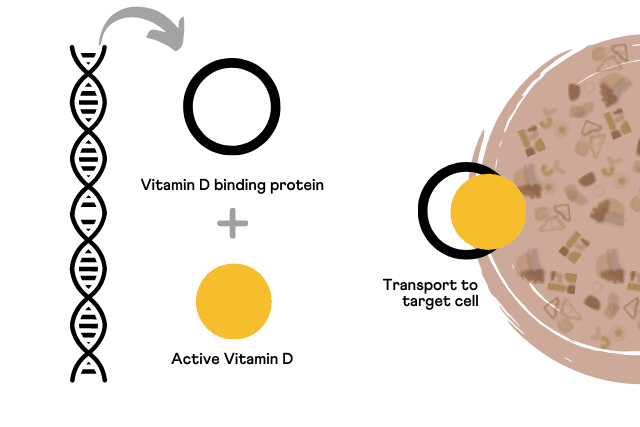
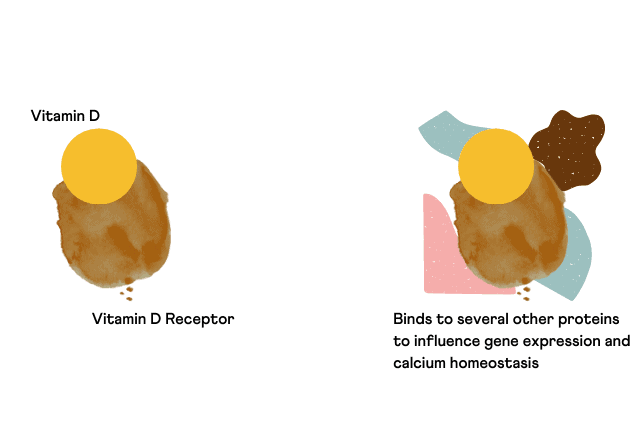
This is especially seen in organs like the kidneys, bones, intestines, parathyroid glands, and the cardiovascular system.
Mutations or changes in the VDR gene affect vitamin D levels and can increase or decrease the sensitivity of the body to the effects of vitamin D.
You can easily find out if you have any genetic variations that affect your vitamin D levels through a genetic test.
Most genetic tests provide your DNA information in the form of a text file, called the raw DNA data.
This data may seem like Greek and Latin to you. Xcode Life, can help you interpret it.
All you have to do is upload your raw data and order a nutrition report. Xcode Life then analyzes your raw data in detail to provide you with comprehensive nutrition analysis, including information on your vitamin D levels.

Research shows that your bedtime may actually be linked to your DNA! Everyone’s biological clock is wired differently; it’s not in sync. Environmental and genetic factors affect your circadian rhythm, or your internal clock. Circadian rhythms, in turn, influence your sleeping pattern.
Your preferred sleeping pattern is called your ‘chronotype.’ Going to sleep around 11 PM and waking up around 7 AM puts you in the average chronotype category. Someone with an average chronotype gets roughly the same amount of sleep on both working and non-working days, and this is good.
About 40% of the population does not belong to this category. They have late or early chronotypes. These people will find it pretty difficult to go to work after a free day. They may even experience symptoms of jet lag.
What contributes to the difference in chronotypes?
Melatonin is the "sleep hormone" that regulates the sleep-wake cycle in the body. It is produced by a neuron bundle called Suprachiasmatic Nucleus or SCN for short.
For people with the average chronotype, melatonin production starts around 9 PM, and the whole body enters into the 'rest mode' by 10:30 PM. The body temperature enters its lowest around 4:30 AM. These people usually wake up around 6:45 AM when the blood pressure spikes to the highest point. They are known as the 'early risers' and are alert and active during the daytime.
For people with the late chronotype, this whole cycle happens later during the day. As a result, they tend to sleep and wake up much later.

They may not entirely be able to fix this. This is because the CLOCK genes found in the SCN neuron bundle regulate the 24-hour cycle in your body. Changes in the CLOCK genes influence your chronotype status - average, or early, or late.
A study was carried out on hamsters to study the contributing factors to chronotype. Scientists replaced the SCN of early chronotype hamsters with that of average chronotype hamsters. To their surprise, the hamsters still went to sleep and woke up early, according to their early chronotype.
This is because, other than the SCN clock, the body also contains other biological clocks, all of which contribute to a person’s chronotype. And, this is why it can be very difficult to break out of your natural sleeping pattern.
To know what your chronotype is based on your genes, you can get a genetic test done. Most genetic tests provide your DNA information in the form of a text file called the raw DNA data. At Xcode Life, can help you interpret this data.
All you have to do is upload your raw data and order a sleep report. Xcode Life then analyzes your raw data in detail to provide you with a comprehensive sleep analysis, including information on your chronotype and risk for various sleep disorders.