Key Takeaways
Magnesium may help support anxiety management by influencing neurotransmitters, promoting muscle relaxation, improving sleep quality, and regulating stress hormone levels. It is not a widely approved treatment for anxiety. However, certain forms of magnesium, such as magnesium glycinate, taurate, and threonate, are often preferred due to better absorption and fewer digestive side effects. The evidence is promising but still limited, and individual responses vary.
How Does Magnesium Help With Anxiety?
Anxiety is a common mental health condition, affecting roughly 4% of the global population.
It is typically managed using psychotherapy, medications, or a combination of both.
However, growing attention has been placed on nutritional factors that may influence stress regulation and nervous system balance.
Magnesium is one such nutrient. It is an essential mineral involved in over 300 biochemical reactions, including those related to brain signaling, energy metabolism, and hormone regulation.
While magnesium is not a replacement for medical treatment for anxiety, research suggests it may support anxiety symptoms through several mechanisms:
Nervous System Regulation
Magnesium is involved in regulating neurotransmitters that control brain excitability.
It supports the function of GABA (gamma-aminobutyric acid), a calming neurotransmitter that helps reduce excessive neural firing.
When GABA activity is balanced, the nervous system is less likely to remain in a constant “alert” state, which may help ease feelings of restlessness or nervous tension commonly associated with anxiety.
Muscle Relaxation
Anxiety often presents with physical symptoms such as muscle tightness, jaw clenching, or tension headaches.
Magnesium plays a key role in muscle contraction and relaxation by regulating calcium flow into muscle cells.
Adequate magnesium levels help muscles relax after contraction, which may reduce the physical tension that can reinforce feelings of anxiety and discomfort.
Sleep Support
Sleep disruption and anxiety frequently influence each other.
Magnesium contributes to sleep quality by supporting melatonin regulation and calming the nervous system.
It promotes muscle relaxation and supports neurotransmitter balance.
This may help some individuals fall asleep more easily or experience more restorative sleep, which can indirectly improve daytime anxiety levels.
Cortisol Modulation
Cortisol is the body’s primary stress hormone, and chronic stress can lead to persistently elevated cortisol levels.
Magnesium is involved in regulating the body’s stress response and may help moderate cortisol release.
By supporting a more balanced stress hormone response, magnesium may help reduce the physiological strain associated with ongoing stress and anxiety.
Expert Opinion on Magnesium for Anxiety
Dr. Joseph Austerman, a psychiatrist at the Cleveland Clinic, explains the neurological context:
“Cortisol is very important for acute stress, but in times of chronic stress, it can actually worsen depression and anxiety.”
Magnesium appears to modulate cortisol and neurotransmitter signaling, blunting excitatory pathways and supporting inhibitory pathways like GABA.
Neurochemical Balance
Magnesium participates in multiple biochemical reactions related to brain signaling and energy metabolism.
Low magnesium levels may contribute to heightened nervous system sensitivity and impaired stress regulation.
Maintaining adequate magnesium levels supports overall neurochemical balance, which may help the brain respond more appropriately to stressors rather than remaining in a heightened state of reactivity.
What Form of Magnesium Is Best for Anxiety?
When magnesium is used for anxiety support, two factors matter most:
- Bioavailability (how well it’s absorbed)
- Tolerability (likelihood of digestive side effects)
Forms such as magnesium oxide and citrate are common but may cause diarrhea in some individuals.
Current evidence suggests magnesium glycinate and threonate are the most practical options for anxiety-related use, largely due to tolerability and absorption.
Some forms often discussed for anxiety include:
Magnesium Glycinate
Bound to the amino acid glycine, which has calming properties. It is well absorbed and gentle on the gut, making it a common choice for sleep and anxiety support.
Expert opinion on Magnesium Glycinate
As a longevity doctor, I hate generic advice. But if I had to pick 3 supplements likely right for most people:
— Hillary Lin, MD (@HillaryLinMD) January 9, 2026
Magnesium Glycinate → Almost everyone is deficient. Helps sleep, anxiety, recovery.
Omega-3s → Your brain is 60% fat. Feed it.
Vitamin D3 + K2 → Only if deficient.… pic.twitter.com/hiIiSKzrwt
Magnesium Threonate
This form has been studied for its ability to raise magnesium levels in the brain. L-threonate is specifically designed to cross the blood-brain barrier, making it great for cognitive support.
Magnesium Taurate
Contains taurine, an amino acid involved in nervous system regulation. It is often described as calming and is less likely to cause gastrointestinal side effects.
Magnesium Malate
Highly absorbable and often used for fatigue-related conditions. It may be helpful when anxiety coexists with low energy levels.
Is Magnesium Deficiency Linked to Anxiety?
Severe magnesium deficiency can lead to neurological symptoms such as confusion, agitation, and abnormal heart rhythms.
Milder deficiency has been associated with increased vulnerability to stress, anxiety, and depression, although causation is not firmly established.
Certain groups are at higher risk of deficiency, including:
- People with diabetes or celiac disease
- Individuals with chronic gastrointestinal conditions
- Those with alcohol use disorder
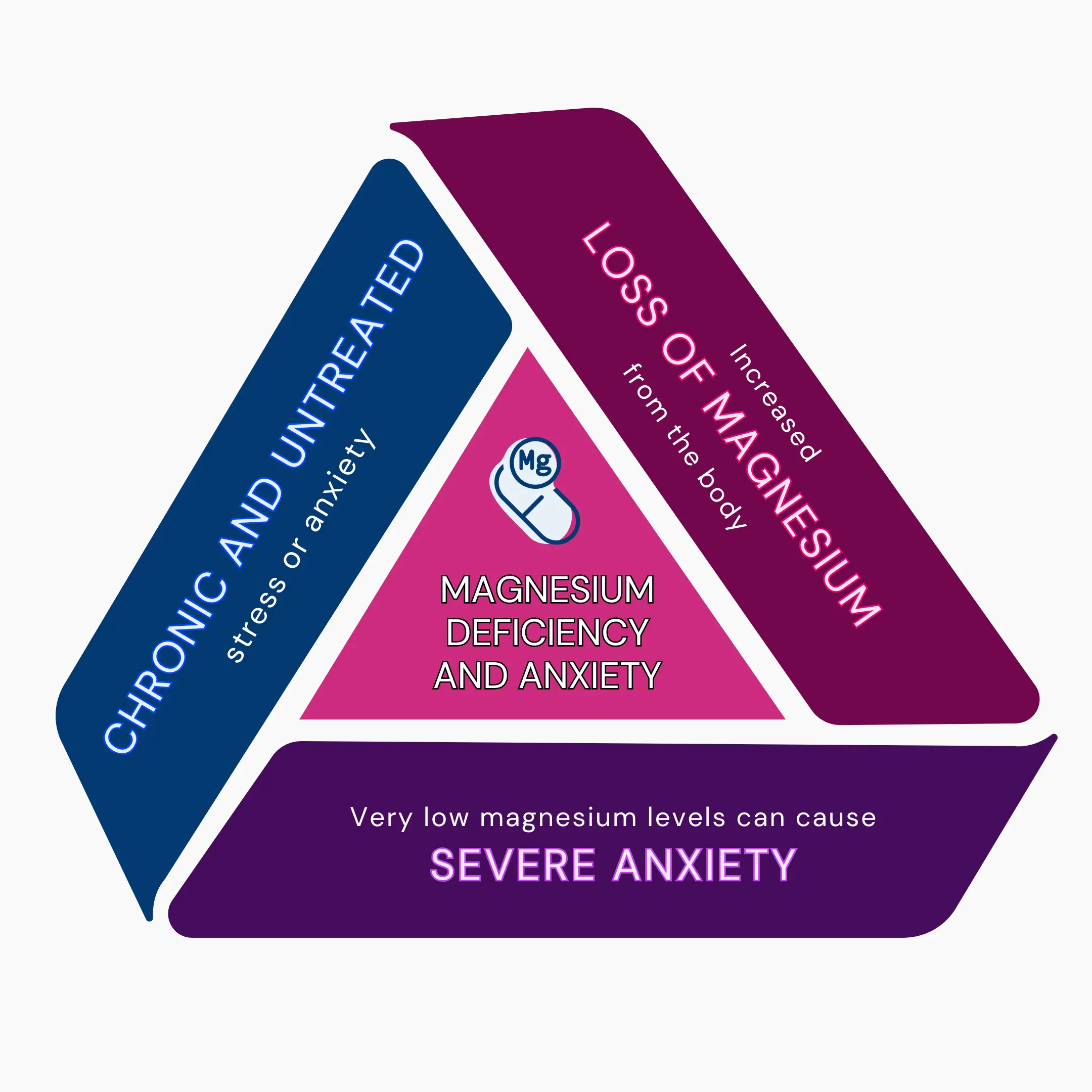
Nutrition research reviews indicate that magnesium deficiency and stress are interlinked, suggesting a potential feedback loop:
Magnesium deficiency may enhance the body’s susceptibility to stress and anxiety, creating a “vicious circle” where stress promotes magnesium loss and low magnesium amplifies stress responses
How Effective Is Magnesium for Anxiety?
Research on magnesium and anxiety is mixed but encouraging.
Some studies show improvement in anxiety-related symptoms, while others find modest or inconsistent effects.
Clinicians generally view magnesium as supportive rather than curative.
It may help reduce symptom severity in some individuals, especially when a deficiency is present or when anxiety is linked to poor sleep or muscle tension.
Genetic Factors That Influence Magnesium Levels
Magnesium levels are partly influenced by genetics. For example, the CASR gene regulates calcium and magnesium balance in the kidneys.
Variants in this gene can increase magnesium loss through urine.
This may predispose some individuals to lower magnesium levels even with adequate intake.
You May Be Interested In: Is Anxiety Genetic? Nature Vs Nurture.
Safety, Side Effects, and Dosage Considerations
What Are The Side Effects Of Magnesium Supplements
Magnesium is generally safe when used appropriately.
The body excretes excess magnesium through stool, but high supplemental doses can cause side effects.
Common side effects (above ~350 mg/day):
- Diarrhea
- Nausea
- Abdominal cramping
Very high doses (>2500 mg/day) may cause serious complications such as low blood pressure, irregular heartbeat, and confusion.
Magnesium may interact with:
- Certain antibiotics
- Diuretics
- Heart medications
Consult a healthcare professional before supplementing, especially if you have kidney disease, heart conditions, or diabetes.
What Is The Recommended Dosage For Magnesium?
The maximum recommended daily dose of magnesium for adults is 420 mg for males and 350 mg for females.
However, factors such as age and health conditions may influence your required dose..
Did You Know?
Magnesium deficiency or hypomagnesemia can lead to muscle weakness, cramping, numbness, irregular heartbeat, loss of appetite, and several other symptoms. In certain cases, people may also have very high levels of magnesium, and this is termed hypermagnesemia. The magnesium levels in your body are partly influenced by your genes. CASR is a gene that contains instructions for producing a protein called the calcium-sensing receptor. Certain types of this gene can increase your risk of magnesium deficiency by reducing the reabsorption of magnesium in the kidneys. Learn more.
Are There Other Benefits of Taking Magnesium?
Magnesium is a mineral that is essential for healthy bones, muscles, and nerves.
It acts as a cofactor (or helper molecule) in several important biochemical reactions in the body.
- Magnesium may help support healthy blood sugar levels. Studies suggest magnesium can help enhance insulin sensitivity, crucial in regulating blood sugar levels. People who consume more magnesium have a lower risk of developing type 2 diabetes.
- Magnesium promotes heart health: A 2021 study suggests magnesium helps keep blood pressure levels in check, a precursor for developing heart disease. It can significantly lower the risk of stroke and heart disease.
- Magnesium has anti-inflammatory properties: Inflammation is crucial in chronic illness and aging. Some research ties magnesium deficiency to oxidative stress related to inflammation. Taking magnesium supplements can help combat inflammation in the body.
Hand-picked Content For You: 7 Most Significant Magnesium Benefits For Men
FAQs About Magnesium for Anxiety
What Type Of Magnesium Is Good For Anxiety?
For anxiety, magnesium glycinate is generally recommended for its calming effects, due to the relaxation-promoting glycine, making it great for stress and sleep. Magnesium L-threonate is also advised for brain function and mood.
How Long Does It Take For Magnesium To Work For Anxiety?
Muscle cramps and anxiety can start getting better within a few hours of consumption. But noticeable effects, like improved sleep and reduced brain fog, can take 1 to 2 weeks. Long-term effects in the improvement of chronic conditions like hypertension and osteoporosis can take one to three months.
How Much Magnesium Should I Take To Calm Anxiety?
While daily magnesium supplementation ranging approximately from 75 mg to 360 mg has been associated with potential calming effects on anxiety in some studies, it is advisable to consult a healthcare professional to determine an appropriate dose and form based on individual health status and needs.
Who Should Not Take Magnesium?
Those with kidney issues, heart block or rhythm disorders, intestinal conditions, diabetes, and are pregnant or breastfeeding are recommended to either avoid or consult their doctors before taking magnesium supplements.
Is CBD Or Magnesium Better For Anxiety?
Neither CBD nor magnesium can be used solely for treating anxiety. Both work in different ways. CBD may provide faster and short-term relief from stress or anxiety. Magnesium provides a longer-term support by directly regulating the brain chemicals and relaxing muscles.
What Are The Signs Of Low Magnesium?
Some mild and common symptoms of low magneisum levels include muscle cramps and spasms, fatigue, abnormal eye movements (nystagmus), numbness, and tremors.
Should I Take Magnesium In The Morning Or At Night?
The best time to take magnesium supplements depends on what you’re trying to get out of it. If the goal is better sleep and relaxation, it’s best taken 30 minutes before bedtime. If the goal is improved energy and focus, taking it in the morning is recommended.
What Cannot Be Mixed With Magnesium?
Magnesium should not be taken simultaneously with bisphosphonates, certain antibiotics, some antiviral HIV medications, and gabapentin, as it can lower their absorption. Calcium and high doses of zinc may also interfere with magnesium absorption, so they should be taken at different times. Additionally, caution is advised when combining magnesium with diuretics and long-term proton pump inhibitors.
Best Food Sources Of Magnesium
- Avocados are a tasty and nutritious source of magnesium. Besides being an excellent potassium, Vitamin K, and fiber source, a medium-sized avocado provides around 58 mg of magnesium.
- Nuts are rich in magnesium. Cashews, almonds, and Brazil nuts have the highest amounts of magnesium.
- Legumes like chickpeas, beans, and soybeans are rich in magnesium. One cup of cooked black beans contains around 120 mg of magnesium. Legumes are also high in other nutrients, such as iron and potassium.
- Tofu is made from soybean milk and is a vegetarian and vegan diet staple. A 100g serving of tofu contains 35mg of magnesium.
- Seeds, including flax, chia, and pumpkin seeds, are high in magnesium. Pumpkins are an excellent source, including around 168mg of magnesium per 28g serving.
References
https://www.ncbi.nlm.nih.gov/pmc/articles/PMC5452159/
https://www.ncbi.nlm.nih.gov/pmc/articles/PMC6470576/
https://www.ncbi.nlm.nih.gov/pmc/articles/PMC7827637/
https://www.who.int/news-room/fact-sheets/detail/anxiety-disorders