Did you know that around 40-70% of clinically used drugs are eliminated via glucuronidation?
Glucuronidation is a well-known phase II detoxification reaction that acts as a pathway for eliminating many drugs, endogenous substances (substances produced by the body) such as hormones, neurotransmitters, estrogens, mold toxins, and cancer-causing toxins.
During the glucuronidation process, the glucuronic acid part of the UDP-glucuronic acid is transferred to the toxins to make them:
The process of glucuronidation occurs in the liver, and the compound UDP-glucuronic acid or Uridine Diphosphate glucuronic acid is an intermediary product formed in the liver. Glucuronidation is carried out by UDP-glucuronyltransferase enzymes or UGTs.
The primary role of any detoxification pathway is to neutralize any compound or molecule that can harm the body. When toxins are not efficiently eliminated, they build up in the body, causing tissue and organ damage and giving rise to diseases like cancer.
Glucuronidation, is an essential detoxification pathway in the elimination of a large number of drugs, hormones, bile acids, hydroxysteroids, tobacco products, and other endogenous and xenobiotic (compounds not produced by the body but found in it) toxic compounds.
UGT or glucuronidation enzymes can be found throughout the body. Though these enzymes are primarily found in the liver, they may also be found in organs like the kidney, brain, pancreas, placenta, and intestines.
Since the liver is the primary organ of detoxification, most clinically used drugs, endogenous and xenobiotic compounds, are metabolized (or broken down into smaller components) here.
Of the many UGTs found in the body, some UGT enzymes (UGT1B15 and UGT2B17) are found in the prostate gland and are responsible for controlling local testosterone production. In addition, some UGTs are located in the breast, where they work on inactivating estrogen and prevent prolonged exposure of breast cells to estrogen.
The UGTs present in the brain protects the local tissues from harmful and toxic chemicals.
UGTs or UDP-Glucuronyltransferases are phase II detoxification enzymes that actively participate in the glucuronidation of various drugs and endogenous compounds. There are 19 functional UGTs identified in humans and grouped into four families– UGT1, UGT2 including UGT2A and UGT2B sub-families, UGT3 and UGT8.
These UGTs exist in multiple forms that affect the functioning of the enzyme and its metabolic effect. Two forms that are of particular interest are in the UGT1A6 and UGT1A1 genes.
UGT1A6 or UDP-glucuronosyltransferase 1A6 is involved in the metabolism of salicylic acid via the process of glucuronidation. Salicylic acid is found in foods like broccoli, cauliflower, radish, spinach, zucchini and night-shade plants like eggplants and peppers. Two variations (or single nucleotide polymorphisms - SNPs) in this gene are rs2070959 and rs178637831.
Individuals having two alleles of the mutated gene have a higher metabolic activity than those with the wild type (the most commonly found allele in a population). Conversely, individuals having the wild-type allele have lower metabolic activity. Due to this, they are more likely to retain the active by-product of aspirin longer in their body, thereby deriving a protective or chemopreventive benefit.
| Allele | Effect |
| AA | More likely to have a reduced risk of developing colon cancer when taking aspirin |
| AG | No reduction in risk of developing colon cancer when taking aspirin |
| GG | No reduction in risk of developing colon cancer when taking aspirin |
The UGT1A6 gene plays a role in the glucuronidation of anthracycline metabolites used in cancer treatment. The T allele of rs178637831 variant (type) contains a change that results in the production of a different amino acid, which affects the functioning of the enzyme. This type is also designated as UGT1A6*4 haplotype and has been shown to reduce glucuronidation by 30-100%. Therefore, the presence of this type indicates impaired drug metabolism. As a result of this, there is an accumulation of reactive oxygen species and toxic alcohol metabolites (or by-products) that have been linked to increased cardiotoxicity.
This gene produces the bilirubin uridine diphosphate glucuronosyltransferase enzyme that metabolizes bilirubin (made when red blood cells break down). The UGT1A1 is the only gene that glucuronidated bilirubin. The enzyme converts the toxic form of bilirubin to its non-toxic form and enables its easy elimination from the body.
Many forms of the UGT1A1 gene are associated with conditions like Crigler-Najjar Syndrome, Gilbert syndrome, transient familial neonatal hyperbilirubinemia, etc. Some essential forms of this gene are UGT1A1*28 and *6.
The *6 and *28, etc., are star alleles. Star alleles are used to name different haplotypes. A haplotype is a group of gene changes that are inherited together.
This haplotype has been associated with neutropenia, diarrhea, and other side effects on taking irinotecan (an anti-cancer drug used to treat colon and rectal cancers). Therefore, according to the US FDA, individuals having *28/*28 should have a lower starting dose of the drug. Also, individuals with this genotype have an increased risk of neutropenia on irinotecan than individuals with other genotypes.
A few studies have also linked the *28 type with diarrhea during irinotecan treatment. For example, a 2010 study found that individuals with *28/*28 genotype, who were given medium (150-250 mg/m2) and high (≥ 250 mg/m2) doses of irinotecan, had severe diarrhea.
The *6 haplotype has also been linked to neutropenia, diarrhea, when on an irinotecan drug. This allele has also been associated with hyperbilirubinemia ( a condition characterized by excess bilirubin in the blood) when on indinavir (an antiretroviral drug used to treat HIV). In a study by Boyd et al., people with at least one *6 allele were at an increased risk for severe toxicity of bilirubin.
Substances that get glucuronidated include:
Many factors increase and decrease glucuronidation by the UGT enzymes. Factors that increase glucuronidation are:
Cruciferous vegetables (such as broccoli, Brussel sprouts, cauliflower, etc.) are rich in the compound sulforaphane, with vegetables like broccoli sprouts having the highest levels. This compound increases glucuronidation.
A study found that sulforaphane increased the glucuronidation of PhIP, a toxic, cancer-causing agent found in cooked meat. While PhIP increases the risk of colorectal cancer, consuming cruciferous vegetables reduces the risk.
So, you can eat cruciferous vegetables and apiaceous vegetables to increase glucuronidation in the body.
Studies have shown that watercress is rich in phenethyl isothiocyanate, which prevents cancers of all types. It is also said to stimulate glucuronidation.
In a study conducted on non-smokers, consumption of citrus fruits increased the activity of UGT1A1 enzyme by 30% in women with two copies of the *28 type (this type has been linked with low UGT1A1 activity and Gilbert Syndrome.
Apart from the foods mentioned above, other foods that increase glucuronidation are:
Did you know that 60% of toxins excreted in the bile go through the glutathione conjugation process?
Glutathione is a peptide molecule (made up of amino acids) found in most tissues in the body but is found in high concentrations in the liver. It plays a vital role in protecting the liver cells (hepatocytes), red blood cells (or erythrocytes), and other cells from harmful toxins. Glutathione participates in many enzymatic and non-enzymatic reactions. For example, the enzyme glutathione-S-transferase induces reactions involving glutathione.
Glutathione conjugation is a crucial detoxification mechanism in the body. The glutathione-S-transferase enzymes allow the reaction between glutathione and other aromatic compounds and halides (compounds with halogens like chlorine) to form conjugates.
These glutathione conjugates are formed in the liver and excreted intact via bile. Once these compounds reach the kidneys, they are converted to mercapturic acid (extremely water-soluble) and excreted via urine.
Since glutathione conjugation facilitates the excretion of xenobiotic compounds (toxic compounds found in the body but are not produced by it), deficiency of the glutathione-S-transferases can cause hepatotoxicity (toxin damage to the kidney) and increased risk of harmful mutations in the body cells.
Glutathione is made up of three amino acids – L-cysteine, L-glutamine, and glycine. Glutathione conjugation is an essential step in phase II of the detoxification process. Glutathione conjugation is involved in the following:
Glutathione is required for the conjugation process and is produced and recycled by the body. Therefore, people with deficient glutathione can take it as a supplement or take supplements that can increase glutathione production. Unfortunately, since glutathione also affects the body’s ability to recycle vitamin C, it has been linked to carcinogenic intermediate metabolite formation, increased risk of cancer development, and estrogen metabolism.
Glutathione S-transferases (GSTs) are a family of enzymes that catalyze the conjugation reaction in phase II of detoxification. During the conjugation process, the GSTs help in the transfer of glutathione, a cellular antioxidant, to the xenobiotic compounds and other toxins to neutralize and eliminate them.
Besides metabolizing xenobiotics (or breaking down foreign compounds into smaller, less toxic compounds), GSTs also protect the body cells from oxidative stress. Oxidative stress is characterized by increased free radicals in the body that can damage cells and tissues causing diseases like cancer. Many of these free radicals are formed as a result of phase I of detoxification.
GSTs also bind to and transport lipophilic compounds (compounds that have an affinity to combine with fats) like bilirubin, prostaglandins, glucocorticoids, thyroid, and steroid hormones.
Several variations (changes) or polymorphisms of the GST genes have been linked to increased risk of some types of cancers, especially when other genetic and environmental factors coexist.
Multiple types of GSTs exist and can be broadly grouped under the following families:
Five GSTs that are a tad bit more important include GSTM1, GSTM3, GSTP1, GSTT1, and GSTA1.
GSTM1 is a µ (or mu) class of glutathione S-transferase. This class of enzymes is responsible for the detoxification of electrophilic (or charged) compounds such as carcinogens, therapeutic and prescription drugs, environmental toxins, and other products that form due to oxidative stresses by conjugating them with glutathione.
GSTM1 enzyme is primarily located in the liver. It has been found that around 50% of people lack the GSTM1.due to GSTM1 gene deletion depending upon the population. This deletion was found in 53% of whites, 40-60% Asians, and 21% African Americans.
Changes or variations in the GSTM1 gene can affect a person’s ability to metabolize carcinogens, toxins, and drugs. This gene is said to have multiple polymorphisms (variations), with over 50% of Caucasians missing both copies of it. Missing both copies of the gene results in no enzyme activity. Also, individuals with one copy of the GSTM1 gene are more prone to allergies, asthma, and certain types of cancer, especially if they are also missing copies of other genes of the GST family such as the GSTP1 and GSTT1.
Some SNPs associated with the GSTM1 gene that affect the enzyme’s function are rs4147567, rs9642880, and rs366631.
The GT genotype in rs9642880 and TT genotype in rs366631 are called the null alleles and show decreased GSTM1 enzyme activity. Low GSTM1 enzyme activity would mean poor vitamin C recycling and a slightly increased risk for certain cancers, and sensitivity to chemical carcinogens. Therefore, individuals with these variations in the GSTM1 gene may benefit from consuming more cruciferous vegetables.
The GSTP1 enzymes are located primarily in the brain and lungs. The polymorphisms (or variations) of the GSTP1 gene have been linked to both high and low enzyme activity based on the factors that they are exposed to. Some GSTP1 polymorphisms are associated with an increased risk of various cancers, and this risk rises on exposure to cigarette smoke.
The GSTP1 is the most abundant glutathione S-transferase subtype found in the lung.
GSTP1 gene variations can cause:
Mutations (abnormal changes) in the GSTP1 gene have been linked to prostate cancer. People who are carriers of the *C haplotype, which is represented by GSTP1*Val (rs1138272) allele and GSTP1*Val(rs1695) allele, had a 5.4 times higher risk of prostate cancer development.
When GSTP1 enzyme activity reduces due to abnormal changes in the rs1695 SNP, one can increase their antioxidant consumption to reduce oxidative stresses and inflammation in the body. In addition, glutathione supplements are also helpful to restore normal glutathione levels in the body.
This gene is another member of the GST family that catalyzes (increases the speed of the reaction) reactions where conjugation of reduced glutathione takes place to a variety of hydrophobic (water-repelling) compounds. Thus, a proper functioning GSTT1 gene is associated with good recycling of vitamin C.
Since glutathione S-transferases play a significant role in protecting the body from endogenous and exogenous chemicals and toxins of carcinogenic potential, it is evident that improper functioning of these enzymes can increase the risk of cancer development.
The null type of GSTM1 and GSTT1 have been associated with an increased risk of lung, bladder, and colon cancers. Polymorphisms of GST genes have also been linked to skin cancers like basal cell carcinoma suggesting that these genes may be playing a role in detoxifying free radicals formed as a result of UV radiation.
Another essential aspect of GST in cancer development and treatment is the development of drug resistance. Drug resistance is one of the main reasons why chemotherapy treatment fails. Glutathione S-transferases have been linked to the development of resistance towards chemotherapy agents, insecticides, pesticides, herbicides, and antibiotics.
Glutathione S-transferases detoxify of the following substances during the conjugation process:
Having lower glutathione S-transferase activity increases the accumulation of toxins in the body and increases the chances of cancer and other diseases. Therefore, we must ensure optimum glutathione activity in the body at all times. Here are some ways to boost GST activity:
While it is essential to eat an antioxidant-rich diet, some nutrients that have been associated with an increase in GST activity that you must include in your daily diet include:
Apart from these factors that boost GST activity, one must also reduce their exposure to carcinogenic environment factors such as:
Acetylation is a part of the phase 2 detoxification pathway and helps eliminate various harmful substances from the body. The N-acetyltransferase (NAT) enzymes are responsible for acetylation. The NAT enzymes are also called arylamine N-acetyltransferases.
The NATs transfer a molecule called acetyl CoA to the toxins to make them less harmful and to eliminate them easily from the body. In some cases, the NATs can also convert substances into their more active (toxic) forms and send them to the next detoxification stage. Such active forms have to be quickly eliminated from the body.
Acetylation is majorly associated with the detoxification of xenobiotics (foreign substances found in the body). They help transform xenobiotics that enter the body by either making them less harmful or more harmful.
For certain xenobiotic substances, acetylation is the only available detoxification pathway. Problems with acetylation will cause an excess accumulation of these substances in the body and lead to an increased risk of cancers and other health conditions.
Melatonin is a hormone produced in the body by the pineal glands. The hormone controls the sleep-wake cycle and helps prevent sleep disorders. Acetylation converts serotonin into melatonin and hence is essential to improve your sleep.
Some studies suggest that NATs may play a role in folate metabolism (the process of converting folate into a form usable by the body). There seems to be an inverse relationship between folate levels in the body and NAT activity.
There are two major types of NATs produced in the body - NAT1 and NAT2.
The NAT1 gene produces the NAT1 enzyme. The NAT1 enzyme is primarily found in the extrahepatic tissues (tissues found outside the liver). This enzyme is essential for folate metabolism and in the biotransformation of the following.
The NAT2 gene produces the NAT2 enzyme. The NAT2 enzyme is primarily found in the gut and the liver. This enzyme activates and deactivates a variety of substances, including hydrazines and arylamines.
Some compounds like 2-aminofluorene need to be eliminated with the help of both NAT1 and NAT2.
Changes in the functioning of the NAT1 and NAT2 genes (genetic polymorphisms) can affect the body’s capacity to add an acetyl group to the above toxins. Based on how an acetyl group is added to xenobiotics, there are three types of NAT metabolizers identified.
Slow metabolizers cannot quickly eliminate toxins from the body, which leads to toxic buildup and an increased risk of different types of cancer.
Fast metabolizers quickly process prescription drugs and eliminate them before they can do their job. As a result, fast metabolizers may need extra dosages of medications for treatment.
A particular population study suggests that 8% of people may be slow NAT1 metabolizers.
40-70% of Africans and Caucasians and 10-30% of Asians may be slow NAT2 metabolizers.
Studies suggest that fast NAT2 metabolism may increase a person’s risk for developing Alzheimer’s disease.
Fast NAT2 metabolism also increases the risk of colorectal cancer in those exposed to an excess of tobacco smoke in their lifetime.
N acetyltransferase deficiency occurs as a result of low levels of NAT enzymes in the body. This decreases the acetylation process of xenobiotics and leads to increased levels of toxicity of foreign substances. NAT deficiency can lead to the following problems.
According to MalaCards, an integrated database of human maladies, NAT deficiency can increase the risk of the following health conditions.
Genetic variations (genetic polymorphisms) of the NAT1 and NAT2 genes can increase or decrease NAT1 and NAT2 enzyme activities.
| Haplotype | Effects | Implications |
| NAT1*10 | Increased enzyme activity | Protection against various xenobiotic toxicities |
| NAT1*11 | Increased enzyme activity | Protection against various xenobiotic toxicities |
| NAT2*6B | Decreased enzyme activity | Increased risk of drug and chemical toxicity and cancer |
| NAT2*5D | Decreased enzyme activity | Increased risk of drug and chemical toxicity and cancer |
| NAT2*7A | Decreased enzyme activity | Increased risk of drug and chemical toxicity and cancer |
| NAT2*11A | Decreased enzyme activity | Increased risk of drug and chemical toxicity and cancer |
| NAT2*12A | Decreased enzyme activity | Increased risk of drug and chemical toxicity and cancer |
| NAT2*13A | Decreased enzyme activity | Increased risk of drug and chemical toxicity and cancer |
| NAT2*14A | Decreased enzyme activity | Increased risk of drug and chemical toxicity and cancer |
Cholangiocarcinoma is cancer in the bile duct. Studies show that people with NAT2*13, NAT2*6B, and NAT2*7A haplotypes had a decreased risk for cholangiocarcinoma while people with the NAT2*4, *5, *6A, and *7B haplotypes did not have such a protective effect.
Smoking is harmful in many ways. Smoking increases the risk of developing lung cancer in people who are slow NAT metabolizers. Both occasional smoking and second-hand smoking equally increases the risk.
Vitamin C, when orally consumed, can increase NAT activity in the body. This can help nullify the effects of carcinogenic xenobiotics that enter the body. Vitamin C supplements can hence decrease the risk of cancers.
A Mediterranean diet is a diet rich in fresh fruits and vegetables, fresh seafood, whole grains, extra virgin olive oil, and minimally processed foods, sugar, refined grains, and red meat. This is an antioxidant-rich diet.
Chemoprotective nutrients like antioxidants can induce NAT enzymes in the body and can bring down the risk of developing cancers.
Certain natural substances can inhibit NAT activity in the body. Therefore, if you are a slow NAT metabolizer, you should stay away from these substances.
Genetic testing will tell you if you are a slow, normal, or fast NAT metabolizer. The genetic testing results will help your doctor recommend ways to improve the acetylation process and bring down the risk of cancers.
DNAfit is an eight-year-old direct-to-consumer genetic testing company founded by Avi Lasarow in 2013 and headquartered in London, United Kingdom. The company performs DNA analysis to provide personalized nutrition and fitness reports. Customers can also avail consultations with sports scientists and dietitians.
In 2018, genetic testing startup Prenetics acquired DNAfit for 10 million dollars.
| Parameters | DNAfit | Xcode Life |
| Type of genetic testing | DNA kit and raw data analysis | DNA raw data analysis |
| DNA raw data upload | Only from 23andMe and AncestryDNA | DNA raw data from all major providers accepted. Comprehensive list |
| Health reports | Offered | Offered |
| Pharmacogenomic reports | Not offered | Offered |
| Free Tools | Not Available | Available |
| Recommendations | Generic | Very specific |
| Report updates | None | Quarterly |
| Report prices (when raw data available) | Starts from $49 | Starts from $30 |
| Report categories | Health, nutrition, fitness, inherited conditions | Nutrition, Fitness, Skin, Allergy, Health, Personality, Breast Cancer, MTHFR, Personalized Medicine, Sleep Genetic Reports |
| Sample reports | Not available | Available as detailed report walkthrough videos |
While DNAfit reports are based on genotyping data, their premium product Circle PREMIUM, offered by Prenetics, uses whole-genome sequencing data.
DNAfit offers two main genetic tests:
Diet Fit: With the diet fit plan, you get diet and nutritional insights, along with a personalized meal plan.

Image: Diet Fit Plan Overview
Health Fit: With the health fit plan, along with diet and nutritional insights, you also get information on fitness and sleep-related traits.

Image: Health Fit Plan Overview
The Circle Premium is a product from Prenetics that includes 20 report categories covering 500+ traits.


Image: Circle Premium Plan Overview
The DNAfit DNA test is a simple mouth swab test. You can order the DNA test kit online.
Once you collect the sample, you will need to mail it back to them. After the sample collection, the sequencing and analysis will be completed within 15 days.

Image: Getting started with DNAfit
In this report, genes associated with nutritional wellbeing are analyzed to provide personalized diet plans and recommendations.
Overview of the categories covered in the report:
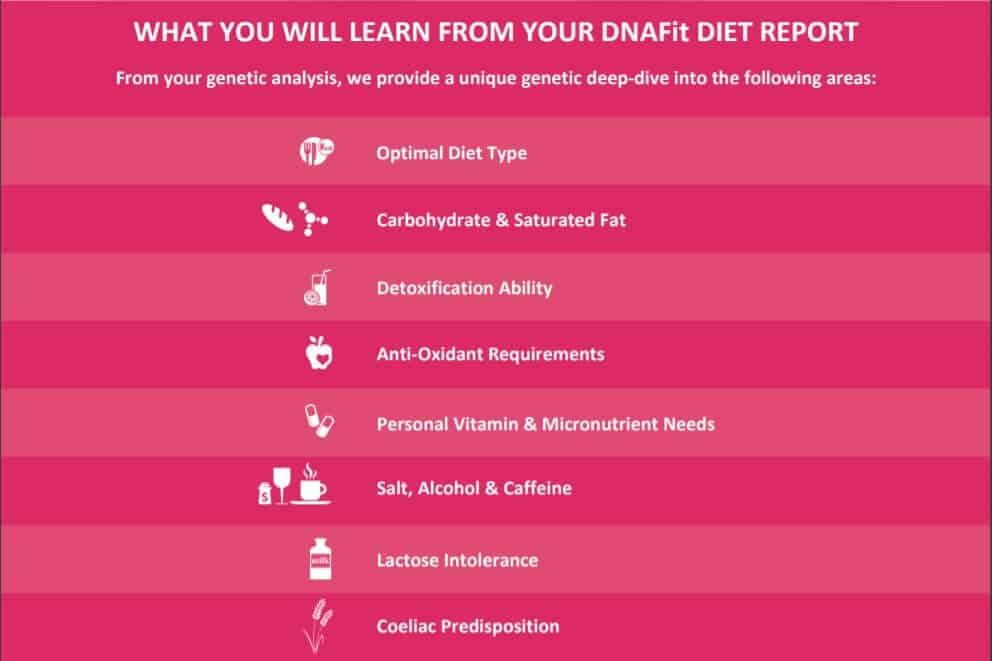
Image: Diet fit report categories
The report begins with a little information on genetics, followed by a "How to read your report" section to help understand the report better.
The outcome section of the report begins with a small description of the trait.
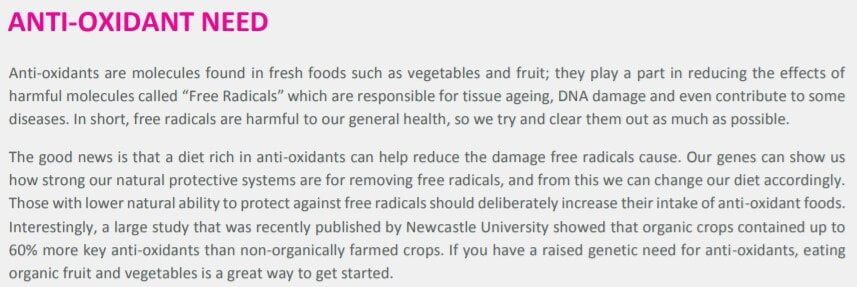
Image: Diet fit report - Trait description
Your outcome is represented as a bar diagram. The details of the genes analyzed are also provided.
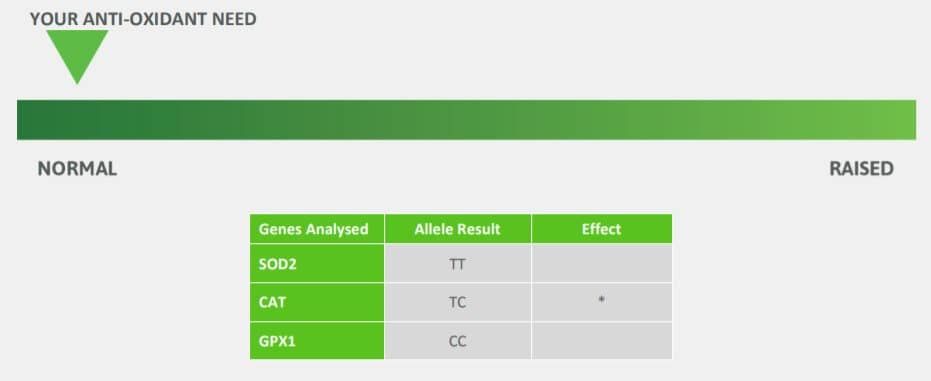
Image: Diet fit report outcome
It is then followed by the recommendations applicable to your outcome.

Image: Diet fit report recommendations
The report ends with your overall nutrient summary & guidelines and a glossary.
You also get a personalized meal plan that includes recipes catered to your genetic makeup with the Diet Fit report.
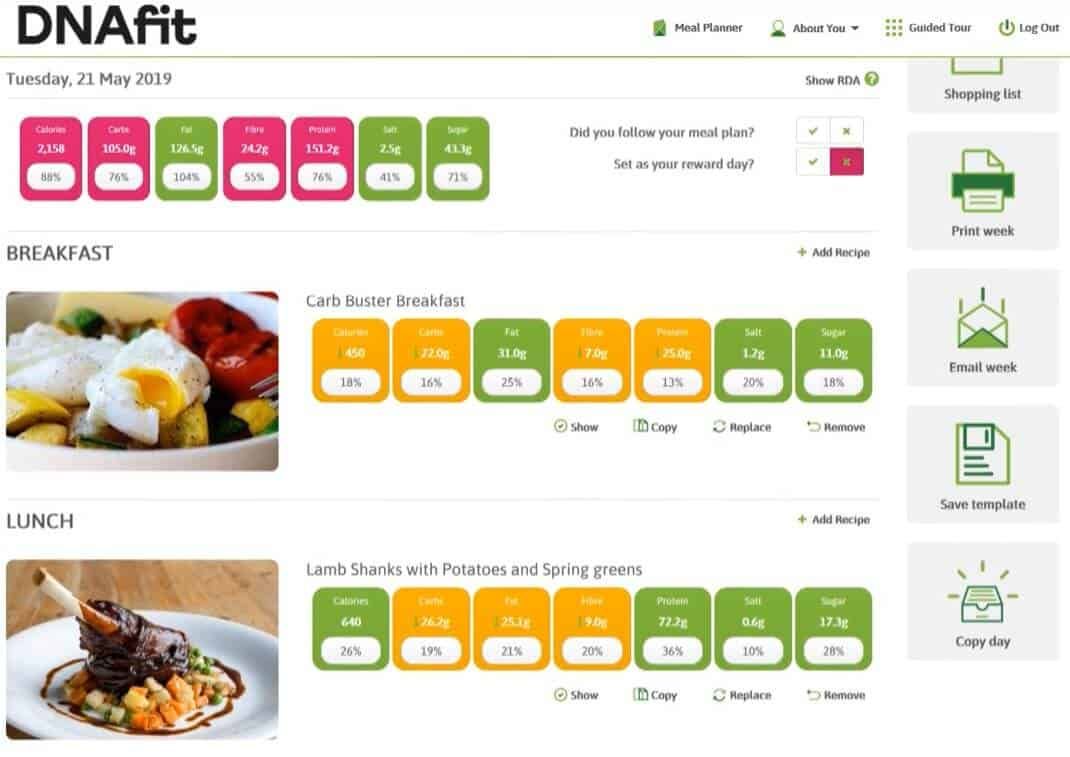
Image: DNAfit Personalized meal plan
Xcode Life’s Gene Nutrition Report - 45+ Traits - $40!
Health fit report includes everything in the diet fit report, along with fitness and sleep insights.
The fitness section of the report includes the following categories:

Excerpts from DNAfit health fit report
Xcode Life’s Gene Fitness Report - 25+ Traits - $30!
The sleep and stress section of the report includes the following categories:

Image: Sleep and stress sections of the health fit report
The report is generated using whole-exome data sequenced with your DNA sample. It includes over 500+ traits grouped into 20 categories.
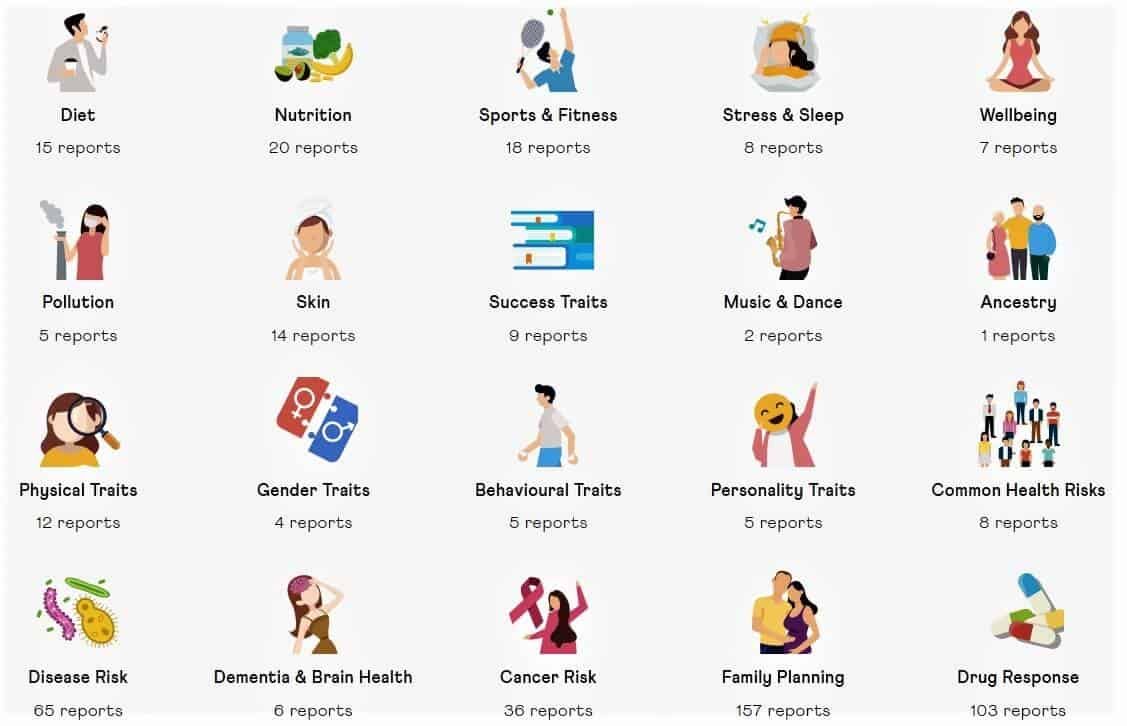
Image: Circle Premium test categories
You can also avail consultation with a health coach and genetic counselor with this plan.
The three main areas of focus in Circle Premium are:
Cancer, Diseases & Other conditions
This section aims to help you understand your genetic risk for certain cancers, diseases, and other health conditions. It has 350+ reports, including:

Health & wellness
This section of the report is aimed at helping you personalize your diet and workout routines. It has over 80 reports, including:
Traits & talents
This section of the report provides information on your ancestry and your physical traits and characteristics. It has 50+ reports, including:
DNAfit Cookbook
This can be purchased as an add-on with diet fit or health fit tests for an additional cost. It consists of over 50 tailor-made recipes.
12-Week Health Transformation
This is another add-on that can be bought along with or after you receive your results of diet fit or health fit tests.
With the 12-week plan, you get the following:
| Diet Fit | $189 (offer price: $132.30 - as of Aug 06 ‘21) |
| Health Fit | $249 (offer price: $174.30 - as of Aug 06 ‘21) |
| Circle Premium | $629 (offer price: $440.30 - as of Aug 06 ‘21) |
| DNAfit Cookbook | $39 |
| 12-Week Health Transformation | $249 |
According to the website, all genetic test results and other private information are maintained under a strict confidentiality policy.
DNAfit also claims to destroy your DNA sample after use - so they do not provide the provision to download your DNA raw data file.
The following information is collected from the users:
The data collected may be used for the following purposes:
The data collected may also be shared with the following third parties:
Pros
Cons
NB: All images are captured from the DNAfit website
Around 60% of Americans have a genetic mutation that makes it difficult for their bodies to produce sufficient amounts of 5-MTHF. If enough 5-MTHF is present, the body's methylation cycle will work well. 5-MTHF is a direct source of active folate required for methylation.
Methylation is a type of detoxification process and is fundamental to the functioning of the body. It is required for processes like cell division, synthesis of genetic material (DNA and RNA), development of the central nervous system, expression of some genes, immune functioning, synthesis of neurotransmitters (chemical substances that relay information between nerve cells), clearance of many endogenous compounds (those produced by the body) such as hormones and phospholipids, and formation of protective covering around nerves.
During methylation, active methyl groups (consisting of one carbon atom and three hydrogen atoms) are transferred between molecules. Methylation and its reverse process, called demethylation, act as biological switches to regulate the various systems in the body. So, optimum methylation ensures all body systems are functioning well.
The methyl group in methylation is provided by S-adenosylmethionine or SAMe, called the universal methyl donor. This compound gives methyl groups to substances that need to undergo methylation. So, methylation relies on SAMe, which in turn is reliant on vitamin B and 5-MTHF (the active form of folate called methyl folate).
Methylation determines which genes are turned on and which are turned off. In most cases, when there is less methylation, genes are turned ‘ON,’ and more methylation turns the genes ‘OFF.’ Methylation is influenced by genetic, dietary, and environmental factors.
Since methylation forms such a vital part of our body’s biochemical processes, any deficits in the process can give rise to a wide range of conditions. For example, impaired methylation can lead to conditions like depression, anxiety, histamine intolerance, hormonal imbalance, poor detox ability, birth defects, increased risk for cancer, fatigue, and low energy.
Summing it up, methylation is vital to the body because:
Methyltransferases are enzymes that enable methyl group transfers from S-adenosylmethionine (SAMe) to other molecules. DNA methyltransferases are specific transferases that alter DNA by adding a methyl group to cytosine (part of DNA). DNA methylation is essential in the development of most cancer types. Apart from DNA, other methyltransferases also modify proteins. Moreover, different methylation reactions can exert varying gene expressions.
Multiple genes influence the process of methylation and form the methyltransferase family. The most commonly studied ones include – COMT, TPMT, BHMT, PEMT, MTHFR, MTR, MTRR, and CBS genes.
The COMT gene gives instructions for forming Catechol-O-methyltransferase and is one of the most studied genes of the methyltransferase family. The catechol-O-methyltransferase enzyme brings about the detoxification of catecholamine transmitters like epinephrine, norepinephrine, and dopamine. The metabolism of these substances regulates the mood, behavior, cognition, pain tolerance, and normal functioning of organ systems in the body. The COMT gene is responsible for the elimination of dopamine. Therefore, some mutations (abnormal changes) in the COMT gene can result in high dopamine levels due to slower metabolism or breakdown of these substances, resulting in anxiety and insomnia.
It has been found that individuals without any COMT gene mutations tend to be more even-tempered and do not suffer from mood swings. However, a particular variant of the COMT gene Val158Met has been associated with poorer cognitive performance and increased susceptibility to develop psychiatric disorders, particularly schizophrenia.
In addition, the Val158Met variant is believed to influence aspirin and vitamin E’s effect on lowering cardiovascular diseases by almost 40%. This variation is also said to be a possible risk factor for bipolar disorder, panic disorder, anxiety, OCD (obsessive-compulsive disorder), eating disorders, ADHD (Attention Deficit Hyperactivity Disorder), and others.
| Genotype | COMT Enzyme Activity |
| AA | Low |
| AG | Medium |
| GG | High |
Alleles and their risks:
| Allele | Risks |
| A allele | Increased the risk of coronary artery disease compared to the G allele. Increases the chances of alcohol addiction, increased stress intolerance, neuroticism, and postoperative pain.Associated with a 3-4 fold reduction in COMT’s methylation activity and an increased risk for breast cancer. However, this condition can be managed by increasing insoluble fiber intake, managing fat intake, weight loss and management, and increasing physical activity during the day. All of these restore healthy estrogen metabolism. |
| G allele | Increases the risk of ADD/ADHD, anxiety, aggressiveness, OCD, gaming addiction, panic disorder, and an increased risk of substance addiction |
Read More: How Does The COMT Gene Influence Your Personality?
MTHFR or Methylenetetrahydrofolate is a gene that gives instructions for the production of the Methylenetetrahydrofolate reductase enzyme. This enzyme is a rate-limiting enzyme (an enzyme that enables the slowest part of a chemical reaction) of the methylation cycle. It is responsible for activating folate for its subsequent reduction to homocysteine and then methionine.
Polymorphisms ( or changes) in the MTHFR gene can alter (or decrease) the activity of the MTHFR reductase enzyme, which can cause an increase in homocysteine levels in the blood. This condition is called hyperhomocysteinemia. There are two polymorphisms of particular interest 677C>T and 1298A>C. These polymorphisms can increase the risk of high blood pressure, blood clots, pregnancy loss, psychiatric conditions, and cancer types.
Individuals with 677C>T polymorphism on both copies of the MTHFR gene are at a greater risk of vascular diseases like heart diseases and stroke. In addition, this polymorphism is also a risk factor for cleft lip and palate.
Read More: How To Interpret Your 23andMe MTHFR Results?
Methylation is vital to our body’s normal functioning, lacking which, the following conditions can occur:
Methylation is essential for metabolism (breaking down the substance into a smaller size for ease of elimination from the body) and estrogen detoxification. So, poor methylation can result in heavy and painful periods, PCOS (Polycystic Ovarian Syndrome), PMS (Pre-MenstrualSyndrome), fibroids, and endometriosis. In addition, these individuals may need to consume more iron, folate, and vitamin B12 to stimulate blood production.
Poor methylation can cause infertility in men and women, increased risk of miscarriage, and other pregnancy-related complications like pre-eclampsia. This happens because methylation is critical for the growth of new tissues, fertility, a healthy pregnancy, and fetal development.
Poor methylation has been associated with cardiovascular diseases, high blood pressure (hypertension), and poor blood circulation in the body. When methylation in the body is insufficient, homocysteine levels increase, which leads to inflammation and free radical damage. These free radicals can damage your blood vessels, leading to many cardiovascular diseases.
Methylation is responsible for the production and metabolism of many neurotransmitters such as dopamine, serotonin, noradrenaline, and adrenaline. Therefore, fluctuations in the methylation cycle in the body can affect the levels of these neurotransmitters and impact your mood and precipitate mental health illnesses like depression, anxiety, bipolar disorder, OCD, etc.
Poor methylation has been linked to autoimmune disorders like multiple sclerosis, rheumatoid arthritis, autoimmune thyroid condition, etc. This is because methylation has a role to play in the development and strengthening of the immune system.
When the body cannot methylate properly, it can lead to memory problems like insomnia, dementia, Alzheimer’s disease, among others. Poor methylation results in increased homocysteine. Homocysteine is harmful not just to the blood vessels but also to the nerve cells in the brain and where they cause inflammation. Also, for a healthy mind, we need to sleep properly. Hormones like melatonin and neurotransmitters are all produced via methylation.
Bile plays a vital role in the body’s detoxification process. It has many other functions such as cleansing the bowel, absorption of fat-soluble vitamins, and antimicrobial properties, etc. Poor methylation results in an insufficient quantity of phosphatidylcholine (a key component of bile), resulting in inadequate bile production, which can cause digestive troubles, gallbladder problems, and malabsorption of fat.
During an allergy, your body makes increased amounts of histamine, the chemical that is responsible for all your allergy symptoms like sneezing, itching, hives, runny nose, and watery eyes. The excessive amounts of histamine are eliminated from the body by adding a methyl group to it, inactivating it and making it easy to be excreted.
Constant inflammation in the body is harmful to it. It also reduces the availability of methylated molecules in the body, thereby impacting the body’s ability to repair tissue and produce neurotransmitters. Poor methylation can result in inflammatory body conditions like Inflammatory Bowel Disease (IBD), arthritis, etc.
Methylation also plays a role in tumor formation. Hypermethylation and hypomethylation are both known to cause an increase in the enzyme DNA methyltransferase. Hypomethylation can cause increased mutations and instability of chromosomes, resulting in cancer. The following substances are not produced when there is inefficient methylation:
When the methylation cycle is disrupted, it needs to be brought on track to ensure the body’s smooth functioning and relieve any conditions that you may have developed due to irregular methylation. Here’s how you can boost the methylation cycle naturally and support the process:
Fiber is well-known for its ability to promote healthy digestion. It helps move the contents in the large intestine more quickly.
Soluble fiber, found in oats, barley, nuts, and seeds, also reduces the absorption of cholesterol, thereby lowering cholesterol levels in the blood. It’s no surprise that this wonder nutrient can aid weight loss too!
Did you know that fiber has 0 calories? Most foods rich in fiber, like broccoli, zucchini, turnip greens, and carrots, are super-low in calories as well!
Despite being calorie-free, fiber helps you feel full for a much longer time.
How does it do that?
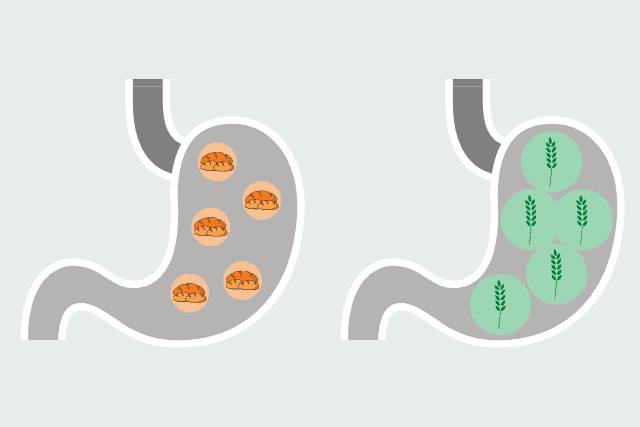
Fiber swells in the stomach, and in that process, provides bulk to foods, thus keeping you full. This makes the stomach expand, which releases the cholecystokinin hormone, more commonly known as the satiety hormone. This hormone signals to the brain that you’re full.
What’s more?
Fiber also gives a nice boost to your metabolism! Fiber cannot be digested by the body. But the body puts in all the work to try and digest it anyway. This process results in burning off those excess calories.
Despite having such a range of benefits, a lot of people do not meet their fiber needs!
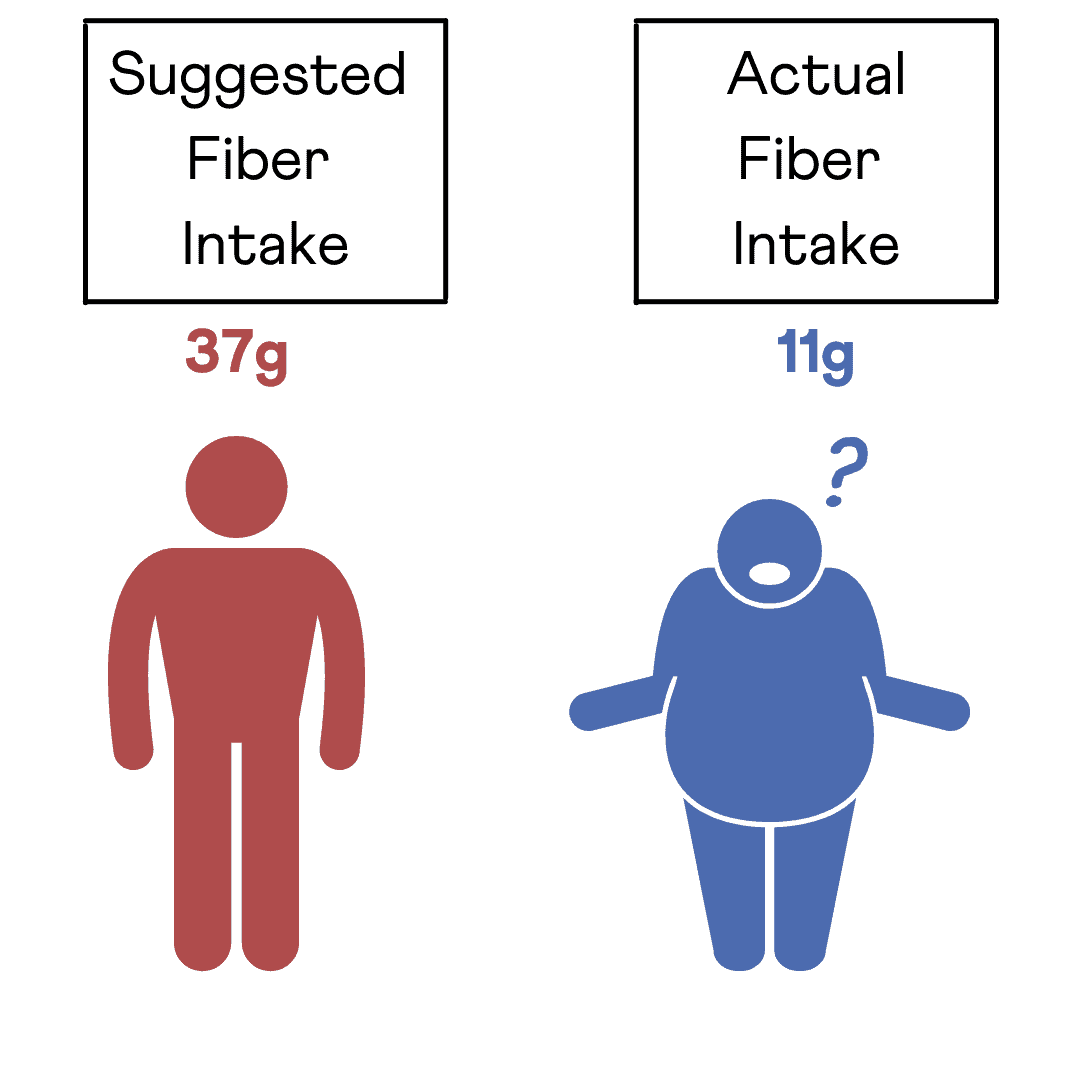
Decreased fiber intake has been associated with health conditions like obesity, diabetes, heart disease, stroke, and cancer. A fiber-rich diet has been shown to decrease the risk of all these conditions! Weight loss on fiber is moderated by several factors, like your body weight, lifestyle, other health conditions, and genetics.
FTO is a gene that has been studied to influence weight loss upon fiber consumption. This gene contains instructions to produce Fat mass and obesity-associated protein and has been implicated in conditions like obesity.
People carrying a certain variant of this gene tend to lose more weight on a high-fiber diet than others. Such individuals may benefit more from a fiber-rich diet in terms of weight loss.
A simple genetic test can be used to find out what variant of the FTO gene you carry.
Most genetic tests provide your DNA information in the form of a text file called the raw DNA data. This data may seem like Greek and Latin to you.
We, at Xcode Life, can help you interpret this data. All you have to do is upload your raw data and order a nutrition report. Xcode Life then analyzes your raw data in detail to provide you with comprehensive nutrition analysis, including information on your weight loss and weight gain tendencies on different diets.