It is normal for hair to lose color and turn gray as people age. However, today’s stressful lifestyle can accelerate this process resulting in grey hair appearing on people even in their 20s! Initially thought as a permanent change, new research reveals hair greying can be reversed - at least temporarily!
Hair greying occurs when melanin, a natural skin pigment that is responsible for hair, skin, and eye color, is gradually lost due to aging. At first, hair grows unpigmented out of the hair follicles.
Two pigments, melanin (produced by melanocytes) and keratin (produced by keratinocytes), together add color to the hair. Both melanocytes and keratinocytes are present near the follicles.
Melanin has two different versions - eumelanin and pheomelanin. Eumelanin gives rise to a red/yellow pigment (seen in blonde/ginger hair), and pheomelanin gives rise to a brown/black pigment (seen in brunette/black hair).
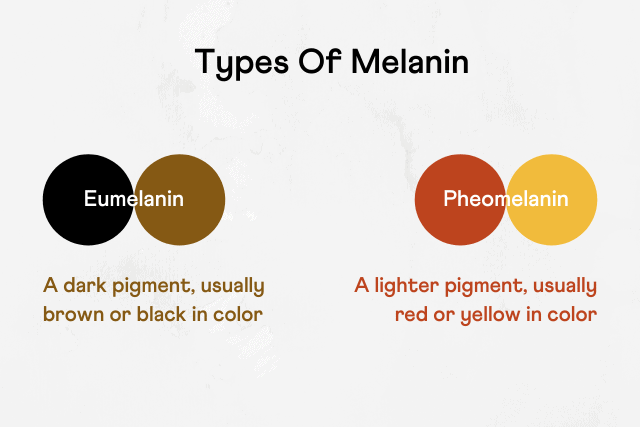
The distribution of eumelanin and pheomelanin is influenced by genetics, especially the MC1R gene.
As our body ages, so do stem cells - the parent cells of all functional cells of the body. Melanocytes are produced by melanocyte stem cells (McSCs).
Aging causes a loss of McSCs - so melanocyte production also gradually decreases. In the absence of melanin pigment, the hair turns grey.
Hair greying is influenced by genetic factors and the environment (including lifestyle). One of the major environmental contributors happens to be stress.
A previous study done by Harvard University explored stress-induced hair greying in mice. They observed that stress triggered the release of a chemical, norepinephrine, which affected the McSCs.
Norepinephrine accelerated the conversion of McScs to melanocytes, thereby depleting the population of McScs. This ultimately resulted in a complete halt in the hair coloration process.
This process was also noted to be irreversible in mice.
In 2016, researchers at UCL, UK, found the first-ever gene, IRF4 (interferon regulatory factor 4), associated with hair greying. IRF4 is actively involved in the regulation of the production and storage of melanin.
This gene interacts with MITF (microphthalmia-associated transcription factor) to activate tyrosine, a critical factor in melanogenesis (the process of melanin production). MITF has been known to repress McSCs survival and affect hair greying.
So, researchers hypothesize that IRF4 might influence the hair greying process. However, the exact mechanism behind this is still unclear.
Researchers at the Columbia University Irving Medical center undertook a small-scale study to observe how stress affected hair greying. The study included 14 participants from varying age groups, ethnicities, and sexes - most people, however, were white. The researchers collected dark, white, and two-colored hair (hair with partial greying) from these people.
The researchers used a digital and mathematical model to map and measure small color changes in a single hair. They found that over a stress-filled period, the hair started greying.
Surprisingly, the removal of the stress stimulus resulted in an apparent reversal of greying, and the hair became colored again.
To understand the mechanism behind this, the researchers studied thousands of other proteins in the hair. They observed changes in 300 out of the 1000 proteins as the hair greyed.
They also suspect the role of mitochondria in stress-induced hair greying. Mitochondria, other than being involved in energy production, also plays an important role in transmitting signals that respond to psychological stress.
A 70-year old with a head full of white hair cannot reverse hair greying by reducing stress. At the same time, 10-year-olds, no matter how much stress they experience, are not going to suddenly wake up to a head full of white hair.
The study reports a "threshold" or a limiting situation at which a hair turns grey permanently. Somewhere in middle age, as we approach this threshold, stress can accelerate the transition.
Reducing stress in life is most definitely a good thing. But once you cross this threshold, it's not going to reverse your hair greying.
The CYP1A2 gene is a member of the CYP450 enzyme family, which is responsible for the detoxification or removal of toxins from the body.
The CYP1A2 gene produces the CYP1A2 protein in the liver. This is an important enzyme required to break down toxins of all kinds. Apart from the liver, this enzyme is also found in the lungs, pancreas, brain, and gastrointestinal tract.
Slow Metabolizers - Slow metabolizers have lower levels of CYP1A2 enzyme and process caffeine and other substances more slowly. So, the same amount of caffeine will cause more negative effects on CYP1A2 slow metabolizers than the rapid metabolizers.
Fast Metabolizers - Fast/Rapid metabolizers have higher levels of CYP1A2 enzyme and process caffeine and other substances rapidly. They are less likely to suffer from the effects of caffeine on the body. But at the same time, they metabolize drugs very fast and thus may not experience the intended effects of the drugs.
Intermediate Metabolizers - These people produce moderate amounts of the CYP1A2 enzyme.
The CYP1A2 enzyme acts on over 100 substrates that include:
Clozapine - It is an antipsychotic medication commonly used in the treatment of schizophrenia. Clozapine is said to be the only effective drug against treatment-resistant schizophrenia.
Tacrine - This is a drug used to treat mild to moderate symptoms of Alzheimer's.
Theophylline- This drug is routinely used to treat chronic respiratory conditions like COPD (Chronic Obstructive Pulmonary Disorder), asthma and prevent symptoms like wheezing and shortness of breath.
Tylenol- This medication is also known as acetaminophen and is used to treat fevers and pain.
Procarcinogens are chemical compounds that can be converted into cancer-causing substances called carcinogens. Some common procarcinogens that the CYP1A2 gene acts on include:
Benzopyrene - It is found in car exhaust, smoke from wood fires, tobacco, oil and gas products, charred or grilled foods, and other sources.
Aflatoxin - This toxin is produced by fungi found on certain crops like maize, tree nuts, and cottonseed.
Heterocyclic amines - It is a chemical found in cigarette smoke, chargrilled, and char boiled meats.
Polycyclic aromatic hydrocarbons (PAHs) - It is a group of chemicals that occur naturally in coal, crude oil, and gasoline.
1. Steroids, Arachidonic acid
2. Hormones like melatonin and estrogen and their products
3. Metabolic waste products like bilirubin and uroporphyrinogen
The CYP1A2 gene is of particular interest because it is also responsible for detoxifying xenobiotic compounds, including caffeine and many prescription drugs.
Some drugs and compounds stimulate CYP1A2 activity, while others inhibit it. This is important because toxins that reduce the activity of the CYP1A2 gene increase the effect of the substrates. Similarly, toxins that stimulate CYP1A2 activity decrease the effect of the substrate.
Some factors like smoking, eating cruciferous vegetables, exposure to polyamine hydrocarbons from grilled or barbecued meats, omeprazole, and other PPI (Proton Pump Inhibitors) activate the CYP1A2 enzyme.
Oral contraceptives, fluvoxamine, and fluoroquinolone group of antibiotics reduce the expression of the gene and subsequent enzyme activity.
Both genetic and environmental factors can cause variations in the CYP1A2 gene and result in up to a 6-fold difference in the gene’s activity. Ethnicity also impacts the functioning of the CYP1A2 gene, with a lower activity found in Asian and African populations as compared to Caucasians.
About 40 SNPs (Single Nucleotide Polymorphisms) have been identified in the CYP1A2 gene that affect the gene's detoxification effects.
| Haplotype | Effect |
| CYP1A2*1C | Decreased enzyme activity |
| CYP1A2*1F | Decreased enzyme activity |
| CYP1A2*1K | Decreased enzyme activity |
| CYP1A2*4 | Decreased enzyme activity |
| CYP1A2*6 | Decreased enzyme activity |
A haplotype is a group of gene changes that are inherited together. The *1C, *F, *1K, *4, etc. star alleles. Star alleles are used to name different haplotypes.
The CYP1A2*1C type (AA and GA) of this gene alters the binding site of the enzyme, which results in slower processing of the drug. This increases the severity of any side effects of the drug.
*1C variant is found in 6-25% Asians and only 0.4% in Caucasians.
Another study revealed that alcoholic individuals being treated with clozapine for refractory psychosis (treatment-resistant psychosis- a mental health condition) having double alleles (homozygous) for CYP1A2 *1C/*1C gene variants of the rs2069514 SNP are at a high risk of CLZ-related adverse drug reaction. This information is helpful for clinicians before they prescribe clozapine.
Caffeine is a major substrate of the CYP1A2 gene. Caucasian smokers with the AA type of rs762551 showed increased metabolism as compared to those with CA and CC types. However, this was not seen in non-smokers.
The C allele of CYP1A2*1F type decreases the CYP1A2 enzyme activity. Smokers with AA type had 1.6x higher CYP1A2 activity than those with AC and CC types. Among non-smokers, people with high caffeine intake and AA type had 1.4x higher CYP1A2 activity.
A study conducted on the South American population examined the effect of caffeine consumption on heart health. It was found that individuals with the CYP1A2*1A allele (AA) are said to be rapid caffeine metabolizers, and those with CYP1A2*1F (AC, CC) are said to be slow metabolizers.
Studies have shown that fast metabolizer of caffeine:
It has also been found that in slow metabolizers, caffeine had a greater effect on their body and increased their risk of hypertension and heart diseases (when they drank coffee regularly). Slow caffeine metabolizers with C>A type had an increased risk of non-fatal myocardial infarction.
A study showed that women who had abnormal changes in BRCA1 with at least one C allele, i.e., AC or CC type in the CYP1A2 gene, had a 64% reduction in breast cancer risk upon coffee consumption. Also, this protective effect of the C allele was not seen in women having the AA gene type.
A study demonstrated that under controlled dietary conditions, moderate intake of Brassica or cruciferous vegetables like broccoli, cabbage, Brussel sprouts, cauliflower, etc., increases CYP1A2 activity.
Apiaceous vegetables like carrots, celery, parsnips, etc., decrease CYP1A2 enzyme activity. Maintaining a healthy balance of CYP1A2 is essential for the proper elimination of toxins as their build-up can lead to various disorders like heart diseases, type-2 diabetes, and obesity.
Smoking increases the CYP1A2 activity, and it increases the risk of various types of cancers. This occurs as increased CYP1A2 activity stimulates activation of harmful carcinogens in the body.
This can help you understand the CYP1A2 gene and identify abnormal changes if any. This will help your doctor prescribe the right medications without causing any adverse reactions due to the CYP1A2 gene interaction.
Detoxification is a natural process through which the body removes toxins and other unwanted substances. Detoxification happens regularly to keep the body healthy. There are different stages of detoxification, and the first stage, or Phase 1 detoxification, is the first line of defense against harmful substances and toxins.
A toxin is a harmful substance produced within living cells or organisms. Most toxins that enter the body are fat-soluble. It means they easily get stored in the fatty parts of the body. They can remain in the body for years without getting eliminated.
When the body goes through physical and mental stress, these toxins are released from the fatty tissues and lead to various health conditions.
It is very important to prevent toxin build-up in the body and remove toxins as quickly as possible.
Phase 1 detoxification helps in eliminating various harmful substances from the body.
This step can directly detoxify some of the chemicals. However, most chemicals are converted to intermediary forms and sent to phase 2 for detoxification.
A group of enzymes called Cytochrome P450 that are present in the liver cells are an important part of phase 1 detoxification. These are also present in small amounts in the small intestines, placenta, and kidneys.
These enzymes use processes like oxidation (addition of oxygen), reduction (removal of oxygen), and hydrolysis (breaking down a substance using water) to create certain chemical changes in the fat-soluble toxins.
These reactions make the toxins ready for phase 2 detoxification. One major problem with phase 1 detoxification is the production of free radicals called intermediate metabolites.
Each molecule of toxin changed in phase 1 detoxification releases a molecule of free radical. Free radicals are unstable molecules with unpaired electrons. They try to gain electrons from healthy cells in the body and damage them in the process.
Overexposure to free radicals can damage the body cells and lead to several health issues, including:
The Cytochrome P450 (CYP) enzymes play a very important role in phase 1 detoxification. They help detoxify fatty acids, steroids, drugs, and other chemicals in the system.
According to the Human Genome Project, [there are 57 different types of CYP enzymes.
Of these, about 12 CYPs contribute to 93% of the metabolism of different drugs and toxins. The 5 CYPs below are major ones and account for 60% of drug metabolism.
The activity and efficiency of these enzymes differ based on three factors:
Changes in the CYP gene can increase/decrease the activity of the Cytochrome P450 enzymes. These, as a result, affect the efficiency of Phase 1 Detoxification.
Alcohol dehydrogenase and aldehyde dehydrogenase - Both these help in ethanol processing. Ethanol is widely used in food processing but is toxic in high amounts.
Monoamine oxidase - Monoamine oxidase is a group of enzymes that break down monoamines from food. Monoamines are neurotransmitters, like dopamines, serotonins, and norepinephrines.
Paraoxonase 1 - This enzyme is produced in the liver and helps remove toxic insecticides and pesticides from the body. It also helps in removing oxidized lipids (fats).
Changes in the CYP gene can increase/decrease the activity of the Cytochrome P450 enzymes. These, as a result, affect the efficiency of Phase 1 Detoxification.
The main problem with phase 1 detoxification is the production of free radicals. Antioxidants are the best nutrients to neutralize free radical damage. Antioxidants donate their electrons to the free radicals and hence prevent damage to the healthy cells.
Here are some foods rich in antioxidants:
NAC is a specific type of supplement that is used to increase antioxidants in the body. This is made using the amino acid called cysteine.
Glutathione is a very important antioxidant needed to neutralize the free radicals produced during phase 1 detoxification. The first phase of detoxification reduces the Glutathione levels in the body, and NAC can help restore them.
Some of the phase 1 detoxification processes need vitamin B2 (riboflavin) and vitamin B3 (niacin) in adequate amounts. Consuming B2 and B3-rich foods can help support phase 1 detoxification.
Vitamin B2-rich foods: Organ meat, eggs, lean meat, milk
Vitamin B3-rich foods: Poultry, beef, fish, legumes, and grains
Zinc deficiency prevents the normal functioning of the CYP enzymes, and this can lead to inefficient phase 1 detoxification.
Here are some zinc-rich foods that can help prevent zinc deficiency:
Exercise helps release stored toxins from the body. Exercise also helps different parts of the body like the lungs, liver, and immune system to detoxify effectively. When you exercise more, the oxygen levels in the body increase, which again helps with the detoxification process.
https://www.news-medical.net/life-sciences/What-are-Cytochrome-P450-(CYP)-Enzymes.aspx
https://www.aafp.org/afp/2007/0801/p391.html
The CYP2C9 gene is located on chromosome 10 and contains instructions for the production of the enzyme with the same name. The CYP2C9 enzyme participates in phase I detoxification.
It is primarily present in the liver and is involved in the metabolism of many drugs, xenobiotics (foreign substances present in the body that are not produced by it), and endogenous compounds like steroid hormones and fatty acids.
Metabolism is the process by which large and complex things like food molecules and medicines are broken down into smaller components to produce energy, build or repair body tissue, produce hormones, etc.
The CYP2C9 enzyme also plays a significant role in the metabolism of warfarin, a blood-thinning drug (anticoagulant) used to prevent clotting inside the blood vessels.
Reduced warfarin metabolism results in slower clearance of the drug. As a result, it stays longer in the body and can lead to poor blood clotting and the risk of excessive bleeding. People who are slow metabolizers of warfarin may benefit from a lower starting dose.
Normal Metabolizers: Individuals with *1/*1 alleles of the CYP2C9 gene are said to be normal metabolizers of warfarin. They have normal circulating levels of the CYP2C9 enzyme.
Intermediate Metabolizers: Individuals who have one normal allele and one decreased function allele are said to be intermediate metabolizers of the gene. They tend to have either CYP2C9 *1/*2 or *1/*3 alleles.
Poor Metabolizers: People having CYP2C9 *2/*2 type and *3/*3 type ( homozygous for these alleles) are slow or poor metabolizers of warfarin and therefore require lower doses of the drug in order to prevent excessive bleeding.
While the CYP2C9 gene is mostly studied for warfarin metabolism, the gene is responsible for the metabolism and clearance of other drugs such as:
Abnormal changes in the CYP2C9 gene can affect enzyme production, i.e., they can increase or decrease its activity. This is important because the activity of the CYP2C9 gene affects how your body will respond to different doses of commonly used drugs.
Inhibitors lower the levels of CYP2C9 enzyme activity. As a result, the drugs this enzyme acts on are not cleared efficiently from the body. Some CYP2C9 inhibitors include:
There are over 50 variants (or types) of the CYP2C9 gene that affect enzyme activity. Many variants of this gene are important as they increase or decrease enzyme activity.
| Haplotype | Effect |
| CYP2C9*2 | Decreased enzyme activity |
| CYP2C9*3 | Decreased enzyme activity |
| CYP2C9*5 | Decreased enzyme activity |
| CYP2C9*6 | Decreased enzyme activity |
| CYP2C9*8 | Decreased enzyme activity |
| CYP2C9*11 | Decreased enzyme activity |
| CYP2C9*13 | Decreased enzyme activity |
A haplotype is a group of gene changes that are inherited together. The *3, *4, *14, *41, etc., are star alleles. Star alleles are used to name different haplotypes.
The two most commonly studied variants of this gene are the CYP2C9*2 and CYP2C9*3.
In CYP2C9*2, the amino acid arginine is replaced by cysteine at a specific part of the gene. This reduces CYP2C9 enzyme activity, and this leads to a decrease in warfarin metabolism. So people who have CYP2C9*2 are at an increased risk for warfarin sensitivity.
Having two copies of the T allele reduces warfarin processing and clearance by 40% whereas, having one normal C and one risk allele T reduces warfarin processing and clearance by 20%.
Individuals with two T alleles also showed a lower clearance of drugs like phenytoin, tolbutamide, ibuprofen, fluvastatin, and phenprocoumon.
The second common type of the CYP2C9 variant is the CYP2C9*3. Here, the *3 allele denotes the risk allele C.
One copy of the C allele reduces warfarin metabolism by 40%. Having two copies of the C allele reduces it by 80%. This variant is also associated with a decrease in THC(cannabis) metabolism.
The CC type is also associated with decreased clearance of other drugs like tolbutamide, fluvastatin, glimepiride, tenoxicam, candesartan, celecoxib, and phenytoin.
People having the AC type show a decreased clearance and a longer half-life of the drug flurbiprofen.
Individuals who require anticoagulants are advised to undergo genetic testing to detect any abnormal changes in the CYP2C9 gene. This helps the healthcare provider prescribe the appropriate dose of drugs like warfarin.
Genetic variants of the CYP2C9 gene are important because they metabolize different types of drugs in different ways:
Foods like oranges, lemons, and others are rich in hesperidin, a flavonoid that inhibits the CYP2C9 gene and its activity. This is more important for individuals who are on anticoagulant therapy with warfarin.
People taking any drug that is metabolized by the CYP2C9 gene must avoid taking the medication right after a short-term fast. A 36-hour fast is said to reduce CYP2C9 activity by 19%, and this can affect blood clotting time if the individual is taking warfarin.
Individuals taking aspirin to reduce their risk of colon cancer and have reduced activity of the CYP2C9 enzyme must switch to a non-aspirin alternative to avoid complications.
The CYP2B6 enzyme is a part of the Cytochrome P450 (CYPs) family. The CYP family is a group of enzymes that play a major role in detoxification in the body.
The CYP enzymes help in the metabolism and clearance of the various endogenous (produced internally) and exogenous (produced externally) substances.
The CYP2B6 is expressed in the liver and accounts for 2-10% of the total CYP content in the body.
Initially, scientists believed this enzyme only had a limited role in drug metabolism.
Metabolism is the process by which large and complex food molecules and medicines are broken down into smaller components to produce energy, build or repair body tissues, produce hormones, and do more such activities needed for the body.
The CYP2B6 enzyme plays a very big role in detoxification and drug metabolism. In the list of top 200 prescription drugs sold in the United States, about 4% of them are eliminated by the CYP2B6 enzyme.
In a 2005 study, researchers introduced the CYP2B6 gene into Oryza sativa cv. Nipponbare, a rice variety that has been genetically modified. As the plants grew, the scientists found that the plants were immune to 13 out of 17 herbicides (substances used to kill unwanted vegetation).
The study suggests that this CYP2B6 rice variant will grow to be more herbicide tolerant and also reduce the impact of agrochemicals (chemicals used in agriculture) on the environment.
10% of nicotine metabolism is carried out by the CYP2B6 enzyme.
Chemotherapeutics are drugs used for chemotherapy (cancer treatment). The following chemotherapeutics are metabolized by the CYP2B6 enzyme.
Anti-inflammatory drugs are prescribed to fight inflammation. These are available as both prescription and over-the-counter medications. The following anti-inflammatory drugs are cleared out by this enzyme.
Anesthetics are used in both major and minor surgeries and medical procedures to prevent patients from feeling pain during surgery. The following anesthetics are cleared by the CYP2B6 enzyme.
Psychotropic drugs work by increasing or decreasing the level of brain chemicals. Antidepressants, anti-anxiety medication, antipsychotics, stimulants, and mood enhancers are all parts of psychotropic drugs. The following psychotropic drugs are cleared by the CYP2B6 enzyme.
Excess hormones like estrone (E1) and testosterone are both cleared by the CYP2B6 enzyme.
Other classes of drugs metabolized by the CYP2B6 enzyme include:
Inducers are substances that increase the metabolic activity of the enzyme. Inhibitors are substances that bind to the enzyme to reduce its activity.
Inducers speed up the metabolism of the drugs, resulting in lower concentrations for drugs that are metabolized to an inactive form. In the case of antibiotics, inducers speed up the enzymatic conversion of antibiotics into their inactive forms, not giving the drug enough time to fight bacterial infections.
More than 100 different variations (changes) have been identified in the CYP2B6 gene. These variations can increase or decrease the CYP2B6 enzyme levels in the body.
| Haplotype | Effects |
| CYP2B6*4 | Increased enzyme activity |
| CYP2B6*8 | Decreased enzyme activity |
| CYP2B6*11 | Decreased enzyme activity |
| CYP2B6*15 | Decreased enzyme activity |
| CYP2B6*18 | Decreased enzyme activity |
| CYP2B6*22 | Increased enzyme activity |
| CYP2B6*27 | Decreased enzyme activity |
A haplotype is a group of gene changes that are inherited together. The *4, *8, *11, *15, *18, *22, and *27 are all haplotypes. Star alleles are used to name different haplotypes.
CYP2B6*4 - The CYP2B6*4 is a haplotype of the CYP2B6 gene. The *4 allele of this gene results in increased enzymatic activity.
CYP2B6*18 - The *18 allele of this SNP is associated with lower CYP2B6 enzyme activity when compared to the normal allele. People with this allele have higher levels of drugs in the body and are at risk for overexposure to drugs like nevirapine and efavirenz.
CYP2B6*6 - People with the *6 allele have a higher risk of becoming smokers and have quicker relapses after quitting smoking.
Certain compounds reduce the enzymatic activity of CYP2B6. Depending on your genotype, you might want to include/avoid them in your diet.
Genetic testing helps understand if you are at risk of high or low CYP2B6 enzyme activity. Smokers may benefit from this information as it can help them know their risk for overexposure to nicotine. People on certain medications may need to alter their dosages depending on the enzyme activity.
https://europepmc.org/article/med/27865701
https://pubs.acs.org/doi/abs/10.1021/jf050064z
https://www.sciencedirect.com/science/article/pii/S2211383516302532
https://www.ncbi.nlm.nih.gov/gene?Db=gene&Cmd=ShowDetailView&TermToSearch=1555
https://www.sciencedirect.com/topics/neuroscience/cyp2b6
https://www.genecards.org/cgi-bin/carddisp.pl?gene=CYP2B6
https://www.pharmgkb.org/vip/PA166169423
https://www.sciencedirect.com/science/article/pii/S0163725813000065
https://www.researchgate.net/publication/6722018
Alcohol metabolism is the process of breaking down ethanol, a type of alcohol used in the production of alcoholic beverages. It is a flammable, colorless liquid. Several enzymes act on ethanol, and this chemical goes through a complex metabolic process from the second it is consumed.
The ability to tolerate alcohol levels depends on factors such as genetic makeup, weight, gender, and nutritional state.
Once alcohol is consumed, about 25% of the content directly reaches the bloodstream from the stomach. The remaining 75% is absorbed from the small intestine.
Most of the alcohol in the body (90-98%) is processed and cleared by the liver. The remaining alcohol content is excreted out through sweat and urine.
Alcohol from the stomach and the small intestine reach the liver through small blood vessels called capillaries. The capillaries send ethanol to the hepatic (liver) cells.
Once ethanol reaches the liver, different enzymes act on it and metabolize it.
There are two significant phases of alcohol metabolism.
Phase 1 is the first stage of metabolism. Once ethanol reaches the liver, an enzyme called alcohol dehydrogenase (ADH) starts converting ethanol into acetaldehyde.
Ethanol loses some of its hydrogen molecules when it attaches itself to ADH. As a result, it is converted into another substance called acetaldehyde.
Acetaldehyde is listed as a Group 1 Carcinogen (cancer-causing agent) by The International Agency for Research on Cancer (IARC).
Mild amounts of acetaldehyde in the body lead to hangover symptoms like nausea, vomiting, headaches, and an increased heart rate.
Since acetaldehyde is toxic, the liver rushes to clear it out from the body. The next phase of alcohol metabolism uses an enzyme called acetaldehyde dehydrogenase (ALDH) to clear acetaldehyde.
ALDH is also produced in the liver and converts acetaldehyde into a harmless substance called acetic acid. Acetic acid is also called ethanoic acid.
Acetic acid is later cleared out from the body in the form of carbon dioxide and water.
For a person’s body to process alcohol effectively, both these enzymes need to work effectively.
Alcohol dehydrogenase (ADH) enzyme is produced by two genes - ADH1B and ADH1C.
The ALDH2 gene contains instructions for the production of acetaldehyde dehydrogenase (ALDH).
ADH1B Alcohol Dehydrogenase 1B (class I), Beta Polypeptide
The ADH1B enzyme metabolizes ethanol, retinol, and other types of alcohol. Higher levels of ADH1B protein activity in the body lead to an increased risk of acetaldehyde toxicity.
ADH1C Alcohol Dehydrogenase 1C (class I), Gamma Polypeptide
The ADH1C enzyme also helps in the metabolism of ethanol, retinol, and other types of alcohol.
Low enzyme activity increases alcohol intoxication. Higher enzyme activity can lead to acetaldehyde toxicity.
Aldehyde dehydrogenase 2 (ALDH2)
The ALDH2 enzyme converts acetaldehyde to acetic acid. This enzyme also helps metabolize 4-hydroxynonenal and malondialdehyde and plays a role in preventing oxidative stress.
In more than 50% of East Asians, a particular change in the ALDH2 gene leads to lowered levels of ALDH2 enzyme in the body. As a result, the body may not be able to convert acetaldehyde into acetic acid efficiently. This leads to acetaldehyde build-up and extreme symptoms like face flushing, nausea, and increased heart rate.
Depending on how much ADH is available in the body, people can be rapid, normal, and slow metabolizers of alcohol.
Rapid metabolizers have higher ADH enzymes in the body. As a result, they can handle higher levels of alcohol better (provided acetaldehyde is cleared out efficiently).
Certain changes in the ADH1B and ADH1C genes may lead to a lowered production of ADH. As a result, only limited ethanol molecules are metabolized in the liver. The remaining ethanol molecules are sent back to the bloodstream.
This increases Blood Alcohol Concentration (BAC) and increases intoxication. This condition is common in slow metabolizers.
Below are the effects of different types of the ADH and ALDH2 genes.
| Haplotype | Effects | Implications |
| ADH1B*2 | Increased enzyme activity | Lowered risk of alcohol intoxication |
| ADH1B*3 | Increased enzyme activity | Lowered risk of alcohol intoxication |
| ADH1C*2 | Decreased enzyme activity | Increased risk of alcohol intoxication and hangover symptoms |
| ALDH2 *2 | Decreased enzyme activity | Increased risk of acetaldehyde toxicity |
The *2 and *3 are star alleles. Star alleles are used to name different haplotypes. A haplotype is a group of gene changes that are inherited together.
Acetaldehyde - a possible carcinogen
As mentioned above, acetaldehyde is a Group 1 Carcinogen. This substance has already shown cancer-causing properties in animal studies.
Acetaldehyde may cause the following changes in the body.
The ALDH2*2 allele is associated with an increased risk for esophagus and oropharynx (the part of the throat behind the oral cavity) cancers.
Few studies relate the ADH1B*1 allele with an increased risk for colorectal and squamous cell cancers.
Genetic testing helps understand if a person has a risk for increased or decreased ADH and ALDH enzyme activities in the body. Alcohol consumption can then be moderated based on the results to avoid dangerous side effects.
Genetic testing will also tell if the person is at a higher risk for alcohol-induced damages like liver cirrhosis and cancers because of alcohol consumption.
Here is a list of foods that increase ADH and ALDH activities in the body.
Here is a list of foods that decrease ADH and ALDH activities in the body.
https://www.ncbi.nlm.nih.gov/pmc/articles/PMC3484320/
https://www.ncbi.nlm.nih.gov/pmc/articles/PMC6761819