Did you know? Widow's peak earned its name because it resembles the pointy hat worn by mourning Victorian women! The shape of your hairline can reveal a lot about your ancestry and personality. So, what is the origin and meaning of widow's peak? How does it relate to your genes and evolution? Continue reading to delve into widows peak genetics, discover its historical and cultural significance, and explore myths while presenting facts about this unique trait.
Genetic ancestry tests are becoming increasingly popular. While your DNA can be used to learn about your roots, did you know that it can also reveal important things about your health risks and wellness aspects? This allows you to take proactive measures for health conditions, even before the symptoms appear, thereby preventing it. You can upload your DNA data to learn 1,500+ things about your health. Learn more.
A hairline that forms a V-shaped point in the center of the forehead is known as a widow's peak.
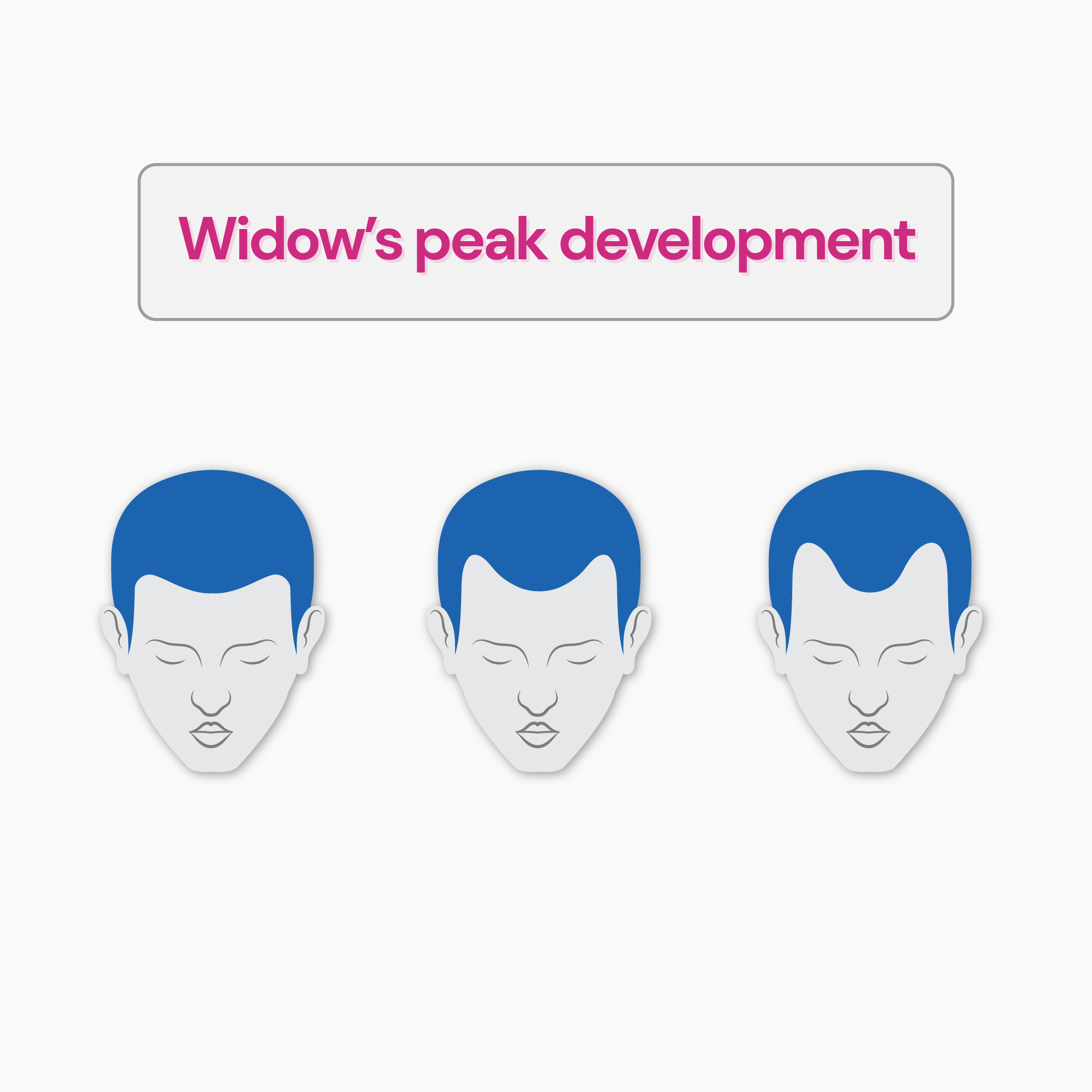
A widow's peak can vary in shape and size, depending on the individual's hair growth pattern and hairline recession.
Some people have a prominent widow's peak, while others have a subtle or barely noticeable one.
The term "widow's peak" is believed to have originated in 18th-century England. Back then, people thought having a V-shaped hairline was a bad sign, indicating early widowhood.
This belief was connected to the resemblance of the hairline to the peak of a widow's hood, a mourning garment.
Another theory linked it to the superstition of bad luck or early death for the spouse, although there's no scientific proof of this.
If a woman had a natural V-shaped hairline resembling the widows' headwear, it was thought to predict her future as a widow, giving rise to the name "widow's peak."
Nowadays, "widow's peak" refers to the V-shaped hairline unrelated to marital status or gender. It is a common trait with no health implications.
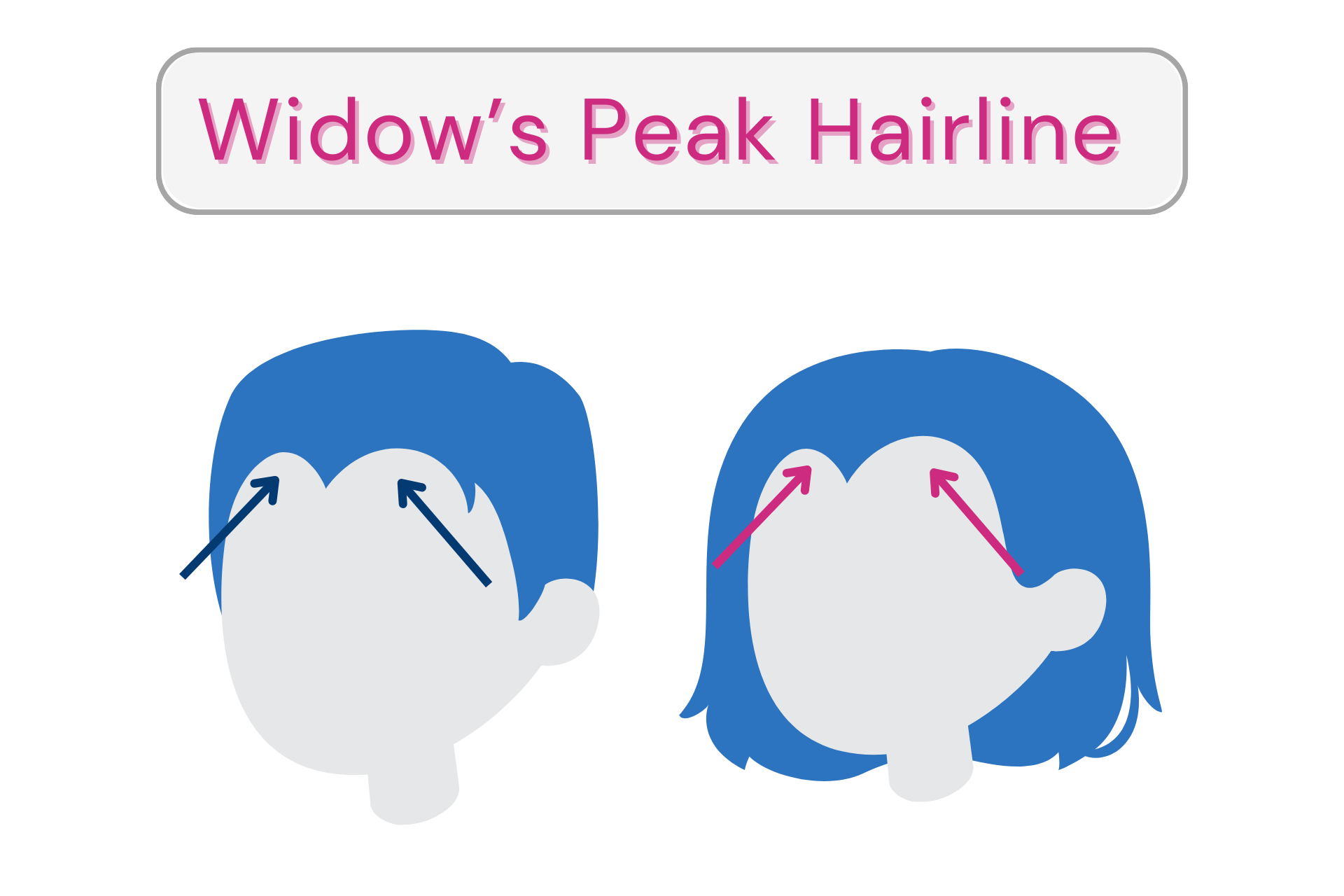
Widow's peak has various historical and cultural significance worldwide. An interesting example is Japan.
They call it "Fuji's peak" because it looks like the symmetrical cone of Mount Fuji, a famous cultural icon.
You can see this special hairline in old Japanese paintings. In the past, during the Heian era (from 792 to 1192 CE), women used makeup to make their widow's peak more noticeable.
Today, people have different opinions on how they want their hairline to look, and some even opt for hairline reconstruction to hide their widow's peak.
While a widow's peak is associated with some mythical beliefs, it doesn't explain why some people have it.
This trait is mostly due to genetics, a natural characteristic passed down in families. In some cases, it can also be linked to specific genetic conditions, like:
Download Your 23andMe Data For 1000+ Health And Wellness Insights
The inheritance of widow's peak genetics from parents or relatives is complex and requires clarification. It does not adhere to simple Mendelian rules.
The shape of the hairline may be determined by multiple genes interacting with each other and other factors, such as hormones and hair loss.
Whether a widow's peak hairline is dominant or recessive is a complex question with no definitive answer.
Widow's peak is considered a polygenic trait, meaning multiple genes influence it, including the W gene (widow’s peak gene).
Some sources claim that widow's peak hairline is a dominant trait, meaning that only one gene copy is needed to express the trait.
However, there is no scientific evidence to support this claim. Therefore, it cannot be classified as either a dominant trait or a recessive trait.
The genotype for the widow's peak is the combination of alleles that determine the phenotype or appearance of the trait.
The genotype can be either homozygous dominant (WW), heterozygous (Ww), or homozygous recessive (ww).
The phenotype for the widow's peak is either present or absent.
The chances of inheriting a widow's peak depend on the genotypes of both parents and their offspring.
Using Punnett squares, we can calculate the probability of each possible outcome. For example:
| Parent 1 | Parent 2 | Offspring |
| WW | WW | 100% WW |
| WW | Ww | 50% WW + 50% Ww |
| WW | ww | 100% Ww |
| Ww | Ww | 25% WW + 50% Ww + 25% ww |
| Ww | ww | 50% Ww + 50% ww |
| ww | ww | 100% ww |
As we can see, the chances of inheriting a widow's peak vary from 0% to 100%, depending on the parents' genotypes.
The evolutionary significance of the widow's peak trait is still unclear. More research is needed to determine if the widow's peak has played an important role in human evolution and natural selection.
The common belief that a widow's peak is governed by a single gene with two alleles—where the allele for a widow's peak is dominant over that for a straight hairline—is largely unfounded.
There is no substantial scientific evidence to support this notion, and it appears to be more of a myth than a fact.
Research indicates that the inheritance of a widow's peak is likely influenced by multiple genetic factors rather than a straightforward Mendelian inheritance pattern.
Furthermore, environmental factors and individual variations can also play significant roles in the expression of this trait.
There are many myths and misconceptions about the widow's peak, such as:
A widow's peak doesn't lead to or predict pattern baldness, also known as androgenetic alopecia.
Pattern baldness is a condition that makes hair follicles shrink, producing thinner and shorter hairs over time.
Hormones, age, and genetics influence pattern baldness, but the genes causing it differ from those determining hairline shape.
So, having a widow's peak doesn't mean someone will lose their hair faster or more severely than someone with a straight hairline.
If you are curious about your widow's peak genetics, you can take a DNA test that analyzes your ancestry and traits.
Some companies, such as 23andMe, offer a genetic testing service that can tell you if you have a W gene variant associated with widow's peak.
You can also compare your results with your relatives and see how the trait runs in your family.
Note: Genetic tests may not conclusively determine complex traits like a widow's peak. Results require caution in interpretation and should not be used to make significant life decisions.
Some people may not like their widow's peak and want to get rid of it or change its appearance.
Here are some options:
Routine haircuts don't need a doctor, but consult a hair transplant surgeon or dermatologist for advanced procedures like laser hair removal or transplants.
These procedures have medical and cosmetic implications, so expert guidance is necessary for safety and efficacy.
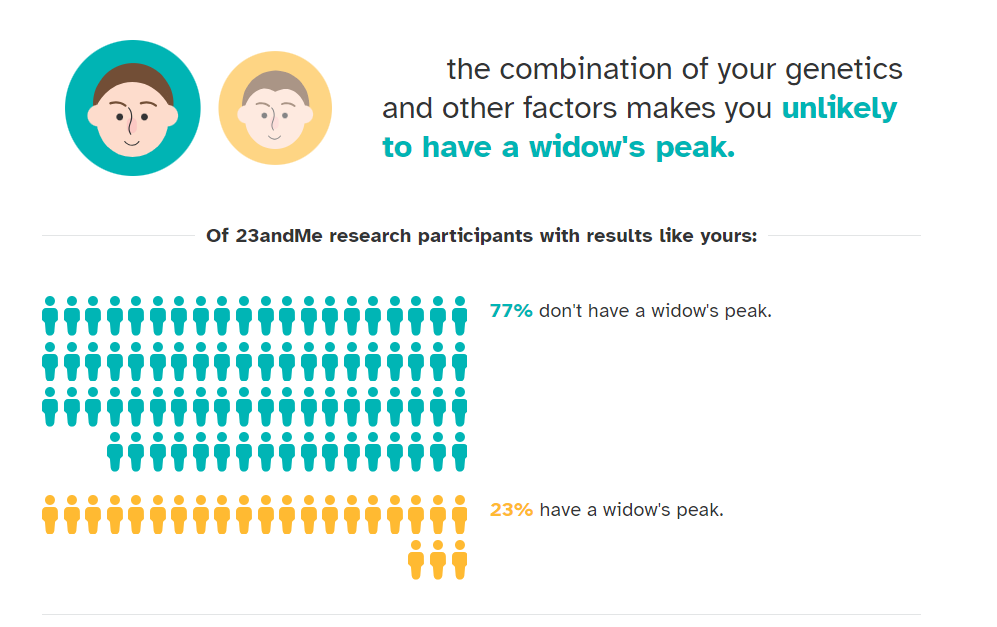
23andMe looks at 12 places in the DNA to estimate the likelihood of having a widow's peak.
The analysis also takes into account the effect of other factors, including age and sex at birth.
Find Out How Long 23andMe Takes To Deliver The Reports
A widow's peak, a V-shaped hairline, holds historical and cultural significance, with various beliefs about its meaning.
While myths surround it, science attributes the trait to genetics, influenced by multiple genes.
The inheritance of a widow's peak doesn't follow simple Mendelian rules, making it a polygenic trait.
The chances of inheriting it depend on parental genotypes, as seen through Punnett squares. The evolutionary significance remains to be determined.
Despite myths, having a widow's peak doesn't predict early widowhood, villainous traits, or bad luck. It also doesn't correlate with pattern baldness.
If you wish to change your widow's peak, options range from hairstyle changes to more advanced procedures, each with its considerations and implications.
https://www.healthline.com/health/widows-peak
https://www.webmd.com/beauty/what-to-know-about-widows-peak
https://onlinelibrary.wiley.com/doi/epdf/10.1111/ddg.14502
https://learn.genetics.utah.edu/content/basics/observable/
From the conventional wisdom of creating a pitch-dark room and applying ice packs to the neck to the less orthodox methods like warming the feet, the internet is rife with 'migraine hacks.' Yet, these remedies often fall short of providing consistent or complete relief. Magnesium, the all-rounder nutrient, has recently gained attention in migraine management. Research highlights its potential in alleviating migraine pain by modulating key signaling pathways and chemical processes in the brain. However, the question arises: which form of magnesium is the best for combating migraines? Let's explore.
Some studies show that magnesium might be effective in relieving migraine.
It is most effective in people who have an aura with their migraine.
It means they experience light flashes or blindspots before or during migraines.
Magnesium may help prevent cortical spreading depression, a wave of brain signaling.
Cortical spreading depression causes visual and sensory changes that cause an aura during a migraine episode.
Magnesium can improve platelet function and block pain-transmitting chemicals in the brain.
It is effective in reducing the symptoms of premenstrual migraine.
Magnesium can be a preventative measure for those who suffer from premenstrual migraine or those who experience an aura with migraine.
There is no foolproof method to check magnesium deficiency in the brain.
Thus, it can be harder to tell if you're magnesium deficient.
People who suffer from heart disease or diabetes or take diuretics for blood pressure may be prone to low levels of magnesium in the body.
Some studies show that people suffering from migraines can have low levels of magnesium in their brains.
This could be due to:
Magnesium plays a vital role in muscle function.
Signs of magnesium deficiency include:
Magnesium oxide is one of the most commonly prescribed forms of magnesium to treat migraines.
It is readily available and used in clinical trials.
Sometimes, for acute cases, patients are administered magnesium sulfate intravenously.
Here are a few common types of magnesium for migraine treatment:
Pros: It is a readily available form of magnesium and is used widely to treat migraine. It is also absorbed reasonably well in the body.
Cons: Magnesium oxide can cause digestive problems and diarrhea.
Pros: One of the most common forms of magnesium is Epsom salt. It is available in the form of lotions and sprays. Sometimes, it is prescribed intravenously in severe migraine cases.
Cons: The effectiveness of this form of magnesium varies, so it is best used in combination with other forms of magnesium.
Pros: Glycine elevates serotonin levels in the brain, which helps improve sleep quality. Magnesium glycinate also has a higher absorption rate in the body and may be more effective.
Cons: It may cause digestive issues. However, magnesium glycinate is quite gentle on the digestive system.
Pros: It is the only form of magnesium penetrating the blood-brain barrier. It raises magnesium levels in the brain effectively.
Cons: It is more expensive than other forms of magnesium.
Did You Know?
The magnesium levels in your body are partly influenced by your genes. CASR is a gene, which contains instructions for producing a protein called the Calcium Sensing Receptor. Certain types of this gene can increase your risk of magnesium deficiency by reducing the reabsorption of magnesium in the kidneys. You can learn in-depth about your nutritional traits using your existing ancestry genetic test DNA data.
When considering magnesium for migraine relief, magnesium glycinate is often recommended due to its high bioavailability and gentle effect on the stomach.
Dr. Alexander Mauskop notes, "Magnesium glycinate is particularly beneficial for individuals whose migraines are exacerbated by stress or anxiety. It not only helps with magnesium levels but also promotes relaxation."
Magnesium citrate is another popular choice, known for its good absorption rate.
The American Migraine Foundation suggests a daily intake of 400–500 mg of magnesium oxide or citrate for migraine prevention. Although magnesium oxide is less absorbable, it can still be effective.
Emerging interest in magnesium threonate highlights its potential benefits, particularly its ability to cross the blood-brain barrier effectively. However, research on this form is still limited.
Experts generally recommend starting with around 400 mg per day, with Dr. Mauskop advising an increase up to 1,200 mg per day under medical supervision if no improvement is noticed.
Consultation with healthcare professionals is essential before starting any magnesium supplementation to tailor the approach to individual needs. Dr. Mauskop emphasizes, "It's crucial to tailor magnesium supplementation to the individual's needs and monitor their response over time."
Magnesium oxide is prescribed at a dosage of 400-600 mg per day.
Your doctor might prescribe intravenous magnesium sulfate injections if you have a severe magnesium deficiency.
It is advisable to consult your doctor to determine the correct magnesium dosage you will need.
Magnesium is generally safe.
However, excessive magnesium can lead to
These symptoms usually subside when you lower the dose of magnesium you are taking.
Magnesium can also cause more severe side effects, such as shallow blood pressure, irregular heartbeat, and coma.
Always consult your doctor before taking any supplements.
If you don't want to take supplements, add magnesium-rich foods.
Green leafy vegetables like spinach are some of the best sources of magnesium.
It contains almost 40% of the daily dietary requirement of magnesium.
Some other foods that are rich in magnesium are:
Magnesium might be an effective treatment for migraines.
It is especially effective for premenstrual migraine and for people who experience an aura during migraine.
Magnesium oxide is a common form of magnesium for migraine treatment.
It is always advisable to consult a doctor before starting any supplements.
You can also add magnesium-rich foods such as nuts and leafy green vegetables for adequate magnesium levels.
https://americanmigrainefoundation.org/resource-library/magnesium/
https://www.healthline.com/health/magnesium-for-migraines
https://www.ncbi.nlm.nih.gov/books/NBK554611/
https://americanmigrainefoundation.org/resource-library/menstrual-migraine-treatment-and-prevention/
https://www.mdpi.com/2072-6643/14/5/1089
Gestational diabetes affects around 7–10% of all pregnancies worldwide, and many expecting mothers worry about whether or not it is genetic. The answer is a bit complicated. While gestational diabetes cannot be caused by one single gene, some risk factors can make it more likely for a pregnant woman to develop the condition. In this article, we will attempt to explain the genetic side of things and touch upon some other modifiable and non-modifiable risk factors.
Gestational diabetes mellitus (GDM), or gestational diabetes, is diabetes or any degree of glucose intolerance first developed/recognized during pregnancy.
GDM occurs due to a combination of resistance to insulin (a hormone that regulates blood sugar levels) and an inability of the body to produce enough insulin to meet the increased demands during pregnancy.
Typically, those affected with GDM do not have diabetes before they are pregnant, and in most cases, the blood sugar levels return to normal soon after the baby is born.
However, there’s a 30-70% chance of GDM recurring in subsequent pregnancies.
The worldwide prevalence of GDM is increasing due to some factors:
Despite GDM being the most common medical complication in pregnancy, there's no universal screening or diagnostic approach for this condition.
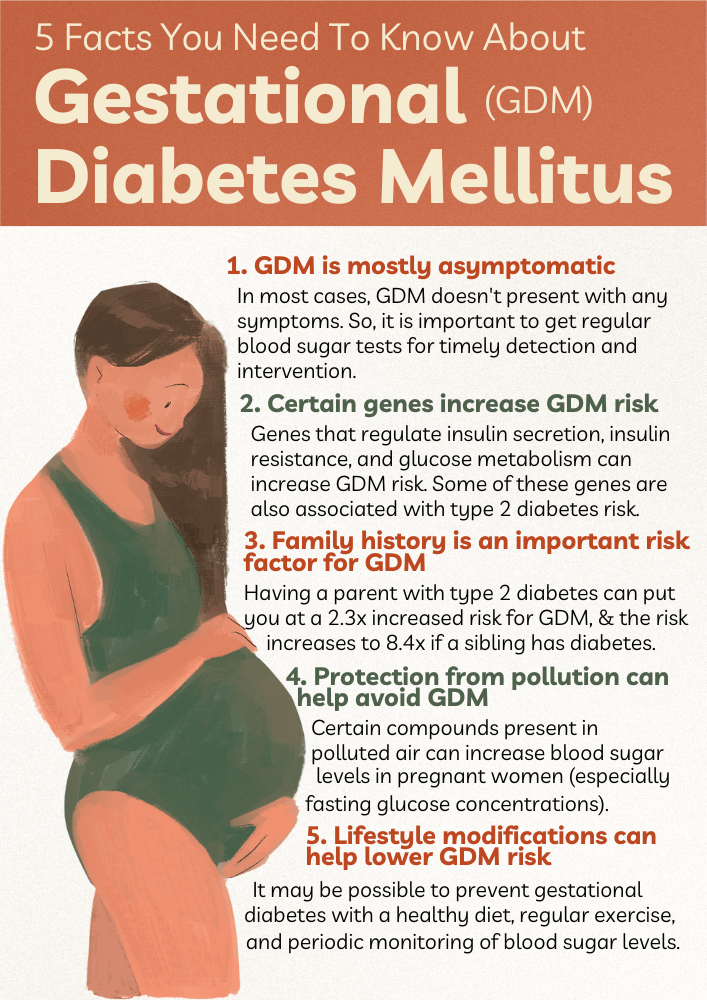
In most cases, GDM doesn’t have any noticeable symptoms and is diagnosed through routine pregnancy screening.
However, this condition can lead to many severe complications if left untreated.
Our genes affect not just our eye color and height but also the likelihood of developing many health conditions, from type 2 diabetes to Alzheimer's. Many genes come together to interact with our environment and lifestyle to modify the risk. At Xcode Life, you can upload your existing DNA raw data from ancestry genetic tests to understand your genetic health risk so that you can modify your lifestyle to lower the risk. Learn more.
Many past and present studies are trying to answer the question, “Why do some people develop GDM while others don’t.”
Studies report that the risk for GDM is associated with certain genetic changes that also influence type 2 diabetes risk.
This makes sense since insulin resistance is an important causative factor in both.
This also explains the increased risk for type 2 diabetes in people who have had GDM.
Further, research also suggests that the adverse outcomes in infants due to GDM may also have a genetic basis.
A glucose sensor gene called the GCK gene plays an important role in this.
The body cannot effectively recognize high blood sugar levels in those with mutations in this gene, and those harboring these mutations have a higher GDM risk.
Research shows that GDM due to GCK gene mutations is associated with changes in the infants’ birth weight.
| GENE | FUNCTION |
| Insulin receptor substrate 1 - IRS1 | Regulates insulin-signaling - influences glucose uptake by fat and muscle cells |
| Insulin-like growth factor 2 mRNA-binding protein 2 - IGF2BP2 | Regulates insulin secretion |
| CDK5 regulatory subunit associated protein 1 like-1 - CDKAL1 | Function unknown; pregnant women in CDKAL1 mutation have a certain degree of impairment in insulin secretion |
| Glucokinase - GCK | Stimulates pancreatic β cells, and liver cells for insulin secretion |
| Transcription factor 7-like 2 - TCF7L2 | Regulates signaling pathways associated with insulin secretion. Mutations can result in reduced insulin secretion |
| Melatonin receptor 1B - MTNR1B | Circadian rhythm regulator; mutations in this gene associated with increased blood glucose levels and type 2 diabetes |
| Potassium inwardly-rectifying channel, subfamily J, member 11 - KCNJ11 | Potassium channel regulator; mutations in this gene are a well-established cause of neonatal diabetes mellitus |
| Potassium voltage-gated channel, KQT-like subfamily, member 1 - KCNQ1 | Voltage-gated potassium channel; involved in the regulation of insulin secretion |
| Glucokinase regulator -GCKR | Regulatory protein that inhibits activation of liver and pancreatic cells for insulin secretion |
| Hepatocyte nuclear factor 4α - HNF4A | Mutation in this gene is associated with maturity-onset diabetes of the young (MODY) |
| Solute carrier family 30 member 8 - SLC30A8 | Is expressed only in the pancreas and is related to insulin secretion |
| Peroxisome proliferator-activated receptor γ - PPARG | Regulates fat cell differentiation and maintains glucose levels |
| Fat mass and obesity-associated gene - FTO | Involved in the regulation of fat mass and fat growth and body weight |
It’s important to know that having these gene changes (mutations) doesn’t guarantee that you’ll develop GDM or type 2 diabetes.
They increase your risk for these conditions, which can be reduced through lifestyle choices like adopting a balanced diet and regular exercise regimen.
Having this genetic risk information at hand can help doctors develop better screening measures for GDM and provide optimal treatment options.
It can also help healthcare professionals suggest suitable interventions that can be followed by anyone with a high risk for GDM and possibly avert it.
A family history of diabetes can increase your risk for type 2 diabetes and GDM.
According to studies, those with close family relatives who have type 2 diabetes are more likely to have GDM.
Having a parent with type 2 diabetes can put you at a 2.3x increased risk for GDM, and the risk increases to 8.4x if a sibling has type 2 diabetes.
Thus, your doctor needs to know your family history of diabetes to ensure good care during pregnancy.
GDM can strike anyone.
But certain factors can increase your risk for this condition (other than family history)
The risk for GDM increases with age; it is more profound in pregnancies after age 35.
Those with polycystic ovarian syndrome (PCOS) are at a higher risk for GDM.
Being overweight and obese can significantly increase GDM risk.
GDM in previous pregnancies or delivery of a baby weighing more than 9 pounds (4.1 kilograms) can increase the risk.
People from certain races and ethnicity are at higher risk for GDM.
Compared to non-Hispanic white people, Hispanics, black non-Hispanics, and Asians have consistently been found to be at increased risk.
Certain chemicals found in everyday products like soaps, shampoos, and perfumes, including BPA, phthalates, and phenols, can contribute to GDM risk upon overexposure.
Certain compounds present in polluted air can increase blood sugar levels in pregnant women (especially fasting glucose concentrations).
Evidence suggests that factors like ambient temperature and season can influence GDM risk.
A higher prevalence of GDM has been observed in summer months - higher ambient temperature is associated with elevated glucose levels.
According to a study, lower or higher sun exposure during the first trimester of pregnancy increases GDM risk.
This increased risk was observed regardless of body weight.
Even if you have a high genetic risk for GDM, it is possible to lower it through certain measures.
A healthy diet: Be sure to include plenty of fruits, vegetables, and whole grains. Avoid processed foods and sugary drinks.
Regular exercise: A moderate amount of exercise is the key to maintaining good blood sugar levels during pregnancy.
**Certain types of workouts are advised to be avoided during pregnancy. Please seek advice from a qualified medical professional regarding exercising during pregnancy.
Glucose level monitoring: Check your levels before and after meals, as well as at bedtime.
Gestational diabetes is a rise in blood sugar levels observed during pregnancy, which typically falls to the normal range after delivery.
Genes that play a role in insulin secretion, insulin sensitivity, and glucose metabolism can influence gestational diabetes risk. Genetic changes that underlie type 2 diabetes can also increase the risk for gestational diabetes.
Family history is also a contributing factor to gestational diabetes. Those with family members with type 2 diabetes are at up to 8x the increased risk for GDM.
Other factors like age at pregnancy, other health conditions, ethnicity, exposure to chemicals, and climate can influence gestational diabetes risk.
It may be possible to prevent gestational diabetes with a healthy diet, regular exercise, and periodic monitoring of blood sugar levels.
https://medlineplus.gov/genetics/condition/gestational-diabetes/
https://www.ncbi.nlm.nih.gov/pmc/articles/PMC7736606/
https://pubmed.ncbi.nlm.nih.gov/29728773
https://www.ncbi.nlm.nih.gov/pmc/articles/PMC8394229/
https://www.ncbi.nlm.nih.gov/pmc/articles/PMC6882194/
https://genomemedicine.biomedcentral.com/articles/10.1186/gm232
https://pubmed.ncbi.nlm.nih.gov/9662401/
https://pubmed.ncbi.nlm.nih.gov/14738023/
https://bmcpublichealth.biomedcentral.com/articles/10.1186/s12889-022-13965-5
https://ehjournal.biomedcentral.com/articles/10.1186/s12940-020-00668-w#Abs1
https://www.ncbi.nlm.nih.gov/pmc/articles/PMC6968564/
10X Health System is a company in the health and wellness sector founded in 2021 by Grant Cardone, Brandon Dawson, and Gary Brecka. It aims to enhance performance and wellness by blending traditional and novel techniques. Its popular Superhuman Protocol utilizes magnetism, oxygen, and light to promote regeneration at the cell level. Gene testing, blood testing, and supplement services further boost its portfolio. This article offers an overview of 10X Health System’s principal services, products, and the feedback received from its clientele. It presents a balanced view of its approach to improving health outcomes and the diverse experiences of those engaged with its offerings.
10X Health System is a brand that aims to increase people’s wellness by enhancing human performance.
The company claims to redefine modern medicine with its Superhuman Protocol line.
According to the Superhuman Protocol, 3 pillars can help restore your healing power:
It offers a 5-part wellness approach that includes:
The company aims to promote optimal wellness, cellular repair, restoration, and regeneration.
10X’s health testing services are similar to those available at a clinic.
They detect health markers in your blood cell count, cholesterol, blood sugar levels, and more.
These biomarkers are indicators of your body’s health and can tell you what’s off.
10X studies these biomarkers to recommend solutions to guide you toward optimal wellness.
10X Health offers two genetic testing products:
*as of 15th October 2024
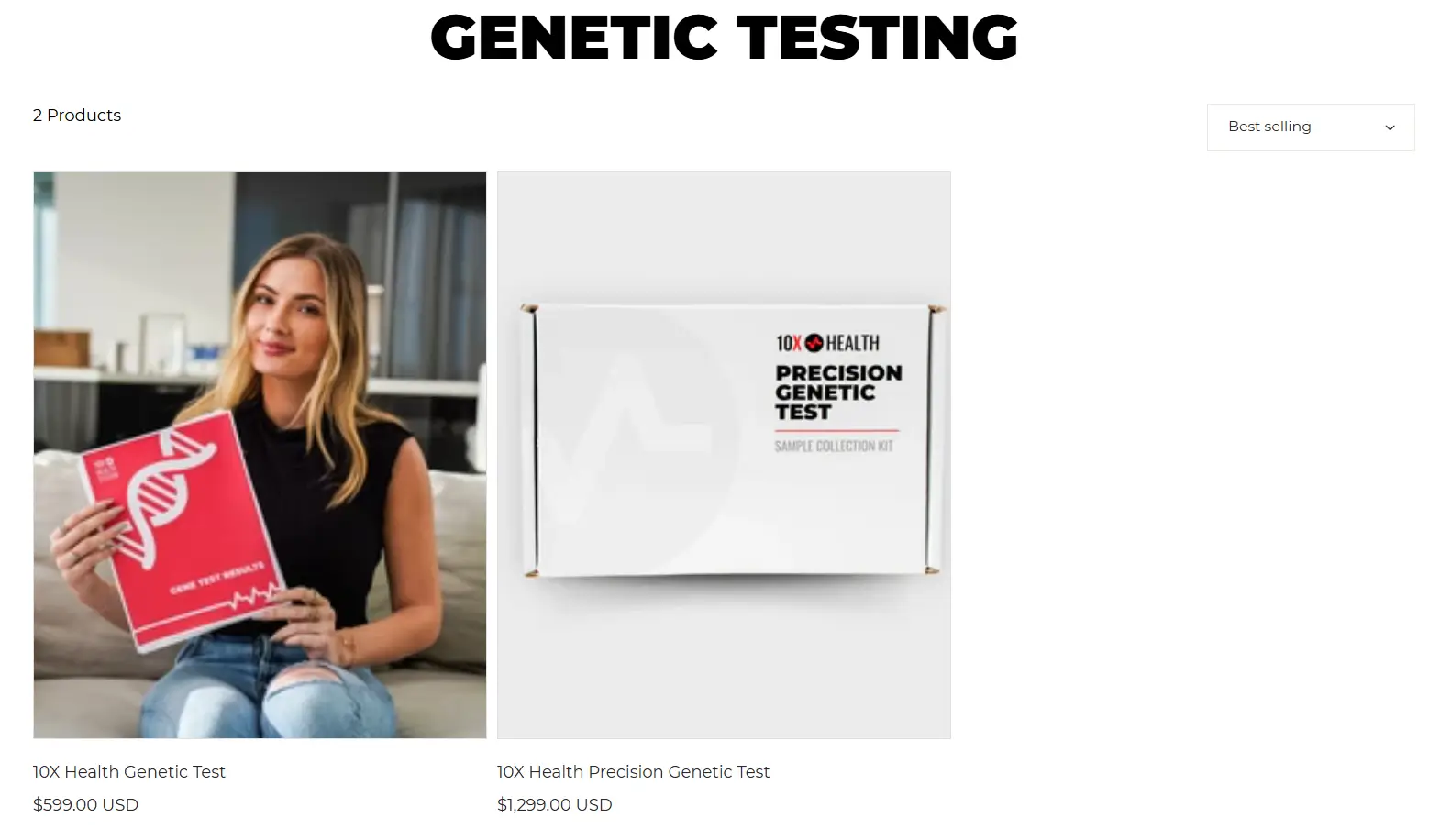
These tests provide a comprehensive snapshot of an individual's well-being by analyzing actionable genes and identifying areas for improvement.
You can optimize your health through personalized supplement protocols by understanding genetic deficiencies.
Here’s how 10X Health System’s genetic testing works:
The company sends you a kit and instructions on collecting the sample at home.
Once the company receives your DNA sample, its experts review the results and provide a detailed report and recommendations.
Personal advisors help you understand your current health status and offer supplements to help improve it.
The 10X Blood Test analyzes over 70 biomarkers to provide comprehensive and personalized reports.
Three main elements highlighted in the blood are nutrient deficiency, hormone optimization, and glucose control.
The process consists of three phases:
Here’s what you can expect from their report:

10X's IV services offer essential nutrient delivery, hydration, and immune boosts through customized IV drips.
These IV treatments promise benefits like
How It Works

Besides the various testing services, 10X offers a wide range of products for customers who wish to upgrade their lifestyle and health.
10X's ultimate supplement protocol supports immune function, cognitive performance, cardiovascular health, mental clarity, and more.
They emphasize natural, high-quality ingredients to enhance overall well-being and vitality.
They offer over 10 different kinds of supplements targeted at different aspects of health:
| Supplement | Target |
| Daily Essential | Nutrition deficiencies and weight problems |
| REM-edy | Poor sleep |
| Cool. Calm. Collected. | Stress, anxiety, and blood pressure problems |
| 10X Brain Gains | Poor alertness, ADHD symptoms, and cognitive decline |
| Immuno-boost | Immunity, inflammation, and aging problems |
| Dynamic Duo | High-intensity lifestyles and blood sugar issues |
| 10X Probiotic | Unhealthy gut with bloating and indigestion |
| Magnesium | Muscle weakness, poor sleep, and anxiety |
| Zinc | Immune response, gut issues, and general healing |
| Alpha | Muscle strength and testosterone levels |
Some claimed benefits of the supplements include:
10X manufactures their supplements in FDA-compliant and GMP-certified facilities.

The Superhuman Protocol (SHP) offers a 3-step wellness program that utilizes magnetism, oxygen, and light to enhance the body's healing processes and overall well-being.
The Super Human Protocol of 10X Health Systems includes medical devices like:

The protocol offers a wide range of health benefits for the body, mind, and skin, such as:
The SHP bundle with the PEMF mat, EWOT Oxygen system, and the PBM Bed costs $133,561.
This figure doesn’t include the cost of setting up a 220-volt wall outlet for the Health Light Bed.
| Product/Service | Approximate Cost |
| Genetic Test | USD 599 and USD 1,299 |
| Blood Test | USD 599 |
| Health Supplements | USD 16 to USD 79 |
| SuperHuman Protocol Bundle | USD 133,561 |
| Merchandise | USD 18.50 to USD 180.99 |
These prices are accurate as of 15 October 2024 and are subject to change.
10X’s privacy policy mentions 11 kinds of data they collect from their users, including your name, age, email ID, approximate location, and sensitive health/genetic information.
This data helps them create a customer profile of you, which helps curate your experience on the site and the report’s content.
They may use this data for legal, targeted advertising, and commercial purposes.
Read 10X Health’s complete privacy policy here.
Reviews of 10X Health touch upon various aspects of its services, from positive to negative, depending on customer experiences.
On platforms like their website and Facebook, 10X Health has a rating of 4+/5, while most other review platforms average a 1-1.6/5 rating.
Below is a summary of the reviews and feedback found:
These ratings are as of 15 October 2024 and are subject to change.
In conclusion, 10X Health System offers advanced wellness services that some customers find beneficial for improving their health outcomes.
As with any health and wellness service, individual experiences and outcomes may vary, making it essential to weigh both the positive testimonials and the reported issues.
Users rate 10X Health products and services highly for their optimal health and performance benefits.
Here are some factors that contribute to the positive reviews of 10X Health:
However, the mixed/negative reviews regarding customer service, shipping delays, and perceived service value suggest that potential customers should carefully consider these aspects before opting for their services.
Gary Brecka recommends consuming 30 grams of protein within 30 minutes of starting your day, followed by 30 minutes of low-intensity exercise.
10X allows you to cancel your supplement subscription in two ways.
Log into their website and choose ‘Cancel Subscription’ or contact 10X’s customer service team at support@10xhealthsystem.com.
Several reputed companies offer personalized insights into your genetic data.
Xcode Life, 23andMe, AncestryDNA, FTDNA, and MyHeritage DNA are some such companies.
EmmaCare, Carium, Ciitizen, and GreenField Health are companies offering services in the health and wellness sector.
Have you ever felt a sudden pain in your upper right abdomen after a particularly stressful period? While many factors can contribute to the formation of gallstones, recent studies suggest that stress could be a potential culprit. This link between stress and gallstones raises critical questions about how our emotions impact physical health. In this article, we'll explore whether stress can cause gallstones, the mechanisms behind this relationship, and what you can do to reduce your risk.
Did You Know? You may carry certain gene changes that increase your risk for various chronic health conditions like diabetes, hypertension, and even gallstones! Learning about them can help you take actionable measures to reduce risk and possibly prevent these health conditions! Learn more:
Gallstones are hardened deposits typically made out of the digestive fluids that form in the gallbladder.
The gallbladder is a pear-shaped organ just below the liver, towards the right side of your abdomen.
The size of gallstones can range from as small as a grain of sand to as big as a golf ball.
The number of stones can also vary among different people.
The typical course of treatment is gallbladder removal or cholecystectomy. However, if someone doesn’t experience symptoms, they may not require surgery.
Gallstones often do not cause any symptoms, but when they do, they can range from mild to severe. Here are some of the common symptoms of gallstones:
Bile is the digestive fluid present inside the gallbladder. Gallstones are thought to occur when there’s a chemical imbalance in the bile.
However, the reason behind the chemical imbalance is still unclear.
Two things in the bile can contribute to gallstone formation.
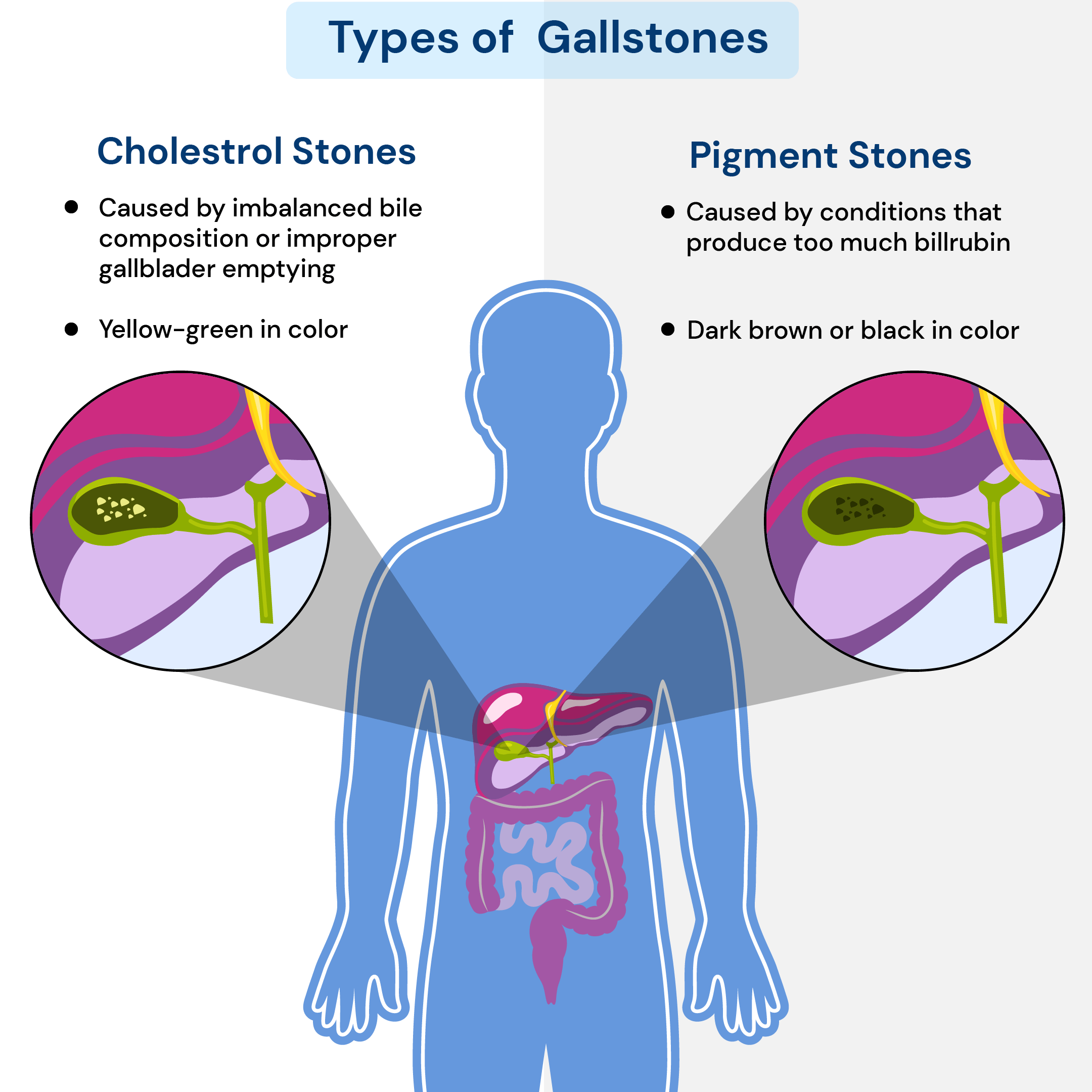
The following groups of people are more likely to get gallstones:
When the body is under stress, its energy is diverted from functions like digestion, so it can use all its resources to trigger the "fight-or-flight" response.
Digestion is slowed by lowering the contraction of digestive muscles and decreasing the secretion of digestive juices, like bile.
Chronic stress can result in repeated inhibition of bile release from the gallbladder, disrupting the entire biliary system.
This can increase the bile's cholesterol concentration, leading to gallstones.
Research shows diminished gallbladder emptying observed in patients with cholesterol gallstones.
Thus, chronic stress may lead to gallstone formation by affecting gallbladder emptying or bile secretion from the gallbladder.
While managing stress can help the body in numerous ways, it can particularly result in improved gut health and reduced risk of digestive troubles and gut-associated health conditions.
Here are some effective strategies to manage stress for improved gut health:
Overall, managing stress is essential for maintaining a healthy gut. Stress-reducing strategies and healthy lifestyle habits can promote better gut health and overall well-being.
Gallstones are caused when a chemical imbalance in bile (a digestive juice present in the gallbladder) causes it to crystallize and hardens, resulting in stone-like structures. Factors like a high-fat and high-cholesterol diet, a sedentary lifestyle, and obesity can contribute to gallstone formation. Uncontrolled stress can also result in gallstone formation by affecting gallbladder emptying. When the body is under stress, the energy from digestion goes toward fighting stress. So, digestive juices like bile are not released from the gallbladder. This can eventually lead to a build-up of bile juice with increased cholesterol concentration, leading to gallstone formation.
A grandparent DNA test delves into your heritage, offering scientific insights into your biological connections. By examining unique DNA markers inherited through generations, these tests reveal the strength of the grandparent-grandchild relationship. Whether seeking clarity for personal reasons or needing legal validation, grandparent DNA tests provide an accurate and reliable solution for uncovering familial bonds. Keep reading to understand your genetic inheritance clearly and gain insights into the strength of your ancestral connection with your grandparents.
Grandparent DNA tests are a scientific method for establishing biological relationships between grandparents and grandchildren.
They do this by analyzing specific sections of DNA, known as markers, that are inherited and passed down through generations.
Similar to genetic fingerprints, these markers can be compared to reveal if there is a match, indicating a biological link.
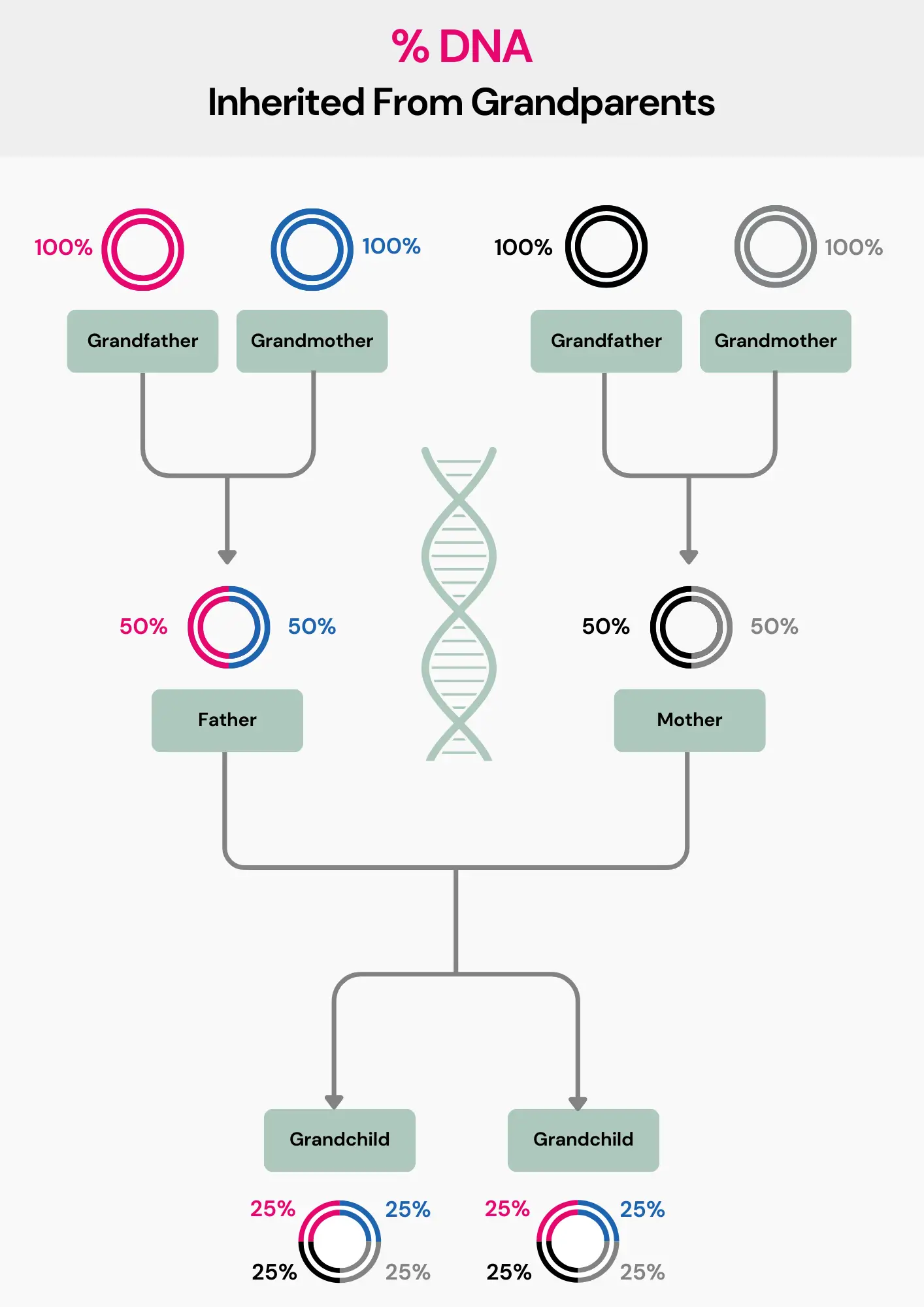
According to the established principles of Mendelian inheritance, an individual inherits approximately 25% of their DNA from each grandparent.
Parents contribute 50% of their genetic material to their offspring during reproduction. Therefore, your parents inherit 50% of their DNA from each grandparent.
Subsequently, they pass down another 50% of their DNA to you. This results in an average inheritance of 25% of your genetic makeup from each grandparent.
This pattern continues across generations, with you transmitting roughly 25% of your DNA to your children, who in turn will pass on a similar proportion to their offspring.
This predictable inheritance pattern ensures a relatively consistent distribution of ancestral DNA across generations.
Grandparent DNA tests are generally very accurate, often providing definite results in many cases. However, there is a small possibility of obtaining an unclear result.
This can happen for a few reasons:
The chance of unclear results depends on who participates. If more relatives, like the child of the grandparent being tested, are involved, the test can be more precise.
For the most accurate DNA info, talk to a genetic counselor. They can give you current or up-to-date details and advice on testing.
The grandparent DNA test is performed using a test kit.
This DNA testing kit has easy-to-use mouth swabs that help collect a DNA sample from the individual.
The swab sample contains cells with the complete genetic information of the grandparent in the form of DNA.
Once the sample arrives at the laboratory, a polymerase chain reaction is performed to extract the DNA from the cells. This test amplifies the region of the cells that reveal DNA patterns.
This DNA pattern from the grandparents is then compared with that of the grandchild.
Based on this comparison, a statistical analysis is generated based on the match type. This is true for biologically related grandparent and grandchild pairs.
The analysis also gives a grandparentage index.
A legal grandparent DNA test is done for similar reasons as a legal paternity test, such as:
The DNA must be obtained from both grandparents on the biological father’s side. However, if one is unavailable, a single grandparent's DNA is acceptable.
These tests typically use buccal swabs for sample collection.
These swabs are simply cotton swabs gently rubbed on the inner cheek to collect cells.
Sometimes, you may also need to provide a blood sample.
A neutral, impartial third party usually collects the samples for a legal grandparent DNA test at a medical office, hospital, or health clinic.
The time taken to obtain the results of the grandparent DNA test depends upon the laboratory performing the test.
However, at the earliest, you can get your results in around three to five business days.
Upon order confirmation and payment receipt, a representative will arrange sample collection at a designated testing center within a vast network.
Due to the strictly maintained chain of custody, these results are legally permissible.
A grandparent DNA test is available as an at-home option.
The private at-home test kit is an option for those who wish to know if the grandparent and grandchild are biologically related before proceeding to the next step.
This test provides the same results as the legal grandparent DNA test. However, the results of this test cannot be produced for legal reasons.
At-home tests can be done with buccal swabs or saliva samples.
Once the sample is collected, you'll be required to send it back to your provider for testing.
At-home sample collection is easy and takes a few minutes. The results can take a few days to a few weeks.
Similar to legal tests, sample collection and analysis occur.
However, the results are invalid for court proceedings due to the absence of a controlled chain of custody.
Nonetheless, both legal and at-home tests tend to reveal the same genetic information.
| Legal Grandparent Test | At-home Grandparent Test | |
| Purpose | To establish biological relationships between grandparents and grandchildren | To establish biological relationship between grandparents and grandchildren |
| Legal admissibility | Admissible | Not admissible |
| Sample collection | Buccal swab or blood sample | Buccal swab or saliva sample |
| Turn-around time | Typically 3-5 days | A few days to a few weeks |
Grandchildren do not inherit DNA equally from all four grandparents.
A child’s DNA is usually shuffled between parents and grandparents by a process called recombination.
23andMe offers a new tool called the GrandTree that allows families to connect across three generations.
This tool connects grandparents and grandchildren.
23andMe’s GrandTree tool also offers a deeper insight into other relations like siblings, parents, and children.
You can now see what traits and ancestry you share with your blood relatives.
Families using 23andMe’s GrandTree tool can connect differently, bridging the gap in each generation.